Dukes County Massachusetts Martha’s Vineyard Agricultural Fair Festival

Late summer on Martha’s Vineyard has a rhythm of its own: ferries sliding into harbor, beaches at their warmest, farm stands heavy with tomatoes and sweet corn. Then, for a stretch of days in August, the Martha’s Vineyard Agricultural Fair takes over a corner of the island and Dukes County turns its attention to livestock, pies, and prizewinning produce.
Dukes County is modest in size — roughly 20,600 residents spread across 491 square miles, with Edgartown as its county seat — but the fair pulls together a crowd that feels far bigger than the population suggests. Islanders, summer residents, and day-trippers all end up in the same dusty aisles, comparing tomatoes and waiting for the same order of fries.
Dukes County Fair Facts: A Handy Reference
| Town / place | The Dukes County area, Martha’s Vineyard, Massachusetts |
| County | Dukes County, Massachusetts |
| County seat | Edgartown |
| Population | About 20,600 countywide |
| Land area | 491 square miles |
| Founded | 1695 (county) |
| Typical timing | Late summer, generally a run of days in August |
| Admission | Typically free to enter; food, rides, and vendor goods are priced separately |
| Setting and features | Island fairgrounds with barns, show rings, exhibit halls, a midway, and food stalls |
| Organizer | The Martha’s Vineyard Agricultural Society, with island volunteers |
The Fair at the Heart of Martha’s Vineyard
The Martha’s Vineyard Agricultural Fair is, at its core, a country fair with an island accent. The grounds fill with barns and exhibit halls, show rings and a midway, and the schedule leans on the things Dukes County has always done well: raising animals, growing food, making things by hand, and cooking for a crowd that keeps coming back for more.
Livestock shows anchor the week. Expect cattle, sheep, goats, poultry, and the kind of earnest judging that turns a barn aisle into a classroom. Alongside them sit halls of vegetables, flowers, baked goods, preserves, quilts, and crafts, all entered by year-round residents, seasonal families, and kids who have spent the summer coaxing a pumpkin into competition shape.
What makes it distinctly Vineyard, though, is the social texture. A county of 20,600 people means you rarely walk ten steps without running into someone you know, and the fair is where Edgartown shopkeepers, up-island farmers, and summer visitors end up sharing a picnic table. It is part exhibition, part reunion, and part long-running island institution.
From Island Farms to Fairgrounds: A Dukes County Tradition
Dukes County was established in 1695, back when the island’s economy ran on sheep, salt hay, fishing, and the sea. Families worked small, stubborn plots of sandy soil, and the habit of measuring a year by what the land produced took hold early and never really left.
Out of that farming culture came the harvest exhibition — a New England habit of putting the season’s best on a table, pinning a ribbon to it, and letting the neighbors argue about who grew the better beet. Over generations, those modest displays grew into a full fair with animal shows, machinery, entertainment, and a midway.
The fair has changed with the island around it. Farming shrank, tourism grew, and the year-round population shifted. But the fair kept its original purpose: an annual accounting of what the island makes, grows, and raises, presented by the people who did the work.
What You’ll Find on the Martha’s Vineyard Fairgrounds
Food Worth Standing in Line For
Fair food here is the familiar, comforting kind: fried dough, sausage and peppers, chowder, corn on the cob, ice cream, and lemonade that disappears faster than it can be poured. Local vendors often work island-grown ingredients into the mix, so a slice of pie or a jar of jam can taste like a specific farm you drove past that morning.
Music, Contests, and Entertainment on the Grass
Live music runs through the fair’s run, from local bands to folk and roots acts, usually staged informally enough that you can drift in with a paper cone of fries. Between sets, look for demonstrations and contests — pulling events, skill competitions, and the kind of audience-participation games that get the whole crowd shouting.
Family Activities for Every Age
Children gravitate to the rides, the petting areas, and the youth exhibit tables, where their own drawings and vegetables sit behind glass with ribbons attached. Older visitors tend to settle into the grandstand seating or the shade near the animal barns. Because the grounds are compact, families can cover a lot of ground without a marathon walk.
Planning a Fair Trip Across Dukes County
Getting There: Ferries, Roads, and Island Time
Martha’s Vineyard is reached by ferry from the Cape Cod mainland, with vehicle reservations booked well ahead in summer and walk-on passage easier to secure on short notice. Once you are on the island, the fairgrounds are a straightforward drive or bike ride from the main down-island towns. Build in buffer time; island traffic in August moves at its own pace.
Where to Stay Around Edgartown and Beyond
Lodging across Dukes County books up early for late summer. Edgartown offers inns and hotels near the harbor, while other island towns provide a mix of guesthouses, rentals, and campgrounds. If you are flexible about where you sleep, you will have an easier time finding a room during fair week.
Parking and Getting Around the Island
Fairground parking fills quickly on peak days, so arriving earlier in the day helps. Bicycles are a genuinely practical option on the Vineyard, and the island’s bus network connects the main towns. Many visitors park once in a town center and ride, walk, or pedal from there.
Admission, Costs, and What to Bring
Admission is typically free, with food, rides, games, and vendor purchases making up most of what you spend. Bring cash for small stands, a refillable water bottle, sunscreen, and a tote for anything you buy. Set a loose budget per person before you go and you will leave pleasantly surprised.
Weather and What to Wear in Late Summer
Late August on the Vineyard is warm and often humid, with sea breezes that can turn cool after sunset. Wear light layers, comfortable closed-toe shoes for barn aisles and gravel, and a hat. A light rain jacket earns its space in the bag more often than an umbrella does.
A Sample Fair Weekend, Morning to Evening
Start your first morning at the animal barns before the crowds arrive, when exhibitors are still grooming and the judging is underway. Midday belongs to the exhibit halls and the food row — sample a couple of stands rather than committing to one, then find shade for a music set. Late afternoon is prime time for rides, games, and the midway, followed by a second pass through the barns as the light softens.
On day two, sleep in, then spend the morning in Edgartown walking the harbor and whaling-era streets before heading back to the fairgrounds for the afternoon. Stay for the evening entertainment, grab dinner from a vendor, and finish with dessert while the grounds thin out. It is a low-effort weekend that still feels full.
How the Vineyard Fair Compares with Nearby Island Events
Set against the Vineyard’s other summer traditions, the agricultural fair is the least polished and the most local. Edgartown’s harborfront calendar leans toward sailing, regattas, and waterfront dining. Oak Bluffs brings a different energy entirely, with its cottage architecture, busy circuit avenue, and evening events that draw big crowds.
Compared with county fairs on Cape Cod, the Vineyard version is smaller, shorter, and more intimate — you can see the whole thing in an afternoon and still feel like you did it properly. The trade-off is that you will not find a sprawling midway here; what you find instead is a fair where the exhibitors and the audience are largely the same people.
A Fair-Day Checklist for Dukes County Visitors
Before you leave your rental: confirm ferry times both directions, check the day’s fair schedule, charge your phone, and pack water, sunscreen, a hat, and a light layer for the evening. Bring cash in small bills, a reusable bag for purchases, and a printed or downloaded map if your phone signal gets thin.
At the grounds: park where directed, note your row, and walk the perimeter once before deciding where to eat. Check the exhibit hall schedules early, since ribbons and demonstrations happen at set times. Keep receipts and vendor bags together, and plan a meeting point if your group splits up among the rides and the barns.
Beyond the Fairgrounds: The Rest of Dukes County
The fair is a fine excuse to see more of the island. Edgartown, the county seat, is a walkable grid of white clapboard houses, a lighthouse at the harbor entrance, and streets that once belonged to whaling captains. From there, the island opens into farmland, conservation trails, and long stretches of beach.
Farther out, the terrain turns dramatic — clay cliffs, fishing harbors, and quiet roads that reward a slow drive or a long bike ride. Farm stands, bakeries, and small galleries dot the way. Give yourself at least one non-fair day to explore, and the trip stops feeling like a single-event visit.
Why Blue Ribbons Still Matter on Martha’s Vineyard
For a county of roughly 20,600 people, the fair does outsized work. It keeps agricultural knowledge in circulation, gives young exhibitors a reason to learn a skill, and hands the island a shared calendar moment that is not built around tourism or real estate. The ribbons are small; the recognition is not.
It also functions as an informal town meeting of the whole island, where year-round residents and seasonal visitors stand in the same line. That mixing is rarer than it sounds in a place with such a pronounced seasonal rhythm, and it is a large part of why the fair has survived.
Where the Fairgrounds Sit in Dukes County
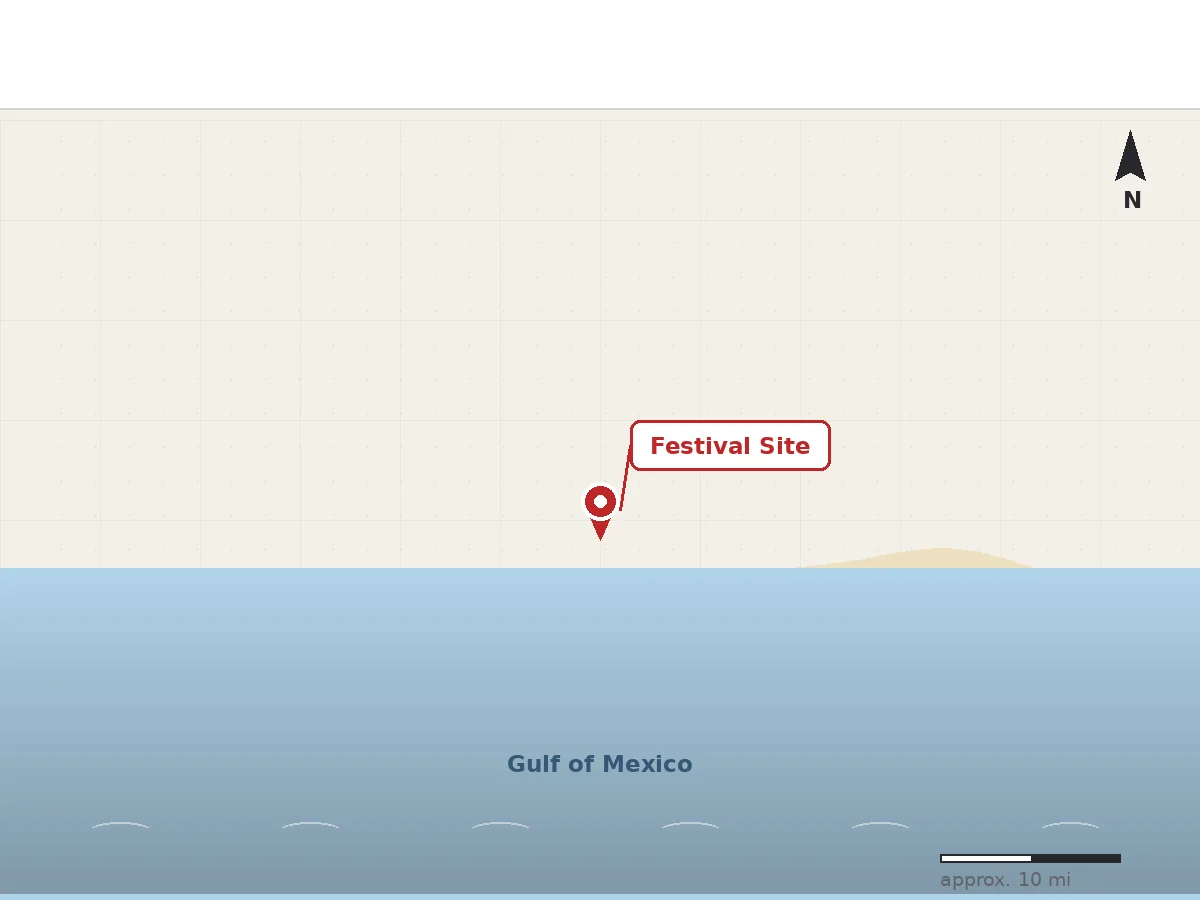
The fairgrounds sit in the rural interior of Martha’s Vineyard, an easy drive from Edgartown and the island’s other down-island towns.
Fair Questions from First-Time Vineyard Visitors
When does the Martha’s Vineyard fair usually take place?
It is a late-summer event, generally held over a run of days in August. Exact dates shift year to year, so check the current schedule before booking ferries or lodging, and treat the third or fourth week of the month as the rough window most visitors plan around.
How do I get to the fair from the mainland?
Take a ferry from Cape Cod to the island, then drive, bike, or ride the bus to the grounds. Vehicle spots sell out far in advance in summer, so walk-on passengers have the easier logistics. Once on the island, allow extra time for August traffic.
Is the fair a good fit for young children?
Yes. Rides, animals, games, and youth exhibits keep younger visitors busy, and the compact grounds mean you are never far from a bathroom, a bench, or a snack. Bring a stroller if you have a toddler, and stake out shade early on hot afternoons.
What should I budget for a day at the fair?
Admission is typically free, so your spending depends on food, rides, games, and vendor purchases. A modest per-person budget covers a meal, a treat, and a couple of activities; add more if you plan to buy crafts, preserves, or fair merchandise.
Looking Ahead to Next Season’s Fair
The fair’s future looks much like its past: a volunteer-driven event tied to the island’s farms, animals, and families. As the Vineyard’s year-round community changes, the fair remains one of the few places where that whole community shows up at once, in public, with something of its own on display.
Expect the same essentials next year — barns, ribbons, fried dough, and a midway — with fresh faces in the show rings and new vendors along the food row. Plan early, book ferries and rooms well ahead, and leave room in your schedule for a second visit to the grounds.
Last updated: October 2026
Few events on Martha’s Vineyard ask so little and give back so much. You arrive for the animals and the food, and you leave with a fuller picture of Dukes County — its farms, its crafts, its teenagers hauling goats through a show ring, and its long habit of gathering in late summer to see what the island made this year.