Dearborn County Indiana Aurora Farmers Fair Festival
Each autumn, two of the main streets in Aurora, a small city on the Ohio River in Dearborn County, Indiana, are handed over to rides, exhibit tables, food stands, music and a Saturday parade for the Aurora Farmers Fair. The word Festival rides along in the title of this article, but no published layer found for the event uses it: the fair’s own site, the county visitor bureau’s newsletter and the organiser’s history page all print the name as Aurora Farmers Fair, or, with an apostrophe, Aurora Farmers’ Fair. What the organiser’s history page does call it, as a description and as the organiser’s own claim, is Indiana’s oldest street festival, a claim this article repeats only as the organiser’s. The 2026 edition runs from Wednesday 30 September through Saturday 3 October, in the hands of the Aurora Lions Club, which has managed the fair since 1959.
About the Aurora Farmers Fair
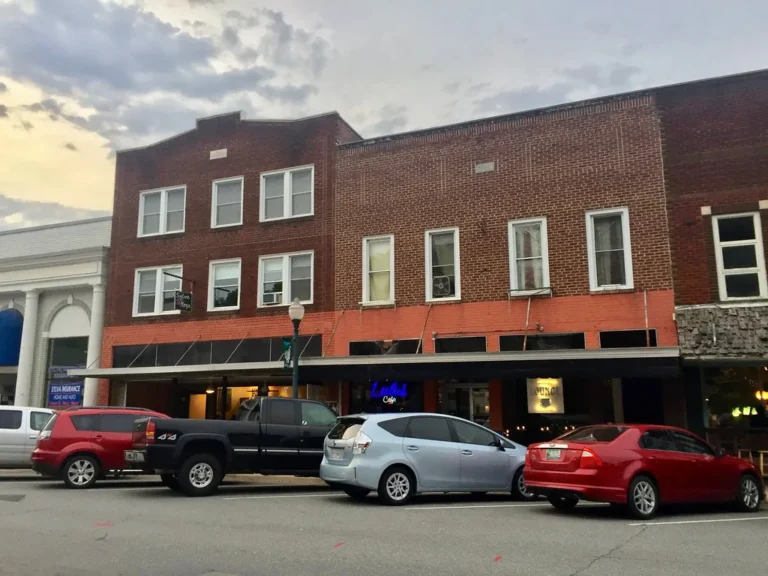
The Aurora Farmers Fair is a street fair in the truest sense: instead of spreading across a fairground, it occupies Main Street and Second Street in downtown Aurora, with exhibits housed in buildings close to the riverfront. Aurora sits in Dearborn County in the southeastern corner of Indiana, and while the fair is the city’s signature gathering, Aurora is not the county seat; that role belongs to Lawrenceburg. The county’s name is spelled Dearborn throughout the published layers, including in the name of the county’s own visitor bureau, and this article keeps that published spelling exactly as it appears.
Stewardship of the fair has a long paper trail. The early editions were staged by the Aurora Business Men’s Association, and in February 1959 that association invited the Aurora Lions Club to take over sponsorship and management, which the club has handled ever since. An even earlier organisational form, a Fair Association, appears in the record for the fair’s first years, with a president of that association elected in 1912. A royal court chosen from area schools presides over the festivities, a tradition recorded in the centenary book the Lions published in 2008 under the title Aurora Farmers Fair: 100 Years.
Admission, according to the county visitor bureau’s newsletter layer, costs nothing: that layer describes a free fall festival with free live entertainment. Rides work differently, since a business-directory layer mentions wristband admissions for the rides as a separate component charge, and no layer read for this article publishes a wristband price.
Quick Facts
| Item | Detail |
| Published name | Aurora Farmers Fair, also printed Aurora Farmers’ Fair |
| Host city | Aurora, Dearborn County, Indiana |
| County seat | Lawrenceburg (Aurora is not the seat) |
| Organiser | Aurora Lions Club, running the fair since 1959 |
| Earlier organisers | Aurora Business Men’s Association; a Fair Association in the earliest era |
| First fair | 1908, following a proposal by Clarence B. Wilson |
| 2026 dates | Wednesday 30 September to Saturday 3 October 2026 |
| Venue | Main Street and Second Street, downtown Aurora |
| Admission | Free, as published by the county visitor bureau layer |
| Signature elements | Saturday morning parade, farm and home exhibits, free live entertainment |
History of the Fair
The organiser’s history page traces the fair to a single suggestion. In January 1908, Clarence B. Wilson, described on that page as a prominent Dearborn County farmer, proposed that Aurora hold an agricultural show, and the history page records that from that proposal the first Aurora Farmers’ Fair was born. The same page attaches the description Indiana’s oldest street festival to that first fair, and the centenary book published a hundred years later likewise dates the decision to 1908.
For a useful comparison, see the Daviess County Indiana Daviess County Turkey Trot Festival for another county festival.
The earliest fairs were modest street gatherings with strict ground rules. At the first fair, no rigs or teams were permitted on Main Street or Second Street, a reminder that the event began as a display of farm and home production rather than a carnival. The centenary book gives the 1909 fair more than seven hundred entries and twelve thousand people in attendance; those are the book’s historical figures, offered here as the book states them rather than as a modern count.
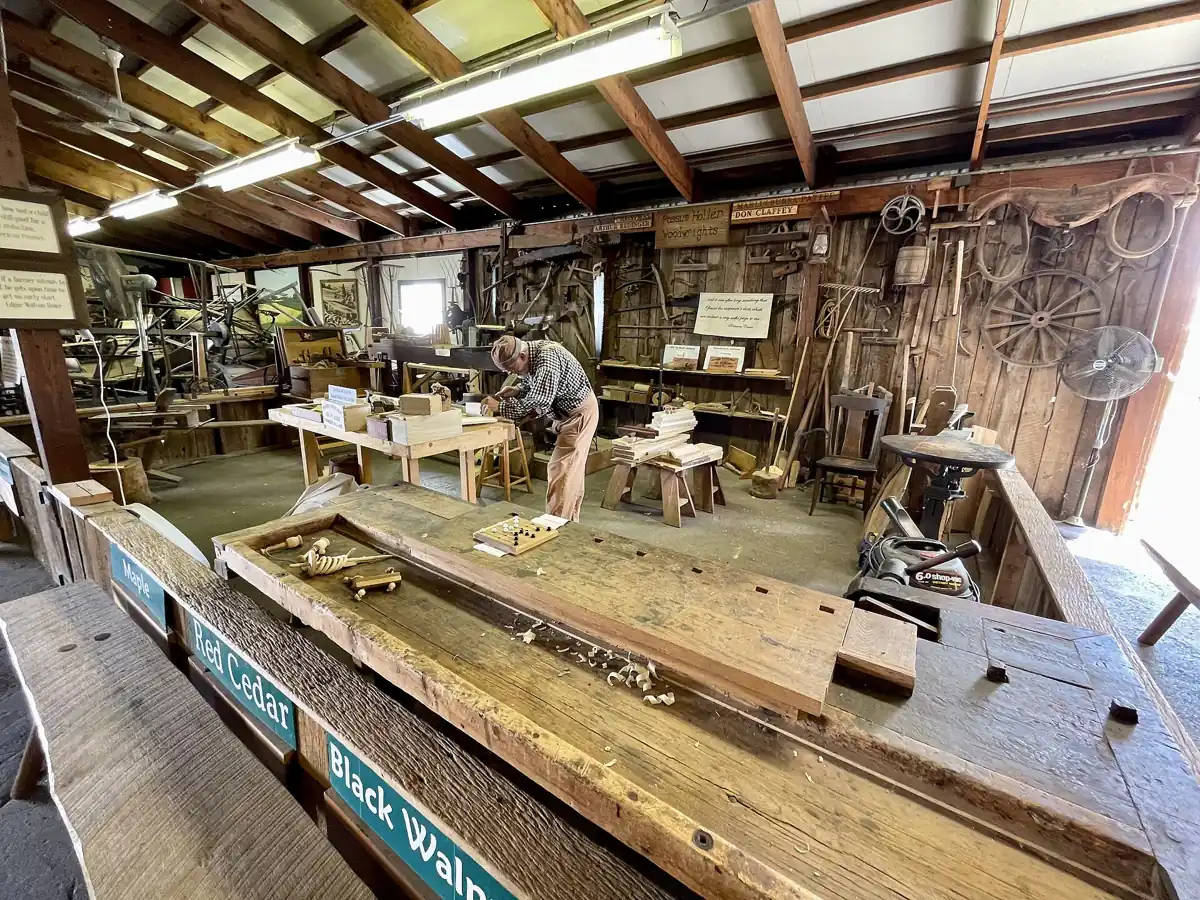
The fair grew into permanent quarters over the decades. From 1940, exhibits were housed in a riverfront building, and from 1969 they moved into a former casket-company office building at the corner of Second and Main Streets, a piece of Aurora industrial history folded into the fair’s own story. The 1958 fair, as the organiser’s history page tells it, drew over twenty-five thousand people and more than one thousand six hundred exhibit entries, again figures from that page rather than from any modern tally.
In February 1959 the Aurora Business Men’s Association, which had staged the early fairs, invited the Aurora Lions Club to assume sponsorship and management, and the Lions have run the fair from that year forward. The club’s tenure has not been without setbacks: the fair office building was lost to arson in July 1997, yet a replacement facility stood ready in time for the 2000 fair. In 2008 the Lions marked the centenary with their book Aurora Farmers Fair: 100 Years, and the fair has continued into the present decade, with the 2026 edition confirmed by a beekeepers’ association layer and the county visitor bureau’s newsletter.
What to Expect
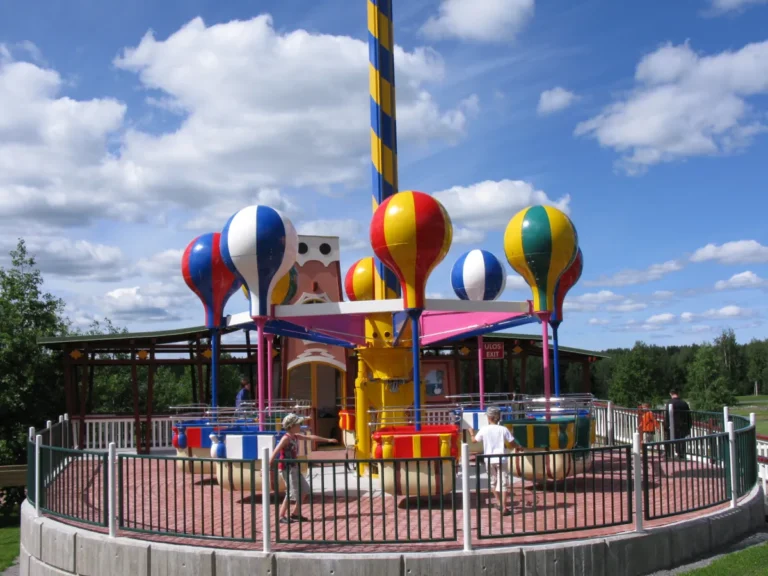
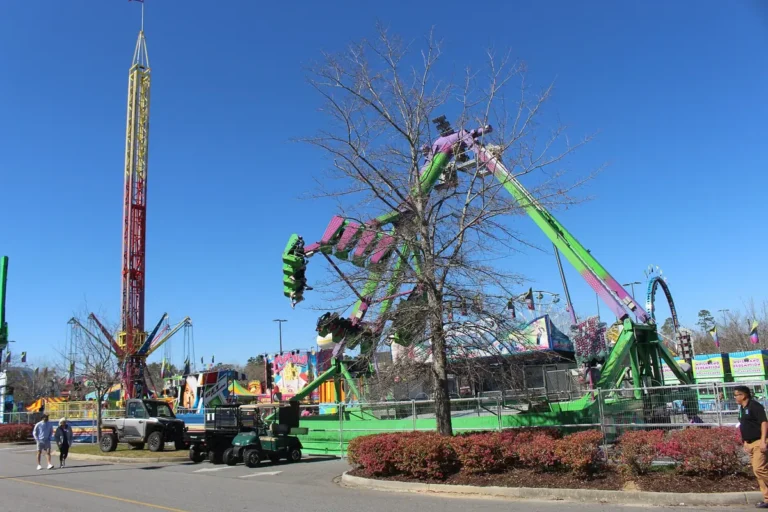
Four days of downtown Aurora belong to the fair, and the shape of those days, as the county visitor bureau’s newsletter layer describes the 2026 edition, mixes old-fashioned exhibition with street entertainment. Rides and games line the streets for those who come mainly for the midway side of things, while farm and home exhibits carry the agricultural purpose that Clarence B. Wilson proposed back in 1908. Free live entertainment and music run through the programme, and the visitor bureau layer singles out the fair’s unusual contests as part of the draw, the kind of small competitions that rarely survive at larger events.
The high point of the weekend is the large Saturday morning parade, with marching bands and floats moving through the downtown streets. A royal court selected from area schools presides over the fair, giving local students a formal place in the proceedings. One business-directory layer also names a September eleven steel memorial among the fair’s special attractions; that detail rests on that single weaker layer, so it is mentioned here with its sourcing limits rather than as a settled fact.
Planning Your Visit
The 2026 fair runs across four days, Wednesday 30 September through Saturday 3 October, so visitors can choose between the quieter weekday opening and the fuller weekend. Anyone whose trip centres on the parade should build the plan around Saturday morning, when the bands and floats come through downtown. Because the fair occupies working city streets rather than a gated fairground, arriving early in the day makes moving between the rides, the exhibit buildings and the entertainment areas noticeably easier.
Budgeting is simple at the gate: the county visitor bureau layer publishes the fair as free, entertainment included. The one cost to keep in mind is the rides, where a directory layer mentions wristband admissions as a separate charge without printing a price, so riders should expect to pay something at the fair itself even though no figure is published in advance. The fair is sometimes confused with other events, so two distinctions are worth fixing before a trip: the Aurora Firecracker Craft Show and Festival is a separate Aurora event run by a different organisation, and Aurora, Illinois, a much larger city, has nothing to do with this Indiana fair.
A Sample Day at the Fair
A first-time visitor with a single Saturday in Aurora might begin downtown in time for the morning parade, finding a place along the route as the marching bands and floats pass. Late morning suits the exhibit buildings, where the farm and home entries reward slow browsing near the corner of Second and Main Streets. Midday can go to the food stands and the street games, followed by the afternoon entertainment programme, which the visitor bureau layer promises is free. As evening approaches, the rides and games take over the streets, and a final slow circuit of Main Street and Second Street closes the day. Visitors with more time can spread the same elements across the Wednesday opening and the Thursday and Friday programmes, returning on Saturday for the parade and the fullest street scene.
How This Fair Compares
Most American county fairs unfold behind fences on a fairground at the edge of town, with a gate, a midway and exhibition halls arranged for the occasion. The Aurora Farmers Fair works the other way around: it takes over the ordinary downtown streets of a working river city and folds its exhibits into existing buildings, including a former casket-company office building that has housed entries since 1969. Its published name is also a point of difference, since the event is a fair in every layer read for this article, and the word Festival attached to it elsewhere appears nowhere in the fair’s own materials.
Fair Day Checklist
- Confirm the year’s dates before travelling, since the fair runs Wednesday through Saturday in the fall
- Plan Saturday morning around the parade if bands and floats are the priority
- Bring money for ride wristbands, which are charged separately from admission
- Leave time for the farm and home exhibits in the buildings near Second and Main Streets
- Catch at least one free live entertainment performance during the day
- Look for the unusual contests the visitor bureau layer highlights
- Remember that this is Aurora, Indiana, on the Ohio River, not Aurora, Illinois
- Check whether the royal court ceremonies fall during your visit
Beyond the Fair
Aurora itself rewards the hours around the fair. The city stands on the Ohio River, and the fair’s exhibit history is tied to the riverfront, where entries were displayed from 1940 onward. Downtown Aurora, with Main Street and Second Street as its spine, gives visitors a compact historic streetscape to wander once the parade crowds thin, and the corner of Second and Main carries the fair’s own landmarks, including the former casket-company office building that has held exhibits since 1969. Lawrenceburg, the county seat, sits nearby as the county’s administrative centre for anyone extending the trip.
Why the Fair Matters
A fair that began with one farmer’s suggestion in January 1908 and is still filling the same downtown streets more than a century later occupies a rare place in a community’s life. The organiser’s history page calls it Indiana’s oldest street festival, and whatever weight readers give that claim, the documented continuity underneath it is real: a Fair Association in the earliest years, the Business Men’s Association staging the early fairs, and the Aurora Lions Club managing the event without interruption since 1959, even rebuilding after the 1997 arson that destroyed the fair office. The historical figures the sources preserve, twelve thousand people in 1909 by the centenary book’s account and over twenty-five thousand in 1958 by the organiser’s page, describe a gathering that has mattered to Dearborn County for generations. The royal court drawn from area schools keeps each new generation formally inside the tradition, and the farm and home exhibits hold fast to the agricultural purpose Wilson proposed.
Frequently Asked Questions
Why is the word Festival missing from the fair’s own name?
Every published layer read for this article, from the fair’s own site to the county visitor bureau’s newsletter, calls the event the Aurora Farmers Fair or Aurora Farmers’ Fair, and none of them adds the word Festival to the name. The organiser’s history page does describe the event as Indiana’s oldest street festival, but that is a description and the organiser’s own claim, not part of the published name.
Who has run the fair since the late nineteen fifties?
The Aurora Lions Club has sponsored and managed the fair since February 1959, when the Aurora Business Men’s Association, which had staged the early fairs, invited the club to take over. The club later published the centenary book Aurora Farmers Fair: 100 Years in 2008 and still lists Fair Board committee chairmen running from 1959 to the present.
What happened to the fair after the nineteen ninety-seven fire?
The fair office building was lost to arson in July 1997, during the Lions Club’s tenure. The loss did not end the fair: a new facility stood ready in time for the 2000 fair, and editions have continued into the present decade, with the 2026 fair confirmed in a beekeepers’ association layer and the county visitor bureau’s newsletter.
Are the rides included once you are inside the fair?
Admission itself is free, as the county visitor bureau layer publishes it, and the live entertainment is free as well. The rides are the exception: a business-directory layer mentions wristband admissions for rides as a component charge separate from entry, and no layer read for this article publishes a wristband price, so the exact cost is something visitors learn at the fair.
What to Expect From the Next Dearborn County Indiana Aurora Farmers Fair Festival
How often is Dearborn County Indiana Aurora Farmers Fair Festival held?
The fair follows a yearly rhythm in the fall, running four days from Wednesday through Saturday in the pattern the 2026 edition confirms. Its history reaches back in documented editions from 1908 and 1909 through 1958 to the present decade, so the annual return each autumn is the fair’s established habit rather than a new experiment.
When is the next Dearborn County Indiana Aurora Farmers Fair Festival?
The most recent edition documented in the layers read for this article is the 2026 fair, held from Wednesday 30 September through Saturday 3 October 2026. Dates for a following edition were not printed in any layer consulted here, so the practical course is to watch for the fair’s own announcements as the next fall approaches and expect a similar Wednesday-to-Saturday window late in September or early in October.
Will the dates change?
The fair’s season has stayed in the fall across its documented history, and the 2026 edition sits at the turn of September into October, but the exact days are set edition by edition and can shift within that season. Nothing in the layers read fixes a permanent calendar date, so travellers should treat the Wednesday-through-Saturday shape as the pattern and the specific dates as something to confirm each year.
Closing Thoughts
The Aurora Farmers Fair asks little of its visitors: no gate price in the layers published by the county visitor bureau, no fairground to navigate, just two downtown streets in a small Ohio River city given over to exhibits, music, contests and a parade. In return it offers a fair whose beginnings are documented to a named founder and a single month in 1908, whose management has rested with one service club since 1959, and whose name, printed plainly as a fair in every layer, needs no extra word to describe what it is. For Dearborn County each fall, that is more than enough.