Cook County Illinois Taste of Chicago Festival
Cook County Illinois Taste of Chicago Festival is best approached like a Chicago local approaches a busy lakefront weekend: with a plan, comfortable shoes, and a willingness to move between food, music, and people-watching without fighting the crowd. The festival celebrates the county’s restaurant culture, but its success for visitors often comes down to logistics—when to arrive, how to get there, where to stay, and how to budget time and appetite.
Taste of Chicago Quick Facts for Cook County Visitors
| Town / Place | Chicago and the wider Cook County area |
| County | Cook County, Illinois |
| County Seat | Chicago |
| Population | 5,275,541 |
| Region | Chicago metropolitan area, northeastern Illinois |
| Typical Timing | Usually a summer weekend or multi-day summer run; exact dates vary each year |
| Admission | Generally free to enter; food and drinks are purchased separately |
| Setting | Downtown Chicago lakefront and surrounding festival grounds |
| Features | Food vendors, music stages, family activities, culinary demonstrations |
| Organizer | Civic festival organizers with participating Chicago-area restaurants and vendors |
What Taste of Chicago Is, Beyond the Bites
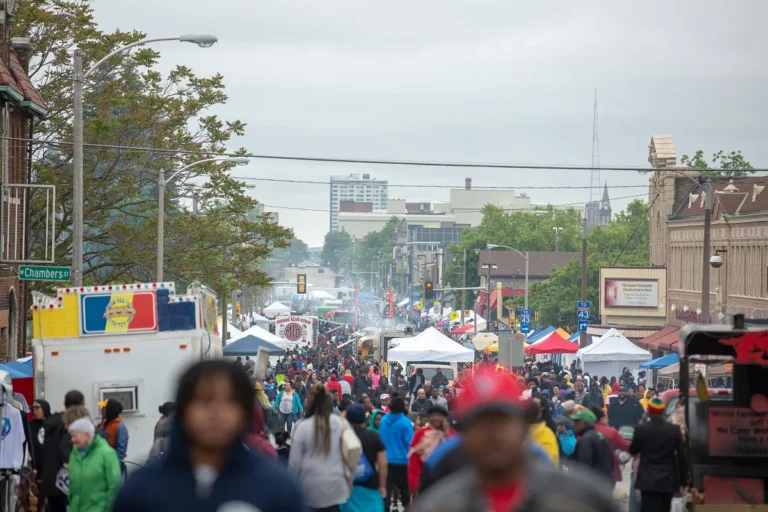
Taste of Chicago is a large public food festival rooted in the county seat of Chicago and shaped by the wider Cook County food landscape. It brings together restaurant vendors, pop-up kitchens, musicians, and family-oriented programming in a setting that feels distinctly urban and lakefront. The event is not just a meal; it is a showcase of the region’s diversity, from deep-dish and hot dogs to global street food and neighborhood specialties.
For visitors, the appeal is variety. You can graze across small portions, listen to live sets, and still have room to explore downtown Chicago afterward. Because admission is generally free, the main costs are food, drinks, and transportation. That makes Taste of Chicago accessible to a wide range of budgets, but it also means crowds can be significant, especially around peak meal times and headline performances.
From Neighborhood Kitchens to a Cook County Tradition
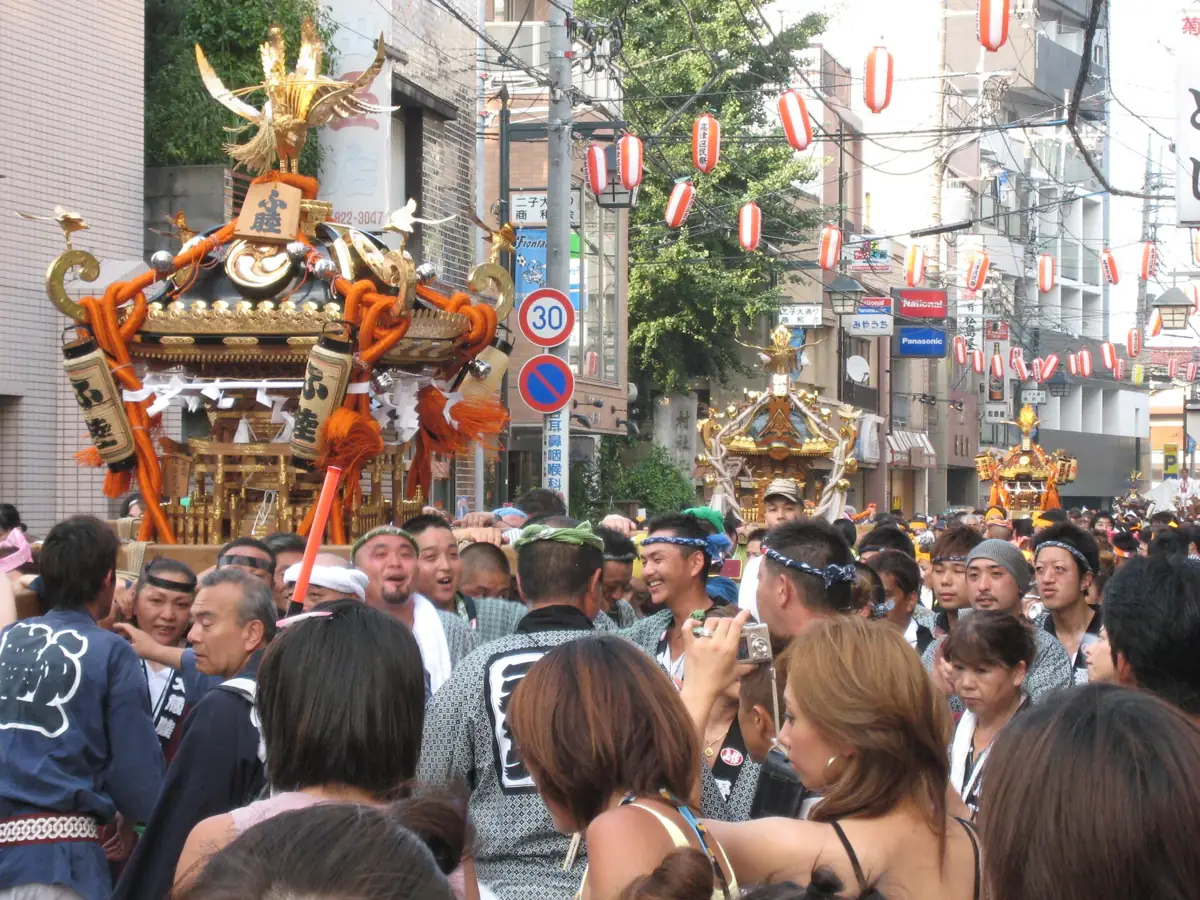
Taste of Chicago grew from the simple idea that a city’s restaurants deserve a public stage. In its early years, the festival helped turn local chefs and family-run kitchens into recognizable names, while giving suburban Cook County residents a reason to come downtown for a shared culinary experience. Over time, it expanded from a food-focused gathering into a broader entertainment event with music, demonstrations, and activities for children.
The festival’s history mirrors Cook County itself. The county was named for Daniel Pope Cook, and its county seat, Chicago, became a national dining destination. With 5,275,541 residents across 1,635 square miles, Cook County contains both dense city blocks and sprawling suburbs. Taste of Chicago reflects that mix by drawing vendors and visitors from many corners of the region, not just the downtown core.
For another look at how a community turns its own traditions into a gathering, see the Cook County Illinois Chicago Latino Film Festival for a useful comparison.
While the exact lineup and footprint change from year to year, the core formula has remained steady: make great food available in a festive public setting, keep entry generally free, and let the lakefront provide the backdrop. That consistency is why the festival still functions as a summer anchor for many Chicago-area families and food lovers.
On the Ground at Taste of Chicago: Food, Stages, and Family Time
Food Tents, Portions, and Chicago-Style Classics
The food is the main event, and the smartest approach is to treat it like a tasting menu rather than a single feast. Vendors typically offer smaller portions so you can sample more than one item. Look for Chicago signatures—deep-dish pizza, Italian beef, hot dogs, and popcorn—alongside tacos, jerk chicken, pierogi, noodles, and desserts. Arrive hungry but not starving; lines move better when you are patient and decisive.
Music, Performances, and Lakefront Energy
Live entertainment gives the festival its rhythm. Stages and performance areas may feature local bands, DJs, tribute acts, and headline concerts, depending on the year. The lakefront setting adds breeze and skyline views, but it also means sound can carry and crowds can shift quickly after a set ends. Check the daily schedule early, then build your food stops around the performances you most want to see.
Family-Friendly Zones and All-Ages Programming
Taste of Chicago is designed to work for families, not just adults. Expect areas with quieter seating, kid-friendly food options, and occasional activities such as crafts, games, or demonstrations. Strollers are common, but the busiest paths can be tight. If you are visiting with young children or older relatives, aim for earlier in the day, when temperatures are milder and the food lines are shorter.
Smart Planning for a Cook County Food Festival
Getting to Taste of Chicago Without Driving Yourself
Public transit is usually the least stressful option. Chicago’s rail and bus network connects downtown with many Cook County neighborhoods and suburbs, and festival crowds are used to walking from nearby stops. If you are coming from outside the city, consider parking at a transit station and riding in. Rideshare can work, but drop-off zones may be congested, so allow extra time and be flexible about your pickup point.
Where to Stay in Chicago and Nearby Cook County
Downtown Chicago hotels put you within walking distance or a short transit ride of the festival, but they are often the priciest option during summer weekends. Look at neighborhoods just outside the core, or suburban Cook County communities along major transit lines. Staying a few stops away can lower costs and still keep the festival accessible. Book early if your visit overlaps with other summer events.
Parking Strategy If You Must Bring a Car
Driving into downtown Chicago during a major festival is possible, but it requires patience. Reserve a garage spot in advance if you can, and expect higher rates near the lakefront. Do not circle for street parking during peak hours; the time lost is rarely worth the savings. Keep a screenshot of your parking location and a backup plan in case lots fill up faster than expected.
Admission, Food Purchases, and Budgeting
Admission is typically free, so your budget is mainly food, drinks, and transportation. Set a rough spending cap before you arrive, because small portions add up quickly. Carry a payment method that works for you, but also keep a little cash as a backup. If you are visiting with a group, agree on a meeting point and a spending limit so no one feels pressured to keep up.
Weather and What to Wear Along the Lakefront
Summer in Chicago can be hot and humid, but the lakefront can also turn breezy or cool, especially in the evening. Wear comfortable walking shoes, bring a light layer, and use sunscreen. A reusable water bottle helps you stay hydrated between food stops. If rain is possible, pack a compact poncho rather than an umbrella, which can be awkward in dense crowds.
A Sample Weekend Itinerary for Taste of Chicago
Start Saturday morning with a transit ride into downtown and a quick walk along the lakefront to get oriented. Arrive near opening time, when lines are shorter and the air is cooler. Sample two or three savory items, then catch an early music set. Break for shade and water before the lunch rush peaks. In the afternoon, try a dessert, watch a cooking demonstration, and let the kids burn energy in a family area. Leave before the evening concert crowd fully arrives, or stay if you have reserved energy for a headline set.
On Sunday, sleep in and return later in the morning with a narrower plan. Pick one food category you missed—perhaps global street food or Chicago classics—and build the visit around that. Use the afternoon for a nearby Chicago attraction or a neighborhood meal, then return to the festival for a final snack and a sunset walk. This two-day rhythm keeps the festival from feeling like a forced march and leaves room for the city itself.
Taste of Chicago Compared with Other Cook County Warm-Weather Festivals
Compared with smaller suburban events in places such as Evanston or Oak Park, Taste of Chicago is larger, more crowded, and more transit-dependent. Evanston’s lakefront festivals often feel more neighborhood-scaled, while Oak Park’s food-and-arts weekends trade scale for walkability. Suburban Cook County community festivals can be easier for families with cars, but they rarely match the sheer variety of vendors and performances that Taste of Chicago offers.
If your priority is a relaxed afternoon with easy parking, a smaller town festival may be a better fit. If you want a big-city food spectacle with skyline views and a wide mix of cuisines, Taste of Chicago remains the anchor event. The trade-off is simple: more choice and energy, but also more planning around crowds, transit, and timing.
Taste of Chicago Day-Of Checklist
Charge your phone and bring a portable battery; screenshot your transit route and meeting point; wear broken-in shoes; pack sunscreen, a hat, and a light rain layer; carry a reusable water bottle; set a food budget; bring a small bag that stays close to your body; keep cash as a backup; decide on a group check-in time; and know your exit route before the biggest crowds form.
Beyond the Festival: Cook County After the Last Bite
Taste of Chicago can be the centerpiece of a longer Cook County visit. Downtown Chicago offers museums, architecture walks, lakefront trails, and theater. Neighborhoods across the city serve everything from Vietnamese pho to Mexican carnitas to Polish pierogi. In suburban Cook County, towns such as Evanston, Oak Park, and Berwyn add their own dining strips and local festivals. If you have a car or transit pass, the county’s 1,635 square miles hold far more than one weekend can cover.
Why Taste of Chicago Matters Across Cook County
With 5,275,541 residents, Cook County is too large and too varied to be represented by a single neighborhood or cuisine. Taste of Chicago creates a rare common ground where downtown workers, suburban families, longtime Chicagoans, and first-time visitors all share the same lakefront space. It supports restaurants, gives musicians a stage, and introduces people to foods they might otherwise never try.
The festival also reinforces the county seat’s role as a gathering place. Chicago is the political and cultural center of Cook County, and when the lakefront fills with food tents and music, that role becomes visible and edible. The event is not just entertainment; it is a civic ritual that celebrates the region’s diversity and its appetite.
Where Taste of Chicago Takes Place
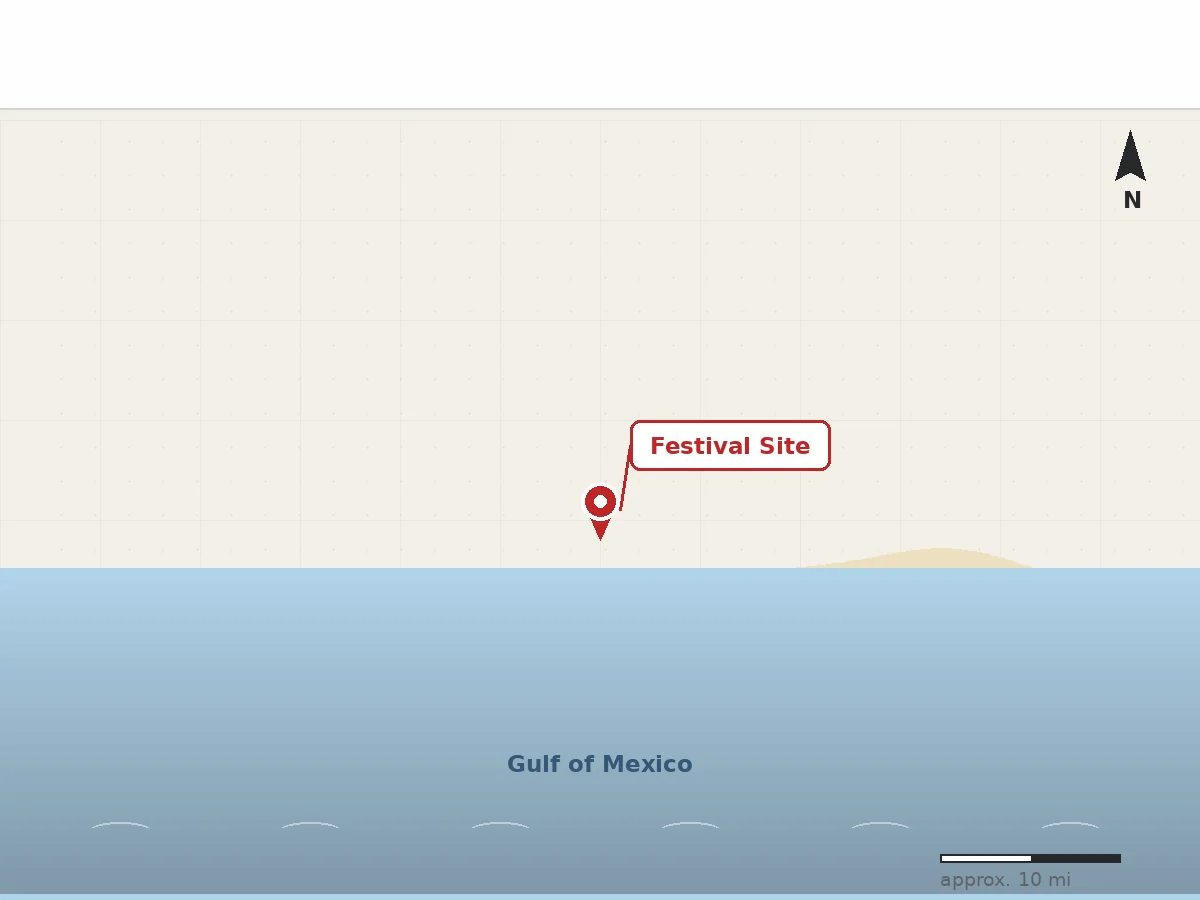
Taste of Chicago is staged in the Cook County area, anchored by downtown Chicago and its lakefront festival spaces.
Taste of Chicago Logistics Questions, Answered
Is Taste of Chicago free to enter?
Admission is typically free, though food, drinks, and some activities cost extra. Because the festival is generally free to enter, you can visit for a short food stop or stay for hours without buying a gate ticket. Budget for what you eat and drink rather than for entry.
How should I budget for food and drinks?
Set a comfortable cap before you arrive, since small portions are designed for sampling and can add up. Decide whether you want to try many small items or a few larger meals. Carry a backup payment method and keep some cash for vendors who may prefer it.
What is the easiest way to reach the festival?
Public transit is usually the simplest choice, especially from downtown hotels or suburban transit stations. If you drive, reserve parking in advance and expect congestion near the lakefront. Rideshare works but may involve walking to a less crowded pickup zone.
Is the festival a good fit for families and older visitors?
Yes, especially earlier in the day. Families will find food options, open space, and occasional children’s programming. Older visitors may prefer quieter morning hours, shaded seating, and a planned exit before the evening concert crowds arrive. Comfortable shoes and hydration matter for all ages.
Looking Ahead to Future Taste of Chicago Seasons
Future Taste of Chicago seasons will likely continue to balance tradition with change. Expect more attention to transit access, waste reduction, and diverse vendor representation, alongside the music and food that define the event. Exact dates, layouts, and lineups will vary, so check official festival communications before booking travel. The constants are likely to remain: a summer lakefront setting, free general admission, and a menu that reflects Cook County’s many communities.
Last updated: October 2026
For anyone willing to plan ahead, Taste of Chicago remains one of the clearest ways to taste the breadth of Cook County in a single visit. Go early, move deliberately, leave room for surprise, and let the county seat’s lakefront do the rest.

One Comment