Cook County Illinois Chicago Jazz Festival
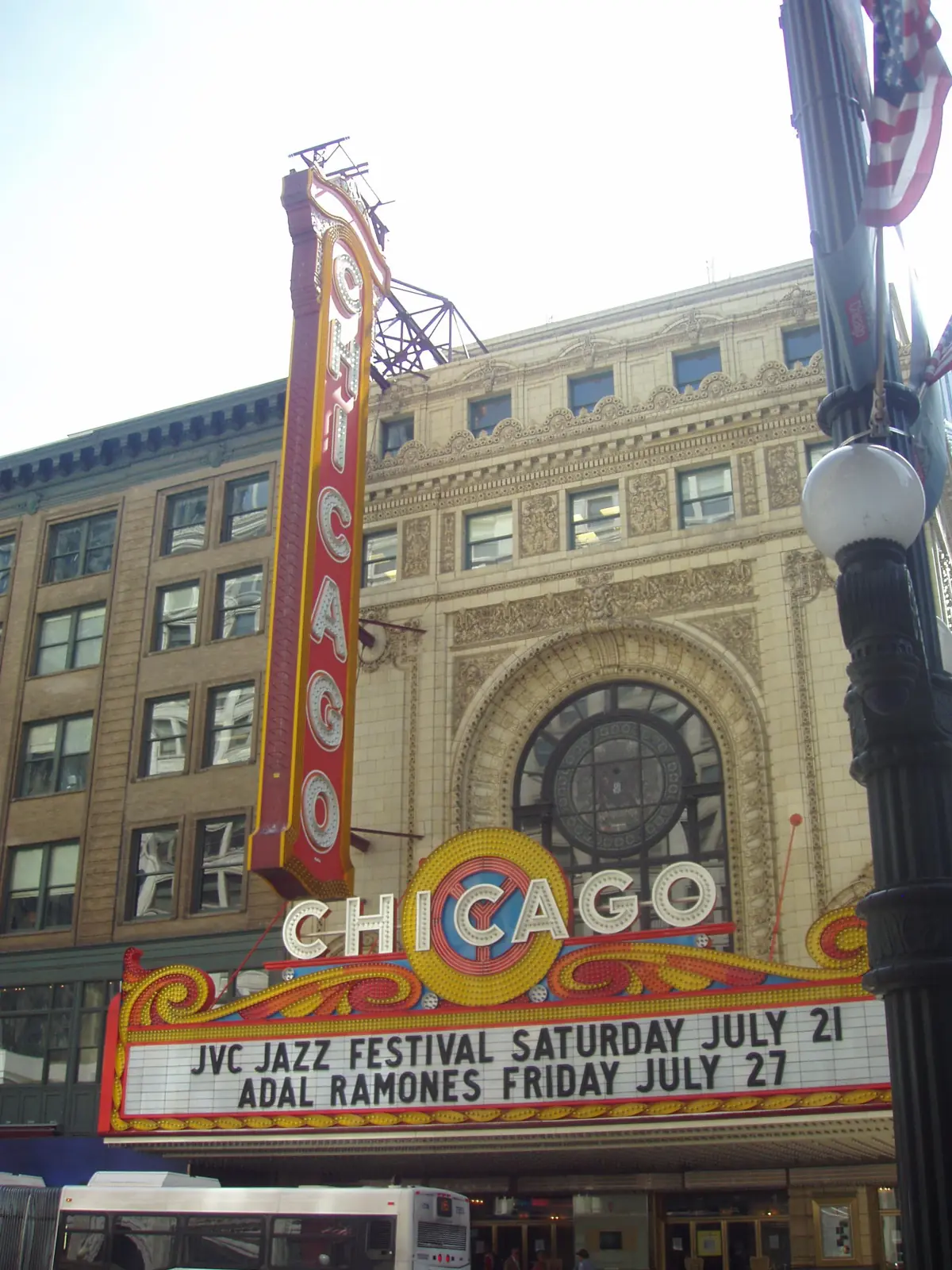
The Okonkwo family leaves their block on Chicago’s Northwest Side with a cooler, four folding chairs, and a running argument about who forgot the sunscreen. By mid-morning they are downtown, claiming a patch of grass near a stage that will not fall quiet again until well after dark. Their two kids have been coming to the Chicago Jazz Festival since they were small enough to nap through a trumpet solo in a stroller. For this family, it is not a concert they attend. It is a day they inhabit, once a summer, in the middle of Cook County, Illinois.
What follows is that kind of day — the rhythm of a family’s festival Saturday, the history behind the music, the logistics of getting there, and the reasons a free jazz weekend has become a fixture for households across the county.
Cook County Jazz Weekend Essentials
| Town / place | Chicago and the wider Cook County area |
| County | Cook County, Illinois |
| County seat | Chicago |
| Population | 5,275,541 |
| Region | Northeastern Illinois / Chicagoland |
| Typical timing | Late summer, usually across a weekend |
| Admission | Typically free for outdoor programming |
| Setting | Downtown Chicago parks and lakefront stages |
| Features | Free jazz stages, local and touring artists, food vendors, family programming |
| Organizer | City and county cultural programming partners |
Free Jazz, Big City: The Shape of the Chicago Jazz Festival
The Chicago Jazz Festival is Cook County’s flagship jazz gathering: a multi-day, largely free program of live music staged in downtown Chicago each late summer. Programming generally stretches across a weekend, with daytime sets, evening headliners, and smaller stages where neighborhood combos share bill space with touring artists.
What separates it from a ticketed concert is its openness. Families drift in and out. Picnics unfold on the grass. The audience is a cross-section of a county that holds 5,275,541 residents across 1,635 square miles, from lakefront high-rises to far western and southern suburbs — and on festival weekend, a visible slice of that population ends up in the same few blocks of downtown.
How Jazz Took Root in Cook County
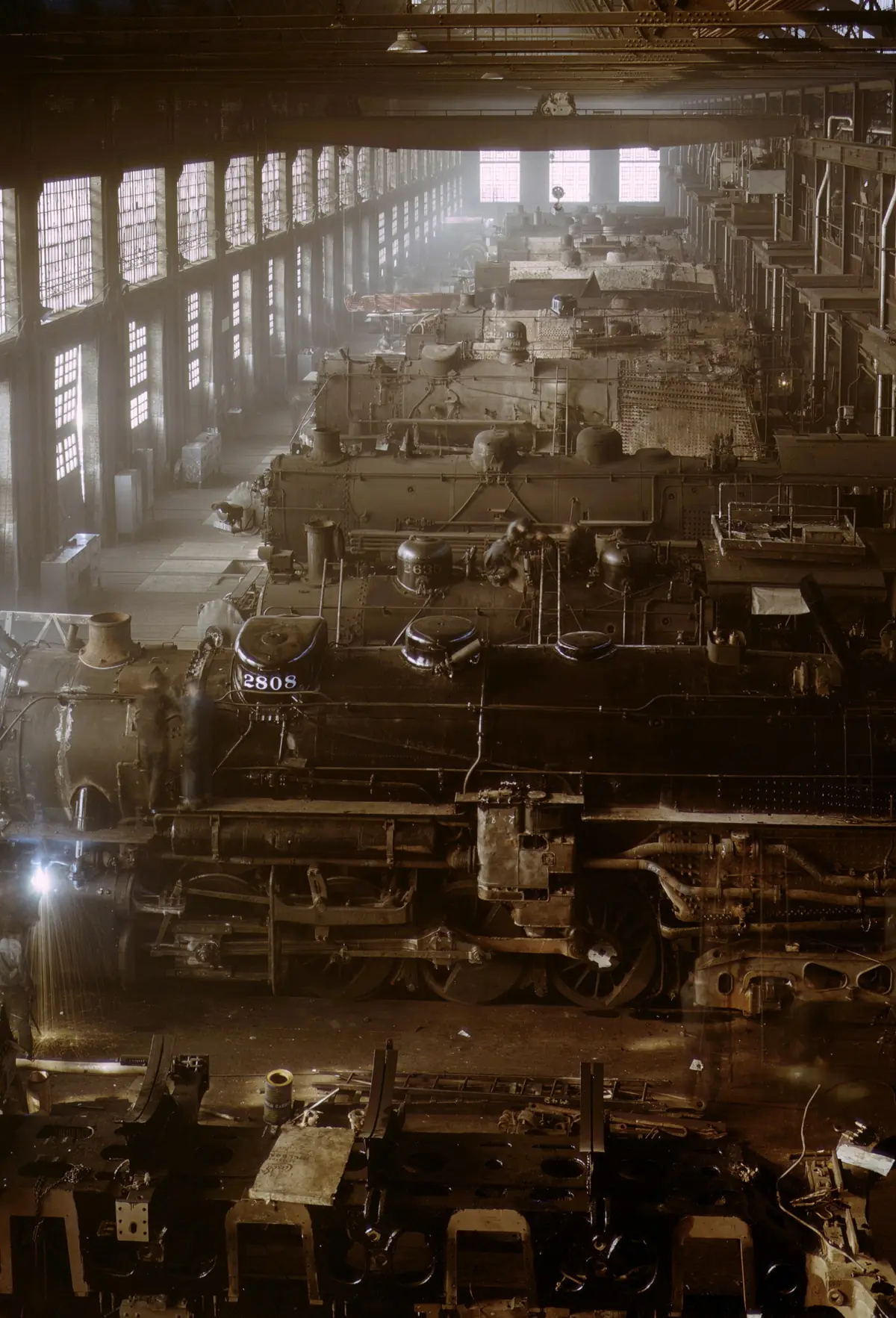
Cook County was named for Daniel Pope Cook, and its seat is Chicago, a city whose identity is inseparable from jazz. The music arrived in force in the early twentieth century, carried north by Black migrants from New Orleans and the Mississippi Delta who settled on the South Side and built a club scene that drew national attention. For decades, Chicago was a place where jazz players came to work, record, and argue about where the music should go next.
For another look at how a community turns its own traditions into a gathering, see the Cook County Illinois Chicago Gospel Music Festival for a useful comparison.
By the late twentieth century, that legacy had become something the city wanted to share rather than simply remember. The Chicago Jazz Festival took shape as a free public event, staged outdoors and open to anyone willing to bring a blanket. Its founding instinct — put jazz in front of people who would never buy a concert ticket — still shapes the programming.
The result is a festival with two personalities. One is the headline stage: polished, loud, packed at dusk. The other is the daytime festival: a suburban high school ensemble playing a shaky but sincere blues, a veteran Chicago bassist holding a small crowd in total silence, a kid tapping a foot for the first time.
The Sound, the Snacks, and the Smallest Fans
Food Vendors and Picnic Culture at the Chicago Jazz Festival
Festival food downtown leans on the staples of any large Cook County gathering: grilled sausages, deep-dish slices, tamales, jerk chicken, funnel cake, and more lemonade stands than seems strictly necessary. Vendors typically line the perimeter of the grounds, so a family can eat without missing a set.
The smarter move is the picnic. Many families arrive with a cooler, a blanket, and food packed at home or picked up from a neighborhood takeout spot on the way in. Outside food is generally part of the culture at free outdoor festivals, though rules can shift from year to year — check before hauling in a full spread. Bring plenty of water.
Multiple Stages, One Long Day of Jazz
Expect a main stage with evening headliners, secondary stages with smaller ensembles, and daytime slots devoted to Chicago-area artists, student groups, and rising players. Sets usually run from late morning into the night, with short gaps that let you move between stages or refill a bottle.
Stylistically the range is wide: New Orleans-influenced jazz, bebop, big band, Latin jazz, soul-jazz, and the avant-garde. If your household has one jazz fan and three skeptics, the daytime sets are the easiest entry point — shorter, more casual, and far less crowded than the evening headliners.
Kid-Friendly Corners and Family Rhythm
Children are a normal sight at the Chicago Jazz Festival, not an exception. Families spread out on the grass, kids dance near the edges of the crowd, and the open layout makes it easy to step away when someone needs a break. Strollers work, though the area near the main stage gets tight.
Plan for shade, sunscreen, and a quiet hour in the middle of the day. The grounds sit in a dense downtown, so when the music stops holding everyone’s attention, a park, fountain, or lakefront path is usually a short walk away.
Planning a Cook County Jazz Weekend with Kids
Getting to Downtown Chicago
Chicago is the county seat and the region’s transit hub, so the easiest approach is usually by train or bus. Rail lines funnel into downtown from across Cook County and beyond, and the festival grounds are walkable from multiple stations. If you drive in from the suburbs, expect traffic and event-day street closures, and build in extra time.
Where to Stay in Cook County
Downtown hotels put you within walking distance of the stages, which matters most if you have small kids or plan to attend more than one day. Staying in a suburb such as Evanston or Oak Park and commuting by train is often cheaper and quieter at night. Book early — late summer is peak season in Chicago.
Parking and Transit Realities
Downtown parking is expensive and limited, and festival weekends make it worse. If you must drive, reserve a garage spot in advance and accept that you will walk. Many families park at a suburban transit station and ride in, which turns parking into a non-issue.
Admission and What a Day Actually Costs
Admission to the Chicago Jazz Festival is typically free, and that openness is central to its identity. Your real spending is transit or parking, food, and whatever you buy from vendors. That combination makes it one of the more affordable full days out a family can have in Cook County.
Late-Summer Weather and What to Wear
Late summer in Chicago means heat, humidity, and the occasional fast-moving storm. Days can stay hot well into the evening, so bring water, hats, and sunscreen, and pack a layer for a cooler night by the lake. Have a rain plan: a poncho, a nearby indoor option, and a willingness to leave early if lightning moves in.
A Sample Jazz Weekend for a Cook County Family
Morning. Leave early, ride the train in, and arrive before the first set you care about. Claim grass near a secondary stage, eat breakfast from a vendor, and let the kids burn off energy before the crowds build.
Midday. Catch a student or local ensemble, then retreat to shade for lunch. This is the hottest and busiest stretch — a good window for a walk, a fountain, or a museum break nearby.
Afternoon. Back to the music. Pick one set everyone agrees on, then split up if you have to; the grounds are small enough to regroup easily.
Evening. Stay for a headliner if the kids can handle it. The crowd thickens, the lights come on, and the sound carries across the park. Many families slip out just before the final set to beat the rush — a trade worth making with tired children.
Next day. Repeat at a slower pace, or spend the morning on a neighborhood breakfast and a lakefront walk before the afternoon sets begin.
Chicago Jazz and Its Cook County Neighbors
Cook County is crowded with summer events, and families have to choose. The Chicago Blues Festival, staged in the same downtown parkland tradition, trades jazz’s range for a narrower, louder focus — electric guitar, harmonica, and a crowd that knows every lyric.
Smaller suburban celebrations in places like Evanston, Oak Park, and Berwyn offer a different scale: shorter days, easier parking, local food, and music that is often free or nearly so. What they rarely match is the depth of the jazz lineup downtown, where touring artists and Chicago veterans share a weekend bill.
For a first visit with kids, the downtown festival wins on spectacle. A suburban street festival wins on ease. Many Cook County families do both across a summer.
Cook County Jazz Day Checklist
Before you go, run through this list: shoes you can stand in for hours; a blanket or low chairs; refillable water bottles; sunscreen and hats; a light rain layer; a portable charger; cash and a card; a downloaded schedule; and a meeting point agreed on in advance in case your group splits.
Leave behind anything you would hate to carry — bulky coolers on hot pavement, glass containers where they are prohibited, and pets if the rules do not allow them. Confirm the current bag policy, outside-food rules, and stage schedule before you travel, since details can change year to year.
Beyond the Stages: Eating and Wandering in Cook County
Downtown is the festival’s setting, but Cook County is far larger than its seat. Families who make a weekend of it often pair the music with the lakefront path, a museum campus visit, or a walk through a neighborhood restaurant district.
The city’s food geography rewards the detour: Italian beef, deep-dish pizza, taquerias in Pilsen and Little Village, West African and Caribbean kitchens on the South and North Sides, dim sum in Chinatown. Outside the city, suburbs like Oak Park, Evanston, and Cicero offer their own architecture, bakeries, and small venues — an easy add-on if you are staying outside downtown and riding the train in.
What a Free Jazz Festival Means to Cook County
A free jazz festival in a county of 5,275,541 people does something a ticketed concert cannot. It puts a music with deep Chicago roots in front of anyone who happens to be downtown — office workers on a lunch break, teenagers, grandparents, families who came for one set and stayed for four.
The festival also works as a stage for the local scene. Student ensembles from Cook County schools share programming with professionals, and Chicago-based musicians get a large, attentive audience a club gig cannot provide. That mix keeps the lineage visible: the club era that made the city famous, the teaching pipeline that sustains it now, and the listeners who will carry it forward.
For families, the payoff is simpler. A kid who spends an afternoon watching a bassist up close may pick up an instrument. A parent who came for the picnic may leave with a new favorite record. The festival’s real product is that kind of exposure — free, unforced, and repeated every year.
Where the Chicago Jazz Festival Sits in Cook County
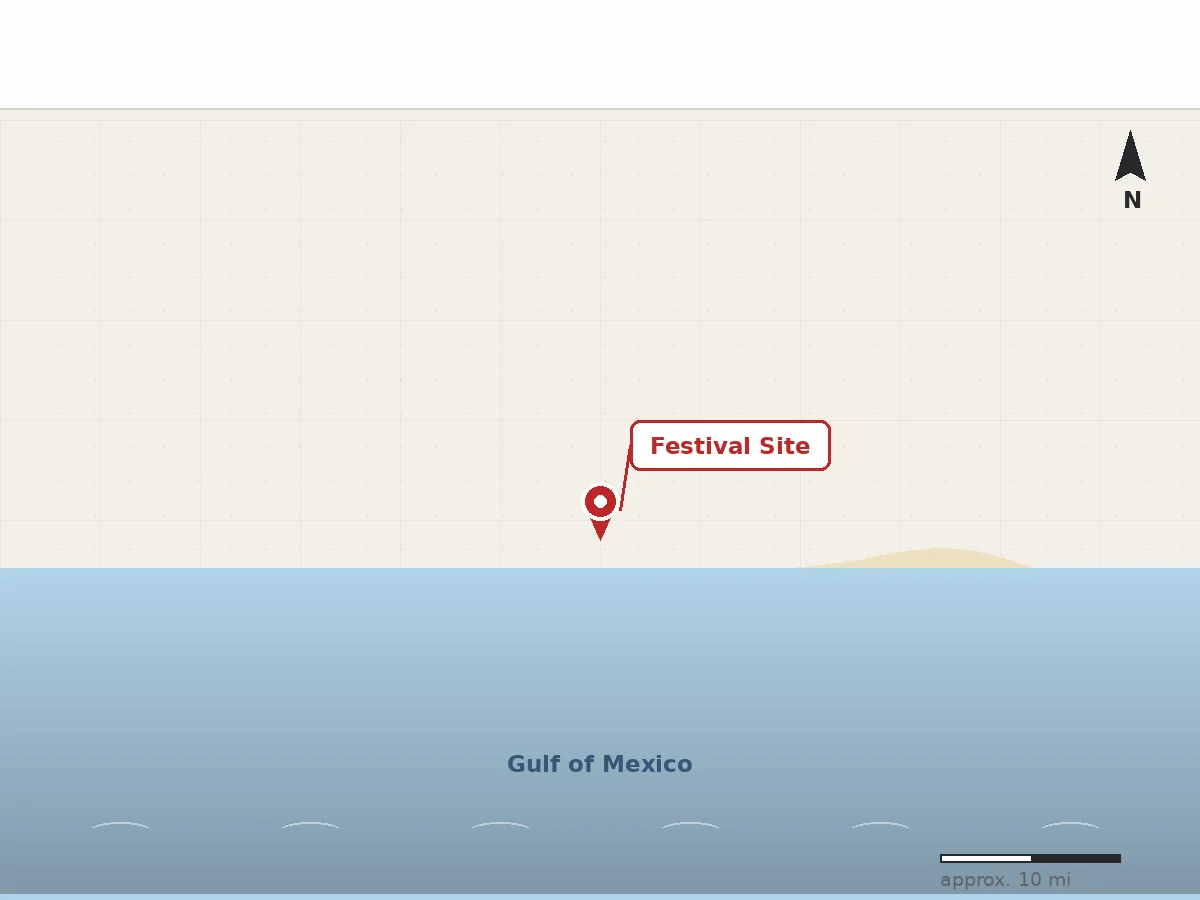
Festival programming is staged in downtown Chicago, the seat of Cook County, in the parks and lakefront spaces at the center of the city.
Jazz Festival Basics Families Ask About
Is the Chicago Jazz Festival free to attend?
Typically, yes. The festival’s outdoor programming has long been built around free admission, which is why it draws such a broad cross-section of Cook County. Food, travel, and vendor purchases are the main costs. Because details can change, confirm current admission and any separately ticketed elements before you plan your day.
Where do the stages sit in Chicago?
Programming is centered in downtown Chicago, in the park and lakefront spaces at the heart of the city. Because Cook County’s seat is Chicago and the grounds sit within the downtown core, most attendees reach the stages by train, bus, or on foot from a nearby hotel.
Is it a good outing for young children?
Generally, yes. The grounds are open-air, the atmosphere is relaxed, and families routinely bring blankets, snacks, and strollers. Crowds thicken near the main stage in the evening, so daytime sets are easier with small kids. Bring hearing protection for very young children and plan your exit before the busiest hour.
How should families plan around the weather?
Late summer in Chicago can be hot and humid, with sudden storms. Dress in light layers, carry water and rain gear, and keep an indoor backup plan within walking distance. If severe weather is forecast, check official updates before traveling downtown.
Looking Ahead to Future Chicago Jazz Weekends
The festival’s future is tied to the health of the city’s music ecosystem — its clubs, its school band programs, and its audiences. Free public programming is expensive to produce, and the event depends on public and private support to keep stages open and admission low.
What seems likely to continue is the format families value: multiple stages, a mix of local and touring artists, and a downtown setting that makes the music accessible without a ticket. As Cook County’s population changes, so will the audience — and, ideally, the lineup, with more Latin jazz, gospel-influenced groups, and younger bandleaders sharing the bill.
For now, the best way to support it is to show up, bring someone who has never been, and buy something from a vendor.
Last updated: October 2026
Back on the grass, the Okonkwos will pack up slowly, one chair at a time, arguing about which set was best. The kids will be tired and slightly sunburned. Somewhere on the walk back to the train, someone will hum a phrase they heard that afternoon and not quite be able to place it. That is how a festival becomes a family tradition in Cook County — not in a single headline set, but in a long day that ends with everyone already planning the next one.
One Comment