Jefferson Parish Louisiana Jefferson Parish Fair Festival
Jefferson Parish stretches across 665 square miles of southeast Louisiana, from the west bank of the Mississippi River out toward the coastal marshes, and the Jefferson Parish Fair is one of the most recognisable dates on its community calendar. The parish was founded on February 11, 1825, and its seat sits in Gretna, directly across the river from New Orleans. By the 2020 census, 440,781 people called Jefferson Parish home — a population spread across river towns, suburban corridors and everything in between.
This is a practical guide for the visitor rather than the historian. It covers what the fair is, what a day there tends to look like, how to plan around traffic, heat and rain, and what else is worth seeing in the parish once the midway lights go down. Where a detail changes from year to year, the guide says so plainly instead of guessing.
Jefferson Parish Fair Basics for First-Time Visitors
The essentials below are the ones worth knowing before you plan a trip. Anything that shifts annually is flagged as such.
| Festival | Jefferson Parish Fair |
| Location | Jefferson Parish area, Louisiana, on the west bank of the Mississippi near Gretna |
| County seat | Gretna |
| Population | 440,781 (2020 census) |
| Parish land area | 665 square miles |
| Parish founded | February 11, 1825 |
| Region | Southeast Louisiana, Greater New Orleans metro |
| Typical timing | Annual multi-day run, usually over a weekend; confirm the current year’s schedule |
| Admission | Free general entry in most years; rides, food and games are pay-as-you-go |
| Organiser | Local community volunteers and parish-area groups |
What the Jefferson Parish Fair Actually Is
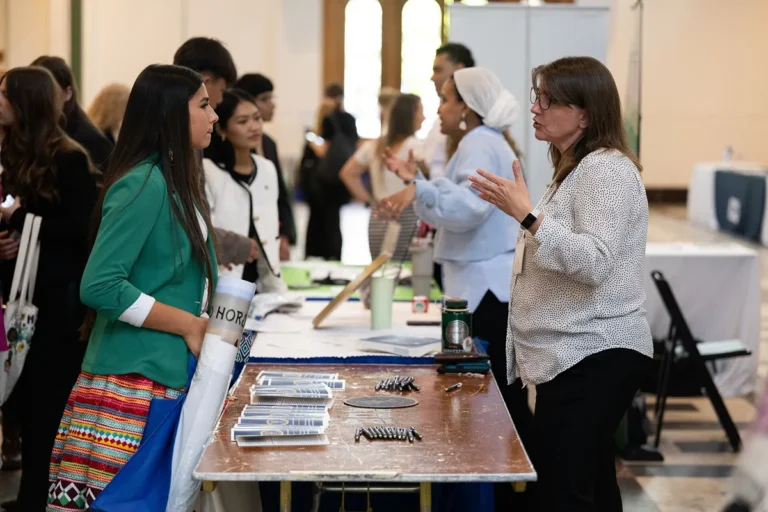
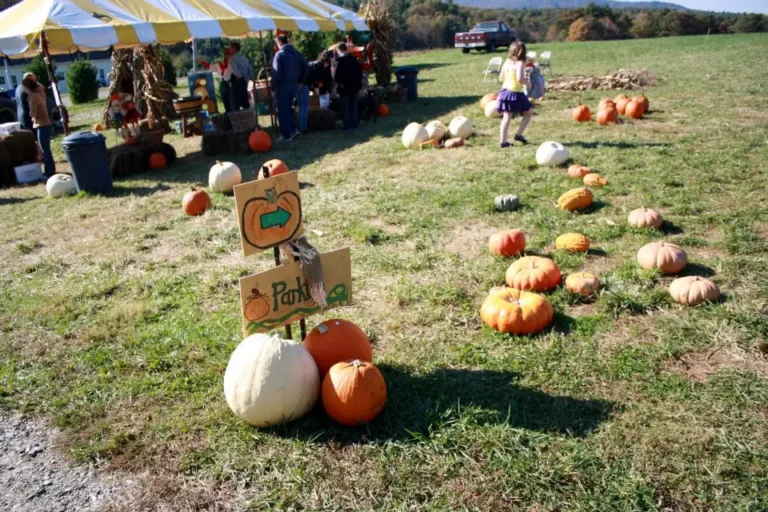
The Jefferson Parish Fair is a community fair in the classic Louisiana parish tradition: an outdoor gathering with a midway, food stalls, live entertainment and exhibit space where local groups, schools and clubs show what they have been working on. It is not a ticketed arena event and it is not a single-evening concert. It is the kind of fair you wander into, eat your way through and leave with a paper plate in one hand and a stuffed animal in the other.
The crowd reflects the parish itself. Jefferson Parish runs from Gretna and Marrero to Harvey, Westwego and Jean Lafitte on the west bank, and across to Metairie and Kenner on the east. Families arrive in the late afternoon, teenagers claim the rides, and older residents tend to settle near the food and the music. Because the parish is so large and so suburban, the fair works as a rare meeting point — a place where people from different ends of the same parish actually run into each other.
Expect a relaxed dress code, cash-friendly vendors, and a schedule that leans heavily on the weekend. If you are coming from New Orleans or further afield, treat it as a half-day or full-day outing rather than a quick stop.

Two Centuries of Parish Life Behind the Jefferson Parish Fair
Jefferson Parish was created on February 11, 1825, carved out of land along the Mississippi as the sugar, shipping and river trade economy expanded downstream of New Orleans. Gretna became the parish seat, and the communities that grew along the river — Gretna, McDonoghville, Harvey, Marrero, Westwego — developed around the water, the railroad and the jobs that came with them.
Public fairs in Louisiana grew out of the agricultural exhibition tradition, where parishes gathered growers, livestock breeders and craftspeople in one place to compare notes and celebrate a season’s work. The Jefferson Parish Fair carries that lineage into the present. As the parish suburbanised through the twentieth century — Metairie and Kenner filling in on the east bank, the west bank communities thickening along the expressway — the fair shifted from a purely agricultural showcase into a broader community festival.
What has not changed is the purpose. A parish of 440,781 people, spread across 665 square miles, does not gather by accident. The fair is one of the few annual occasions that pulls all of it toward one patch of ground at the same time.
On the Ground at the Jefferson Parish Fair
Fair Food With a Louisiana Accent
Food is the centre of gravity at any Louisiana fair, and this one is no exception. Expect the standard midway lineup — funnel cake, corn dogs, cotton candy, snowballs — alongside local favourites that reflect the surrounding parish: seafood plates, gumbo, po-boys, jambalaya and sweet treats from church and civic groups. Vendor rosters rotate, so the exact stalls change year to year, but the pattern holds: walk the full loop once before you buy, because the best plate is rarely at the first stand you pass.
Stages, Bands and Local Entertainment
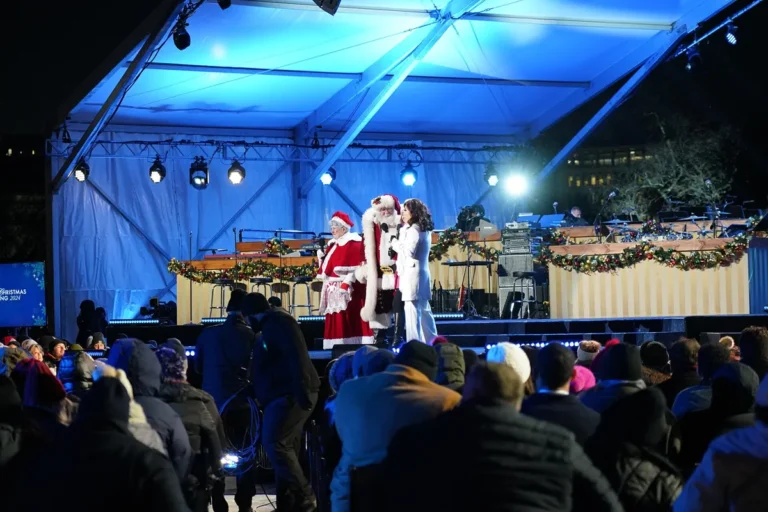
Live music is a fixture, with local and regional acts covering the range you would expect in southeast Louisiana — brass, zydeco, swamp pop, rock and country. Sets are usually spread across the afternoon and evening, so the fair tends to build in energy as the day goes on. Beyond the main stage, look for smaller performance spots, school groups, dance troupes and demonstration areas. Schedules are posted on site and change annually.
Family Activities and Kid-Friendly Zones
The midway is the obvious draw for children, with rides ranging from gentle kiddie circuits to the taller, faster machines that appeal to teenagers. Alongside the rides, fairs of this type typically run games of skill, face painting, craft and livestock exhibits, and community booths run by local organisations. Strollers handle the grounds well, but the surface is often grass or gravel, so plan footwear accordingly. If you have very small children, an early-afternoon arrival beats the evening crush.
Planning Your Trip to Jefferson Parish
Getting There From New Orleans and Beyond
Jefferson Parish sits immediately west and south of New Orleans, connected by the Crescent City Connection, the West Bank Expressway and a network of parish roads. If you are driving in from out of town, the west bank communities around Gretna, Harvey and Marrero are the most direct approach. Rideshare drop-offs work well if you plan a specific pickup point away from the main gate, since congestion near the entrance is the slowest part of any fair evening.
Where to Stay Near the Fairgrounds
Most visitors stay in the wider New Orleans metro area, which offers the deepest choice of hotels, from Gretna and Harvey on the west bank to Metairie, Kenner and downtown New Orleans. Staying on the west bank keeps your drive short; staying in New Orleans gives you restaurants, music clubs and riverfront walks within walking distance of your room. Book early if your visit coincides with a major regional festival, because the metro fills up quickly in those windows.
Parking and Traffic on Fair Weekend
Parking is typically on-site or in nearby lots, and it is the single biggest variable in how pleasant your visit feels. Arrive before the dinner rush, carpool if you can, and expect to walk a few blocks from the outer lots. Keep a mental note of your row or a pin on your phone map — fairground lots all look alike after dark.
Admission, Costs and Cash
General admission to the fair is typically free, with individual rides, games, food and drinks priced separately. That model means your total spend is entirely up to you: a family can keep it modest by packing a picnic for the car and limiting rides, or go all in on wristbands and food. Bring some cash even though many vendors take cards, and set a rough budget for the kids before you walk through the gate rather than negotiating at every booth.
Weather and What to Wear in Southeast Louisiana
This is south Louisiana: heat, humidity and afternoon thunderstorms are part of the deal for much of the year, and mild, damp evenings are common in the cooler months. Dress in light layers, wear closed shoes you do not mind getting dusty, and carry water. A poncho beats an umbrella in a crowd. If rain is in the forecast, plan around the radar rather than cancelling — fairgrounds usually reopen once a squall passes.
A Sample Fair Weekend in Jefferson Parish
Friday afternoon. Check into a west bank or Metairie hotel, then drive over early to beat the evening rush. Use the first hour to walk the grounds without buying anything, get your bearings and note which food stalls have the longest local queues.
Friday evening. Eat dinner at the fair, catch the first live set, and let the kids loose on the rides while the lines are still short. Leave before the final act if you want an easy exit from the parking area.
Saturday morning. Head into Gretna or another parish community for a slow breakfast and a look at the historic riverfront blocks, then return to the fair around midday when the exhibits and community booths are staffed.
Saturday afternoon and evening. This is peak fair time: longest food lines, biggest music crowds, best atmosphere. Claim a spot near a stage, graze your way through the stalls, and stay for the headline set.
Sunday. Come back for a quieter pass — ride the midway, pick up anything you missed, and finish with a late lunch somewhere in the parish before heading home.
How the Jefferson Parish Fair Compares With Nearby Festivals
The Gretna Heritage Festival fills the historic downtown streets of Gretna with music stages and food booths, and it feels more like a street festival than a fairground. The Jefferson Parish Fair, by contrast, is built around an open site with a midway, which makes it easier for families with children who want rides alongside the food and music.
The New Orleans Jazz & Heritage Festival, held across two spring weekends at the Fair Grounds, is a much larger, ticketed, nationally known event with a fixed lineup and a serious budget. The parish fair is smaller, looser and free to enter — a neighbourhood-scale alternative that costs far less and demands far less planning.
For a third option, look to the smaller community celebrations in towns such as Westwego, Marrero and Jean Lafitte, which trade scale for intimacy. If you are choosing between them, pick the parish fair for the midway and the mix, and the town events for a shorter, quieter evening.
Packing and Prep List for a Jefferson Parish Fair Weekend
Cash in small bills, plus one card as backup. Sunscreen, insect repellent and a refillable water bottle. Closed shoes, not sandals. A light rain poncho. A phone battery pack. A tote bag for prizes and leftovers. A photo of your parking spot or a pinned map location. A preset spending limit for rides. A confirmed look at the current year’s schedule before you leave the house.
Beyond the Fairgrounds: What Else to See in Jefferson Parish
Jefferson Parish rewards a slower look. Gretna’s historic district along the river holds the parish’s oldest streets and the seat of local government. Westwego and Jean Lafitte sit at the edge of the coastal wetlands, where seafood houses and boat launches reflect a working water economy that predates the suburbs. Metairie and Kenner, on the east bank, offer the parish’s largest concentration of restaurants and shopping.
Nature lovers should head toward the Barataria basin, where the Jean Lafitte National Historical Park and Preserve protects a swath of Louisiana wetland. And because New Orleans is directly across the river, a fair weekend can easily become a two-part trip: one day at the fair, one day in the city.
Why Jefferson Parish Keeps Showing Up for Its Fair
A parish of 440,781 people and 665 square miles does not share much by default. Residents commute in different directions, shop in different corridors and send their children to different schools. The fair creates a single point of contact — a place where volunteer groups raise money, local musicians get a stage, and neighbours who rarely cross paths end up standing in the same food line.
That is the real function of a parish fair. It is civic infrastructure dressed up as entertainment, and it only works because people keep showing up.
Where the Jefferson Parish Fair Sits in the Parish
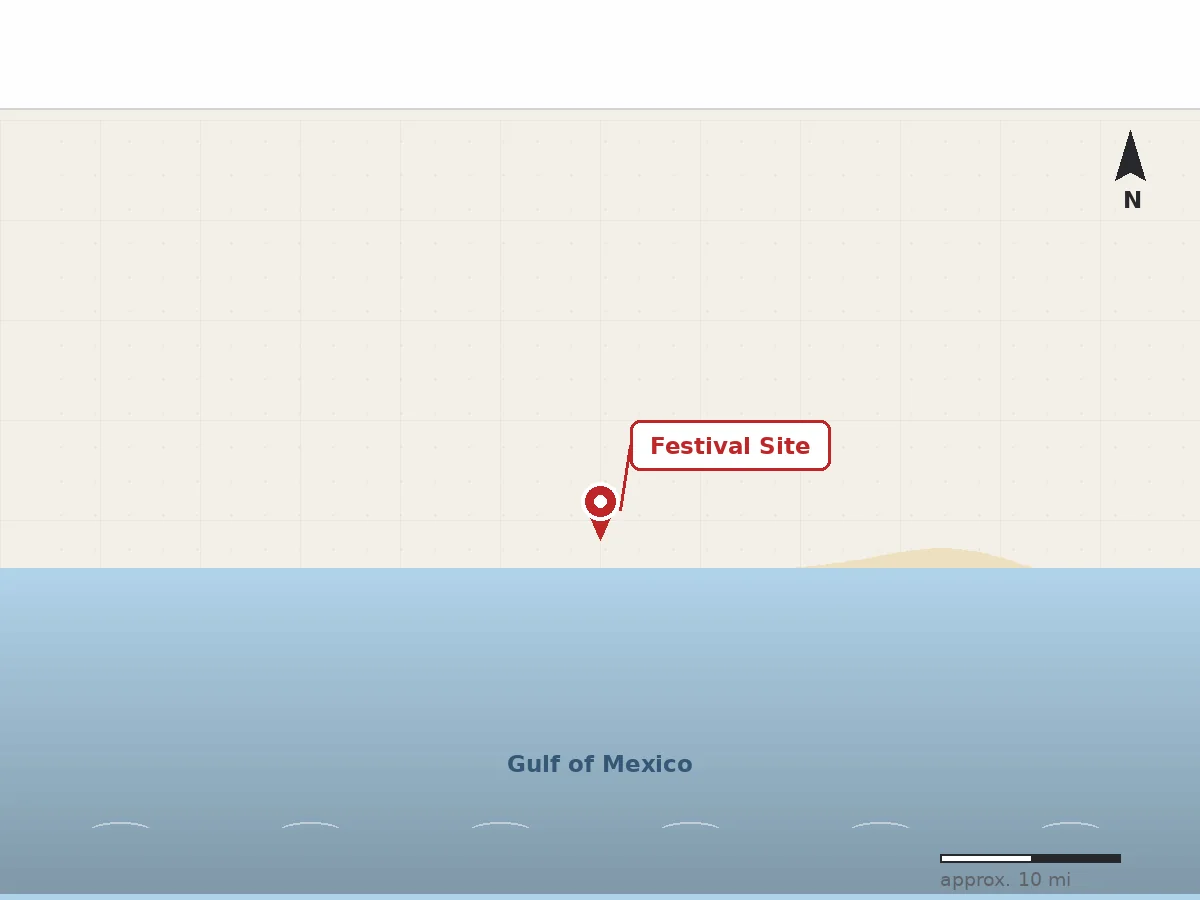
The fair takes place in the Jefferson Parish area of southeast Louisiana, on the west bank of the Mississippi River near the parish seat of Gretna, roughly a short drive from downtown New Orleans.
Jefferson Parish Fair: Answers for First-Timers
When does the Jefferson Parish Fair usually take place?
It is an annual event that generally runs over a weekend or a multi-day stretch, and the exact dates shift from year to year. Confirm the current schedule through the parish and local community channels before you make travel plans.
Is there an admission charge to get in?
General entry is typically free in most years. Individual rides, games, food and drinks are sold separately, so your total cost depends on how much you buy once you are inside.
Is the fair suitable for young children?
Yes. The midway usually includes rides sized for small children, and the grounds feature family-oriented attractions, games and exhibits. An afternoon visit is calmer and easier to manage than the evening peak.
How should I plan around traffic and parking?
Arrive before the dinner rush, carpool when possible, and be prepared to walk from an outer lot. If you can, use a rideshare with a designated pickup point a short distance from the main gate.
What’s Ahead for Future Jefferson Parish Fair Seasons
Community fairs across southeast Louisiana face the same pressures: rising insurance and operating costs, volunteer shortages and competition for the family entertainment dollar. The Jefferson Parish Fair’s advantage is that it is free to enter and rooted in a parish of 440,781 people, which gives it a wide base to draw volunteers, vendors and sponsors from.
Expect future editions to lean harder on local food vendors, regional musical acts and family-friendly daytime programming, with more communication moving online. The core format — midway, music, food and community exhibits on an open site near Gretna — is likely to hold.
Last updated: October 2026
Whether you come for the rides, the food or simply to see how a parish this size manages to gather in one place, the Jefferson Parish Fair is best approached without a rigid plan. Arrive early, eat well, talk to the volunteers at the booths, and leave a little room for the drive home.