Christian County Kentucky Trail of Tears Pow Wow Festival
Each September, drums carry across the grounds of Trail of Tears Commemorative Park in Hopkinsville, and dancers in full regalia circle into the arena for one of Kentucky’s longest documented intertribal gatherings. Local news layers, the park’s own site and a national pow wow calendar layer all record the event under the name Trail of Tears Pow Wow, while a syndicated travel news layer prints a longer variant, Trail of Tears Intertribal Pow Wow. Those two forms are kept side by side throughout this article, exactly as their sources give them, because no layer read adds the word Festival to the gathering’s name. What the record does supply is unusually full: two consecutive editions described hour by hour, admission figures quoted year by year, a contest programme with a substantial prize pool, and a host site whose own history gives the weekend a weight that an ordinary fairground cannot match.
About the Gathering
Hopkinsville, the host town, is the county seat of Christian County, a status an encyclopedia reference layer confirms. The venue needs no searching out, since every layer points to the same place: Trail of Tears Commemorative Park, within the town. The park’s own site describes the ground as a documented Cherokee encampment site from the removal era, and it holds the graves of two Cherokee chiefs, Whitepath and Fly Smith, whose burials anchor the site in that history. Against that backdrop, the park’s own site states plainly that the Trail of Tears Commission sponsors an intertribal Pow Wow at the park. A local news layer, quoting the park’s position, names the sponsoring body in fuller form as the Trail of Tears Commission, Inc., and credits that commission with developing the idea of the pow wow in the first place. The park’s own site also fixes the gathering’s place in the calendar, describing its standing slot as the first full weekend after Labor Day, a pattern both recently documented editions follow.
Quick Facts
| Detail | What the record shows |
| Published name | Trail of Tears Pow Wow |
| Longer published form | Trail of Tears Intertribal Pow Wow, in a syndicated travel news layer |
| Host town | Hopkinsville, county seat of Christian County, Kentucky |
| Venue | Trail of Tears Commemorative Park |
| Sponsor | The Trail of Tears Commission, named in full as Trail of Tears Commission, Inc. |
| Standing timing | The first full weekend after Labor Day |
| Most recent documented edition | The 39th Annual, held in September two thousand twenty six |
| Earlier documented edition | The 38th Annual, held in September two thousand twenty five |
| Admission in the two thousand twenty six preview | Ten dollars per adult, five dollars for kids, ages six and under free |
| Ground’s distinction | Documented Cherokee encampment site holding the graves of Chiefs Whitepath and Fly Smith |
History
The origins the layers give are commemorative rather than commercial. A local news layer, citing the park’s own site, reports that the Trail of Tears Commission, Inc. developed the idea for the pow wow to commemorate, in nineteen eighty eight, the 150th anniversary of the Cherokee removal. That single sentence is the whole of the documented founding story: an anniversary, a commission, and a decision to mark a forced migration with a gathering on ground the removal itself had touched. The park’s setting deepens the point, because the encampment site and the two chiefs’ graves mean the commemoration happens where part of the remembered journey unfolded. Beyond that account, the layers offer edition numbers rather than a dated first gathering. Local news layers bill the September two thousand twenty five gathering as the 38th Annual and the September two thousand twenty six gathering as the 39th Annual. Those billings are reproduced here as billings only; they are not converted into a founding year, and no layer read states a separate year of origin for the pow wow itself. The sequence does, however, show continuity across the two most recent Septembers, with programmes, admission terms and contest structures documented afresh each year rather than copied from an older template.
What to Expect
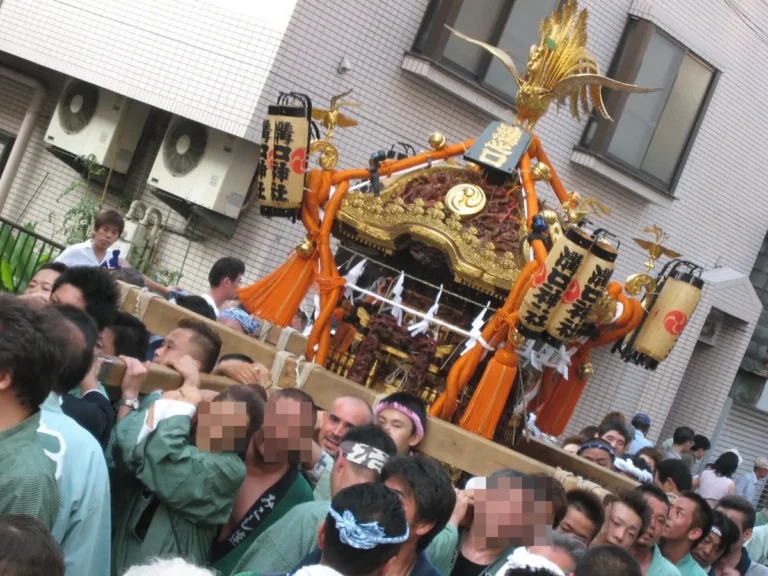
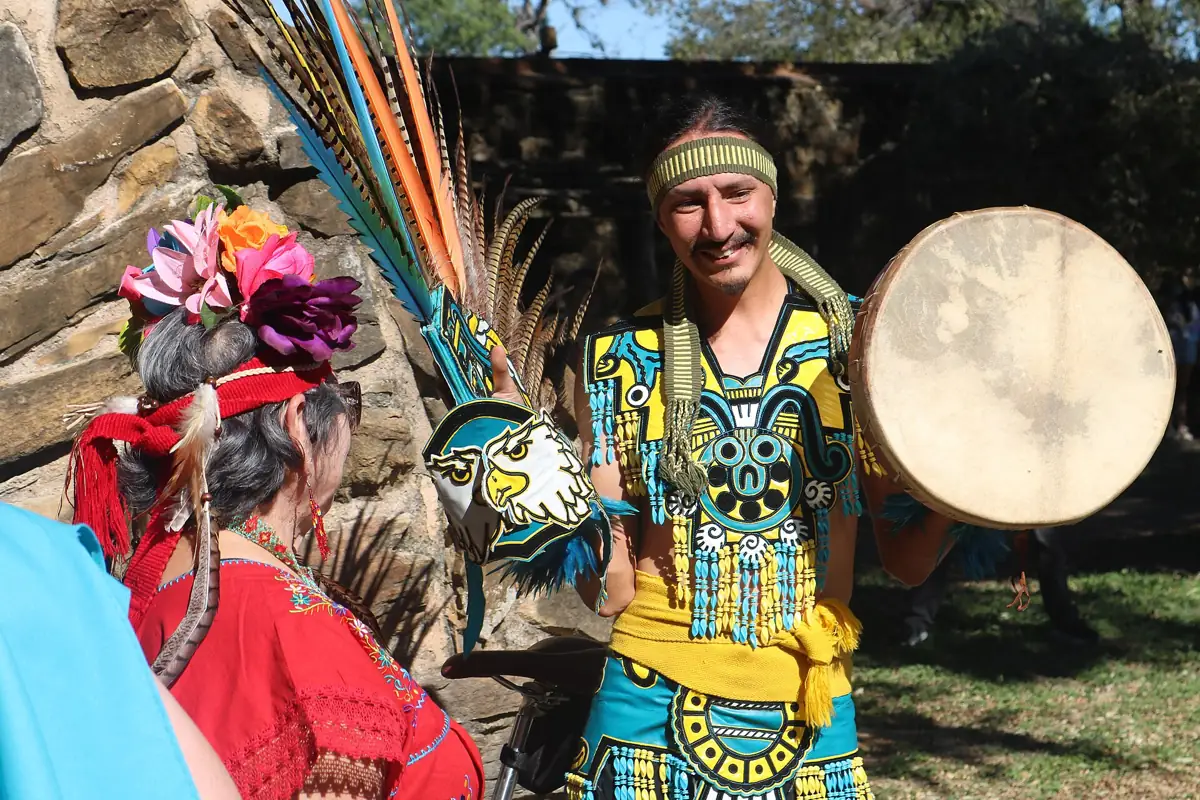
Drums and ceremony structure the weekend, beginning with the grand entries that open each day’s dancing. The two thousand twenty five weekend guide describes grand entries at one in the afternoon on both days, with an additional Saturday evening session, while the two thousand twenty six report keeps the one in the afternoon entries and adds a further entry at six in the evening on Saturday. Around those anchor moments, competition fills the arena. News layers describe competitive traditional dance and music categories running from Tiny Tot through to Golden Age, with cash prizes totalling over twenty five thousand dollars across the contests. Dance and drum contests appear in both years’ accounts, and intertribal dancing opens the circle beyond the registered competitors. Flute playing and storytelling hold their own scheduled place: the two thousand twenty five guide lists both, and the two thousand twenty six report sets them from half past four to half past five on Saturday afternoon. Food and craft vendors trade around the grounds, and the two thousand twenty six report records a veterans and emergency responders honour woven into the first grand entry, tying the ceremony to present day service as well as to remembrance. An awards ceremony on Sunday at four in the afternoon closes the two thousand twenty six account.
Planning Your Visit
Admission terms are worth reading year by year, because the two documented layers phrase the child concessions differently. The two thousand twenty five guide states ten dollars for adults, five dollars for ages seven to twelve, and free entry for kids six and under, with free parking noted as well. The two thousand twenty six preview states ten dollars per adult and five dollars for kids, again with ages six and under free, but it phrases the child band simply as kids rather than naming ages seven to twelve, and it makes no mention of parking. The adult figure agrees across both years; the child wording is left exactly as each layer prints it, and travellers with children near the boundary ages would be wise to check the current year’s terms before setting out. Timing follows the pattern the park’s own site describes, the first full weekend after Labor Day, which placed the documented editions on the sixth and seventh of September in two thousand twenty five and on the twelfth and thirteenth of September in two thousand twenty six. Saturday runs longest, with the evening grand entry extending the day in two thousand twenty six, so anyone choosing a single day gets the fullest programme on the Saturday. The park’s own site and the local news layers print contact routes for the event, and those channels are the sensible place to confirm the coming year’s details.
For a useful comparison, see the Butler County Kentucky Green River Catfish Festival for another county festival.
A Sample Pow Wow Weekend
Drawing only on the documented two thousand twenty six schedule, a Saturday might begin with arrival at the park in good time to walk the grounds and visit the graves of Chiefs Whitepath and Fly Smith before the arena fills. The first grand entry follows at one in the afternoon, bringing the dancers in and carrying the veterans and emergency responders honour recorded that year. Early afternoon leaves room for the contest sessions and the food and craft vendor rows, then the flute playing and storytelling take over from half past four to half past five. A second grand entry at six in the evening rounds out the day. Sunday, on the same account, centres on the one in the afternoon grand entry, further dancing, and the awards ceremony at four in the afternoon, when the contest results are settled. Anyone following the two thousand twenty five guide instead would find the same skeleton: afternoon grand entries on both days, a Saturday evening session, and storytelling and flute playing fitted between the contests.
How This Gathering Differs
Set beside a typical county festival, the documented character of this weekend stands apart in several ways. Its centre of gravity is a contest arena and a ceremonial circle rather than a midway, and the prize pool the news layers report, over twenty five thousand dollars spread across dance and music categories from Tiny Tot to Golden Age, signals serious competition rather than casual exhibition. Its venue is not a neutral field but a documented encampment site with marked graves, so remembrance is built into the geography of the day. Its programme also binds generations together: the youngest category and the oldest category share the same arena, and storytelling sits in the printed schedule beside the drum contests. Even the honours reach in two directions at once, since the two thousand twenty six report pairs commemoration of the removal with recognition of veterans and emergency responders during the first grand entry. Few gatherings in the county calendar carry that combination of competition, ceremony and memorial purpose in a single weekend.
A Visitor Checklist
- Confirm the coming year’s dates against the park’s own announcements before travelling
- Carry cash for the admission gate, ten dollars per adult under the two thousand twenty six preview
- Check the current child admission wording if your party includes children near the stated age bands
- Arrive before one in the afternoon to see a grand entry from the start
- Allow quiet time at the graves of Chiefs Whitepath and Fly Smith
- Stay for the Saturday flute playing and storytelling session in the late afternoon
- Plan to remain for the Saturday evening grand entry where the schedule includes one
- Browse the food and craft vendor rows between contest sessions
- Be present for the Sunday awards ceremony if you follow the contests through
- Dress for a full day outdoors on park ground in September
Beyond the Arena
The pow wow occupies a park that repays attention in its own right, quite apart from the dancing. The park’s own site presents the ground as a documented Cherokee encampment site, and the graves of Whitepath and Fly Smith give visitors a fixed point around which the removal story can be understood. A visit that allows time before or after the arena sessions can take in that quieter dimension of the place, reading the site as the commission that sponsors the pow wow intends it to be read: as memorial ground first and event space second. Hopkinsville itself, as the Christian County seat, provides the practical base for the trip, and the park’s own published contact routes serve anyone wanting to learn more about the grounds outside the festival weekend.
Why the Gathering Matters
The significance of the pow wow lies in the joining of its parts. A commemoration conceived for the 150th anniversary of the Cherokee removal continues, on the billings the news layers print, as the 38th Annual and then the 39th Annual gathering, which suggests a remembrance that a community has chosen to keep rather than let lapse. The competitive programme gives that remembrance living form: dancers from Tiny Tot to Golden Age contest serious prizes, drummers and flute players perform, and storytellers hold a scheduled place, so the culture being honoured is practised in the present tense rather than merely described. The setting completes the circle, because all of it unfolds on a documented encampment site where two chiefs lie buried. Add the honour paid to veterans and emergency responders in the two thousand twenty six first grand entry, and the weekend reads as an act of memory that also recognises service in the current day.
Frequently Asked Questions
What unfolds during a grand entry at the Hopkinsville pow wow?
The grand entries are the ceremonial openings of each day’s dancing, documented at one in the afternoon on both days in each of the two recent editions. The two thousand twenty six report describes a veterans and emergency responders honour carried within the first grand entry, and that year’s Saturday added a further entry at six in the evening.
How are the contest categories arranged across the ages?
News layers describe competitive traditional dance and music categories running from Tiny Tot at the youngest end through to Golden Age at the oldest, with cash prizes totalling over twenty five thousand dollars across the contests. Dance and drum contests feature in both the two thousand twenty five and two thousand twenty six accounts.
What admission figures did the two recent years’ layers print?
The figures agree on ten dollars for adults in both years. For children, the two thousand twenty five guide gives five dollars for ages seven to twelve with free entry at six and under and free parking, while the two thousand twenty six preview gives five dollars for kids with ages six and under free, without the detailed age band or a parking note.
Why does the gathering meet on these particular grounds?
The park’s own site identifies the ground as a documented Cherokee encampment site holding the graves of Chiefs Whitepath and Fly Smith. A local news layer, citing the park’s own site, adds that the commission developed the pow wow to commemorate the 150th anniversary of the Cherokee removal in nineteen eighty eight.
What to Expect From the Next Christian County Kentucky Trail of Tears Pow Wow Festival
How often is Christian County Kentucky Trail of Tears Pow Wow Festival held?
The park’s own site describes a standing slot, the first full weekend after Labor Day, and local news layers bill the documented editions as the 38th Annual and the 39th Annual in successive Septembers. The record therefore shows a yearly rhythm anchored to that early September weekend.
When is the next Christian County Kentucky Trail of Tears Pow Wow Festival?
No layer read prints a specific date for the next edition. Following the pattern the park’s own site states, the gathering would fall on the first full weekend after Labor Day, and the park’s own announcements and the local news layers are the channels that publish the confirmed dates each year.
Will the dates change?
The two documented editions both sit on the first full weekend after Labor Day, the sixth and seventh of September in two thousand twenty five and the twelfth and thirteenth of September in two thousand twenty six, so the calendar rule has held steady even as the exact dates shift with the year. Nothing in the record signals a move away from that weekend, though confirmation always rests with the park’s own announcements.
Closing Thoughts
For a visitor, the Trail of Tears Pow Wow offers a September weekend where competition, music and memory share one circle of ground. The documented record is strong: named name forms kept as their sources print them, two editions described in detail, admission quoted by year, and a setting whose history explains why the gathering exists at all. Anyone travelling to Hopkinsville for it should confirm the current year’s terms through the park’s own channels, arrive in time for a grand entry, and leave space in the day for the quieter ground beyond the arena, where the reason for the weekend is written most plainly.