Cassia County Idaho Cassia County Fair and Rodeo Festival
Cassia County is big country — 2,580 square miles of irrigated fields, dairy barns, sagebrush benchland and canyon rim spread across southern Idaho’s Snake River Plain. For most of the year that space keeps people comfortably far apart. Then, late in the summer, it all gathers in one place. The Cassia County Fair and Rodeo turns the fairgrounds in the Burley area into the busiest patch of ground in the county for a few days of livestock shows, rodeo performances, carnival rides and grandstand noise.
This is a practical guide for someone who has never been. It covers what the fair actually is, when it usually runs, how to reach Burley, where to sleep, what to pack, and how to build a weekend around it. Cassia County has been an organized county since February 20, 1879, and the fair remains one of the few events that still pulls every corner of it into the same few acres.
Ten Details About the Cassia County Fair and Rodeo Worth Knowing First
| Town / place | Burley area, Cassia County, Idaho |
| County | Cassia County |
| County seat | Burley |
| County founded | February 20, 1879 |
| Region | South-central Idaho, Snake River Plain |
| Typical timing | Late summer, usually a multi-day run in August |
| Admission | Gate entry and rodeo sessions ticketed; rates reset each season |
| Setting | Fairgrounds in the Burley area, ringed by farm country |
| Signature features | Rodeo performances, livestock and 4-H/FFA exhibits, carnival midway, grandstand entertainment, fair food |
| Organizer | Cassia County |
What the Cassia County Fair and Rodeo Really Is
Strip away the carnival lights and you find the original purpose: an agricultural county fair with a rodeo attached. The Cassia County Fair and Rodeo is a multi-day, late-summer gathering built around youth livestock projects, open class exhibits and rodeo performances, staged on fairgrounds in the Burley area. It is a county fair rather than a mega-festival, and that is precisely the appeal.
In practical terms, the schedule runs from early morning to late night. Barns open for weigh-ins and judging; exhibit halls fill with entries; afternoon and evening sessions bring rodeo events — broncs, barrels, roping, bull riding. The midway and food row work the hours in between, and grandstand entertainment rounds out the evenings. Exact lineups shift from season to season, but the shape of the week stays familiar.
Expect lighter crowds on weeknights and the heaviest turnout on weekend evenings. You will run into neighbors, 4-H families and ranchers who drove in from the far edges of a county that takes hours to cross. Parking is generally straightforward, walking distances are short, and nobody minds if you come straight from a hay field.
From an 1879 County Seat to a Fairground in the Burley Area
Cassia County was organized on February 20, 1879, with Burley as its seat — a county carved out of land that early settlers were only beginning to irrigate. Fairs in communities like this grew out of that work. They were places to compare crops, show horses and cattle, trade seed and breeding stock, and prove that a dry-looking bench of ground could produce.
The modern fair descends directly from those harvest gatherings, and the county’s main industries have left fingerprints all over it: sugar beets, potatoes, alfalfa, dairies and cattle show up in the livestock classes, the open class halls and the food stands. Over the decades the rodeo became the centerpiece of the evening program, and the fairgrounds grew into a year-round facility used for shows, sales and community events long after fair week ends.
What a Fair Day in Cassia County Feels Like
Fair Food and the Taste of Cassia County
Food splits into two camps. On the midway you get the familiar circuit menu — corn dogs, funnel cake, elephant ears, fry bread, lemonade by the bucket. Around the exhibit halls you get something more local: pie and cinnamon rolls from community and church booths, burgers and barbecue from service clubs and FFA chapters, and ice cream on a hot afternoon.
Bring cash. Some stands take cards, many do not, and lines move faster when nobody is hunting for a signal. The shaded picnic tables near the barns are usually the best seats on the grounds.
Grandstand Entertainment and Live Music in Cassia County
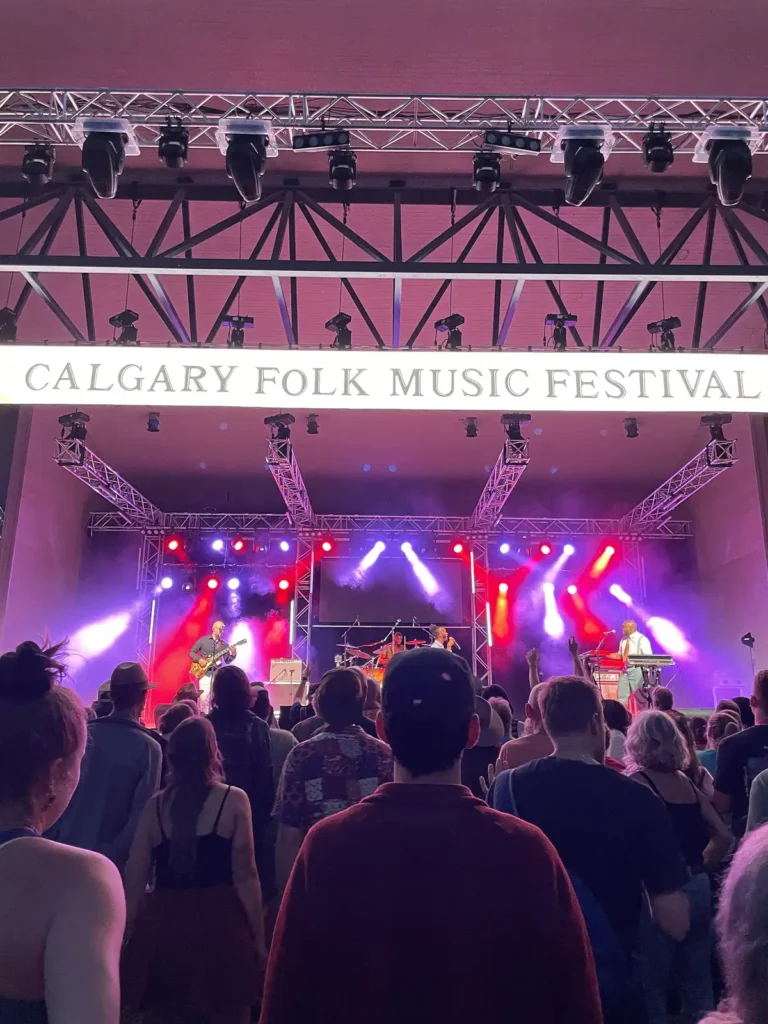
The rodeo is the headliner, typically filling the grandstand in the evening, with slack and earlier rounds often run during daylight hours. Beyond the arena, expect live music from regional country and rock acts, plus the standard fair extras: a carnival midway, games of chance, and grandstand events that change from year to year. Come early for a seat in the shade.
Family Activities and Youth Exhibits
This is the heart of the fair. 4-H and FFA members show market steers, hogs, lambs, goats and poultry, while younger members bring rabbits and other small animals. Exhibit halls hold baking, canning, photography, quilting, floriculture and craft entries. Add a petting area, a kids’ activity zone and carnival rides sized for younger children, and you have a full day. Strollers handle the main paths fine; barn areas are gravel and dirt.
Planning a Cassia County Fair Trip From Out of Town
Getting to Burley and the Fairgrounds
Burley sits on the Snake River Plain in south-central Idaho, reached by Interstate 84 and U.S. Highway 30. From Twin Falls it is a short run east; from Boise, plan on a few hours; from Salt Lake City, longer. Regional air service is available in the Twin Falls area, with larger airports in Boise and Salt Lake City. Once you are in Burley, fairground signage is easy to follow.
Where to Stay Around Burley
Burley and nearby Rupert, Heyburn and Twin Falls cover the basics: chain motels, independent motor inns and RV parks. Fair week is the busiest lodging stretch of the summer in the immediate area, so book early. Camping is often available on or near the fairgrounds for exhibitors and sometimes for general visitors — confirm current policy and hookups with the county before counting on it.
Parking Near the Cassia County Fairgrounds
Expect fairgrounds lots and adjacent fields with attendants directing traffic, usually free or low cost. Weekend evenings fill fastest, so arrive an hour before a rodeo performance if you want to park close. Use the marked pedestrian routes after dark, and note a landmark where you parked — grass lots all look alike at 10 p.m.
Admission, Rodeo Tickets and Daily Costs
Fairs of this size typically charge a modest gate fee, with rodeo sessions ticketed separately and carnival rides sold by wristband or ticket sheet. Young children are often admitted free. Rates and bundles reset each season, so check the fair’s current published information before budgeting. Beyond admission, plan for food, rides and a little cash for the exhibit hall bake sale.
Cassia County Weather for a Late-Summer Fair
Late summer here means hot, dry days and cool nights, with highs commonly in the upper 80s and 90s and an afternoon breeze off the plain. Sunscreen, a hat and a refillable water bottle are not optional. Bring a light jacket for the evening rodeo, and wear closed-toe shoes — barn dust and sandals are a bad combination.
Friday Through Sunday: A Sample Cassia County Fair Weekend
Friday. Arrive by mid-afternoon, check into your motel or RV spot, then walk the barns while the light is still good and the crowds are thin. Grab dinner from a food row stand, find a grandstand seat early, and stay for the evening rodeo. Finish with a slow loop through the midway after the arena empties.
Saturday. Start in the exhibit halls before the heat builds, then watch a livestock class or two. Lunch from a service club booth, an hour of shade, then the afternoon carnival with the kids. Return for the evening rodeo, and treat the grandstand show as the main event of the trip.
Sunday. Come back for breakfast, catch the final exhibits and any junior livestock sale or demonstration, and let the kids spend remaining ride tickets. On the way home, detour through the surrounding farm country or toward the City of Rocks for a slow finish to the weekend.
How the Cassia County Fair Compares With Nearby Idaho Fairs
The Twin Falls County Fair, held in Filer, is the larger regional cousin — longer run, bigger grandstand names, more midway. The Minidoka County Fair in Rupert is smaller and more neighborly, with a strong agricultural focus and short lines. Jerome and Power County each host their own late-summer fairs with similar rhythms. Cassia sits comfortably between them: small enough to feel local, substantial enough to fill a full weekend.
The Cassia County Fair Checklist to Run Before You Leave
Book lodging early, since fair week is peak season in the Burley area. Confirm the current schedule, gate policy and rodeo session times before you drive. Pack sunscreen, hats, refillable water bottles, a light jacket for the evening, closed-toe shoes and a phone charger. Bring cash in small bills for food stands and bake sales.
Charge your camera, note that pets are generally not permitted on fairgrounds outside service animals, and set a meeting point with your group in case the midway swallows someone. If you plan to camp, verify hookups and availability ahead of time. Finally, leave a little slack in the schedule — county fairs reward wandering.
Beyond the Fairgrounds: City of Rocks, Albion and the Snake River
Cassia County rewards a longer stay. The City of Rocks National Reserve and adjacent Castle Rocks State Park, south of Burley, offer granite spires and high-desert camping that climbers travel for. Albion, in the western part of the county, sits beneath Pomerelle and its surrounding mountain terrain. Along the Snake River, Lake Walcott and the Minidoka National Wildlife Refuge provide water, birds and quiet. Twin Falls, a short drive west, adds Shoshone Falls and the Snake River Canyon.
What the Fair Means to Cassia County’s Farm Towns
In a county of 2,580 square miles anchored by Burley, the fair functions as an annual reunion. It is where 4-H members learn to present an animal and speak to a judge, where scholarships and premium sales quietly fund college plans, and where businesses that rarely share a parking lot spend a week side by side. For families spread across the plain, it is the one week when everyone is in the same place at the same time.
Where the Cassia County Fairgrounds Sit
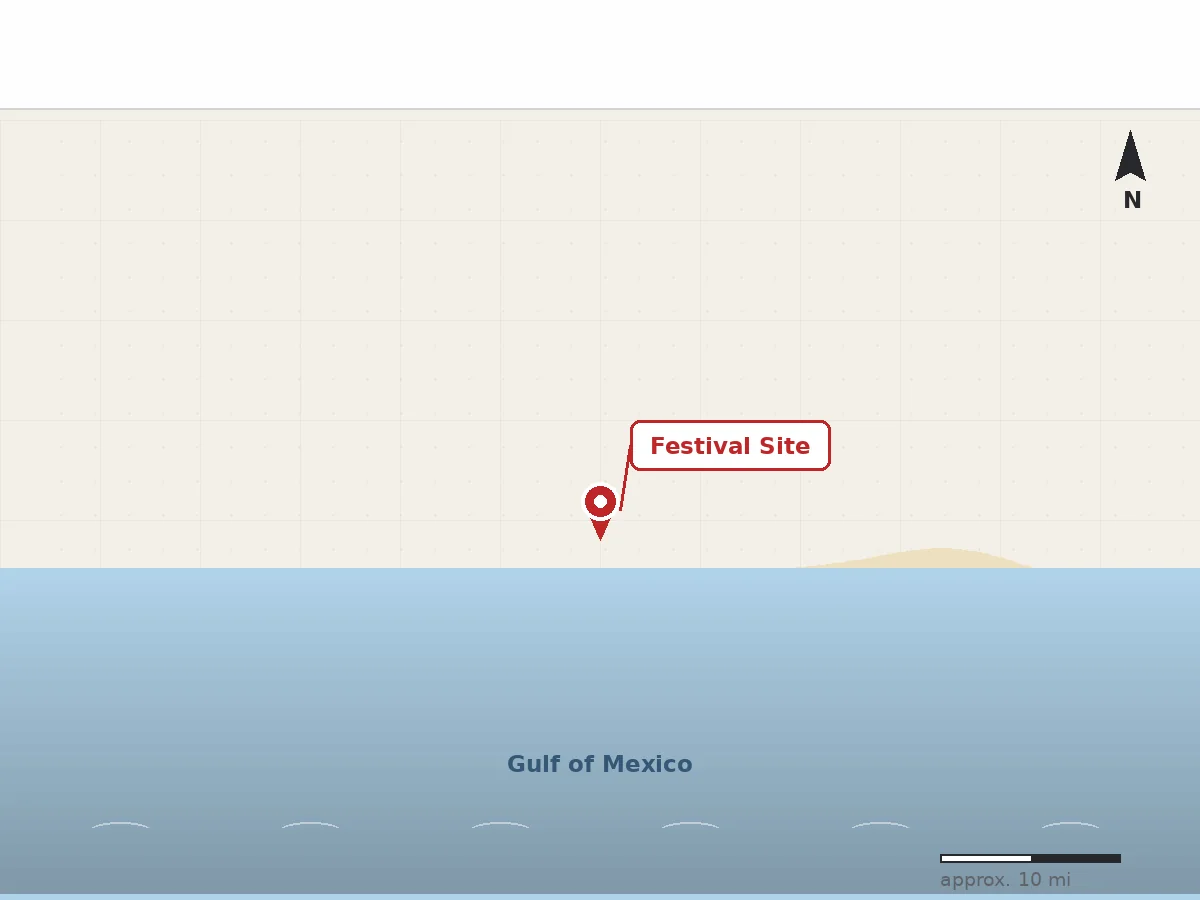
The Cassia County Fair and Rodeo takes place on the fairgrounds in the Burley area, in the heart of Cassia County, Idaho.
Answers for First-Time Cassia County Fair Visitors
When is the Cassia County Fair and Rodeo usually held?
It is a late-summer event, generally running over several days in August. Exact dates move slightly from year to year, so check the current published schedule rather than assuming last season’s dates still apply.
Should I buy rodeo tickets ahead of time?
Weekend performances draw the biggest crowds, so buying early is the safer bet if a specific night matters to you. Weeknight sessions are usually easier to walk into. Ticket structures change season to season, so confirm details with the fair before you go.
Is the fair a good fit for young children?
Yes. Barns, small-animal areas, kids’ activity zones and carnival rides sized for younger children make it easy to fill a morning or afternoon. Bring a stroller if you have one, keep an eye on little hands near animal pens, and plan around the hottest part of the day.
Can I bring my own food and water?
Policies on outside food and coolers vary, and grandstand rules are usually stricter than those for the general grounds. A refillable water bottle is always a smart call. Check the fair’s current visitor information for specifics before packing a picnic.
What’s Ahead for the Cassia County Fair and Rodeo
County fairs survive by adapting, and this one has been adapting since the 1800s. Expect continued investment in the fairgrounds, more emphasis on youth agriculture programming, and a schedule that keeps the rodeo at the center while widening the entertainment around it. For visitors, the practical takeaway is simple: confirm the season’s dates and rates, book lodging early, and treat the fair as the anchor of a longer southern Idaho trip.
Last updated: October 2026
Few events in southern Idaho pack this much of a county into one set of gates. The Cassia County Fair and Rodeo is a livestock show, a rodeo, a reunion and a carnival at once — modest in scale, generous in welcome, and best experienced at the pace it was built for. Plan for a weekend, bring cash and sunscreen, and leave room for a second lap through the barns.