Breckinridge County Kentucky Breckinridge County Fair Festival
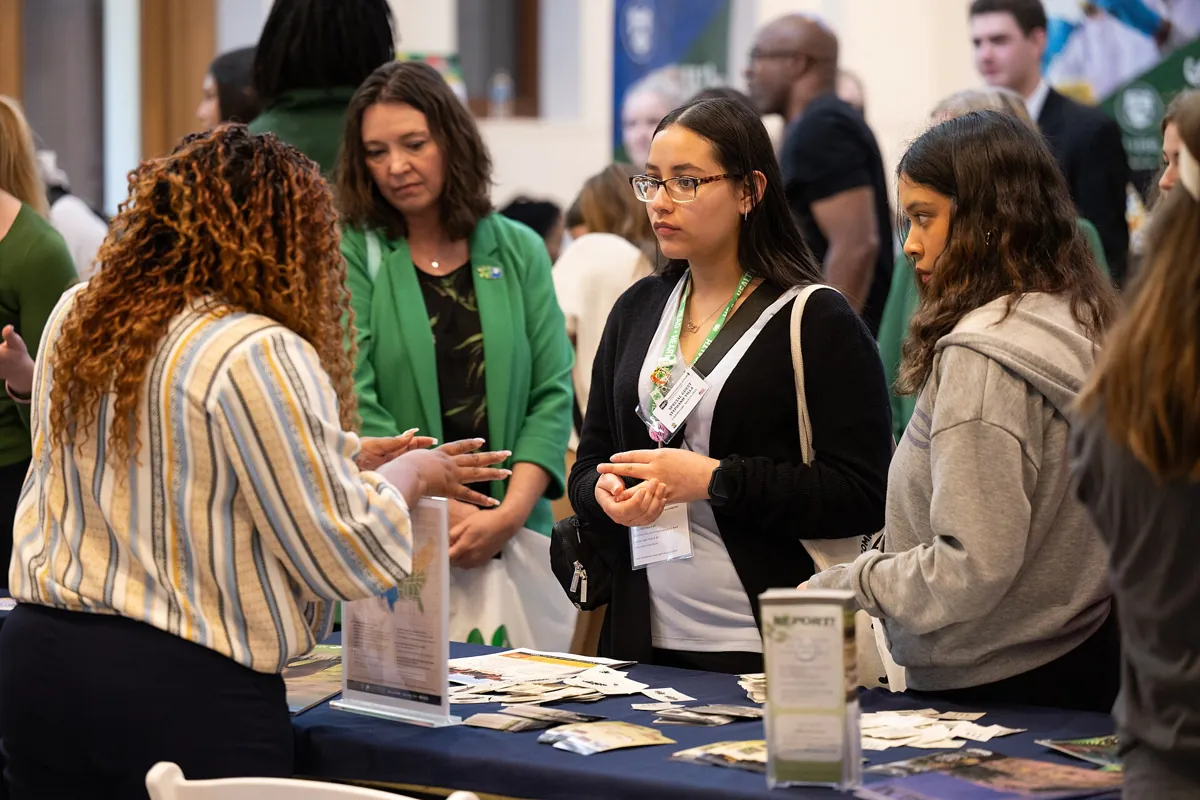
Breckinridge County spreads across 586 square miles of rolling farmland and river-country ridges in west-central Kentucky, and once a year much of it points toward the same patch of ground. The Breckinridge County Fair is the county’s biggest shared gathering — a multi-day run of livestock shows, midway rides, food trailers and grandstand nights that draws families from Hardinsburg and every rural community around it. For a county of 20,432 people, that convergence is the whole point.
This guide is written for planners. County fairs reward a little forethought: gates get busy at predictable hours, shade disappears early, the livestock barn fills before the grandstand does, and lodging inside the county is limited enough that you want a reservation rather than a hope. Below is what you need to time a visit, budget a weekend, and fold the fair into a wider tour of the Breckinridge County area.
Ten planning facts for the Breckinridge County Fair
| Town / area | Breckinridge County area, Kentucky |
| County | Breckinridge County |
| County seat | Hardinsburg |
| Population | 20,432 (2020 census) |
| Region | West-central Kentucky |
| Typical timing | A multi-day run in mid-summer, often July or August |
| Admission | Typically free to enter; individual rides and attractions priced separately |
| Setting | Rural fairgrounds with livestock barns, a midway, grandstand and exhibit space |
| Features | Livestock shows, carnival rides, fair food, grandstand entertainment, community exhibits |
| Organizer | Local volunteer fair organizers and community groups |
What the Breckinridge County Fair actually is
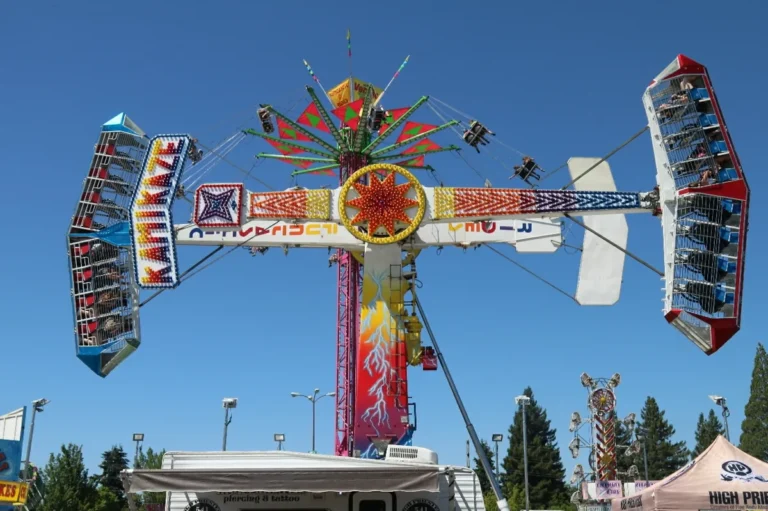
The Breckinridge County Fair is a traditional county fair in the fullest sense: an agricultural showcase wrapped around an entertainment schedule. Exhibit halls hold the entries — canned goods, quilts, photography, produce, school art — that neighbors spend weeks preparing. Barns hold the animals. The midway holds the rides and games. And the grandstand holds whatever the evening’s draw happens to be, whether that is a live act, a demolition derby or a pageant crowning.
Because it is a county fair rather than a ticketed music festival, the audience is local and multi-generational. You will see 4-H-age kids leading animals, teenagers circling the midway, parents pushing strollers between food trailers, and older residents who have attended since childhood. That mix is what makes the fair feel like a reunion with a carnival attached.
Practically, it is a walk-in event. Admission is typically free, with rides, games and some grandstand events priced separately, so most visitors spend on food and ride tickets rather than on a gate fee. Everything happens on fairgrounds built for exactly this: open space, barns, a midway lane and parking on grass.
For another look at how a community turns its own traditions into a gathering, see the Breathitt County Kentucky Breathitt County Fair Festival for a useful comparison.
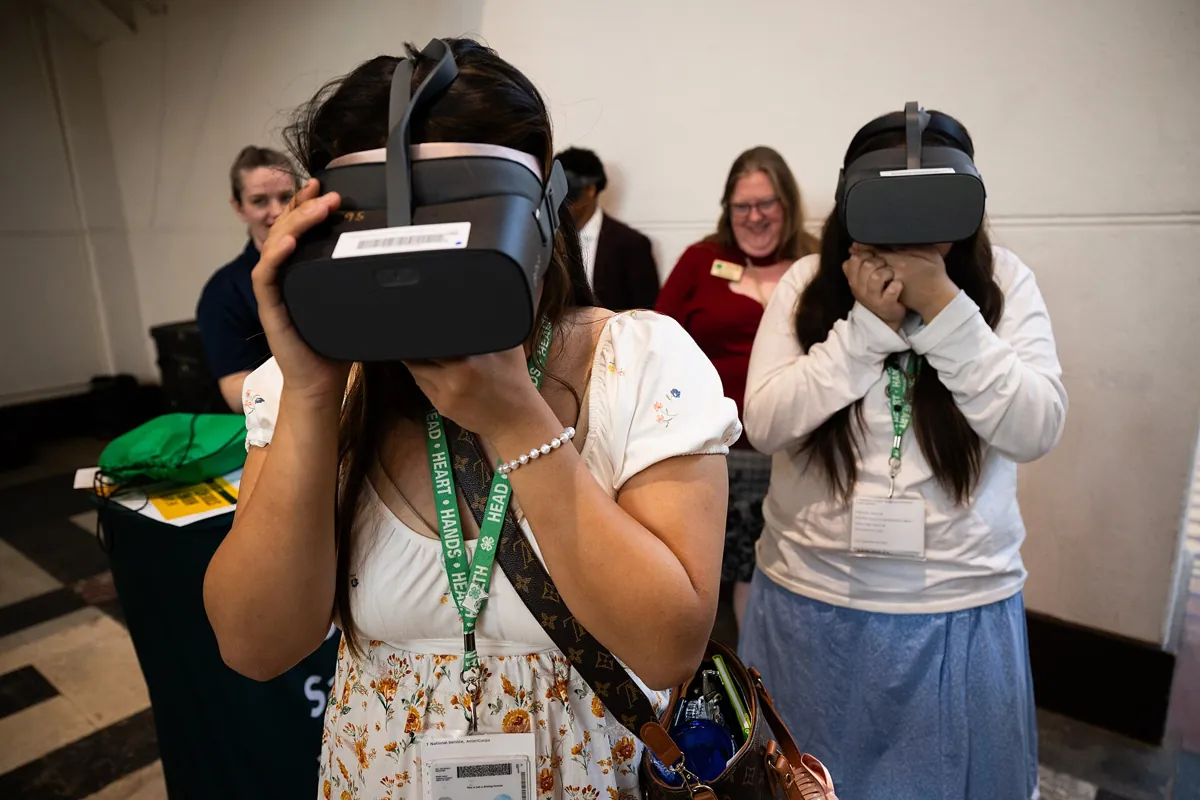
Two centuries of county life behind a Breckinridge County tradition
Breckinridge County was founded in 1799, and its county seat, Hardinsburg, has served as the administrative and social center of the county ever since. In a place where farms are measured in hundreds of acres and the nearest neighbor can be a ridge away, gathering traditions carried outsized weight.
County fairs across Kentucky grew out of nineteenth-century agricultural societies, which existed first to spread better farming practice and then, inevitably, to celebrate it. The fairgrounds became the annual scoreboard for a farm economy: whose cattle graded best, whose tomatoes won the plate, whose children could handle a hog in the show ring.
The Breckinridge County Fair sits in that lineage. Its earliest chapters are best told by the families who have handed down ribbons and photographs, but the shape of the thing has stayed remarkably constant — an agricultural exhibition first, a community festival second, and an entertainment week third. That order of priorities is why the fair still feels like Breckinridge County rather than like a traveling carnival that happens to be parked here.
What to expect across a Breckinridge County Fair day
A fair day has a rhythm, and knowing it saves time. Mornings belong to exhibitors and livestock. Afternoons belong to families with young children and to anyone who wants shorter ride lines. Evenings belong to the crowd — the midway lights up, the grandstand fills, and the food trailers hit their busiest hour.
Fair food, the midway’s real economy
Expect the county-fair canon: funnel cakes, corn dogs, hand-cut fries, lemonade shake-ups, cotton candy, barbecue and the kind of fried items that only make sense after sunset. Portions are large, and most vendors now take cards, though cash still moves faster at smaller stalls. The smart move is to eat just before the dinner rush, around the time the livestock barn empties and the grandstand line forms. If you are traveling with picky eaters, walk the full midway first and note what is available — offerings change from stall to stall and year to year.
Grandstand nights: music, motors and main events
Grandstand entertainment is the fair’s anchor for evening attendance. Programs vary by year and often include live country, rock or gospel acts, tractor and truck pulls, demolition derbies, and pageants or talent showcases. Because lineups are announced close to the fair itself, check local listings before you commit to a particular night. Beyond the grandstand, expect the ambient soundtrack of any good fair: carnival music, an announcer echoing off the barns, generators, and the occasional delighted scream from the rides.
Family activities, barns and exhibit halls
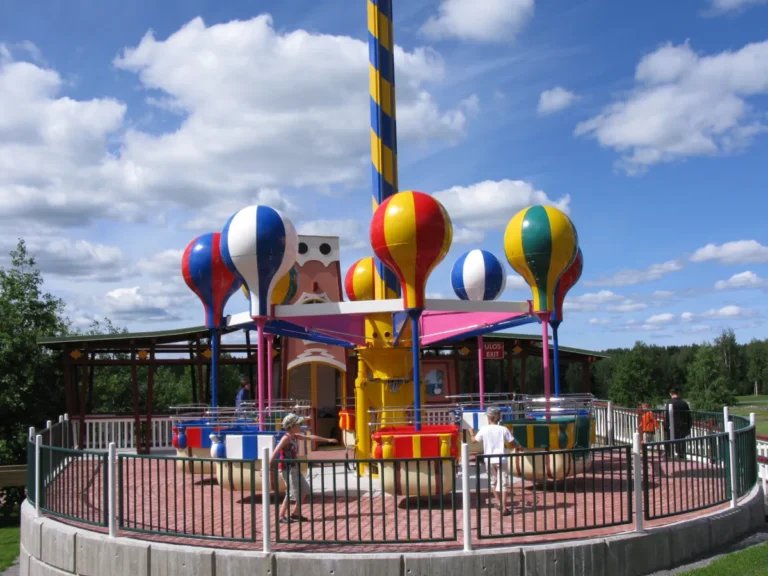
Family programming is where a county fair beats a theme park on cost. Rides are sized for small children as well as teenagers, and many fairs set aside quieter hours with gentler rides for younger kids. Livestock barns are free entertainment and a genuine educational draw, and most exhibitors are happy to talk about their animals. Add the exhibit halls, where kids can find their own artwork or a neighbor’s prize-winning jam, plus games, pony rides and the inevitable face-painting stand.
Breckinridge County logistics that genuinely matter
Breckinridge County is rural and spread out, which is charming on a scenic drive and inconvenient when you need a hotel room at nine at night. The decisions that matter most are where you sleep, when you arrive, and how much cash you carry.
Getting into the Breckinridge County area
Hardinsburg sits at the center of the county’s road network, and the fairgrounds are typically a short drive from it. Nearly everyone arrives by car, since there is no meaningful public transit across a 586-square-mile county. If you are coming from outside the region, plan your route through one of the larger nearby towns and treat the final stretch as two-lane rural driving — slower than the map suggests, especially when farm equipment is on the road.
Where to stay around Hardinsburg and beyond
Lodging inside Breckinridge County is limited and skews toward small independent properties, rental cabins and campgrounds, and those fill early during fair week. The practical strategy is to reserve weeks ahead, or to book a room in a larger neighboring city and drive in. Camping is a solid alternative if your family enjoys it, and pairing the fair with a longer outdoor weekend often works better than trying to find a last-minute room.
Parking, gates and walking the grounds
Fairground parking is usually on grass or gravel and managed by volunteers, which works well but rewards early arrival. Come within the first hour after gates open and you park close; come at peak evening time and you may walk a quarter mile. Wear shoes you do not mind getting dusty, note a landmark near your car, and keep a phone light handy for the walk back after dark.
Admission, ride tickets and a realistic budget
Admission is typically free, with individual costs for rides, games, food and some grandstand events. Budget like this: no gate fee, a wristband or ticket pack for rides if you have kids, cash for food, and a small reserve for exhibits, raffles and vendor tables. Many fairs run discounted ride nights or family nights, so ask at the gate or check the schedule before buying single tickets.
Kentucky summer weather and what to wear
A mid-summer fair here means heat, humidity and a real chance of an afternoon thunderstorm. Days can turn uncomfortable by early afternoon, so plan shaded or indoor breaks during the hottest hours and save the midway for evening. Bring water, sunscreen and a hat, and pack a light rain jacket rather than an umbrella — wind on an open midway makes umbrellas useless.
A sample fair weekend for drive-in visitors
Day one. Arrive in the Breckinridge County area by mid-afternoon, check in, and use the early evening to walk the grounds before the crowds build. Eat at the fair, catch the grandstand program, and leave before the parking lot empties all at once. This is the night to learn the layout: where the barns sit, which gate is closest to your car, which food lines move fastest.
Day two. Come early, because this is the fair’s biggest day. Spend the morning in the exhibit halls and livestock barns while it is cool, eat lunch on the midway, then retreat during the hottest hours — a drive through the surrounding countryside or a rest at your lodging works well. Return for the evening, when the fair is at its loudest and best.
Day three. The final day is gentler. Revisit anything you missed, buy from vendors who are packing up, and let kids ride their favorites one last time. Leave by early afternoon and stop somewhere in the county for a meal on the way out — a good way to close the weekend.
How the Breckinridge County Fair compares with nearby county fairs
Breckinridge County sits in a cluster of rural counties, and summer fair season means you can build a trip around more than one. Neighboring Grayson, Meade and Hardin counties each host their own county fairs, and their personalities differ — some lean harder into livestock and agricultural exhibits, others into carnival rides and grandstand concerts.
The towns matter too. Hardinsburg is the county seat and the fair’s home base, while Brandenburg, Leitchfield and Elizabethtown are larger or more visitor-oriented and offer more lodging and dining. A sensible rule of thumb: choose Breckinridge County for the locally rooted fair experience, and use the bigger neighboring towns for beds, restaurants and day-trip variety.
Breckinridge County Fair prep checklist
Before you go: confirm the fair’s dates and grandstand lineup through local listings, since schedules shift year to year. Book lodging early if you are staying overnight, and check the forecast so you pack for the actual weather rather than the ideal version of it.
Pack: water bottles, sunscreen, hats, light rain jackets, comfortable closed-toe shoes, a small flashlight, cash in small bills, a phone battery pack, and a tote for vendor purchases. For families: an all-terrain stroller, a change of clothes for small kids, and a plan for where to meet if you get separated.
On site: note your parking row, agree on a meeting spot near a landmark such as the main gate or grandstand, keep ride wristbands visible, and drink water before you feel thirsty. Cards are widely accepted now, but cash still speeds things up at smaller stalls.
Beyond the midway: the Breckinridge County area the rest of the year
Breckinridge County is 586 square miles of farmland, creek bottoms and wooded ridges, and the fair is only one reason to drive out. Hardinsburg anchors the county with courthouse-square scale and small-town services, while the surrounding countryside rewards slow driving — barns, hay fields and long views that make west-central Kentucky feel bigger than it looks on a map.
Outdoor recreation is the county’s other draw, with river and lake country along the northern edge and public land scattered through the region. If you are building a longer trip, pair the fair with a day on the water, a hike, or a drive to a neighboring county seat. Visit outside fair week and the quiet becomes the appeal: fewer crowds, easier lodging, same landscape.
Why the fair still matters across Breckinridge County’s 586 square miles
For a county of just over 20,000 people spread across a large land area, shared events are scarce. The fair solves that. It gives youth exhibitors a stage, gives small vendors a market, gives local organizations a fundraiser, and gives neighbors a reason to spend an evening in the same place.
It also works as an economic and cultural anchor. Fair week pushes spending into local businesses, fills campgrounds and rentals, and turns the county seat into a hub for a few days. Just as importantly, it keeps agricultural knowledge visible: the fair is where residents still see how food is raised, judged and celebrated.
Where the Breckinridge County Fair sits on the map
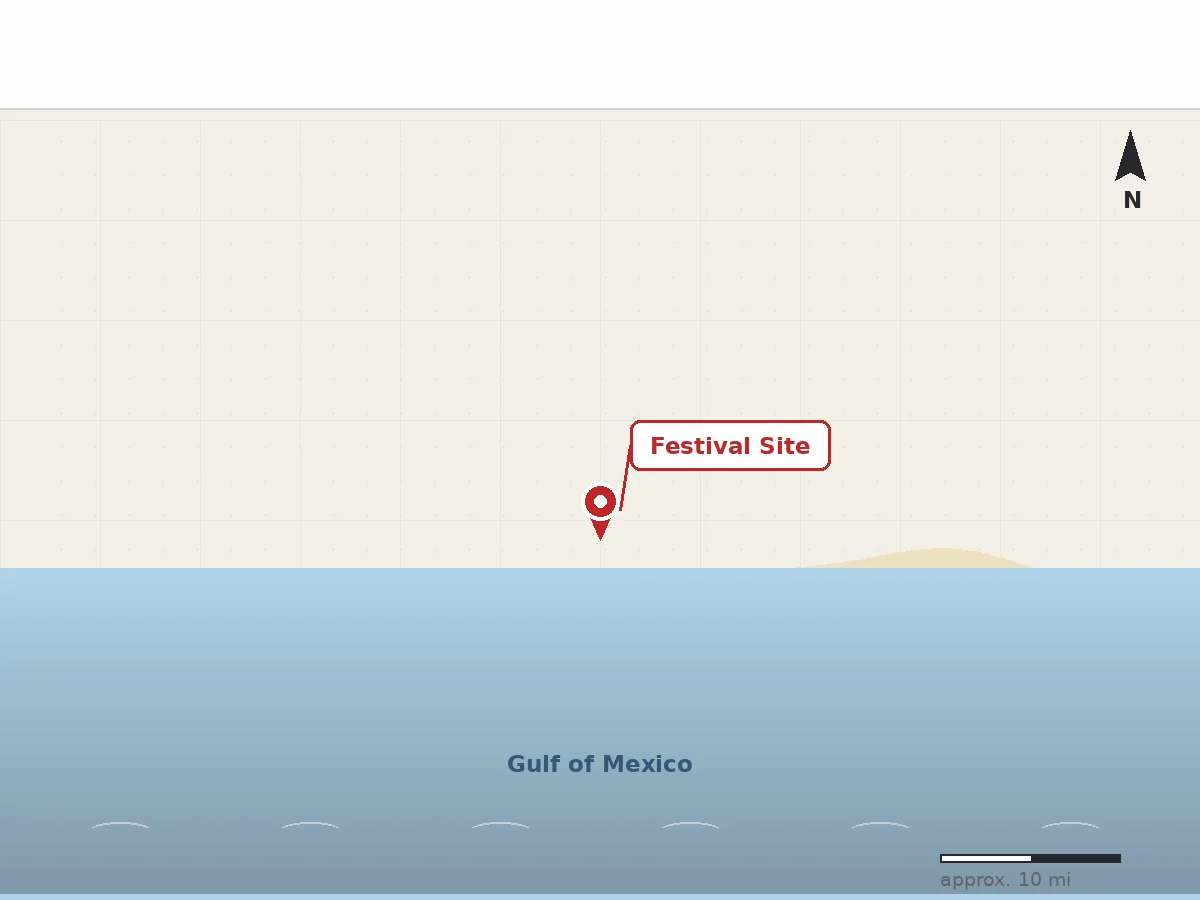
The fair takes place in the Breckinridge County area, with Hardinsburg — the county seat — serving as the practical reference point for visitors driving in from surrounding counties.
Answering practical questions about the Breckinridge County Fair
When is the fair held each year?
In most years the Breckinridge County Fair runs for several consecutive days in mid-summer, most often during July or August. Because exact dates shift annually, confirm the current schedule through local listings before you plan travel or request time off.
Do you have to pay to get in?
Admission is typically free, and visitors generally pay per attraction instead — ride tickets or wristbands, food, games and certain grandstand events. That structure keeps the fair inexpensive for anyone who simply wants to walk the grounds and watch, and it lets families set their own spending ceiling.
Where should out-of-town visitors stay?
Lodging inside Breckinridge County is limited, so the reliable approach is to reserve early or stay in a larger neighboring city and drive in. Camping is another option if you enjoy it. Book weeks ahead during fair season, when demand for local rooms is at its highest.
Is it a good fit for young children and older visitors?
Yes. Mornings and early afternoons are calmer, with shorter lines and easier walking, and the grounds are navigable on foot for strollers and wheelchairs. Livestock barns, exhibit halls and food areas are all close together, and the pace is easy to manage for visitors who prefer to sit and watch.
What’s ahead for the Breckinridge County Fair
County fairs across Kentucky are navigating the same pressures: rising insurance and entertainment costs, volunteer shortages on fair boards, and competition from screens and travel. The Breckinridge County Fair’s advantage is that its core product — an agricultural showcase with a midway attached — cannot be replicated online.
The realistic outlook is continuity with adaptation: more card-friendly vendors, more diversified grandstand programming, and continued emphasis on the youth exhibitors who are the fair’s future. For visitors, that means the fair should remain what it has long been — a mid-summer anchor in the Breckinridge County area.
Last updated: October 2026
Plan around the fair’s rhythm rather than against it: arrive early, eat before the rush, save the midway for after dark, and leave room in your schedule for the county beyond the gates. The Breckinridge County Fair rewards visitors who settle into it for a few days instead of treating it as a box to check.


One Comment