Blaine County Idaho Ketchum Arts Festival

The town of Ketchum sits at the head of the Wood River Valley in south-central Idaho, a place whose first identity was built on extraction — ore, timber, and the labor that carved a living out of a high mountain county. Blaine County was founded on March 5, 1895, and Ketchum grew alongside it, a settlement that later traded much of its mining economy for one built on recreation, second homes, and, increasingly, art. That long reinvention is the backdrop for the Blaine County Ketchum Arts Festival, a summer gathering that turns the town into a temporary gallery of painting, pottery, jewelry, photography, textiles, and handmade goods.
Ketchum is not a big place, and that shapes everything about the event. Booths sit close enough together that you can browse the whole festival in an afternoon and still stop to talk with the person who threw the bowl or set the stone. Locals wander in with coffee. Visitors from Hailey, Bellevue, and Sun Valley drive up the valley for the day. What results is less a trade show than a neighborhood party that happens to have excellent art for sale.
Ketchum Arts Festival: Blaine County Facts and Setting
| Town / place | Ketchum and the surrounding Blaine County area, Idaho |
| County | Blaine County |
| County seat | Hailey |
| County population | 24,272 |
| County land area | 2,661 square miles |
| Region | Wood River Valley, south-central Idaho |
| Typical timing | A summer weekend, most often in July or early August |
| Admission | Typically free to enter |
| Features | Juried art and craft booths, live music, food vendors, family activities |
| Organizer | Local arts organizers and community volunteers |
What the Ketchum Arts Festival Actually Is
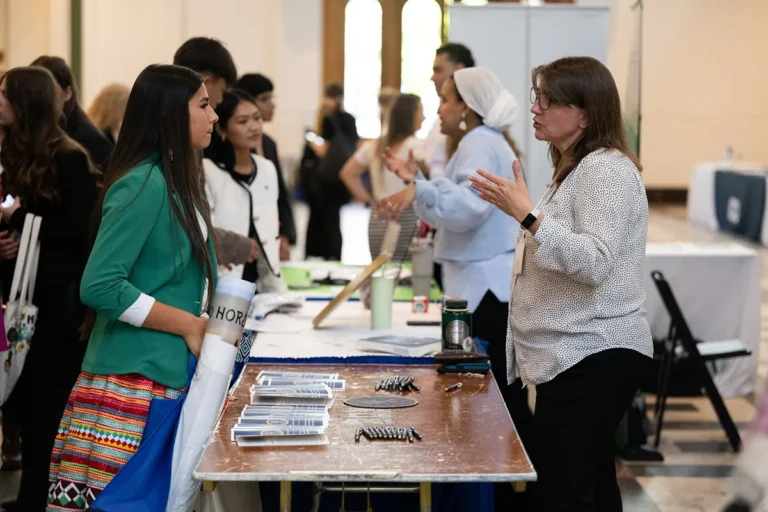
At its core, Ketchum Arts is a weekend-long outdoor art fair with a mountain-town personality. Artists working in ceramics, watercolor, oil, metal, wood, glass, fiber, and photography set up booths and tents, usually arranged so that visitors can stroll in a loop rather than shuttle between distant lots. Admission is typically free, which keeps the mood relaxed: people come to look, to chat, and to buy only when something genuinely catches them.
Because the festival leans on the surrounding community rather than a large outside production company, the lineup of artists shifts from year to year. Some vendors return annually and are greeted like old friends. Others are first-timers from elsewhere in Idaho or neighboring states, testing a market that rewards original work and personal stories. Music, food, and children’s activities are folded into the same footprint, so a single visit can cover an entire afternoon without a car trip between stages.
From Mining Camp to Mountain Gallery: Ketchum’s Long Road to an Art Festival
To understand why a small Idaho town hosts an arts weekend at all, it helps to start with the county itself. Blaine County was founded on March 5, 1895, in the middle of a hard-rock mining boom that drew workers, capital, and railroads into the Wood River Valley. Ketchum was one of the settlements that grew from that era — a place of boarding houses, smelters, and long winters, where survival depended on skills and self-reliance rather than polish.
When the mining economy faded, the valley did not empty out. Instead it reinvented itself, gradually becoming a destination for skiing, hiking, fly-fishing, and second-home owners drawn to the scenery. That transition brought a new population: architects, writers, photographers, craftspeople, and gallery owners who wanted mountain living without giving up creative work. By the time the valley’s arts scene had matured, Ketchum already had the ingredients a festival needs — a walkable core, an audience with disposable income, and a steady flow of summer visitors.
The Ketchum Arts Festival emerged from that mix rather than from a single founding moment. It reflects a pattern common to mountain towns across the West: when tourism replaced extraction, culture became part of the local economy, and an art fair became a way for year-round residents and seasonal visitors to meet in the same square. The event’s growth has been organic, tied to the number of working artists in the valley and to the willingness of volunteers to organize booths, parking, and music each summer.
On the Ground at Ketchum Arts: Booths, Lawns, and Valley Views
Expect an easy, unhurried pace. Most visitors arrive mid-morning, browse slowly, eat lunch on the grass, and drift back through the booths in the afternoon when the light changes. Comfortable shoes matter more than a schedule.
Food Stalls and Mountain Appetites
Food at the festival tends toward the practical and the regional: grilled items, tacos, wood-fired pizza, kettle corn, baked goods, ice cream, and coffee strong enough for a high-altitude morning. Huckleberry sweets show up often, as they do throughout Idaho, along with locally roasted beans and cold drinks for warm afternoons. Lines are usually longest around midday, so an early or late lunch is a smarter move if you want to eat without waiting.
Live Music and the Sound of a Summer Weekend
Music is typically live and locally sourced — acoustic duos, folk and bluegrass combos, jazz players, and rock bands rotating through the day. Because the festival is small, you can hear the stage from most of the grounds without standing in a crowd. Sets are generally short, which keeps energy moving and gives visitors a reason to linger between shopping laps.
Family Activities for Younger Festival-Goers
Families are well served. Craft tables, face painting, chalk drawing, and simple hands-on projects give children something to do while adults browse, and the open layout means parents are not constantly chasing kids through traffic. Strollers handle the grounds reasonably well, though some surfaces are grass or gravel. Restrooms and shade are usually within easy reach of the main activity area.
Planning a Blaine County Weekend Around Ketchum Arts
Getting There: Roads Into the Wood River Valley
Ketchum is reached by road, most commonly via the Highway 75 corridor that runs up the Wood River Valley past Hailey, the county seat, and then on toward Sun Valley and Ketchum. Travelers coming from the south typically pass through the Magic Valley; those arriving from Boise make the drive east and south through the mountains. Summer is construction season in Idaho, so allow extra time and check road conditions before leaving.
Where to Stay Near Ketchum and Sun Valley
Lodging clusters in Ketchum and neighboring Sun Valley, with a broader, often more affordable selection in Hailey and Bellevue down the valley. Summer is peak season, so booking weeks or months ahead is wise, especially for festival weekends. Campgrounds and vacation rentals fill quickly as well. Staying in Hailey and driving up for the day is a common strategy that also puts you closer to the county’s historic downtown.
Parking, Bikes, and Moving Around Town
Parking in Ketchum is limited at the best of times, and festival weekends tighten it further. Arrive early, expect to walk a few blocks, and respect residential and business lot restrictions. Bicycles are an excellent option if you are staying nearby, and the valley’s paved path network makes riding between Ketchum and Sun Valley straightforward. Once you are at the grounds, everything is walkable.
Admission, Artist Purchases, and Budgeting
Entry is typically free, which means your spending is entirely optional. Most of it will go to artists, so plan accordingly: a modest budget buys small ceramics, prints, or jewelry, while larger paintings and furniture cost considerably more. Many vendors accept cards, but cash remains useful and sometimes speeds up a sale. Food, drinks, and any raffle or donation table are separate from art purchases.
Ketchum Weather and How to Dress
Summer days in the Wood River Valley are warm and dry, but mornings and evenings cool off sharply at this elevation, and afternoon thunderstorms are a real possibility in the mountains. Dress in layers, bring a light rain shell, wear a hat, and use sunscreen — the sun is stronger here than the temperature suggests. Sunglasses and a refillable water bottle round out the essentials.
A Sample Ketchum Arts Weekend, Friday Through Sunday
Arrive Friday afternoon, settle into your lodging, and walk the town core to get oriented. Grab dinner in Ketchum or Sun Valley, then turn in early. Saturday is the festival day: get to the grounds in the mid-morning before the crowds build, browse the booths in one direction, break for lunch and music, then return for a second pass when you know what you actually want to buy. Stay for the late afternoon, when the light softens and the music tends to loosen up.
Sunday belongs to the valley. Hike or ride one of the nearby trails, fish the Big Wood River, or drive down to Hailey for coffee and a look at the historic downtown. If you have time, continue south to Bellevue for a slower pace and a sense of what these towns looked like before tourism took over. Head home in the afternoon, or linger if you have the flexibility.
Ketchum Arts Compared With Neighboring Blaine County Towns
Ketchum’s festival sits at the polished end of the valley’s spectrum. Sun Valley, just down the road, carries the resort atmosphere — manicured, upscale, and oriented toward visitors who expect a full-service experience. Ketchum Arts borrows some of that polish but keeps a more casual, town-run feel, with artists who are often neighbors.
Hailey, the county seat, offers a different character entirely: a working town with a historic main street, more affordable dining, and its own year-round arts and music activity. Bellevue, further south, is smaller and quieter still. Visitors with a free afternoon can easily sample two or three of these communities in a single weekend, and each one gives a slightly different answer to the question of what a mountain town becomes after the mines close.
A Practical Checklist Before You Leave for Ketchum
Confirm your lodging and check road conditions; pack layers, a rain shell, sunscreen, a hat, and comfortable walking shoes; bring a refillable water bottle and a tote bag for purchases; carry some cash alongside a card; charge your phone and download an offline map, since cell service can be spotty in the mountains; plan for limited parking and arrive early; leave pets at home unless you have confirmed the festival’s current policy; and set a rough art budget so a beautiful painting does not ambush your vacation finances.
Beyond the Booths: The Rest of Blaine County
The festival is a good excuse to explore a county that covers 2,661 square miles of mountain, river, and high desert. The Big Wood River runs through the valley and draws fly-fishers all summer. Trails around Ketchum and Sun Valley range from easy valley-floor walks to serious climbs, and the Sawtooth Mountains rise to the north. Bald Mountain dominates the view above town and turns the valley into ski country once the snow returns.
History buffs will find plenty to work with. Hailey’s downtown preserves the look of an early Idaho county seat, and the region’s mining-era cemeteries, cabins, and interpretive sites tell a rougher story than the resort brochures do. Add a scenic drive over Galena Summit and you have a weekend that balances art with landscape.
Why Ketchum Arts Matters to Blaine County’s Creative Life
In a county of 24,272 people spread across a vast landscape, cultural events do more than entertain. They concentrate neighbors in one place, give working artists a direct market, and turn tourism spending into income for people who live here year-round. For emerging makers, a booth at a local festival is often the first real test of whether their work sells.
The festival also reinforces something the valley has been building for decades: an identity that is creative rather than purely recreational. Ski seasons come and go, real estate cycles rise and fall, but a community that supports its own artists tends to hold together through both. That is the quiet significance of a summer weekend in Ketchum.
Where the Festival Sits in Blaine County
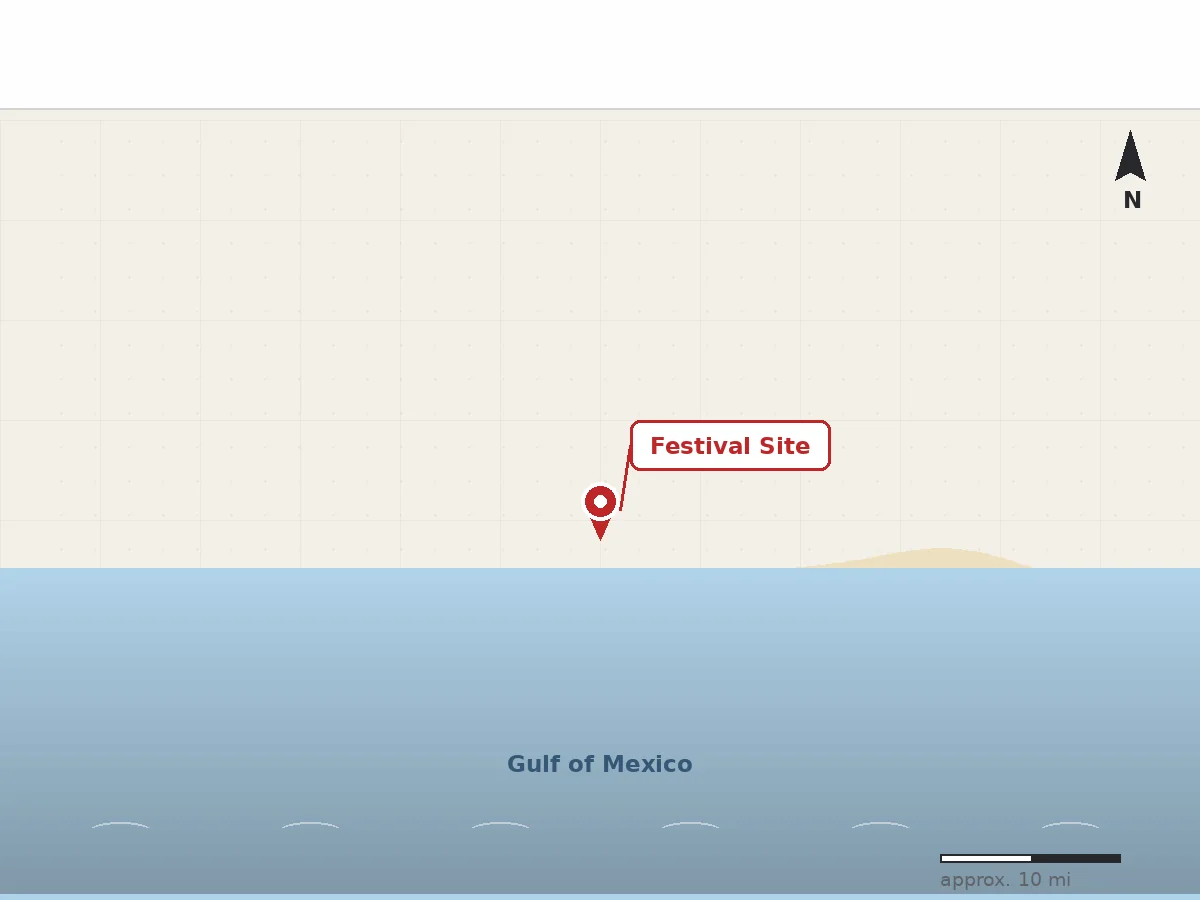
The Ketchum Arts Festival takes place in Ketchum, in the northern Wood River Valley of Blaine County, Idaho, a short drive north of the county seat of Hailey.
Ketchum Arts Answers for First-Time Visitors
Is there an admission fee?
Admission is typically free. You pay only for what you choose to buy — art, food, drinks, or anything from a fundraising table. That free entry is part of the festival’s character and one reason locals stop by more than once over the weekend.
When does the festival usually happen?
It is a summer event, generally held on a weekend in July or early August, when the valley is warm, the trails are open, and visitor traffic is at its peak. Exact dates shift from year to year, so check local listings before you plan travel.
Is it a good outing for kids?
Yes. The grounds are compact and walkable, family activities are usually part of the program, and the atmosphere is relaxed enough that children are not expected to be silent. Bring sun protection, water, and a little patience for the busiest midday hours.
Should I bring cash?
Bring some. Many artists and food vendors accept cards, but cash is never turned away and can simplify small purchases. It is also handy for parking meters, tips, and the occasional small-town shop that prefers it.
The Next Chapter for Ketchum Arts in the Wood River Valley
The festival’s future is tied to the valley’s. As Ketchum and Sun Valley draw more summer visitors, an arts weekend gains audience — but also pressure, from parking and housing costs to the challenge of keeping year-round artists in a place where real estate is expensive. How the community balances growth with livability will shape what the festival looks like a decade from now.
What seems likely to endure is the format itself: free entry, local organizers, working artists selling directly, and a weekend that belongs to the town rather than to a touring production. That model has survived in mountain communities for generations because it works.
Last updated: October 2026
For anyone passing through Blaine County in summer, the Ketchum Arts Festival is worth building a weekend around — not because it is the biggest event in Idaho, but because it is the kind of event that tells you what a place is really like. Come for the pottery and the music, stay for the valley, and leave with something made by hand.