Berkshire Massachusetts Berkshires Arts Festival
Over the Fourth of July weekend in 2026, a ski mountain in southern Berkshire County traded its winter identity for rows of booths, hanging paintings, turned wooden bowls and live jazz drifting across open ground. From Friday 3 July through Sunday 5 July, the Berkshires Arts Festival filled Ski Butternut in Great Barrington with a juried exhibition and sale of art and fine craft, drawing makers from across the United States and Canada. Billed as the festival’s twenty-sixth year, the edition kept the pattern that has defined the event for a generation: a large outdoor show, a wide spread of media, music every day and a ski area turned, for three days, into an open-air gallery.
About the Festival
The published name of the event is Berkshires Arts Festival, printed exactly in that form across organiser-side, venue and listing layers. A venue layer bills the 2026 edition as the 26th Annual Berkshires Arts Festival, and that billing form sits alongside the plain name without replacing it. The longer form used in this article’s title, with Berkshire County named ahead of the festival name, never appears as a single printed name in the layers read, so readers searching programmes or gate signage should look for the shorter published form instead.
Great Barrington hosts the festival, in the southern part of Berkshire County, Massachusetts. The town is a busy cultural centre for the southern Berkshires, but it is not the county seat; Pittsfield, further north, holds that role.
The venue is Ski Butternut, the Great Barrington ski area whose base grounds give the show its room. Using a ski property in July is part of the festival’s character: open ground takes long rows of booths, while the surrounding hills remind visitors they are in the Berkshire landscape rather than a convention hall. Organiser-side, venue and listing layers all place the festival there, and feature writing treats the mountain setting as inseparable from the show.
Several organisation name forms appear in the layers, kept apart here exactly as printed. A venue layer gives American Art Marketing as a presenter form; poster and feature layers give An American Craftsman and An American Craftsman Galleries as co-presenter and producer forms. The forms are related in wording but not interchangeable, and this article does not collapse them into one name. Behind them stands a producing couple whose organising work the feature layers describe; they are referred to here by role only, as the festival’s producers.
For a useful comparison, see the Berkshire Massachusetts Fall Foliage Festival for another county festival.
Quick Facts
| Item | Detail |
| Published festival name | Berkshires Arts Festival |
| Billing form for 2026 | 26th Annual Berkshires Arts Festival |
| Host town | Great Barrington, Massachusetts |
| County seat | Pittsfield is the seat of Berkshire County; Great Barrington is not the seat |
| Venue | Ski Butternut, Great Barrington |
| Dates in 2026 | Friday 3 July to Sunday 5 July 2026 |
| Daily hours in 2026 | Friday and Saturday, ten in the morning to six in the evening; Sunday, ten in the morning to five in the evening |
| Presenter and producer forms as printed | American Art Marketing; An American Craftsman; An American Craftsman Galleries |
| Admission in 2026 | Adults sixteen dollars, weekend pass twenty dollars, students eight dollars, children under ten free |
History
The layers bill 2026 as the festival’s twenty-sixth year, and one billing calls it the twenty-sixth anniversary. A feature layer adds the human version of that arithmetic: the festival opened for the first time twenty-six years ago at Ski Butternut and has been an anchor of the Fourth of July weekend ever since. Those statements stand here as printed. No founding year is calculated from the billing, because the layers themselves tell the story in years elapsed rather than with a founding date.
Continuity of place matters as much as continuity of name. Many festivals move between fairgrounds as they grow, and each move reshapes the event. This one began at Ski Butternut and, by the feature layer’s account, built its reputation there, returning to the same mountain base summer after summer.
Growth shows itself through artist numbers and breadth of media rather than attendance claims. Most layers describe about one hundred and sixty-five juried artists, while one regional layer gives one hundred and eighty-five. Both figures stand here unmerged, because no layer read reconciles them. Either way, the show long ago outgrew any modest beginning while keeping the juried structure that decides who exhibits.
What to Expect
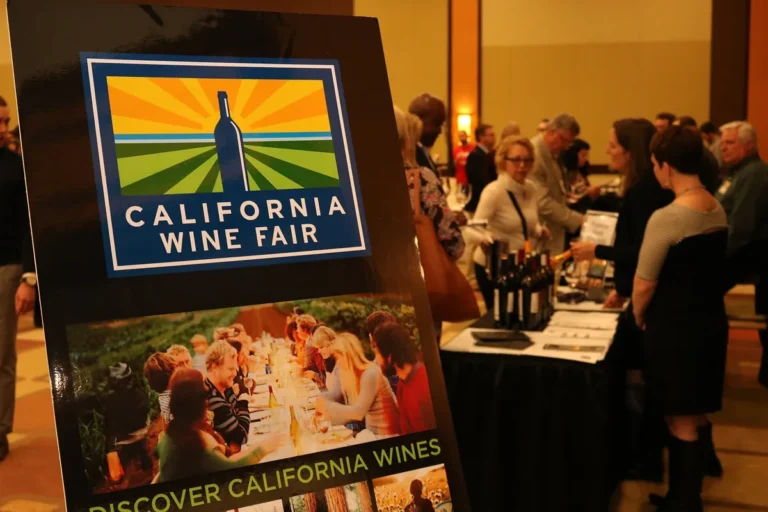
A large juried art and craft exhibition and sale forms the centre of the weekend. Artists occupy booths across the Ski Butternut grounds, each booth a small gallery of one maker’s work, and visitors move between them talking with the people who made what is on display. Because the show is juried, exhibitors passed a selection process rather than simply renting space, and that selection is the visitor’s first guarantee of quality.
The range of media is unusually wide. The layers list ceramics, jewellery, furniture, glass, painting, sculpture, fibre, leather, metalwork, mixed media, photography and woodworking. A single walk can pass hand-thrown stoneware, a crafted dining table, blown glass, oil paintings, garden sculpture, woven textiles, leather bags, forged metal and framed photographs. Few exhibitions hold furniture, jewellery and large painting together at this scale.
Live music runs daily. A feature layer describes jazz trios performing at the festival, naming the acts within its own coverage, and the music belongs to the published programme rather than being decoration. Jazz suits the setting: it carries across open ground without drowning conversation at the booths, and it lets the show feel like a festival instead of only a market.
The 2026 edition ran rain or shine, worth taking literally in the Berkshires, where a July weekend can deliver hot sun and a thunderstorm in one afternoon. Friday and Saturday hours ran from ten in the morning to six in the evening; Sunday ran to five, leaving evenings free for the holiday’s other pleasures. Admission was sixteen dollars for adults, twenty dollars for a weekend pass, eight dollars for students and nothing for children under ten, with one feature layer noting cash only at the gate. Booth fees artists pay, mentioned in trade layers, are exhibitor costs, not visitor admission.
Planning Your Visit
Great Barrington rewards an early start, because the town is a destination in its own right on a holiday weekend and its cafés, shops and roads fill as morning goes on. Aim to reach Ski Butternut near the ten o’clock opening for the calmest first hour, when conversations are unhurried and the most distinctive one-of-a-kind pieces still sit on their shelves. Collectors with a particular artist in mind often treat Friday as a buying day and later days as time for a second, slower look.
Money planning is simple but specific. The weekend pass at twenty dollars suits anyone staying locally who expects a second day, and it beats paying the adult rate twice. Students should carry identification, and everyone should bring cash, since a feature layer describes the gate as cash only. Inside, artists handle their own sales, so arrangements for larger pieces such as furniture are made maker by maker.
Weather shapes the day more than any other factor. The show is outdoors and proceeds rain or shine, so a forecast check the night before, shoes for damp grass, sun protection and a light layer all earn their place. Work bought at the show may need carrying some distance, so think about bags and wrapping before falling for the largest painting on the grounds.
A Sample Itinerary
A relaxed Friday might begin with arrival at the opening hour and one full circuit of the booth rows without buying anything, noting which makers deserve a return visit. Late morning suits longer stops at the furniture, painting and sculpture booths. Around midday, settle near the music for the day’s jazz and decide which morning favourites still hold their appeal, then give the afternoon to jewellery, glass and ceramics, ending with first purchases before the six o’clock close.
Saturday works well as the deep-dive day for weekend pass holders: return to two or three artists for unhurried conversation about commissions or delivery of a large piece, then explore sections given least attention on Friday. Sunday suits a gentler pattern. With the close at five, plan backwards from any final purchase, leaving time for wrapping, then take a morning circuit, a last listen to the jazz and a farewell pass through the fibre, leather and woodworking booths.
Comparing the Festival With Its Neighbours
The closest comparison is also the easiest to confuse. Great Barrington hosts another craft event, the Berkshire Craft Fair, in August, which appears alongside this festival in artists’ own show lists. The two are separate events in separate months; a visitor who loved the July festival cannot assume the August fair is the same show returning.
Artists’ show lists also place this festival in a circuit with events in Rhinebeck and in Wickford, which share exhibitors and a juried character; a maker may show at several of them across a season. What distinguishes the Great Barrington weekend within that company is its mountain venue and holiday timing, a setting and crowd a fairground or village green elsewhere does not duplicate.
A different kind of neighbour shares the same weekend. Tanglewood, the celebrated summer home of orchestral music in the Berkshires, performs across the holiday period, and a visitor could attend both it and the arts festival on one trip. The two are entirely separate in organisation and programme, one built around concerts and the other around exhibiting makers. Treated as complements, they show how much cultural weight the Berkshire summer carries.
Beyond the Festival Grounds
Great Barrington itself extends a festival day naturally. Its streets hold independent shops, galleries, restaurants and cafés that stay lively through the holiday weekend, and many visitors build dinner in town into their plans. The town’s year-round gallery scene also gives the show context: the festival concentrates a creative economy the Berkshires support in every season into one visible weekend.
The wider southern Berkshires open out around the town. Villages such as Sheffield, Stockbridge and Lenox carry their own summer character, from antiques shops and historic houses to gardens and theatre, while the hills between them offer walks for hours when the festival is closed.
Why the Festival Matters
A juried festival of this size is an economic engine for working artists. For many exhibitors, a strong Fourth of July weekend forms a significant share of a summer’s income, and direct contact with buyers lets makers explain their processes, accept commissions and build the following that sustains studio practice through winter. The booth fees and travel costs artists carry are real, and a well-attended show is how those costs turn into livelihoods.
For the region, the festival adds a visual-arts pillar to a summer already famous for music and theatre. A large open-air exhibition of contemporary craft at a ski mountain’s base makes the Berkshires’ culture-meets-landscape promise literal, and visitors also spend in Great Barrington’s restaurants and lodgings.
There is also a quieter value in the jury system. By selecting exhibitors across twelve media and holding a standard, the festival teaches its audience how to look: why one pot succeeds, what fine joinery feels like, how a photographer’s printing choices change an image. Visitors leave with sharper eyes even when they leave empty-handed.
Frequently Asked Questions
Which artists exhibit, and how are they chosen?
Exhibitors are juried artists from across the United States and Canada, selected through the festival’s jury process rather than admitted first-come. Most layers describe about one hundred and sixty-five artists, while one regional layer gives one hundred and eighty-five; both figures remain part of the record. Their work spans ceramics, jewellery, furniture, glass, painting, sculpture, fibre, leather, metalwork, mixed media, photography and woodworking.
How were gate prices structured in 2026?
The 2026 terms set adult admission at sixteen dollars, a full weekend pass at twenty dollars, student admission at eight dollars and free entry for children under ten. A feature layer notes that the gate took cash only, so visitors were wise to arrive with notes in hand. Artist booth fees mentioned in trade layers are exhibitor costs and were never part of the visitor admission structure.
What happens if rain arrives during the weekend?
The show carries on. The 2026 edition was presented as rain or shine across all three days, Friday 3 July to Sunday 5 July, running ten in the morning to six in the evening on Friday and Saturday and to five on Sunday. Visitors watching unsettled forecasts were best served by outdoor footwear and a light waterproof layer.
Who presents and produces the festival?
The layers print several organisation forms without merging them: American Art Marketing appears as a presenter form in a venue layer, while An American Craftsman and An American Craftsman Galleries appear as co-presenter and producer forms in poster and feature layers. A producing couple described in the feature coverage is referred to here by role, as the festival’s producers.
What to Expect From the Next Berkshire Massachusetts Berkshires Arts Festival
How often is Berkshire Massachusetts Berkshires Arts Festival held?
The record presents the festival as a summer event built around the Fourth of July weekend, with 2026 billed as its twenty-sixth year and a feature layer describing it as a holiday-weekend anchor since it first opened at Ski Butternut. An edition each summer is the rhythm the layers support, though visitors should confirm the coming year’s arrangements through the festival’s own announcements rather than assuming details carry forward.
When is the next Berkshire Massachusetts Berkshires Arts Festival?
No layer read prints a date for an edition after the 2026 weekend of Friday 3 July to Sunday 5 July. Given the established holiday-weekend pattern, the natural expectation is another edition around the following Fourth of July weekend in Great Barrington, but that is an inference from the pattern, not a published date. Confirmed dates for any future edition will be the ones the organisers themselves release.
Will the dates change?
Dates for a future edition could in principle differ from the 2026 weekend, because no later dates appear in the layers read at all. The strongest guide is the festival’s own history: an event described as a Fourth of July weekend anchor for twenty-six years has powerful reasons to keep its calendar place. Until organisers publish their next dates, the holiday-weekend pattern is likely but unconfirmed.
For a visitor weighing a Berkshire summer, the record points one way. A twenty-sixth-year juried show, more than one hundred and sixty artists by most counts, twelve media under open sky, daily jazz and a mountain setting across the holiday weekend: few events gather so much of what the region does well into three days. Whether the goal is a serious purchase, a family day among handmade things, or an hour of music between the booth rows, the Berkshires Arts Festival earns its weekend.