Penobscot County Maine Indigenous Peoples’ Day Film Festival
The first Indigenous Peoples’ Day Film Festival in Bangor filled one Sunday afternoon with seven films, a single theme, and a room full of neighbours who had come to listen rather than to be entertained in passing. Environmental Justice was the thread that ran through the day, and the films that carried it came almost entirely from the Sunlight Media Collective, a Maine-based group whose work follows Wabanaki culture, history, and the issues facing tribal communities. The gathering took place on Sunday 11 October 2026, from half past one in the afternoon until half past seven in the evening, inside the Unitarian Universalist Church on Park Street. Bangor, the seat of Penobscot County, hosted the first edition, and the sponsors behind it were the Sunlight Media Collective and the Peace and Justice Center of Eastern Maine. Entry cost nothing, with donations welcomed, and the afternoon closed with Homeland: Four Portraits of Native Action, the last of the seven films.

About
The Indigenous Peoples’ Day Film Festival arrived in Bangor as a new gathering with a plain shape: seven films shown in sequence across a single afternoon, all gathered under one theme. Six of the seven came from the Sunlight Media Collective, and the seventh came from elsewhere, so the day belonged largely to one Maine-based group and the stories it has chosen to tell. The theme, Environmental Justice, set the terms for the afternoon, with Wabanaki communities maintaining treaty-reserved fishing, hunting, and gathering, alongside ceremonies, at the centre of the material. A radio archive layer and a news layer both document the first edition, and the two agree on the date, the hours, the venue, and the programme, which gives the first gathering a firmer footing than a single announcement would. One small wrinkle sits inside the radio archive layer, which prints the collective’s name as Sunlight Media Collective in one passage and as Sunrise Media Collective in another; the two forms are left unmerged, and the news layer’s Sunlight Media Collective governs. The Peace and Justice Center of Eastern Maine stood beside the collective as a sponsor, and the church on Park Street gave the afternoon a room that suits quiet watching and unhurried conversation between films. The six films from the collective give the day a single voice, while the seventh film opens the programme to an outside perspective, so the afternoon is neither a showcase for one group alone nor a scattered survey. Bangor’s place as the county seat also matters here, because a gathering in the county seat can draw visitors from across Penobscot County rather than from one neighbourhood alone.
Quick Facts
| Detail | Fact |
| Festival | Indigenous Peoples’ Day Film Festival |
| Host town | Bangor, Maine |
| County seat | Bangor, Penobscot County |
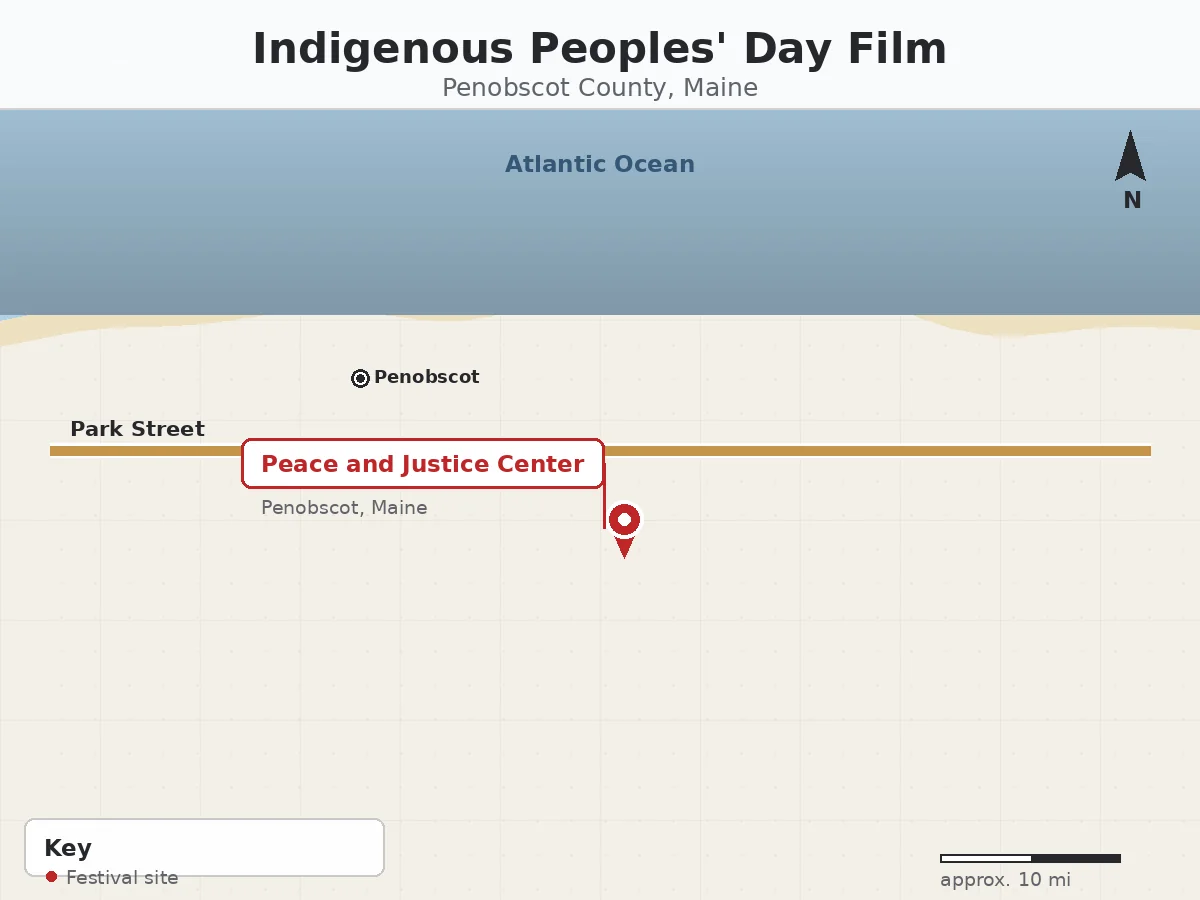
| Venue | Unitarian Universalist Church, Park Street, Bangor |
| First edition | Sunday 11 October 2026 |
| Hours | Half past one in the afternoon until half past seven in the evening |
| Films | Seven, all but one produced by the Sunlight Media Collective |
| Theme | Environmental Justice |
| Sponsors | Sunlight Media Collective and Peace and Justice Center of Eastern Maine |
| Admission | Free, with donations accepted |
History
The 2026 gathering was explicitly the first Indigenous Peoples’ Day Film Festival, and no earlier edition is documented anywhere in the layers read. That plain statement matters, because it keeps the festival’s story short and honest: the event began in Bangor in October 2026, in a church on Park Street, with seven films and a theme that tied the afternoon together. The name reaches toward Indigenous Peoples’ Day, the observance that honours Indigenous peoples, and the festival carried that observance into a room where Wabanaki stories could be watched and discussed. The Wabanaki peoples are the Indigenous peoples of Maine and the wider Dawnland region, and the collective’s work follows their culture, their history, and the issues their communities face, including the treaty-reserved rights to fish, hunt, and gather, and the ceremonies that remain part of community life. No founding year is computed here, because the first edition is the beginning of the record, and arithmetic on a single date would add nothing the layers themselves do not say. The sponsors, the Sunlight Media Collective and the Peace and Justice Center of Eastern Maine, are the two names attached to the first edition, and the programme they assembled ran from the early afternoon into the early evening without a break in its purpose. The choice of a church as the venue also belongs to the story, because a church offers a room where a whole afternoon of films can be watched in comfort, and where the audience can sit together without the noise and movement of a fairground. A first edition held in such a room sets a tone that later editions, if any come, would have to live up to.
What to Expect
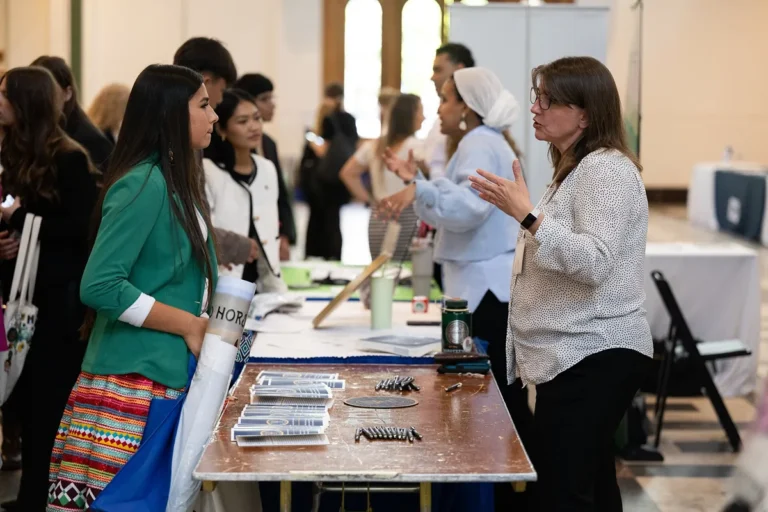
Visitors who came to the first edition found a seated afternoon of films rather than a fairground or a street party. Seven films ran in sequence across six hours, so the day asked for patience and attention in a way that a single screening does not. The Environmental Justice theme held the programme together, and the films returned again and again to Wabanaki communities and the land and waters they have used under treaty-reserved rights. The closing film, Homeland: Four Portraits of Native Action, ended the day, and staying for it meant seeing the programme through to its planned finish. The church setting shaped the mood: a room built for listening, with rows of seats and a quiet that suits a film far better than a crowded hall. Entry was free, with donations accepted, so nobody needed a ticket or a reservation to take a seat. The sponsors were present in the background rather than on a stage, and the afternoon belonged to the films themselves, to the conversations they started, and to the neighbours who had chosen to spend a Sunday afternoon inside rather than out on the town.
Planning Your Visit
Bangor is the seat of Penobscot County and the commercial centre of the region, and the Unitarian Universalist Church sits on Park Street in the city, within easy reach of the downtown streets. Plan to arrive before half past one in the afternoon, because the programme begins then and the seven films run in sequence through the afternoon. Entry is free, with donations accepted, so bring a contribution if you wish to support the gathering, and expect a collection rather than a ticket desk. Set aside the whole afternoon, from the early afternoon until half past seven in the evening, because the programme is built as a single run of films and the closing film is part of the day rather than an optional extra. Dress for a long sit in a church, and bring whatever you need to stay comfortable through six hours of viewing. The layers read give no parking or transport particulars for the venue, so make your own arrangements for reaching Park Street and allow time to find the church. A free afternoon with a serious theme rewards visitors who arrive unhurried and ready to listen.
For a useful comparison, see the Penobscot County Maine Maine Science Festival for another county festival.
Sample Itinerary
Spend the morning in downtown Bangor, walking the streets of the county seat and taking in the Penobscot River waterfront before the afternoon begins. Arrive at the Unitarian Universalist Church on Park Street in good time before half past one, find a seat, and settle in for the run of films. The early afternoon belongs to the first films in the programme, and the Environmental Justice theme will already be clear by the time the second or third film begins. Stay through the middle of the afternoon as the programme moves from one film to the next, and use any pause between films to talk with the people around you about what has been shown. The closing film, Homeland: Four Portraits of Native Action, brings the day to its planned end in the early evening. Leave the church after half past seven and walk back through downtown Bangor, where the evening streets give the afternoon’s films time to settle. The day asks little of a visitor beyond an open afternoon and a willingness to watch, and the itinerary above keeps the whole of it within a single Sunday.
Comparison
The nearest point of comparison is the Abbe Museum Indian Market Indigenous Film Festival, held in the Bar Harbor area in 2018 during the Abbe Museum Indian Market. That event belonged to a market weekend, with films shown alongside the stalls and crowds of a larger gathering, while the Bangor festival stands alone as a single afternoon of films in a church, with a single theme and a named closing film. The two share an interest in Indigenous film, and the two differ in setting, shape, and scale. Single film screenings elsewhere in Maine on or around Indigenous Peoples’ Day offer another contrast: a lone screening gives a viewer one film and one evening, while the Bangor gathering gives seven films across six hours, so the afternoon can follow a theme through several voices rather than a single one. A conventional film festival, with multiple venues and a programme spread over days, sits further away still, because the Bangor festival keeps everything in one room on one day. The first edition is small, focused, and free, and those three qualities together set it apart from the market festival in Bar Harbor and from the scattered screenings elsewhere in the state.
Checklist
- Arrive at the Unitarian Universalist Church on Park Street before half past one in the afternoon
- Set aside the full afternoon, until half past seven in the evening
- Bring a donation for the collection, since entry is free
- Expect seven films shown in sequence, with a single theme running through them
- Stay for Homeland: Four Portraits of Native Action, the closing film
- Dress for a long sit in a church
- Allow time to find the church on Park Street in downtown Bangor
- Bring whatever you need to stay comfortable through six hours of viewing
- Leave room in the evening to talk over the films with the people around you
Beyond the Festival
Bangor rewards a visitor who lingers after the films end. The city stands on the Penobscot River, and the waterfront gives a quiet walk after an afternoon indoors, with the river running beside the downtown streets. The city is the seat of Penobscot County and the commercial centre of the region, so its downtown holds shops, places to eat, and streets worth walking without any need for a plan. A morning spent downtown before the festival, or an evening spent there after the closing film, rounds out a day that is otherwise given over to watching. The Penobscot River has shaped Bangor since the city’s early days as a lumber port, and the waterfront remains the natural place to end a visit. Visitors who come for the festival and stay for the city will find that Bangor’s scale suits a slow day: everything worth seeing sits within a short walk, and the river is never far away.
Significance
The first edition matters because it puts Wabanaki stories on a screen in the county seat, in a room where neighbours can watch them together. The Sunlight Media Collective is a Maine-based group, and its work follows Wabanaki culture, history, and the issues facing tribal communities, so the films carry a local voice rather than a distant one. Environmental Justice, the theme of the first gathering, turns the afternoon toward the treaty-reserved rights to fish, hunt, and gather, and toward the ceremonies that remain part of community life, which gives the programme a weight that entertainment alone would not carry. A free afternoon in a church, sponsored by the collective and the Peace and Justice Center of Eastern Maine, opens the door to anyone who wishes to come, and the absence of a ticket keeps the gathering closer to the community it serves. The festival is new, and its first edition is its whole history so far, yet the choice of theme and the choice of venue already say something about the gathering its sponsors hope to build: a quiet room, a serious subject, and films that ask their audience to listen.
Frequently Asked Questions
What does the Environmental Justice theme cover in the films?
The theme turns on Wabanaki communities maintaining treaty-reserved fishing, hunting, and gathering, alongside ceremonies, and on the wider issues facing tribal communities. The films follow those subjects through the afternoon, and the theme gives the seven films a shared direction rather than leaving each one to stand alone.
Do visitors need a ticket to enter the church?
No ticket arrangement appears in the layers read. Entry was free, with donations accepted, for the first edition, so visitors could take a seat without buying anything and could contribute to the collection if they wished.
Who put the first edition together?
The Sunlight Media Collective and the Peace and Justice Center of Eastern Maine are named as sponsors. The collective supplied all but one of the seven films, and the Peace and Justice Center stood beside it as a sponsor of the gathering.
Why is the closing film worth staying for?
Homeland: Four Portraits of Native Action is the last of the seven films, so staying for it means seeing the programme through to its planned finish. The afternoon is built as a single run of films, and the closing film is part of the day rather than an extra after the main event.
What to Expect From the Next Penobscot County Maine Indigenous Peoples’ Day Film Festival
How often is Penobscot County Maine Indigenous Peoples’ Day Film Festival held?
Only one edition is documented, the first, on Sunday 11 October 2026. The layers read establish a first gathering, not a repeating pattern, so no rhythm of return can be stated from the material available.
When is the next Penobscot County Maine Indigenous Peoples’ Day Film Festival?
The material read gives no date for a second gathering, so nothing can be promised about a return. The first edition stands alone in the record, and any future date would have to be announced before it could be given here.
Will the dates change?
With only a first edition on record, there is no established date to move. A future gathering would set its own date rather than alter one, and the Sunday in October 2026 remains the single dated edition in the record.
The first Indigenous Peoples’ Day Film Festival in Bangor was a small beginning with a serious purpose: seven films, one theme, a church on Park Street, and an afternoon given over to Wabanaki stories and the questions of Environmental Justice. Its sponsors made the day free, and its audience made the room full. Whether the gathering returns, and when, remains unwritten, yet the first edition already shows what the festival can be when neighbours gather to watch and listen together.