Taylor County Kentucky Homeplace Fall Heritage Festival
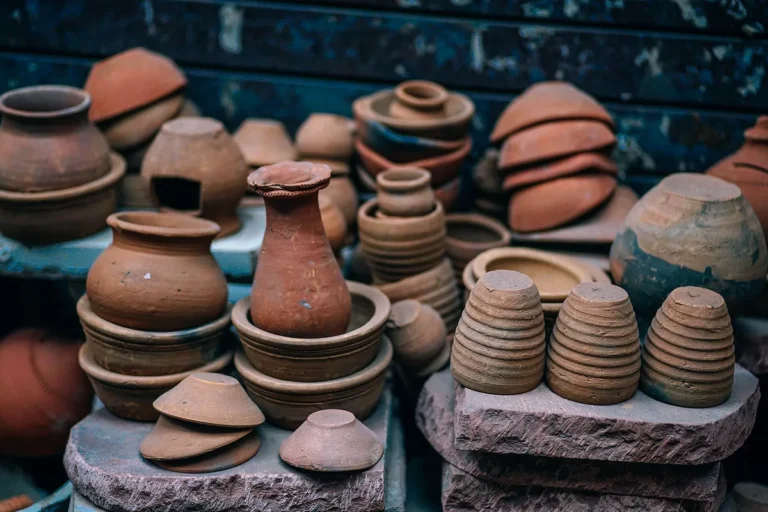
On a September Saturday, a historic farm on New Columbia Road near Campbellsville fills with the ring of a blacksmith’s hammer. The Fall Heritage Festival at Homeplace on Green River celebrates the way Kentucky farm families once lived and worked, staged on ground farmed for more than two centuries. Visitors watch blacksmiths and potters work with nineteenth-century tools, study quilts that represent months of patient stitching, and spend an unhurried day outdoors.
About
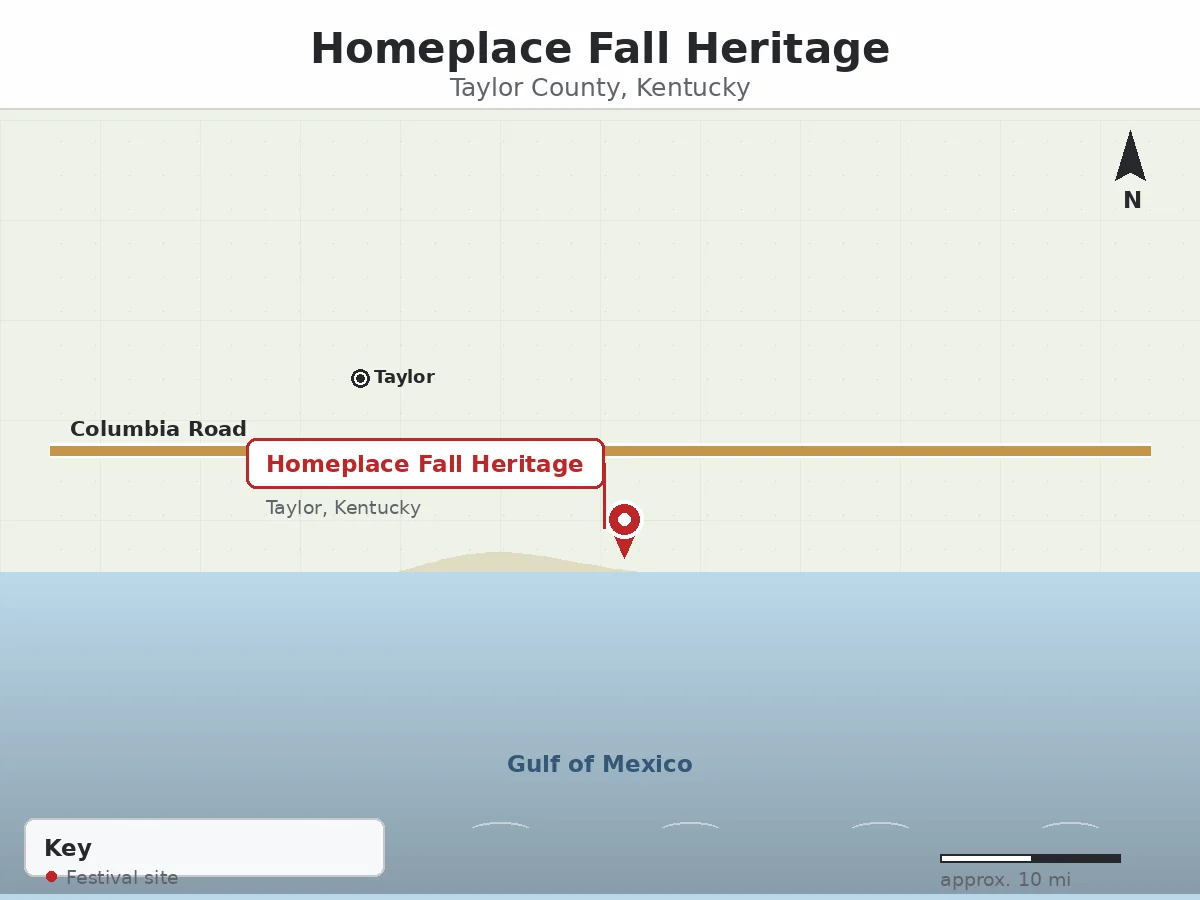
The Fall Heritage Festival is held each September at Homeplace on Green River, a historic farm on New Columbia Road, Kentucky Highway 55, near Campbellsville in Taylor County. Campbellsville is the county seat of Taylor County, and the farm sits a short drive from the centre of town, out where the road runs past fields and wooded creek bottoms toward the Green River. The published name of the event is simply “Fall Heritage Festival”, and the organiser’s own newsletter has printed the fuller form “Homeplace Fall Heritage Festival” for one edition. The sheet title used for this article is never printed as the event’s name in the layers read. Homeplace on Green River is the organiser, administered by an independent board of directors with representation from Taylor, Green and Adair counties, and the festivals are described by the organiser as fundraisers for the organisation.
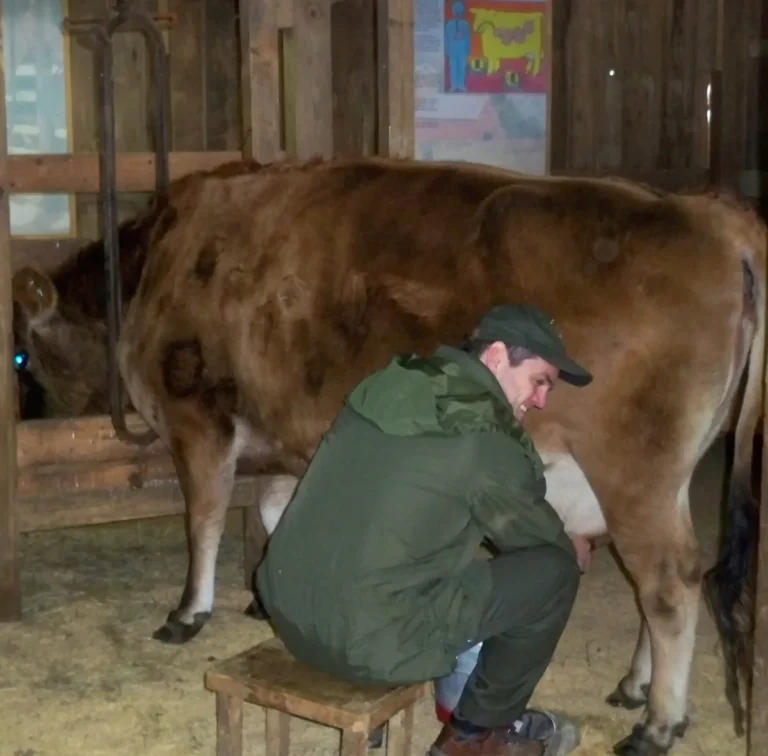
The farm is a two hundred twenty-seven-acre historic property, and the festival uses its open ground, barns, and demonstration areas to stage a day of heritage craft and farm life. A state magazine layer describes Homeplace as a historical and natural resources conservation site, established in two thousand one, while the farm itself has been worked for more than two hundred years as the Tate family farm, from about eighteen hundred three. Those two dates belong to different stories, and the article keeps them apart. The organiser’s own site describes two annual festivals: an April spring plow day and the September fall heritage festival. Visitors should expect a day built around watching skilled hands at work: blacksmiths at the forge, potters at the wheel, and horse and mule teams demonstrating hay and corn harvest work. Children ride ponies and wander a corn maze, while food trucks serve lunch and local vendors sell handmade goods.
Quick Facts
| Detail | Information |
| Festival | Fall Heritage Festival at Homeplace on Green River |
| Host town | Campbellsville, the county seat of Taylor County |
| Venue | Homeplace on Green River, on New Columbia Road, Kentucky Highway 55, near Campbellsville |
| Setting | A two hundred twenty-seven-acre historic farm |
| Organiser | Homeplace on Green River, administered by an independent board of directors |
| Usual season | September, on a Saturday |
| Usual hours | Morning through late afternoon |
| Signature activities | Blacksmithing and pottery demonstrations, quilt show, hayrides, pony rides, corn maze |
| Food and drink | Food trucks and local vendors |
| Admission note | No festival-specific gate price is stated in current layers |
History
The history of the Fall Heritage Festival is best understood through the history of the ground it stands on. The farm at Homeplace on Green River has been worked for more than two hundred years, and a state magazine layer traces it to the Tate family farm, worked from about eighteen hundred three. The farm is not a replica built for visitors, but a place where generations of one family raised crops and kept livestock. When Homeplace was established in two thousand one as a historical and natural resources conservation site, the farm’s working past became its public purpose.
The earliest documented edition dates to September eleventh, two thousand ten, when a state magazine feature described a day running from nine in the morning to five in the afternoon. Blacksmiths and potters demonstrated nineteenth-century tools and techniques, arts and crafts were for sale, a quilt show filled one of the display areas, and horse and mule teams demonstrated hay and corn harvest work in the fields. The organiser’s own newsletter bills a “Homeplace Fall Heritage Festival” on September tenth, two thousand sixteen, the one edition that prints the fuller name form. The organiser’s own blog schedules the Fall Heritage Festival on September eleventh, two thousand twenty-one, noting the spring plow day on April twenty-fourth of the same year.
For a useful comparison, see the Taylor County Kentucky Homeplace Spring Plow Day and Festival for another county festival.
City tourism layers document the September seventh, two thousand twenty-four edition with live music, food trucks, a four-H petting farm, hayrides, pony rides, a kiddie barrel train, a bird-of-prey exhibit, bounce houses, a corn maze, and games. The organiser’s own vendor-information page bills the September sixth, two thousand twenty-five edition as the “eighteenth annual” Fall Heritage Festival, running nine in the morning to four in the afternoon, with crafts and handmade, homemade and homegrown vendors only, food vendors by invitation only, and the event held rain or shine. The “eighteenth annual” billing is recorded exactly as the organiser printed it, and no founding year is derived from it.
What to Expect
A day at the Fall Heritage Festival begins with the farm itself. Visitors arrive along New Columbia Road and find a working landscape rather than a fairground: barns, fences, pasture, and demonstration areas spread across the property. The blacksmith’s forge is the natural first stop, where a crowd gathers to watch iron take shape. Nearby, potters work clay into bowls and jars. Both demonstrations reward patience.
The quilt show is a second anchor of the day. Finished quilts hang where visitors can study the pattern work and the stitching up close, and the craft vendors nearby sell handmade goods of the same spirit, made by hand in small quantities. The vendor rules for the two thousand twenty-five edition admitted crafts and handmade, homemade and homegrown vendors only, with food vendors by invitation only.
Children find plenty to do between the craft areas. Pony rides and hayrides run through the day, the kiddie barrel train circles its small route, and the corn maze offers a gentle adventure for younger visitors. The petting farm lets children meet the animals at close range, and the bird-of-prey exhibit in two thousand twenty-four let families see raptors up close. Bounce houses and games fill out the children’s side of the day, and live music plays across the farm. Food trucks serve lunch, and families often settle on the grass to watch the demonstrations from a distance. The horse and mule teams are the festival’s living link to the farm’s working past. The day closes in the late afternoon, when the demonstrations wind down and families drift back toward their cars with quilts, pottery, and jars of something homemade.
Planning Your Visit
Plan around a Saturday in September and an arrival in the morning, when the demonstrations are fresh and the farm is at its liveliest. The most recent editions have run from nine in the morning to four in the afternoon. The festival is held rain or shine, according to the organiser’s own vendor-information page for two thousand twenty-five, so bring a light jacket and footwear suited to grass and gravel. The farm sits on New Columbia Road, Kentucky Highway 55, near Campbellsville, and the drive from town is short. Parking is on farm ground, so allow a few extra minutes to walk to the demonstration areas, and expect uneven ground underfoot. A hat and water bottle are worth carrying, and families with small children may want a stroller that handles grass. No festival-specific gate price is stated in the current layers read, so visitors should check the organiser’s own pages close to the day. A two thousand ten state magazine feature on Homeplace states admission is free, but that statement concerns visiting the site generally, and the article does not stretch it into a claim about the current festival gate. Vendor fees charged by the organiser are vendor charges, not visitor admission. Bring cash as well as a card for the craft vendors and food trucks, and plan on lunch from the food trucks.
A Sample Day at the Festival
Arrive just after nine in the morning, when the gates have opened and the blacksmith’s forge is already lit. Spend the first hour at the forge and the pottery area, and ask the demonstrators about their tools. Move on to the quilt show before the midday crowd, and browse the craft vendors nearby while the morning is still cool. Take lunch from a food truck around midday and eat on the grass. After lunch, let the children lead: pony rides, the kiddie barrel train, the petting farm, and the corn maze fill the early afternoon. Slip away to watch the horse and mule teams at work in the fields. Finish the afternoon with a last pass through the craft vendors, choosing something handmade to carry home.
How It Compares
The Fall Heritage Festival sits in a distinct corner of Kentucky’s September calendar. Unlike a county fair, it has no midway rides and no livestock judging; unlike a music festival, its stage is a companion to the day rather than its centre. Its closest cousins are the heritage and harvest festivals that stage old skills on old ground. Within Taylor County it has a natural sibling in the April spring plow day at the same farm: the spring event shows the farm at planting time, while the fall event shows it at harvest, with the craft market, the quilt show, and the corn maze. A downtown street festival fills a town square with vendors and stages; Homeplace fills a farm with work. Visitors walk pasture and farm track, watch teams work a field, and buy handmade goods within sight of the barns. That setting gives the day a slower rhythm and a smaller scale.
A Visitor Checklist
- Arrive near opening to catch the demonstrations fresh
- Wear shoes suited to grass and gravel
- Bring a hat and a water bottle
- Carry cash as well as a card
- Plan lunch from the food trucks on site
- Let children try the pony rides and corn maze
- Watch the blacksmith and potter work
- Study the quilt show before the midday crowd
- Ask the demonstrators about their tools
- Expect the event to run rain or shine, and dress accordingly
- Allow time to walk between demonstration areas
- Check the organiser’s pages close to the day
Beyond the Festival
Campbellsville, the county seat, makes a natural base for a festival visit. The Green River runs through the county’s story, and the farm’s position near the river explains its long working life. The festival also pairs naturally with its April sibling, the spring plow day at the same farm. A visitor who comes in September and returns in April sees the farm’s year whole: the plow teams breaking ground in spring, the harvest demonstrations and craft market in fall. The homesteading conference held at a similarly named Green River venue is a different event and is not part of this story.
Why It Matters
The Fall Heritage Festival matters because it keeps old skills visible in the place where they were once practised for a living. A blacksmith’s forge, a potter’s wheel, and a team of mules in a field are not museum pieces at Homeplace — they are demonstrations on a farm that was worked by one family for more than two centuries. The quilt show honours months of patient handwork that would otherwise stay in private homes. The festival also matters as a fundraiser for the organisation that cares for the farm. Homeplace on Green River is administered by an independent board with representation from three counties, and the festivals help support a conservation site that would otherwise depend on grants and gifts. Every vendor fee and every purchase at a craft stall helps keep the barns standing and the ground open.
Frequently Asked Questions
What makes the fall festival at Homeplace different from other September events in Taylor County?
The setting and the programme set it apart. The festival is held on a two hundred twenty-seven-acre historic farm rather than a town square, and its centre is heritage craft demonstration — blacksmithing, pottery, quilting, and horse and mule team work — rather than a midway or a concert bill. The April spring plow day at the same farm is its sibling event, showing the farm at planting time, while the fall festival shows it at harvest.
When do the gates open, and how long does the day run?
The most recent documented editions have run from nine in the morning to four in the afternoon, including the September sixth, two thousand twenty-five edition and the September twelfth, two thousand twenty-six edition. An earlier documented edition, September eleventh, two thousand ten, ran from nine in the morning to five in the afternoon. Arriving near opening gives the fullest day.
Are the craft vendors at the festival open to anyone, or chosen in advance?
The organiser’s own vendor-information page for the two thousand twenty-five edition states that crafts and handmade, homemade and homegrown vendors only were admitted, with food vendors by invitation only, and that the event was held rain or shine. Vendor fees charged under the organiser’s vendor applications are vendor charges, not visitor admission.
Does the festival have a connection to the farm’s long history?
Yes, and the connection is the point of the event. The farm has been worked for more than two hundred years as the Tate family farm, from about eighteen hundred three, and Homeplace was established in two thousand one as a historical and natural resources conservation site. The festival stages the old skills on the ground where those skills were once practised for a living.
What to Expect From the Next Taylor County Kentucky Homeplace Fall Heritage Festival
How often is Taylor County Kentucky Homeplace Fall Heritage Festival held?
The organiser’s own site describes two annual festivals at Homeplace on Green River: an April spring plow day and the September fall heritage festival. The September event is the fall half of that yearly pair.
When is the next Taylor County Kentucky Homeplace Fall Heritage Festival?
The most recent documented edition in the layers read is September twelfth, two thousand twenty-six, listed in a state magazine events layer with hours of nine in the morning to four in the afternoon. The festival’s pattern is a September Saturday, and the organiser’s own pages are the place to confirm the next date.
Will the dates change?
The festival’s pattern has been a September Saturday, but the exact Saturday has moved within the month — September eleventh in two thousand ten, September tenth in two thousand sixteen, September eleventh in two thousand twenty-one, September seventh in two thousand twenty-four, September sixth in two thousand twenty-five, and September twelfth in two thousand twenty-six. Visitors should confirm the current year’s Saturday rather than assuming last year’s date.
The Fall Heritage Festival at Homeplace on Green River is, at its heart, a September day on a farm worked for more than two centuries, where the old skills are still practised in the open.