Lincoln County Kentucky Hustonville Heritage Days Festival
In the small Lincoln County town of Hustonville, Kentucky, a festival carrying the printed name Hustonville Heritage Days Festival has surfaced in festival-listing layers often enough, and across enough separate years, to leave a recognisable outline. Four dated editions stand in the listing record between two thousand twenty-two and two thousand twenty-six, and a regional tourism layer fills in the flavour of the event with live bands, vehicle shows, old-fashioned contests, food trucks and vendors. Yet the outline is all that exists. No organiser’s own site was found for the festival, and no press coverage either, so everything that can honestly be said about Heritage Days comes from listing layers, one tourism layer, an event-directory layer, a car-events layer and an event-aggregator layer. That is a moderate record, and this article treats it as one: the documented dates and programme elements are set out in full, and so are the gaps.

The gaps matter because the listing record does not sit still. The earliest documented edition falls in August, the three later ones fall in June, and the same listing layer that carries those summer dates also carried a single one-day listing in November of the first documented year. Nothing in the sources read explains the movement, settles on one month, or reaches back to a founding year. What follows is a festival known by its listings: real, repeated, and only partly described.
About
The name under which the event travels is printed consistently as Hustonville Heritage Days Festival. That form appears in festival-listing layers, in an event-aggregator layer, and in a car-events layer listing the festival’s car show. The title at the head of this article matches the printed form, county prefix aside.
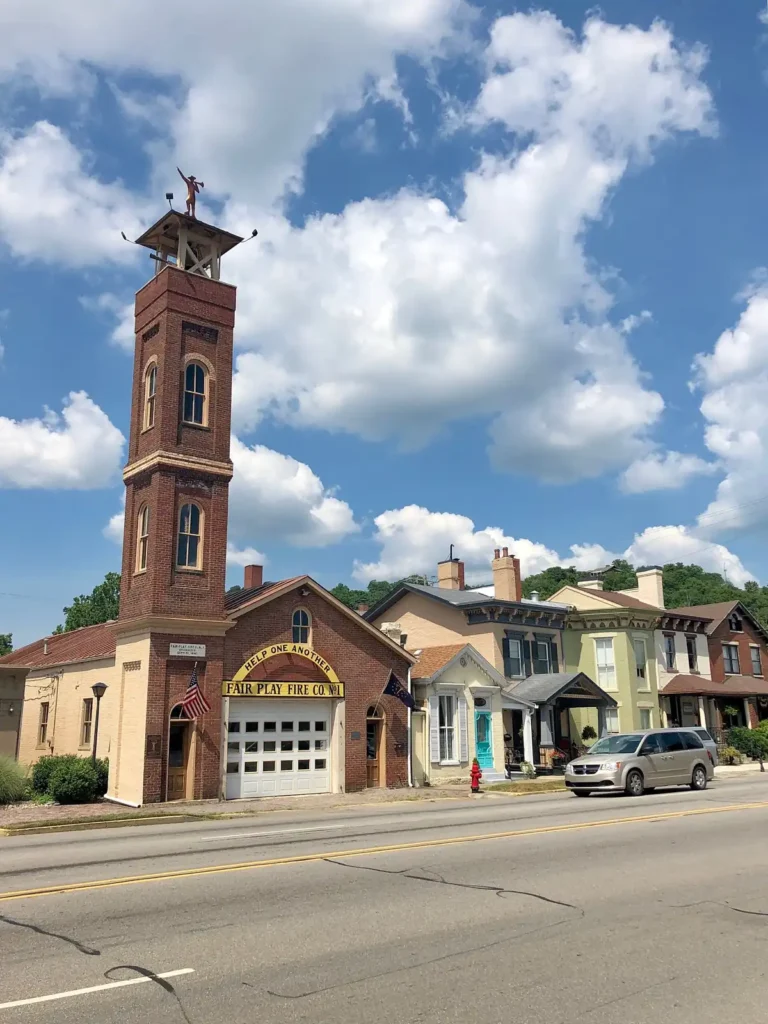
Hustonville is a small town in Lincoln County, Kentucky. It is not the county seat: a state county-formation table layer confirms Stanford holds that seat, and the festival therefore belongs to one of the county’s smaller communities rather than to its seat of government. An event-directory layer places the festival on Main Street in Hustonville, which fits the shape of the programme described by the regional tourism layer — a street-centred gathering built around music, vehicles, contests and food.
Who organises the festival is a question the sources read do not answer. No organiser is named in any of them. A registry layer lists an organisation bearing the festival’s own name in Hustonville, and a registry identifier exists for it, but the existence of that listing is all that can be reported; no person, committee or office steps forward in the record to claim the event.
For a useful comparison, see the Lewis County Kentucky Larkin Liles Festival for another county festival.
Quick Facts
| Item | Detail |
| Published name | Hustonville Heritage Days Festival |
| Host town | Hustonville, Lincoln County, Kentucky |
| County seat | Stanford; Hustonville is not the seat |
| Venue as printed | Main Street, Hustonville |
| Earliest documented edition | The fifth to the sixth of August, two thousand twenty-two |
| Later documented editions | June two thousand twenty-three; June two thousand twenty-five; June two thousand twenty-six |
| Additional listing | One day, the fifth of November, two thousand twenty-two |
| Programme as described | Live bands, motorcycle and car shows, hay-bale tossing and nail-driving contests, food trucks and vendors |
| Admission | No price stated in the sources read |
| Organiser | None named in the sources read |
History
The documented history of the festival begins, so far as the sources read are concerned, in the summer of two thousand twenty-two. A festival-listing layer records an edition on the fifth and sixth of August of that year, and a car-events layer independently places the Hustonville Heritage Days Car Show on the sixth of August, running from ten in the morning to two in the afternoon. Two layers touching the same weekend from different directions give that first documented edition a firmer footing than a single listing would.
After two thousand twenty-two, the listing layer’s dates move. The next documented edition falls on the twenty-third and twenty-fourth of June, two thousand twenty-three. No edition for two thousand twenty-four appears in the sources read. The record resumes on the twenty-seventh and twenty-eighth of June, two thousand twenty-five, and again on the nineteenth and twentieth of June, two thousand twenty-six. Whether the move from August to June reflects a deliberate rescheduling, a correction in the listing, or something else entirely cannot be determined from the layers read.
One further entry complicates the picture. The same festival-listing layer also carried a one-day listing for the fifth of November, two thousand twenty-two. It is recorded here exactly as printed, unmerged with the August edition of that year and with the June editions that followed. It might represent a separate autumn appearance or a listing made in error; the record does not say, and this article does not guess.
No founding year is stated in the sources read, and no origin account — no founding committee, no first celebration, no earlier name — appears in any layer. The festival’s heritage, despite the word in its title, is documented only from two thousand twenty-two forward.
What to Expect
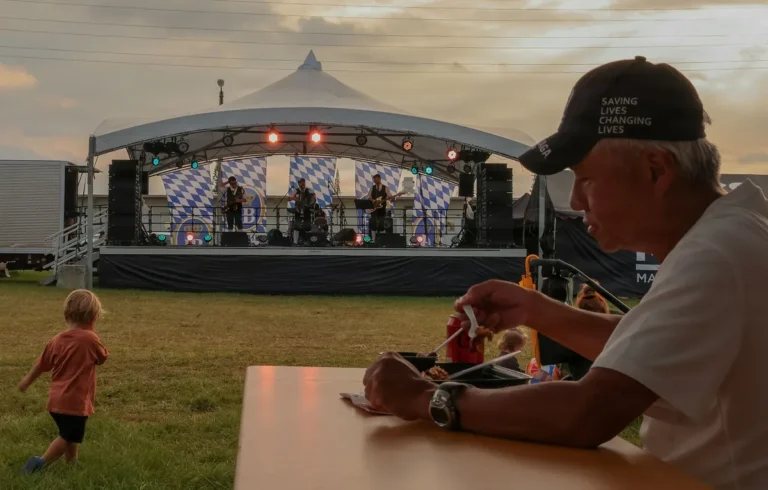
The fullest description of the festival’s character comes from a regional tourism layer, which lists live bands, motorcycle and car shows, hay-bale tossing and nail-driving contests, and food trucks and vendors. Those elements sketch a recognisably old-fashioned small-town programme: music at the centre, machinery on display, and contests of the kind once settled at county fairs, where tossing a hay bale or driving a nail straight is a test of everyday skill turned into sport.
The car show is the one element with its own separate documentation. The car-events layer’s listing for the sixth of August, two thousand twenty-two gives it a defined window, from ten in the morning to two in the afternoon, under the name Hustonville Heritage Days Car Show. The motorcycle show, by contrast, is named only within the tourism layer’s programme summary, with no separate date or hours of its own.
Music receives one further, later mention. An event-aggregator layer independently lists a named rock concert at the festival on Saturday, the twentieth of June, two thousand twenty-six, at six in the evening. The billing names the act in that layer; the name is not carried into this article, since the concert rests on that single aggregator listing. The listing does, at least, corroborate the festival’s two thousand twenty-six dates from a second direction and confirms that live music remained part of the event in its most recent documented year.
Everything beyond this is undocumented. No stage schedule, contest rules, entry arrangements or vendor list appears in the sources read, and none is reconstructed here.
Planning Your Visit
The honest starting point for planning is the date problem. The listing record puts the festival in August in two thousand twenty-two and in June in two thousand twenty-three, two thousand twenty-five and two thousand twenty-six, with an unexplained one-day November listing besides. A visitor cannot assume next year’s month from any single past year. The practical course is to consult the festival-listing layers close to the season, confirm which dates they carry for the current year, and only then make travel arrangements — the listings are, at present, the festival’s only public footprint.
Its ground, at least, does not shift. An event-directory layer places the festival on Main Street in Hustonville, so the documented editions are best imagined as a street festival in a small town rather than a fairground event. The car show’s documented hours in two thousand twenty-two — ten in the morning to two in the afternoon — suggest that daytime hours hold the core of the programme, while the aggregator layer’s six-in-the-evening concert listing for two thousand twenty-six points to music carrying into the evening on that edition’s Saturday.
On admission, the sources read are silent. No admission price is stated in any of them, and none is assumed here; visitors should be prepared for the possibility of charges at individual elements — contests, shows or vendors — without treating any figure as published fact. The same caution applies to parking and schedules, which the record does not cover.
A Sample Day at Heritage Days
A day shaped by the documented programme might begin on Main Street as the festival gathers, with food trucks and vendors setting the first smells and sounds of the morning. If the car show follows its two thousand twenty-two pattern, the late morning and early afternoon — ten in the morning to two in the afternoon — belong to the displayed vehicles.
The afternoon suits the contests. Hay-bale tossing and nail-driving are spectacles as much as competitions, the sort of events where watching a neighbour attempt the throw is half the pleasure. Between contests, the live bands named in the tourism layer’s summary provide the day’s soundtrack. By evening, if the two thousand twenty-six pattern holds, a concert billing around six o’clock gives the Saturday a musical close. This itinerary is assembled only from documented elements; it pictures the day rather than reproducing a published schedule.
How Heritage Days Compares
Within Lincoln County itself, Heritage Days stands out for the age of the skills it celebrates: hay-bale tossing and nail-driving belong to a working, agricultural past in a way that vehicle shows and band concerts do not, and pairing them in one programme is the festival’s distinguishing mark in the record.
Two nearby names require clear separation. Lincoln Days in Hodgenville is a different event in a different county, LaRue County, and shares nothing with the Hustonville festival but a familiar first word. A year-round haunted-house attraction in Hustonville itself is likewise unrelated; it operates on its own calendar and has no connection to Heritage Days beyond the shared town name. The November two thousand twenty-two listing, whatever it represented, belongs to this festival’s record as printed and should not be confused with either separate attraction.
Checklist
- Check the festival-listing layers close to the season to confirm the current year’s dates and month
- Note the car show’s hours if it is listed separately
- Allow a full day on Main Street in Hustonville rather than a brief stop
- Bring cash for food trucks and vendors, since no payment details are published
- Plan for outdoor weather across morning, afternoon and evening
- Leave the evening open in case a concert billing appears, as one did for two thousand twenty-six
- Do not rely on any admission figure; none is published
Beyond the Festival
Hustonville’s festival belongs to the pattern of small Kentucky towns keeping a named celebration on their main street. The town is not the county seat — Stanford is — and Heritage Days gives Hustonville its own entry in the county’s calendar of gatherings, documented across four separate years. The surrounding context in the record is slender: the sources describe the event, its street and its programme, and little of the town beyond them. A visitor travels to a working small town rather than a resort, and the festival’s elements — farm contests, vehicle shows, local bands — reflect the life of the place rather than an imported theme.
Why Heritage Days Matters
A festival does not need a thick paper trail to matter to the town that holds it. The Hustonville Heritage Days Festival matters because it recurs: listing layers returned to it in two thousand twenty-two, two thousand twenty-three, two thousand twenty-five and two thousand twenty-six, which is the behaviour of an established local fixture rather than a one-off gathering. Its programme also preserves skills drawn from the agricultural world the word heritage points to. The thinness of the record is a fact about documentation, not about the event’s place in Hustonville’s year.
Frequently Asked Questions
Why do the documented dates move between August and June?
The festival-listing layer records the two thousand twenty-two edition in August and the two thousand twenty-three, two thousand twenty-five and two thousand twenty-six editions in June. No source read explains the shift, so it is reported as printed; anyone planning around the festival should confirm the month from a current listing rather than from past years.
What are the hay-bale tossing and nail-driving contests?
They are programme elements named by a regional tourism layer: contests built on farm and workshop skills, in which tossing a hay bale and driving a nail become competitive events. No rules, entry details or results appear in the sources read.
Does the November two thousand twenty-two listing describe the same festival?
The same festival-listing layer that carries the summer editions also carried a one-day listing for the fifth of November, two thousand twenty-two. It is recorded as printed and left unmerged: the sources read do not explain whether it was a separate autumn appearance or a listing irregularity.
Who organises the Hustonville Heritage Days Festival?
No organiser is named in any source read. A registry layer lists an organisation bearing the festival’s own name in Hustonville, with a registry identifier on file, but no individual or committee is identified in the record.
What to Expect From the Next Lincoln County Kentucky Hustonville Heritage Days Festival
How often is Lincoln County Kentucky Hustonville Heritage Days Festival held?
The listing record shows editions in four separate years — two thousand twenty-two, two thousand twenty-three, two thousand twenty-five and two thousand twenty-six — which points to a recurring event, though no source read states a fixed cycle and no edition for two thousand twenty-four appears in the layers consulted.
When is the next Lincoln County Kentucky Hustonville Heritage Days Festival?
No future edition is announced in the sources read. Given that three of the four documented editions fell in June while the earliest fell in August, the month cannot be predicted from the record; a current festival-listing layer is the place to watch for the next set of dates.
Will the dates change?
They already have, at least on paper: the documented editions moved from August to June between two thousand twenty-two and two thousand twenty-three, and a stray one-day November listing exists for two thousand twenty-two as well. Further change is therefore possible, so dates for any coming edition should be checked near the time rather than assumed.
Closing Notes
The Hustonville Heritage Days Festival is documented well enough to describe and not well enough to explain. Its name, town, street, programme and four dated editions are on record; its organiser, its costs, its origins and its settled month are not. This article has kept those two categories strictly apart, so that what Hustonville’s festival is shown to be rests only on layers that actually document it — and so that the next listing, whenever it appears, can add to a record that has not been padded meanwhile.