Johnson County Kansas Old Shawnee Days Festival
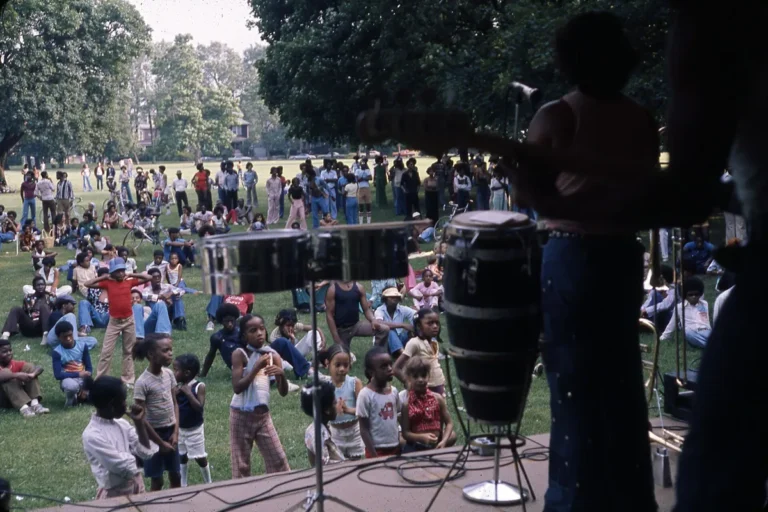
Early June in Shawnee belongs to a celebration that turns a living history museum into the busiest ground in town. Old Shawnee Days fills the grounds of Shawnee Town 1929 with a carnival, a parade, live music and rows of vendors, and it spreads that programme across four days at the very start of the month. Local news documented the gathering from the fifth to the eighth of June in two thousand twenty-five, and the organiser’s own site carried the following edition from the fourth to the seventh of June in two thousand twenty-six. A hotel guide layer phrases the name as Old Shawnee Days Festival, while the organiser’s own site, a city layer and local news all print the shorter form, Old Shawnee Days. For visitors who like a festival anchored to a real place, the setting does much of the work, because the museum buildings and open lawns give the weekend a character that a bare fairground could not supply on its own.
About
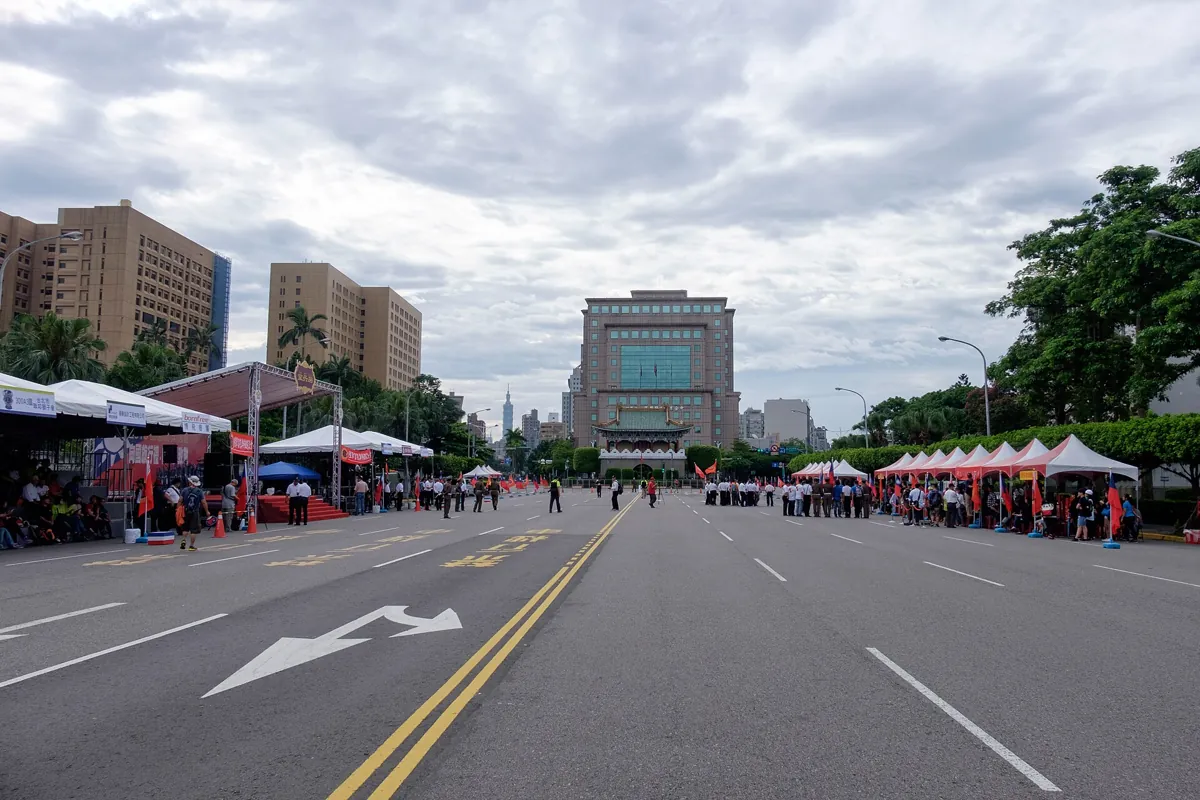
Old Shawnee Days takes place in Shawnee, a city in Johnson County, Kansas. Shawnee is not the county seat; that distinction belongs to Olathe, a reference point worth keeping in mind because the festival’s identity is tied to Shawnee itself rather than to any county government function. The event is presented on its own site in association with Shawnee Town 1929, the city’s living history museum, whose grounds on Johnson Drive host the whole weekend. No separate organising body is named in the layers read for this article, and none is invented here: the presentation runs through the museum and the event’s own site, and a moving services city guide lists the gathering among the city’s annual events. That arrangement shapes the flavour of the weekend. Instead of arriving at a rented field, visitors walk into a museum landscape where historical reenactors share the grounds with carnival rides, food stalls and a main stage, and where the parade honours both the town’s present and the era the museum preserves.
Quick Facts
| Item | Detail |
| Published name | Old Shawnee Days |
| Host town | Shawnee, Kansas |
| County seat | Olathe, not Shawnee |
| Venue | Shawnee Town 1929 museum grounds on Johnson Drive |
| Time of year | The first weekend of June |
| Earlier documented edition | Fifth to eighth of June, two thousand twenty-five |
| Most recent documented edition | Fourth to seventh of June, two thousand twenty-six |
| Admission | Free to attend, with rides, food and games charged separately |
| Signature moment | The Saturday parade, billed in two thousand twenty-six as the fifty-eighth annual |
History
A city guide layer states that the event has been held on the first weekend in June since nineteen sixty-seven, and that claim is recorded here exactly as that layer makes it, as a statement about the event’s long standing in the town. The organiser’s own site adds a second figure: the parade held on Saturday the sixth of June in two thousand twenty-six was billed as the fifty-eighth Annual Old Shawnee Days Parade. That billing belongs to the parade, and it is printed in this article as the organiser printed it. It is not converted into a founding year for the festival, because a parade’s numbering and an event’s first year are not the same thing, and the layers read do not state a founding year in so many words. What the record supports is simpler and still impressive. Shawnee has gathered on the museum grounds at the start of June for decades, the tradition reaches back to the nineteen sixties by the city guide’s account, and the parade at its centre has been counted, year by year, into the high fifties. Two consecutive documented editions, in two thousand twenty-five and two thousand twenty-six, show the pattern holding in the present day, each running Thursday through Sunday on the first weekend of the month.
Two details in the record deserve care from anyone retelling the festival’s story. The first is the distinction between the event and its parade: the fifty-eighth annual figure printed by the organiser belongs to the parade, and writers who turn it into a founding claim for the whole festival go beyond what the layers say. The second is the name itself. Most layers print Old Shawnee Days without the word festival attached, and the county and state framing in this article’s title comes from the catalogue this piece belongs to, not from the organiser’s own usage on its site or in the town’s coverage of the weekend.
What to Expect
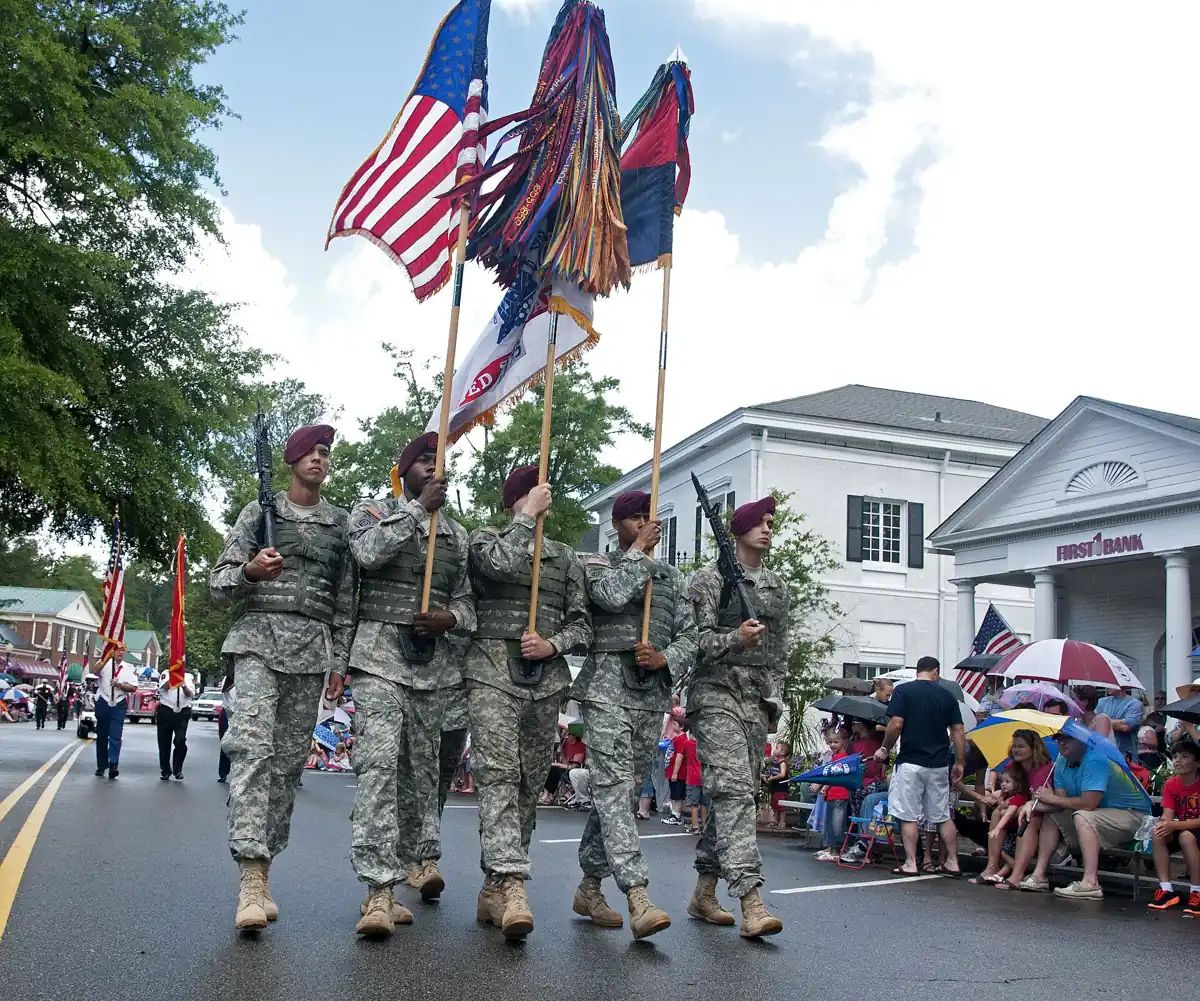
The programme mixes a small town fair with a museum weekend, and both halves stay busy. A carnival brings rides to the grounds, and food and craft vendors line the site, so eating and browsing run through all four days. Live music plays from a main stage, and the contests and games lean cheerfully old fashioned: a baking contest rewards the town’s home bakers, while relays and sack races give children and willing adults a run across the grass. Historical reenactors work among the museum buildings, a reminder that the venue earns its keep even during a festival. A pancake breakfast appears in the guide and local news layers as part of the weekend’s rhythm. Local news covering the two thousand twenty-five edition noted a further attraction on the Saturday of that year, a qualifying event for a national hot dog eating contest, which drew its own crowd alongside the parade crowds. The centrepiece, though, is the parade itself. In two thousand twenty-six it stepped off at ten in the morning on the Saturday, carrying the fifty-eighth annual billing described above, and it remains the moment when the whole town seems to be in one place at one time.
For a useful comparison, see the Johnson County Kansas Old Settlers Festival for another county festival.
Planning Your Visit
Admission to the grounds is free, a point stated by a city events guide layer and echoed in local coverage of the event, so a family can walk in, watch the parade and hear the music without paying at any gate. The charges that do exist attach to individual pleasures rather than to entry: carnival rides, food and games each cost extra, and a sensible budget sets something aside for those rather than for admission. The weekend runs Thursday through Sunday, and each span of days has its own centre of gravity. Thursday and Friday suit visitors who prefer the carnival and the vendor rows at a gentler pace, while Saturday carries the parade at ten in the morning and the densest crowds of the weekend. Sunday offers a quieter closing day on the museum grounds. Because the festival occupies the grounds of Shawnee Town 1929 on Johnson Drive, first time visitors should treat the museum itself as the landmark and allow a few extra minutes to find their bearings among the buildings before the programme pulls them in several directions at once. Checking the organiser’s own site ahead of the first weekend in June confirms the year’s exact span of dates and any additions to the programme.
A Sample Itinerary
A relaxed Thursday arrival works well for a first visit. Walk the vendor rows while the light lasts, try the carnival rides before the weekend crowds build, and note where the main stage and the museum buildings sit in relation to one another. Friday can carry the contests: watch the baking contest judging, join or cheer the relays and sack races, and stay for an evening of live music. Saturday deserves an early start. Begin with the pancake breakfast, then take up a parade spot in good time for the ten o’clock start, since the parade is the weekend’s signature gathering and the sidewalks fill quickly. The afternoon can return to the carnival and the craft stalls, with the reenactors’ corners of the grounds saved for the cooler hours. In two thousand twenty-five the Saturday also held the hot dog eating contest qualifying event, the sort of addition worth watching the programme for. Sunday then closes the visit gently, with a final round of the food vendors and a slower look at the museum grounds before the drive home.
How Old Shawnee Days Compares
Shawnee hosts another event with a similar pull on the calendar, the Great Grillers barbecue contest, and the two should not be confused. The barbecue contest is a separate Shawnee event held in September, built around competitive grilling rather than a parade and a carnival, and nothing from its programme belongs to this June weekend. Old Shawnee Days also shares its name with Shawnee places far beyond Kansas, and the fence matters there too: a barbecue invitational attached to Shawnee, Oklahoma, and other Shawnee named events outside Kansas are different gatherings in different states, disowned here in full. Within Johnson County, the festival’s closest relatives are the county’s other town celebrations, yet its museum setting gives it a distinct place among them. Few festivals anywhere in the county can pair a carnival midway with a living history museum’s building stock, and that pairing, more than any single act or contest, is what regulars describe when they explain why they return each June.
A Visitor Checklist
- Confirm the year’s exact dates on the organiser’s own site before travelling
- Set aside money for carnival rides, food and games, since entry itself is free
- Arrive early on Saturday to claim a good spot for the parade
- Leave time to walk among the museum buildings between programme items
- Bring sun protection for the open grounds during the middle of the day
- Check the programme for one year only additions such as contest qualifiers
- Plan a slower Sunday if a quieter closing day appeals more than crowds
- Remember that Shawnee, not Olathe, hosts the festival, whatever the county framing
Beyond the Festival Grounds
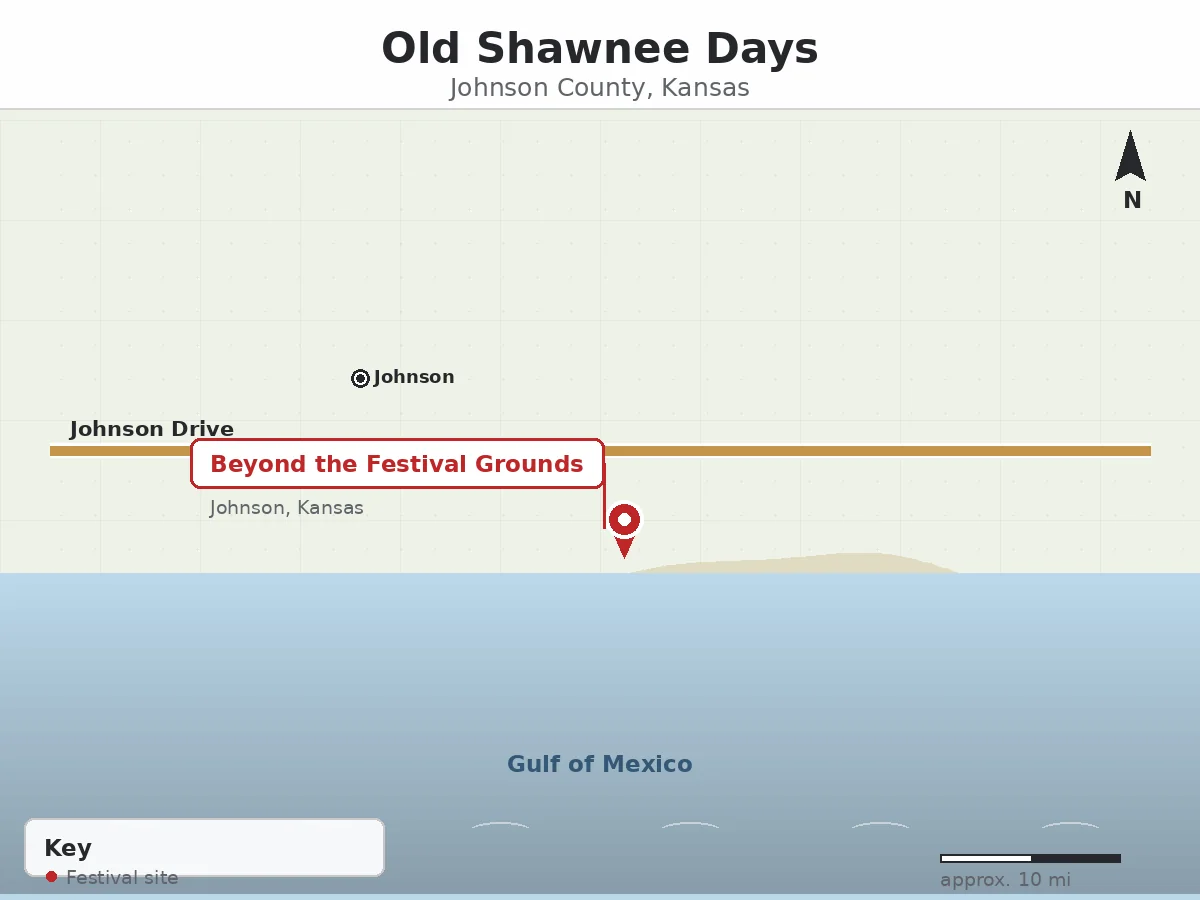
The museum grounds reward a return visit outside the festival weekend, when Shawnee Town 1929 goes back to its ordinary work as the city’s living history museum and the buildings can be appreciated without a carnival beside them. Johnson County itself spreads out around the host town, with Olathe, the county seat, among the neighbouring communities a visitor passes through or stays in while in the area. Nothing in the layers read for this article ties those neighbours into the festival’s programme, and this article does not pretend otherwise. The honest picture is of a town event with a county wide draw: the organisation runs through Shawnee and its museum, the crowds arrive from across the county and beyond, and the weekend’s pleasures stay concentrated on one historic site on Johnson Drive. Visitors with extra time in the area will find the county’s other towns and their own events easy to reach, but Old Shawnee Days itself asks for nothing more than a June weekend given over to one well loved ground.
Why Old Shawnee Days Matters
A festival that a city guide can trace to the first weekend of June in nineteen sixty-seven has clearly become part of how Shawnee marks its year. The event gives the museum grounds a second life as a fairground without erasing their first life as a museum, and it gives residents a parade whose own billing has reached a fifty-eighth annual running. Its free admission lowers the barrier for every household in town, and its mix of carnival, contests, music and reenactment lets several generations find something pitched at them on the same lawn. The documented editions of two thousand twenty-five and two thousand twenty-six show the tradition in working order, neither revived nor reinvented, simply carried forward on the same weekend it has long occupied. For a county full of newer suburbs, a celebration with that kind of continuity carries weight beyond its programme.
Frequently Asked Questions
Which weekend in June should visitors set aside for Old Shawnee Days?
Both documented recent editions occupied the first weekend of June, running Thursday through Sunday, and a city guide layer describes that placement as the event’s habit reaching back to nineteen sixty-seven. The organiser’s own site is the place to confirm the exact span for any coming year.
What role does the Saturday parade play in the four days?
The parade is the weekend’s centrepiece. In two thousand twenty-six it stepped off at ten in the morning on the Saturday and carried a fifty-eighth annual billing from the organiser, and the grounds and streets around the route draw the largest gathering of the four days.
Which parts of the weekend are free, and which parts carry a charge?
Entry to the grounds is free, as a city events guide layer and local coverage both state, and the parade and main stage music sit within that free admission. Carnival rides, food and games are charged individually, so spending money is for pleasures rather than for getting in.
How is Old Shawnee Days different from Shawnee’s September barbecue contest?
They are separate events in the same town. Old Shawnee Days is the June festival of parade, carnival and museum grounds described here, while the Great Grillers contest is a September barbecue competition with its own programme and its own following, and neither event’s details belong to the other.
What to Expect From the Next Johnson County Kansas Old Shawnee Days Festival
How often is Johnson County Kansas Old Shawnee Days Festival held?
The pattern in the record is a single edition each year, placed on the first weekend of June and running Thursday through Sunday, a rhythm documented in two thousand twenty-five and two thousand twenty-six and described by a city guide layer as reaching back to nineteen sixty-seven.
When is the next Johnson County Kansas Old Shawnee Days Festival?
Following the established pattern, the next edition would fall on the first weekend of June, across four days from Thursday to Sunday, on the grounds of Shawnee Town 1929. The organiser’s own site carries the confirmed span of dates once the year’s edition is posted, and that posting governs over any expectation set here.
Will the dates change?
The first weekend of June placement has held across the documented editions and matches the long pattern the city guide describes, so a move would be unexpected. Small shifts in the exact span can still occur from year to year, since the first weekend lands on different dates annually, and the organiser’s announcement for the year remains the final word.
Closing Thoughts
Old Shawnee Days offers a simple proposition: a free, four day, early summer festival wrapped around a living history museum, with a parade that has been counted fifty-eight times and a town that keeps showing up for it. Visitors who give the first weekend of June to Shawnee Town 1929 will find a carnival, a main stage, bakers and racers, reenactors and pancakes, all sharing one historic ground in Johnson County, Kansas.