Camas County Idaho Camas County Fair Festival
County fairs are usually measured in grandstand capacity and carnival rides. The Camas County Fair is measured differently — in neighbors who know your name, in kids showing animals they raised themselves, and in a county of 1,077 people that still fills a fairground every summer.
Camas County Fair: A Returning Visitor’s View from Fairfield
First-timers see a small fair in a small town. Return visitors see a calendar marker. In a county spread across 1,079 square miles of southern Idaho, the fair is one of the few times the whole place lands in the same spot at the same time, and that changes how you experience it.
That is the insider view worth writing down. You stop treating the Camas County Fair as a stop on a road trip and start treating it as a reunion with a schedule. The trick is knowing how the day flows, where the shade is, and when to eat before the line forms. What follows is that knowledge, assembled for people who have already been once — and for anyone planning to come back a second time.
Camas County Fair Basics: Fairfield, Idaho, by the Numbers
| Town / place | Fairfield and the surrounding Camas County area |
| County | Camas County, Idaho |
| County seat | Fairfield |
| Population | 1,077 (2020 census) |
| Region | Southern Idaho |
| Typical timing | Late summer, during the traditional county fair season |
| Admission | Typically free, as at most rural Idaho county fairs |
| Setting | Open prairie and mountain-edge country in one of Idaho’s least populous counties |
| Features | Livestock and open-class exhibits, food stands, live entertainment, family activities |
| Organizer | Local fair board and community volunteers |
What the Camas County Fair Actually Is
The Camas County Fair is a county fair in the truest sense: held in and around Fairfield, the county seat, organized by the people who live there, and aimed at local families first and outside visitors second. Expect the classic architecture of a rural fair — livestock barns, an exhibit hall, food stands, a program of entertainment, games for kids, and the steady hum of people catching up on a year’s worth of news. Admission is typically free, as is common at fairs this size in Idaho, with food and some activities priced separately.
Because Camas County is one of the smallest counties in the state, the fair is correspondingly compact. That is the appeal rather than the drawback. You can walk the entire grounds in an afternoon and still have time to talk with the person who baked the winning pie or the teenager who spent months halter-breaking a steer. Nothing here is designed to move you along quickly.
Since 1917: Fair History on the Camas Prairie
Camas County was founded on February 6, 1917, in a period when southern Idaho’s rural communities were building the institutions that would define them for a century. County fairs across the region grew out of harvest gatherings and livestock exhibitions, where ranch and farm families compared notes, traded breeding stock, and let their children test what they had learned against the neighbors’. The Camas County Fair descends from that tradition and has outlasted the era that created it.
Fairfield has been the anchor throughout. Over the decades the fair has shifted with the county — fewer working farms, different exhibit categories, more visitors arriving from outside the area — but the shape of the event has stayed familiar. Livestock. Baked goods. Handwork. A program of entertainment. And a community that turns out because the alternative is staying home alone.
For returning visitors, that history is practical rather than sentimental. It explains why the fair feels like a family reunion even to strangers: the same families have been entering the same categories for generations, and the fair is where that continuity becomes visible.
Inside the Fairgrounds: A Fair Day in Camas County
The rhythm of the day is simple, and once you know it you can plan around the crowds instead of standing in them.
Fair Food, Camas County Style
Food at a fair this size usually comes from two directions: community groups raising money and vendors who travel the county fair circuit. That means a mix of burgers and fries, funnel cakes and ice cream, plus whatever the local organizations are serving — often the best value on the grounds. Come hungry but come early for lunch; the middle of the day is when lines are longest and shade is scarcest. Late afternoon is the sweet spot for a second pass at the food stands.
Live Entertainment and the Sound of the Fair
Entertainment at a rural county fair tends to be homegrown: local musicians, youth performances, announcements from a loudspeaker, and the background noise of animals, engines, and conversation. Rather than chase a single headline act, treat the entertainment as a soundtrack that moves with you. Find a seat near the center of the grounds in the late afternoon, when the program tends to be busiest, and let the day come to you.
Family Activities and the Livestock Barns
This is where the Camas County Fair earns its reputation. Youth livestock projects are the heart of the event — kids who have fed, walked, and groomed an animal for months and now show it in front of a judge and a hometown crowd. The barns are open to walk through, and exhibitors are generally happy to answer questions. Beyond the barns, look for games, small rides or activities, and an exhibit hall full of baking, canning, photography, and handwork. Plan your visit so the youngest members of your group hit the barns before they get tired.
Planning a Camas County Fair Weekend from Out of Town
Getting to Fairfield and the Camas County Area
Fairfield sits in southern Idaho, and reaching it means driving — there is no shortcut around that. Fuel up before you arrive, because services in a county of 1,077 people are limited and the nearest larger towns are a meaningful drive away. Download your map before you leave cell coverage, and treat the drive itself as part of the trip: the approach across open country sets the tone for the day.
Where to Stay Around Camas County
Lodging inside Camas County is limited, so most out-of-town visitors either stay with friends, camp, or base themselves in a nearby community and drive in for the fair. If you are planning a return trip, book early in the summer — the fair weekend is one of the busiest of the year in this part of the state, and rooms within a reasonable radius fill up. Campers should confirm options locally before committing.
Parking and Getting In and Out
At fairs this size, parking is usually informal and close to the action. Arrive in the morning for the easiest spot and the shortest walk, and expect a slow, friendly exit when the evening program ends. If you have mobility concerns, drop your passengers near the entrance before you park. Do not plan on a quick getaway; the traffic is part of the socializing.
Admission and What Things Cost
Admission to the Camas County Fair is typically free, which is standard for fairs of this scale in rural Idaho. Your spending will go to food, games, raffles, and community fundraisers rather than a gate fee. Bring cash. Small fairs sometimes have card readers, sometimes not, and cash keeps the line moving at every booth.
Late-Summer Weather in Southern Idaho
Late summer in southern Idaho usually means warm, dry afternoons and noticeably cool evenings. Pack a hat, sunscreen, and a water bottle for the day, then add a light jacket or sweatshirt for after sundown. Dust is a real consideration at any fairground, so closed-toe shoes beat sandals. If you are sensitive to sun, plan your barn and exhibit-hall time for the middle of the day and save the open grounds for morning and evening.
A Sample Weekend in Fairfield and Camas County
First afternoon: Arrive in the Camas County area, check in, and drive through Fairfield to get your bearings. Eat a relaxed dinner, then walk the fairgrounds in the evening when the light softens and the crowds thin. This is your reconnaissance pass.
Main fair day: Get there in the morning. Start with the livestock barns while animals and exhibitors are fresh, move to the exhibit hall, then eat lunch before the midday rush. Spend the afternoon on games and entertainment, take a break in the shade, and return for the evening program.
Final morning: Come back for a slower pass — the booths you missed, the conversation you did not finish, one last piece of pie — then drive out through the prairie before the heat builds. Leave time for a scenic detour on the way home.
Camas County Fair Alongside Neighboring Idaho Fairs
Camas County borders several larger southern Idaho counties, and their fairs offer a useful comparison. Blaine County, to the north and east, draws a bigger visitor base and a more resort-influenced crowd. Gooding County, to the south, has a larger agricultural footprint and a correspondingly bigger fair. Lincoln County, to the southeast, sits somewhere in between.
The Camas County Fair is the smallest and quietest of the group, and that is precisely the point. If you want a midway with long lines and headline concerts, drive farther. If you want to park easily, talk to exhibitors, and see the same faces twice in one day, stay in Camas County.
A Return Visitor’s Camas County Fair Checklist
Fill the tank before you get close; bring cash in small bills; pack sunscreen, a hat, and a refillable water bottle; wear closed-toe shoes you do not mind getting dusty; bring a layer for the evening cooldown; charge your phone and download offline maps; confirm the current schedule locally before you drive, since small fairs adjust their programs; leave room in the car for anything you buy at the exhibit hall or auction; and plan a slower exit than you think you need.
Beyond the Fairgrounds: Fairfield and the Rest of Camas County
The fair is the reason to come, but it is not the only thing worth doing. Camas County takes its name from the camas plant, and the open country around Fairfield is the kind of landscape that rewards a slow drive: wide prairie, mountain edges, and long views in every direction. Birders, photographers, and anyone who likes quiet will find plenty to look at.
Fairfield itself is small, so build your trip around the outdoors rather than around amenities. Bring what you need, expect limited services, and treat the lack of development as the feature it is. A weekend here works best when the fair is the anchor and the surrounding country fills the rest of your time.
What a Fair Means to a County of 1,077 People
In a county with 1,077 residents spread over 1,079 square miles, distance is the everyday reality. Neighbors may live miles apart and see each other rarely. The fair solves that problem for one stretch of late summer: it concentrates the county into a few acres, hands the microphone to local kids, and gives everyone a reason to show up at the same time.
That is why the fair matters more here than it would in a bigger place. It is the annual proof that the community still exists as a community and not just as a set of addresses. For returning visitors, that is the thing you cannot get anywhere else — and the reason the second visit is better than the first.
Where the Camas County Fair Sits in Southern Idaho
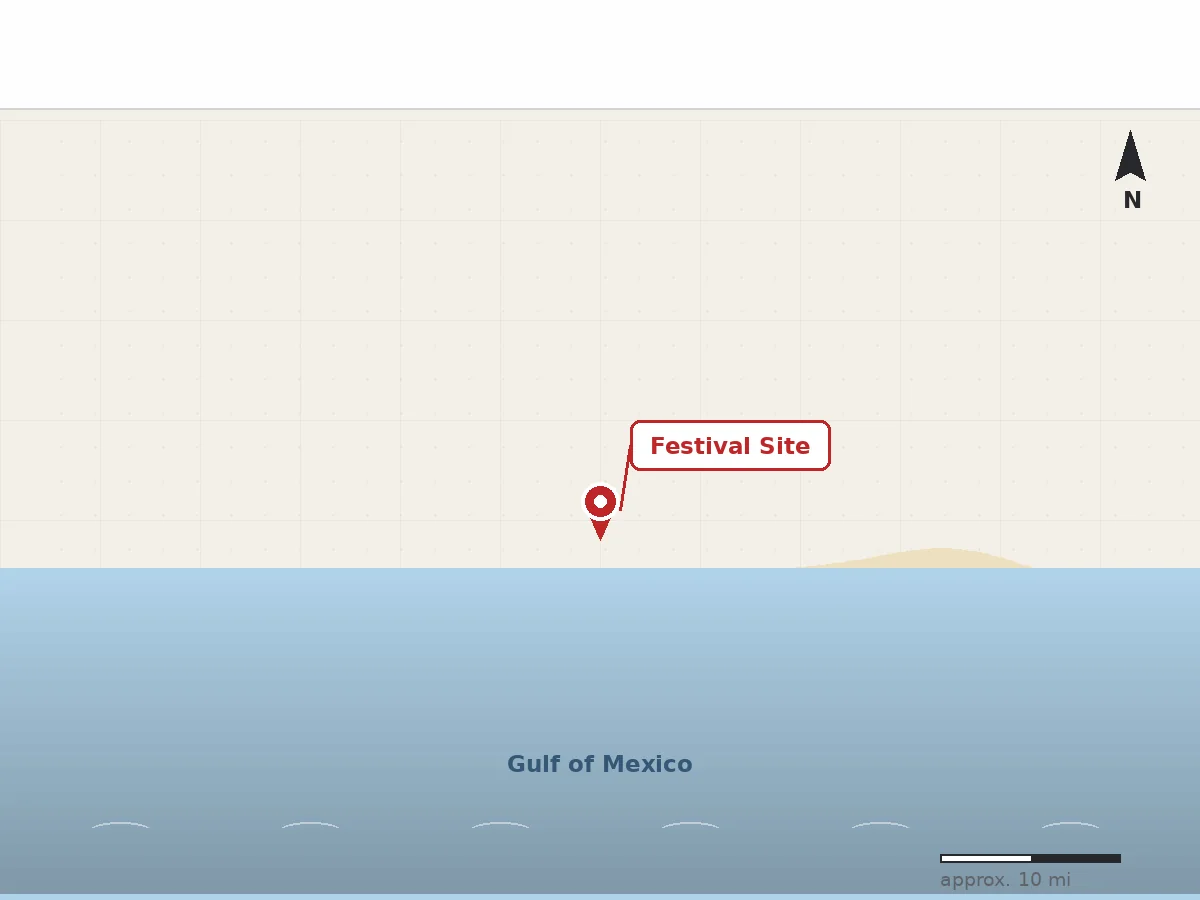
The Camas County Fair takes place in the Camas County area around Fairfield, the county seat, in southern Idaho.
Camas County Fair Questions, Answered by a Repeat Visitor
Is the Camas County Fair free to attend?
Admission is typically free, as at most rural county fairs in Idaho. You will spend money on food, games, raffles, and community fundraisers, so bring cash and treat those purchases as your contribution to the event.
When should I arrive for the best experience?
Morning, on the main fair day. Barns are freshest, parking is easiest, and exhibit halls are calm. If you can only come later, arrive in the late afternoon and stay through the evening program, when the light and the atmosphere are at their best.
Is the fair a good fit for young kids and older visitors?
Yes. The grounds are compact, walking distances are short, and the pace is gentle. Families with small children should start at the livestock barns and the games, while older visitors often gravitate to the exhibit hall and the shaded seating near the entertainment area.
How long does a visit take?
You can see the Camas County Fair comfortably in three to four hours. Most return visitors stretch it to a full day by eating twice, watching the entertainment, and lingering in the barns — which is exactly what a fair this size is designed for.
What’s Ahead for the Camas County Fair
Small fairs survive by adapting without losing their character. The Camas County Fair’s future depends on the same things it always has: local volunteers, youth participation, and a community willing to show up. Expect the fair to keep evolving in small ways — updated exhibit categories, new ways of promoting the schedule, a continued emphasis on youth livestock programs — while holding on to the traditions that make it recognizable.
For anyone who has been once, the safest prediction is also the most appealing: it will still feel like the same fair the next time you come. Check local listings for the current year’s schedule before you plan your trip, and give yourself more time than you think you need.
Last updated: October 2026
Come once to the Camas County Fair and you will see a good small-town fair. Come back a second time and you will see why a county of 1,077 people keeps putting one on — and why the return trip is the one you will start planning before you have even left Fairfield.