Washington County Indiana Old Settlers Days Festival
Salem’s oldest community tradition returns each autumn to the grounds of the John Hay Center, where a Pioneer Village gives the Old Settlers’ Days Festival its setting and its reason for being. Three layers, the venue’s own site, the county tourism organisation and a state Bicentennial layer, all state that the festival was first established and held for the community in eighteen seventy-five, to commemorate and honour the pioneers who settled the wilderness lands of the Indiana Territory that became Washington County. The state layer adds that it has been celebrated every year since. Its setting is a museum site rather than a fairground, and that shapes the whole character of the weekend.

A naming note is worth making at the outset. The published name, as the state Bicentennial layer’s text and a travel guide layer print it, carries an apostrophe: Old Settlers’ Days Festival. The venue’s own site and the county tourism organisation print the shorter form, Old Settlers’ Days, while a social media mirror page drops the apostrophe entirely, the spelling the sheet title follows. Every form describes the same free two day gathering in Salem, the county seat of Washington County, as the state Bicentennial county page confirms.
About the Festival
The festival unfolds across the grounds of the John Hay Center in Salem, chiefly in the Pioneer Village set within those grounds. The same site holds two further attractions the state layer names, the Stevens Museum and the Monon Train Depot, both open to festival visitors. The John Hay Center is the Washington County Historical Society’s own site, so the festival sits on ground the county’s historical organisation maintains all year.
Who runs the gathering is a point the layers present in two ways, kept separate here rather than merged. The state Bicentennial layer names the organisation behind the event as the Old Settlers’ Committee. The venue’s own site and the county tourism organisation, by contrast, present the festival as the John Hay Center’s own annual event. What stays consistent across every layer is the place, the pioneer theme and the free admission. The programme, as the state layer describes it, centres on demonstrators and reenactments that return the Pioneer Village to functioning form, replicating life in Indiana from the early to mid eighteen hundreds, with booths and musical acts around that living core. The two organiser presentations sit side by side in the record, and visitors will encounter the festival described under both of them.
Quick Facts
| Point | Record |
| Published name | Old Settlers’ Days Festival, per the state Bicentennial layer and a travel guide layer; the venue and tourism layers print Old Settlers’ Days |
| Host town | Salem, Indiana |
| County seat | Salem is the seat of Washington County, per the state Bicentennial county page |
| Venue | The grounds of the John Hay Center in Salem, in the Pioneer Village within those grounds |
| Also on the grounds | The Stevens Museum and the Monon Train Depot |
| Organiser | Old Settlers’ Committee, per the state layer; the venue and tourism layers present the festival as the John Hay Center’s own annual event |
| Established | Eighteen seventy-five, as the venue’s site, the tourism organisation and the state layer all state |
| Admission | Free to the public, as all three of those layers describe it |
| Most recent dated edition | Saturday, October three and Sunday, October four, twenty twenty-six, per the venue’s own site |
History of the Festival
The founding claim is unusually well supported for a small town celebration. The venue’s own site, the county tourism organisation and the state Bicentennial layer agree: the festival was first established and held for the community in eighteen seventy-five, to commemorate and honour the pioneers who settled the wilderness lands of the Indiana Territory that became Washington County. The state layer adds that the celebration has been held every year since.
For a useful comparison, see the Warrick County Indiana Labor Day Celebration Festival for another county festival.
The venue’s page supports that antiquity with period evidence, reproducing an item from a New Albany newspaper dated October one, eighteen seventy-five. A celebration documented in print in the autumn of its claimed first year carries weight a bare assertion of age would not.
The festival also stands behind the county’s historical society. The society’s own history page records that it began as a suggestion made during the Old Settlers celebration in September eighteen ninety-seven, barely two decades after the first gathering. The John Hay Center, where the society is now based, is a direct descendant of the celebration.
For the modern era, the documented editions stand as their layers state them. The state Bicentennial layer places the twenty fifteen and twenty sixteen editions on the third weekend in September. A social media mirror page, a weaker layer recorded as such, gives the twenty twenty-two edition as October one and two. The venue’s own site dates the twenty twenty-six edition to Saturday, October three and Sunday, October four, at the John Hay Center. Across those records the month has sat in both September and October.
What to Expect
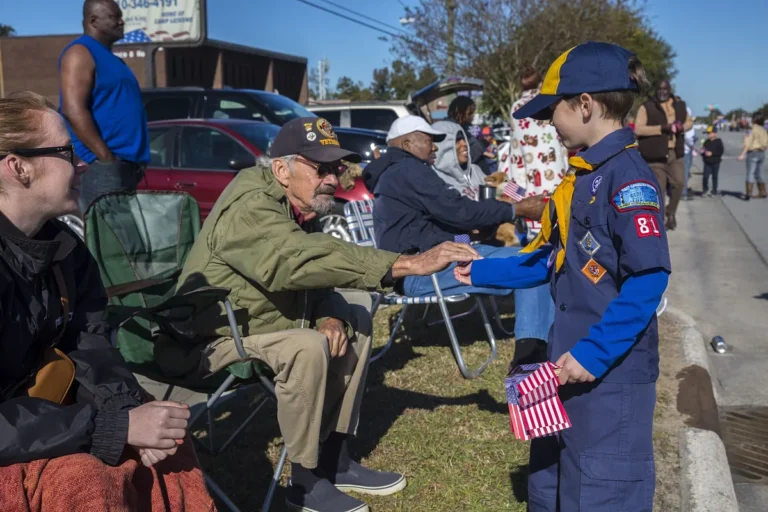
The Pioneer Village is the heart of the experience. On the state layer’s account, demonstrators and reenactments return the village to functioning form, replicating life in Indiana from the early to mid eighteen hundreds, so the historic buildings read not as exhibits behind ropes but as a working settlement going about its day. Visitors move between demonstrations at their own pace, watching period skills practised where they once belonged. Nothing in the state layer’s account is staged as one headline performance; the weekend is built from many small encounters spread across the village lanes.
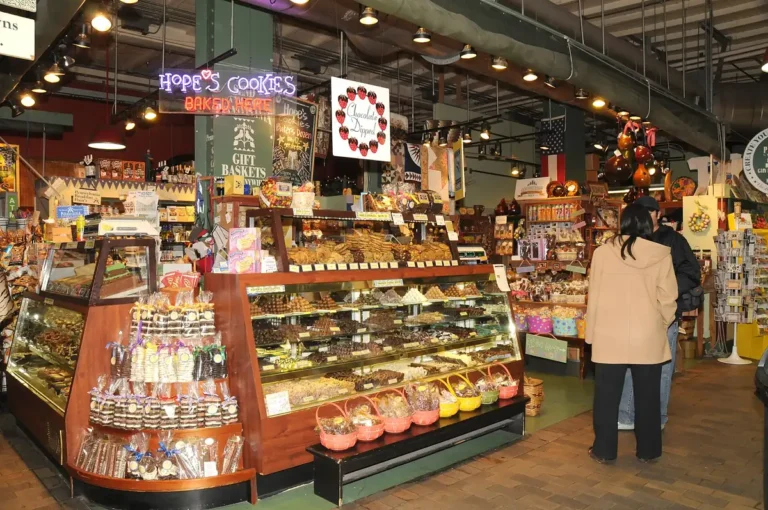
Two further buildings open their doors as part of the festival. The state layer records free access to the Stevens Museum and the Monon Train Depot during the event, extending the theme from the village lanes into the county’s collected artefacts and its railroad heritage. The grounds also hold artisan, food and vendor booths, and the state layer promises numerous musical acts across the weekend. The whole programme is free to the public.
Planning Your Visit
The practical shape of the festival is simple. It occupies a two day weekend on the grounds of the John Hay Center in Salem, the county seat, and admission is free, as the venue’s site, the tourism organisation and the state layer each confirm. Because the event is unticketed and spread across an open air village, planning concerns timing rather than cost.
Timing deserves an honest note, because the record does not fix the festival to a single month. The state layer’s twenty fifteen and twenty sixteen editions fell on the third weekend in September. The twenty twenty-two edition, as the mirror page records it, fell on October one and two, and the venue’s own site sets the twenty twenty-six edition on Saturday, October three and Sunday, October four. Confirm the current year’s dates from the John Hay Center’s own announcements rather than assuming last year’s month will repeat.

Once on the grounds, the natural anchors are the Pioneer Village, the Stevens Museum and the Monon Train Depot, all on the same site, so the day needs no driving between attractions. Food and vendor booths operate as part of the programme on the state layer’s account, so staying through a meal is easy. With admission free and the whole programme on one site, the real choices are which day to come and how much of the village to cover before the museum and the depot.
A Sample Itinerary
A Saturday visit might begin in the Pioneer Village while the demonstrations are fresh, watching the reenactors bring the settlement to life as the state layer describes. Late morning lends itself to the Stevens Museum, free during the festival on the state layer’s account, before the grounds grow busier.
Midday can be given to the artisan, food and vendor booths, taking lunch on the grounds and catching one of the musical acts the programme promises. The afternoon suits the Monon Train Depot, then a slower second pass through the village for demonstrations missed earlier. Because the venue’s own site dates the twenty twenty-six edition across both days, a visitor with the whole weekend can return on Sunday, October four, for whatever the first day left unseen.
How This Festival Differs From the One You May Find Advertised
Search results for Salem celebrations can mislead, and one page in particular should be set aside. An AI generated travel guide page promotes a so called Historic Salem Festival, running three days across a twenty block downtown district. No credible layer knows that name or format: not the venue’s own site, not the county tourism organisation and not the state Bicentennial layer, each of which documents the Old Settlers’ Days Festival instead, two days on the John Hay Center grounds.
A content farm festival page deserves the same caution: it attaches the generic label Old Settlers Festival 2026 to an August date and a street address. That dating contradicts every credible layer, which places documented editions in September or October, and it is likewise disowned. The genuine festival is the one the John Hay Center itself announces.
Festival Checklist
- Confirm the current year’s dates with the John Hay Center, since documented editions have fallen in both September and October
- Plan for a full day on one site, with the Pioneer Village, the Stevens Museum and the Monon Train Depot all on the same grounds
- Leave the admission budget at home, as the venue, tourism and state layers all describe the festival as free
- Arrive early enough to watch the demonstrators settle into their period work in the village
- Set aside time for the artisan, food and vendor booths between musical acts
- Bring anyone who loves local history to the Stevens Museum, where the county’s collected past is on display
- Check the historical society’s pages for programme notes before travelling
- Allow a second day if you can, since the twenty twenty-six edition runs across Saturday and Sunday
Beyond the Festival
The grounds reward a slower look even outside the programme’s busiest hours. The Stevens Museum serves as the county’s storehouse of artefacts, and the Monon Train Depot preserves the railroad chapter of local history; both belong to the same John Hay Center site the Washington County Historical Society maintains, so a festival visit doubles as an introduction to the society’s work across the rest of the year. A visitor who returns outside the festival weekend will find the same buildings carrying the county’s story without the demonstrations, the booths or the music.
Why the Festival Matters
Longevity alone would make the festival notable: a celebration the venue, the tourism organisation and the state layer all trace to eighteen seventy-five, and that the state layer says has been celebrated every year since, has outlived every generation that founded it. But the deeper significance lies in what it preserves. It honours the pioneers who settled the wilderness lands of the Indiana Territory that became Washington County, not with a plaque but with a working village, where the skills of the early to mid eighteen hundreds are demonstrated in the open.
The festival has also shaped the county’s memory keeping. The Washington County Historical Society began, on its own history page’s account, as a suggestion made during the celebration in September eighteen ninety-seven, and the society’s home now hosts the gathering that proposed it. Few festivals can claim to have given rise to the institution that preserves their history; this one can.
Frequently Asked Questions
Whom does the Old Settlers’ Days Festival commemorate?
The layers agree that the festival was established in eighteen seventy-five to commemorate and honour the pioneers who settled the wilderness lands of the Indiana Territory that became Washington County. The venue’s own site, the county tourism organisation and the state Bicentennial layer all state that purpose, and the Pioneer Village setting carries it into the present day programme.
What else stands on the John Hay Center grounds?
Alongside the Pioneer Village, the grounds hold the Stevens Museum and the Monon Train Depot, as the state layer records. Both open with free access during the event, again on the state layer’s account, so the museum’s artefacts and the depot’s railroad heritage form part of the same visit as the village demonstrations.
Who organises the festival?
The published record presents the answer in two unmerged forms. The state Bicentennial layer names the organisation as the Old Settlers’ Committee. The venue’s own site and the county tourism organisation present the festival instead as the John Hay Center’s own annual event. This article records both presentations as they appear and does not merge them into a single organiser.
Why have some editions landed in September and others in October?
The record offers no reason, only the pattern. The state Bicentennial layer dates the twenty fifteen and twenty sixteen editions to the third weekend in September, the twenty twenty-two edition is recorded by a social media mirror page on October one and two, and the venue’s own site sets the twenty twenty-six edition on October three and four. The month has plainly moved between September and October, so current dates should always be confirmed with the venue.
What to Expect From the Next Washington County Indiana Old Settlers Days Festival
How often is Washington County Indiana Old Settlers Days Festival held?
On the state Bicentennial layer’s account, the celebration has been held every year since eighteen seventy-five, and the venue’s own site presents it as the John Hay Center’s annual event. Together, the layers describe an annual fixture of Salem’s calendar.
When is the next Washington County Indiana Old Settlers Days Festival?
The most recent dated edition in the record is the venue’s own: Saturday, October three and Sunday, October four, twenty twenty-six, at the John Hay Center. The layers read here carry no later dated edition, so the next gathering will be fixed by the John Hay Center’s own announcements.
Will the dates change?
They have moved before. Documented editions fell on the third weekend in September in twenty fifteen and twenty sixteen, on October one and two in twenty twenty-two, and on October three and four in twenty twenty-six. The weekend can shift between September and October, so treat the venue’s current announcement, rather than any past edition, as the authority.
Closing Thoughts
The Old Settlers’ Days Festival endures because its subject has never gone away: Salem still lives in the county those pioneers carved out of the Indiana Territory wilderness, and once a year the John Hay Center’s Pioneer Village lets the town walk through that beginning again. With free admission, a museum and a depot on the same grounds, and a founding three layers trace to eighteen seventy-five, it remains a community honouring the settlers who made it. That continuity, from an eighteen seventy-five gathering to a dated twenty twenty-six edition on the venue’s own site, is the festival’s real claim on a traveller’s autumn weekend.