Edgar County Illinois Edgar County Fair Festival

A county fair is hard to explain to someone who has never been to one. It is part livestock show, part carnival, part family reunion, and part small-town trade fair, and it lands in the same fields at roughly the same point each summer until going becomes a habit. The Edgar County Fair works exactly that way: a late-summer week anchored by Paris, the county seat, and by the farm families, youth exhibitors, and local businesses that fill the surrounding townships.
If this is your first time, read this before you point the car toward Edgar County. It covers what the fair actually is, how it fits into a county founded on January 3, 1823, what a day on the grounds feels like, and how to plan a visit without spending an hour circling for a parking space.
Edgar County Fair Basics for a First Visit
Here is the shape of the event in plain terms. Treat this as orientation rather than a schedule — the fair’s own annual announcements are always the final word on hours, gate policies, and grandstand lineups.
| Festival | Edgar County Fair |
| Town / area | Paris and the surrounding Edgar County countryside |
| County | Edgar County, Illinois |
| County seat | Paris |
| Population | 16,866 (Edgar County) |
| Region | East-central Illinois, close to the Indiana state line |
| Typical timing | A week in late summer, usually July or August |
| Admission | Set by organizers each year; confirm locally before you travel |
| Setting | Rural fairgrounds with barns, a grandstand, and a midway |
| Features | Livestock shows, carnival rides, grandstand entertainment, fair food, community exhibits |
| Organizer | The local fair association and Edgar County volunteers |
What Kind of Fair the Edgar County Fair Actually Is
Edgar County covers 624 square miles and holds a population of 16,866, and the fair reflects that scale honestly. This is not a metropolitan festival with corporate sponsors and ticketed stages. It is a countywide gathering where the exhibits in the barns matter as much as anything on the midway, and where a ribbon in a livestock class can be the most important thing that happens to a young exhibitor all year.
Practically, that means a fairgrounds you can walk end to end in a few minutes, a schedule that runs from morning barn chores to late-evening lights, and a crowd made up largely of people who already know each other. First-timers are not treated as outsiders; they are simply absorbed into the rhythm. Bring cash for small stands, wear shoes you do not mind getting dusty, and expect to talk to strangers.
For another look at how a community turns its own traditions into a gathering, see the DuPage County Illinois Naperville Ribfest Festival for a useful comparison.
How the Fair Tradition Grew Alongside Edgar County
Edgar County was founded on January 3, 1823, when much of east-central Illinois was still being surveyed, settled, and broken into farmland. Paris became the county seat and has remained the civic center of a county that today spreads across 624 square miles of prairie and timber.
County fairs across Illinois grew out of nineteenth-century agricultural societies — groups of farmers who wanted better seed, better herds, and a public venue for comparing results. What began as a practical competition among growers gradually added exhibits, entertainment, and a carnival midway as the surrounding towns grew.
That arc is visible at the Edgar County Fair today. The livestock barns and open-class exhibits still carry the original purpose, while the grandstand, rides, and food row carry everything the fair picked up along the way. Two centuries after the county was organized, the fair remains one of the few events that reliably pulls together residents from Paris and every small community around it.
What You’ll See, Eat, and Hear on the Grounds
A first visit is easier when you know roughly how the grounds are divided: barns and exhibit halls on one side, midway and food stands in the middle, grandstand at the edge. Here is what each part of that layout gives you.
Fair Food, From Tenderloins to Church Stands
Food is where a county fair earns its reputation. Expect the classic Illinois lineup — breaded pork tenderloins, corn dogs, funnel cakes, lemonade shake-ups, elephant ears, and fries served in quantities that make dinner redundant. Alongside the midway trailers you will usually find local stands run by churches, clubs, and civic groups, and those are often the best value on the grounds. Eat early if you want a seat at a picnic table, and bring small bills.
Grandstand Nights and Homegrown Entertainment
Evening is when the fair shifts into its louder gear. The grandstand hosts the headline draws of the week, which in most years means a mix of motorized events, tractor and truck pulls, and musical acts with a strong local following. Around the grounds, smaller stages and open areas host talent from Edgar County and neighboring counties. Lineups rotate year to year, so check the current schedule rather than relying on last season’s.
Keeping Kids Busy from Barn to Midway
Families get the most out of a fair day by splitting it in two. Morning and early afternoon suit the animal barns, the rabbit and poultry exhibits, and the open-class displays of baking, canning, vegetables, and crafts — all free to walk through and genuinely interesting to children. Late afternoon and evening belong to the midway, with its rides and games. A wristband period, if one is offered, is usually the cheapest way to handle ride-hungry kids.
Planning a Trip to Paris for Fair Week
Getting to Paris and the Fairgrounds
Paris sits in the heart of Edgar County, reached by state highways running north-south and east-west through east-central Illinois. Most visitors arrive by car, and the drive from surrounding counties is short enough for a day trip. If you are coming from out of state, plan on a two-lane approach for the final stretch, with farm equipment a real possibility during late-summer fieldwork.
Where to Stay Around Edgar County
Lodging in the immediate area is limited, and fair week is the busiest time of the year for it. Book early if you want to stay in or near Paris. Otherwise, look at larger towns within a reasonable drive and treat the fair as a day trip; the surrounding region has a good supply of motels and small inns along the main corridors.
Parking Without the Headache
Fairground parking is typically first-come, first-served, with lots and field parking around the site. Arrive before the evening grandstand event if you want an easy spot, and expect to walk a few minutes from the outer rows. Follow the directions of volunteers rather than improvising a spot — they know which ground is firm and which is not.
Gate Admission, Ride Tickets, and Budget
Gate and ride pricing is set by the fair each year, so confirm the current details locally before you go. Budget for parking, midway rides, games, and food even when gate admission is modest, and carry some cash — not every stand takes cards. If you are visiting more than once in the week, ask about multi-day or season options at the gate.
Late-Summer Weather in East-Central Illinois
Fair season in this part of Illinois means heat, humidity, and the chance of an afternoon thunderstorm. Wear light clothing, bring a hat, and drink more water than you think you need. Barns and exhibit halls double as shade and shelter, so a sudden shower rarely ruins a visit. Evenings cool off enough that a light layer is welcome.
A First-Timer’s Sample Weekend at the Fair
Start Saturday morning at the barns. Livestock exhibitors are working early, and the atmosphere before the crowds arrive is the most authentic version of the fair you will see. Wander the open-class exhibits next, then grab lunch from a local stand before the heat peaks.
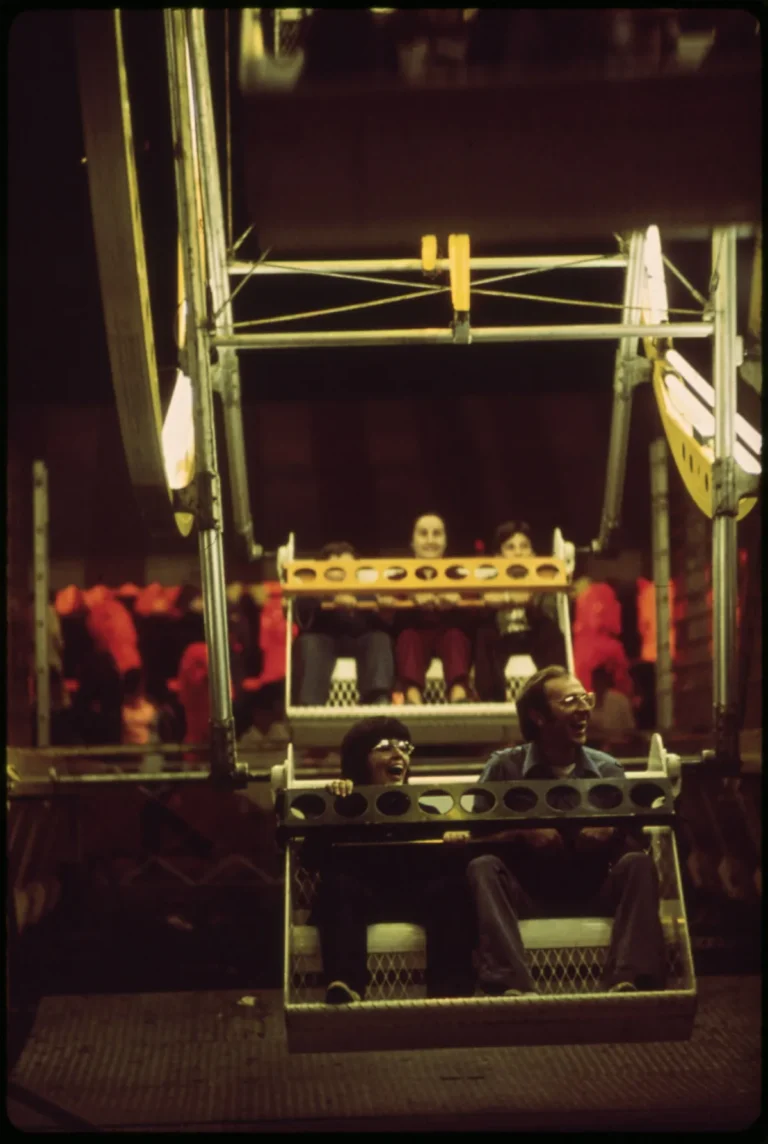
Spend the early afternoon out of the sun — the exhibit halls, the poultry and rabbit barns, or a shaded seat near the show ring. Return in the late afternoon for the midway, ride wristbands if they are offered, and a proper fair dinner of tenderloin and lemonade.
Finish at the grandstand for the evening’s event, then walk the grounds one last time as the lights come on. If you have a second day, use it differently: come for a specific show, a tractor pull, or the livestock auction, and skip the midway entirely. That contrast is what turns a first visit into an annual one.
Edgar County Fair vs. Nearby Fairs and Towns
Edgar County is not the only county in this corner of Illinois with a fair week. Neighboring counties to the west, north, and south all host their own versions, and larger cities such as Danville, Charleston, and Terre Haute, Indiana sit within a comfortable drive. That gives first-timers a useful comparison set.
The distinction is scale and intimacy. Bigger fairs in larger population centers offer more grandstand acts, more rides, and heavier traffic. The Edgar County Fair, serving a county of 16,866 people across 624 square miles, is smaller, easier to navigate in an afternoon, and far more agricultural at its core. If you want to understand what a county fair is rather than just be entertained by one, this is the better introduction.
A First-Timer’s Prep List for Fair Week
Before you leave the house: check the current fair schedule and gate policy, confirm the weather forecast, and fill the gas tank. Pack comfortable closed-toe shoes, sunscreen, a refillable water bottle, a hat, and a light rain jacket. Bring cash in small bills plus a card as backup, a tote for anything you buy, and a phone battery pack for a long day.
On arrival: park where volunteers direct you, pick up a schedule at the gate if one is available, and walk the whole grounds once before committing to anything. Set a meeting point if your group splits up, and remember that the barns are working areas — ask before touching animals, and keep an eye on small children around livestock.
Beyond the Fairgrounds in Edgar County
Give yourself an extra hour or two outside the fair. Paris, the county seat, has a courthouse square that rewards a slow walk, with the kind of compact downtown that still functions as a real town center. Around it, Edgar County opens into 624 square miles of farmland, country roads, and small communities that rarely appear on tourist itineraries.
This is driving country. A loop through the county takes you past grain elevators, old barns, and fields that explain why the fair exists in the first place. If you are staying overnight, ask locally about fishing, walking trails, and the best breakfast spot in town — recommendations here tend to be reliable because they come from people who eat there every week.
What the Fair Means to Edgar County
In a county of 16,866 people, a fair week functions as a civic calendar in miniature. It is where scholarships are announced, where young exhibitors learn to speak to judges and adults, where local businesses sponsor classes, and where families who live twenty minutes apart finally sit down at the same table.
That is the part first-timers tend to miss on a quick visit. The rides and the food are the surface; underneath is an annual institution that has outlasted nearly everything else in the county’s public life. Showing up, even once, means participating in something with a very long memory.
Where the Edgar County Fair Sits on the Map
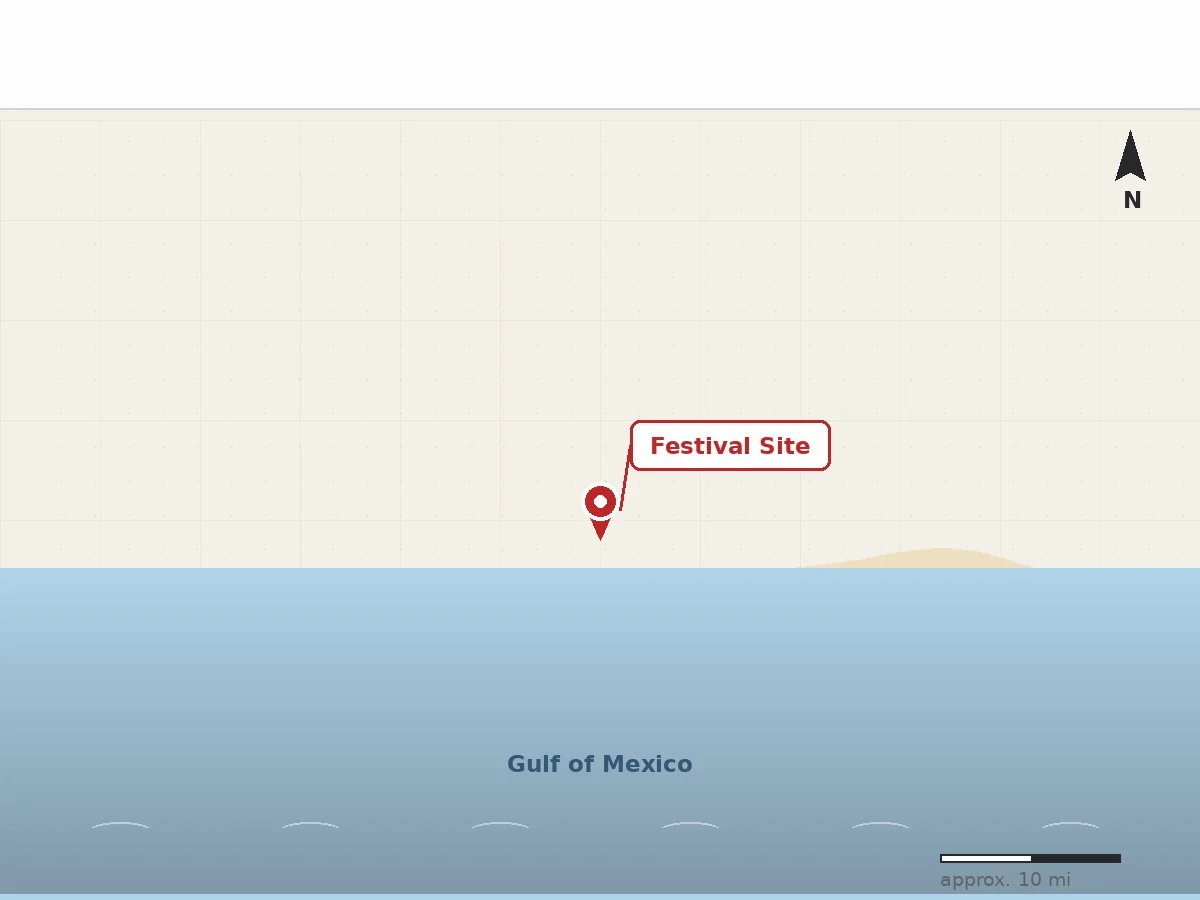
The fair takes place in the Edgar County area of east-central Illinois, centered on the county seat of Paris.
First-Timer Questions About the Edgar County Fair
Is the fair a good outing for young children?
Yes, with a plan. The animal barns, exhibit halls, and midway are all child-friendly, and the grounds are compact enough that you are never far from the car or a restroom. Go earlier in the day when it is cooler, keep a hand on toddlers around livestock, and save the rides for the evening when the heat breaks.
Do I need to know anything about farming to enjoy it?
No. Exhibitors and judges are usually happy to explain what is happening in the show ring, and the open-class displays of baking, canning, and crafts need no translation at all. Curiosity is the only prerequisite.
How early should I arrive?
For a daytime visit, mid-morning is ideal — parking is simple, the barns are active, and the heat has not arrived. If you are coming for an evening grandstand event, aim to arrive well before it starts to secure both a parking spot and a seat.
What happens if it rains during fair week?
Summer storms in east-central Illinois are usually brief. Exhibit halls and barns provide cover, and the fair generally continues once the weather clears, though some outdoor events may be adjusted or delayed. Check with organizers on the day if a specific event is your reason for coming.
The Road Ahead for the Edgar County Fair
County fairs everywhere are working out how to stay relevant to a generation that has more entertainment options than any before it. The Edgar County Fair’s advantage is that its core purpose — youth exhibitors, agricultural competition, and a week when a whole county shows up in one place — is not something a screen can replace.
Expect the mix to keep evolving: refreshed midway offerings, changing grandstand lineups, and continued reliance on volunteers and local sponsors. The constants will look familiar to anyone who attended decades ago. Come once and you will understand why the fair keeps returning to the same grounds in the Edgar County area year after year.
Last updated: October 2026
For a first-timer, the best approach is simple: pick a day, arrive before the crowds, walk the barns before the midway, eat something you would not normally order, and stay until the lights come on. The Edgar County Fair does not need to be decoded. It only needs an afternoon and a willingness to wander.
One Comment