Somerset County Maine Skowhegan State Fair Festival
The Skowhegan State Fair is Somerset County’s biggest late-summer gathering: a fairgrounds full of livestock barns, midway lights and grandstand noise in the county seat of Skowhegan. Somerset County spreads across 4,094 square miles of central Maine, and roughly 50,477 residents (2020 census) call it home. Every year, a good share of them end up here.
Skowhegan State Fair Essentials for Somerset County Visitors
| Town / area | Skowhegan and the surrounding Somerset County area |
| County | Somerset County, Maine (founded 1809) |
| County seat | Skowhegan |
| Population | 50,477 (2020 census) |
| Land area | 4,094 square miles of county |
| Region | Central Maine, Kennebec River valley |
| Typical timing | Late summer, usually a run of days in August |
| Admission | Modest gate admission in most years; confirm current rates |
| Setting | Traditional fairgrounds with barns, grandstand, midway and exhibit halls |
| Features | Livestock shows, grandstand entertainment, midway rides, agricultural exhibits |
| Organizer | Volunteer fair association supported by the local agricultural community |
A Fair That Fits Somerset County’s Farming Calendar
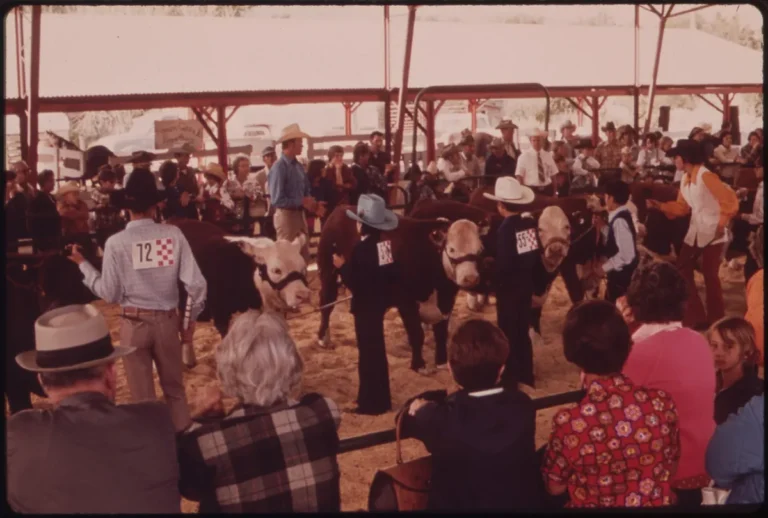
The Skowhegan State Fair is a traditional agricultural fair first and a carnival second. The barns and exhibit halls carry the weight: cattle, sheep, goats, poultry, rabbits, vegetables, canned goods, quilts and flowers, much of it entered by families from towns scattered across the county — Madison, Anson, Bingham, Pittsfield, Norridgewock, Fairfield and the smaller communities in between. The county’s 4,094 square miles are mostly woods, water and working land, so the fair functions as a rare moment when all of that gets gathered into one place.
Around that agricultural core sits the layer most visitors picture: a midway of rides and games, food trailers, a grandstand with an evening schedule, and crowds that swell after the workday ends. Because Somerset County’s population is spread thinly across a large area, the fair feels less like a city event and more like a countywide homecoming.
How the Fairgrounds Grew With Somerset County
Somerset County was established in 1809, with Skowhegan as its seat. In those early decades, farming families along the Kennebec and its tributaries organized exhibitions to compare livestock, seeds and handwork — the pattern that shaped rural Maine’s fair tradition. The Skowhegan fair’s roots belong to that era, which is why the event reads as something older than a modern festival: it grew out of an agricultural society’s annual meeting rather than a promoter’s calendar.
Through the nineteenth and twentieth centuries the grounds filled in. Barns went up for different species. A grandstand appeared, and racing and entertainment became part of the draw. The midway arrived with the traveling amusement era. Exhibit halls took on youth projects and school entries, and the fair became a place where a child’s first ribbon mattered as much as any headline act.
What has not changed is the rhythm. Late summer, after haying and before the school year takes hold, Somerset County gathers in Skowhegan. Families who have entered the same categories for generations still walk the same paths between barns, and that continuity is the fair’s real signature.
What a Day at the Skowhegan Fairgrounds Feels Like
Plan for a full day rather than a quick stop. The grounds reward slow walking: one loop through the animal barns, one through the exhibit halls, one down the midway, then a seat in the grandstand before dark.
Fair Food Worth Planning Around
Expect the classic lineup — fried dough, french fries, sausage and pepper sandwiches, burgers, ice cream and sweet drinks — plus booths run by local churches, granges and civic groups, which is where the better pie and coffee usually are. Portions are generous and prices are fairground-typical. If you are traveling with a group, agree on a meeting spot near the food row early, because the crowd thickens fast in the evening.
Music, Grandstand Shows and Evening Entertainment
In most years the grandstand carries the evening, with a schedule that mixes racing, live music and crowd-pleasing events. Local and regional acts tend to appear alongside bigger draws, and the atmosphere is relaxed: bleachers, cool air, and the midway glowing behind you. Arrive a little before showtime if seating matters to you, and check the day’s program at the gate so you are not choosing between two things you wanted to see.
Family Activities and Things for Kids to Do
Children gravitate to the animal barns first, then the rides. Kiddie rides sit apart from the bigger, faster attractions, and ride-height rules are enforced, so measure expectations before you buy a wristband. Beyond the midway there are youth exhibits, craft displays and agricultural demonstrations that keep younger visitors busy without a ticket. Strollers handle the main paths well; the barn aisles are tighter. Bring wipes, and expect to spend more time than planned.
Planning a Trip to Skowhegan From Anywhere in Maine
Getting to Skowhegan and the Fairgrounds
Skowhegan is a crossroads town in central Maine, which makes it reachable from most of the state by car. Routes converge in the county seat, and from there the fairgrounds are a short drive from the center of town. Public transit options are limited in this part of Somerset County, so plan on driving or arranging a ride with someone in your group.
Where to Stay Near Skowhegan
Rooms in and around Skowhegan are limited and fill quickly during fair week. In-town motels and inns are the most convenient choice; larger towns within a reasonable drive offer more rooms if the local options are gone. Campgrounds and rental cabins around the county’s lakes and ponds are a good alternative for anyone who would rather not drive back late at night. Book well ahead, especially for the weekend stretch.
Parking at the Fairgrounds
Parking is handled on and near the grounds, with attendants directing traffic into rows and lots. A small fee is common at many Maine fairs, so keep cash handy. Come early in the evening if you want a shorter walk, follow the attendants rather than improvising a spot, and note where you parked — the rows look identical after dark.
Admission, Ride Costs and What Cash Buys
Expect modest gate admission in most years, with children and seniors typically paying less. Rides are usually sold as individual tickets or multi-ride wristbands, and multi-day passes often exist for people planning several visits. Food, games and parking add up, so set a budget before you walk in. Many vendors accept cards now, but cash still moves faster at small booths — carry some.
Late Summer Weather in Somerset County
August in central Maine means warm, sometimes humid afternoons and noticeably cool evenings once the sun drops. Rain is always possible, and a passing shower rarely clears the grounds. Dress in layers, bring a light jacket for the grandstand, wear shoes you do not mind getting dusty, and pack sunscreen and a compact rain shell.
A Sample Fair Weekend in Skowhegan
Friday evening: arrive mid-afternoon to beat the gate rush, walk the barns while they are still quiet, eat dinner from the food row, then take in the grandstand show. Leave before the final crowd surge if you have young children.
Saturday: come early for the livestock judging and the exhibit halls, which are at their best before noon. Spend the afternoon on rides and games, rest at your lodging, then return for the evening program and a last loop through the midway lights.
Sunday: a slower morning suits the fair well — coffee, a walk through the agricultural displays, a final look at the animals, and a stop at the booths you missed. Head out by early afternoon and use the rest of the day to see a bit of Somerset County on the way home.
Skowhegan Compared With Other Maine Fairs and Towns
Within Somerset County, Pittsfield’s summer town festival is smaller and more street-centered, built around a single theme rather than barns and grandstands. Skowhegan is the county’s larger, more traditional fair experience, and it draws from a wider radius.
Elsewhere in Maine, the Common Ground Country Fair in Unity leans educational and agricultural, with an emphasis on sustainable farming and crafts. The Fryeburg Fair in Oxford County is bigger and later in the season, with a broader commercial footprint. Skowhegan sits between them: more traditional than a town festival, more intimate than the state’s largest fairs, and firmly rooted in the farming calendar of a single county.
Your Skowhegan Fair Day Checklist
Cash for parking, games and small booths. Layers for cool evenings. Comfortable, closed-toe shoes. Sunscreen and a rain shell. A refillable water bottle. A tote bag for exhibit purchases and fair prizes. A charged phone and a printed or screenshotted daily schedule. A pre-agreed meeting point for your group. And a quick look at the weather before you leave, because a rainy afternoon changes which buildings you visit first.
Beyond the Fairgrounds: Somerset County Between Sessions
Skowhegan itself is worth an hour: a compact downtown along the Kennebec, local shops, and river views that make a good pre-fair walk. The county around it is outdoor country — lakes and ponds for paddling and swimming, forest roads for hiking, and farm stands that sell what the fair’s exhibit halls are judging. Other Somerset County towns, from Madison to Bingham, each have their own small attractions, and a slow drive between them is a fair weekend in itself.
Why the Skowhegan State Fair Still Matters Here
For a county of 50,477 people spread across 4,094 square miles, shared events are scarce. The fair is one of the few times the whole of Somerset County occupies the same space. It is also an economic engine for local vendors and a showcase for young exhibitors learning where food comes from. Volunteer-run and tradition-bound, it survives because families keep entering, keep showing up, and keep bringing the next generation.
Where the Fairgrounds Sit in Skowhegan
The Skowhegan State Fair fairgrounds are located in Skowhegan, the Somerset County seat, within a short drive of the town center.
Skowhegan State Fair Answers for First-Time Visitors
When does the Skowhegan State Fair usually take place?
It is a late-summer fair, generally running over a stretch of days in August, after haying season and before the school year begins. Confirm the current year’s exact run before you make travel plans, since the schedule can shift slightly.
Should I buy tickets in advance?
Gate admission is modest in most years and can usually be paid on arrival, but buying ahead saves time at the entrance on busy evenings and weekends. If you plan to ride, compare a wristband against individual tickets based on how long you will actually stay.
Is the fair a good fit for young children and older visitors?
Yes. Kiddie rides, animal barns and youth exhibits suit young families, while exhibit halls, food booths and grandstand seating work well for older visitors. The grounds are mostly flat, but distances add up — plan rest breaks, especially in the afternoon heat.
What should I bring with me?
Cash, layers, comfortable shoes, sunscreen, water and a tote bag. Leave coolers and pets at home unless the fair’s current rules say otherwise, and travel light through the gates so entry moves quickly.
What Lies Ahead for the Skowhegan State Fair
Like most Maine agricultural fairs, Skowhegan’s future depends on volunteers, young exhibitors and the farming families who keep the barns full. Expect continued emphasis on youth programs, agricultural education and family-friendly evening entertainment, alongside the practical work of maintaining older buildings and adapting to unpredictable late-summer weather. As long as Somerset County keeps entering, judging and gathering, the fair keeps its place on the calendar.
Last updated: October 2026
If you are anywhere in Somerset County in late summer, put the Skowhegan State Fair on the schedule. Come for the animals, stay for the food and the grandstand, and leave with a better sense of what holds a large, quiet county together.