Monroe County Kentucky Monroe County Fair Festival
Fair season in south-central Kentucky smells like fried dough, charcoal smoke, and sweet corn roasting somewhere just out of sight. In Monroe County, those smells gather around the fairgrounds near Tompkinsville, where the Monroe County Fair turns a quiet stretch of farmland into a few days of eating, showing livestock, and catching up with neighbors you have not seen since the last one.
This guide is written for eaters. The rides are fun and the exhibits matter, but the center of gravity at the Monroe County Fair is the food line: the stands run by local groups, the grill smoke hanging over the midway, and the way a rural county manages to feed everyone who walks through the gate.
Monroe County Fair Facts, Figures, and Flavors
| Town / area | The Monroe County area, centered on Tompkinsville |
| County | Monroe County, Kentucky |
| County seat | Tompkinsville |
| Population and region | A small rural county on the eastern Pennyroyal Plateau |
| County roots | Founded in 1820 and named for President James Monroe |
| Typical timing | A weekend in summer, during Kentucky’s county fair season |
| Admission | Typically free to enter; food, rides, and games are pay-as-you-go |
| Setting | Open-air fairgrounds with barns, a midway, and outdoor seating |
| Features | Food stands, livestock shows, carnival rides, live music, exhibits |
| Organizer | A volunteer fair board with local clubs and community groups |
What the Monroe County Fair Is to Tompkinsville and Beyond
The Monroe County Fair is the annual gathering point for a county that has been farming the eastern Pennyroyal Plateau since 1820, when Monroe County was founded and named for President James Monroe. Tompkinsville, the county seat, sits at the center of it all, and the fair pulls from every corner of the county’s 332 square miles.
Like county fairs across Kentucky, it is part agricultural showcase, part reunion, and part carnival. Livestock barns hold cattle, goats, sheep, and poultry. Exhibit halls fill with canned vegetables, quilts, photography, and prize-winning pies. A midway brings rides and games. And threaded through all of it is food — not as an afterthought, but as the thing people plan their evening around.
Admission to the grounds is typically free, which matters more than it sounds. Families can walk in, wander the barns, listen to music, and buy dinner from a stand without paying a gate fee first. The fair is a pay-as-you-go event: you spend on what you eat and what you ride.
How Fair Season Took Hold in Monroe County
Monroe County’s fair tradition sits on top of a much older agricultural calendar. In a place where cattle, corn, garden crops, and pasture shaped the year, late summer was the natural moment for a county to gather: the work was largely in, animals were fat, and there was something to show.
County fairs across Kentucky grew out of that impulse — agricultural societies, livestock exhibitions, and friendly competition over who grew the best melons and raised the best heifer. Over the decades, the Monroe County Fair added the pieces that define a modern fair: a midway, a stage, pageants, grandstand events, and a food row that became an attraction in its own right.
The details have shifted with each generation, but the structure has held. Volunteers run it. Local clubs and church groups cook for it. Farm families enter it. And on a summer weekend in the Monroe County area, the fairgrounds fill the same way they have for decades: slowly at first, then all at once.
A Food-Forward Walk Through the Monroe County Fairgrounds
The Food: Where the Lines Form First
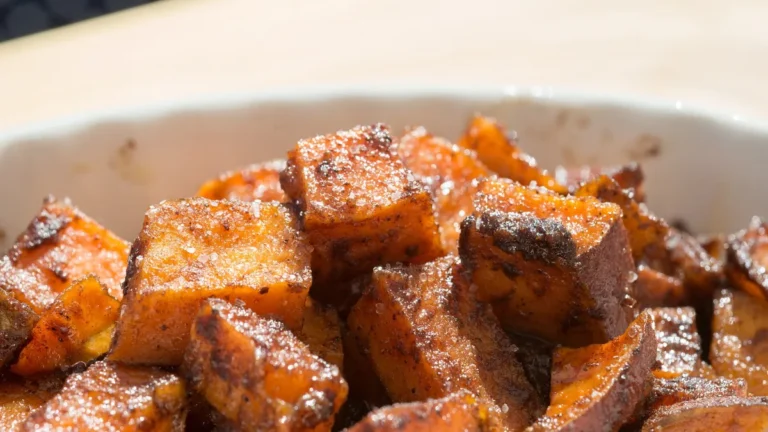
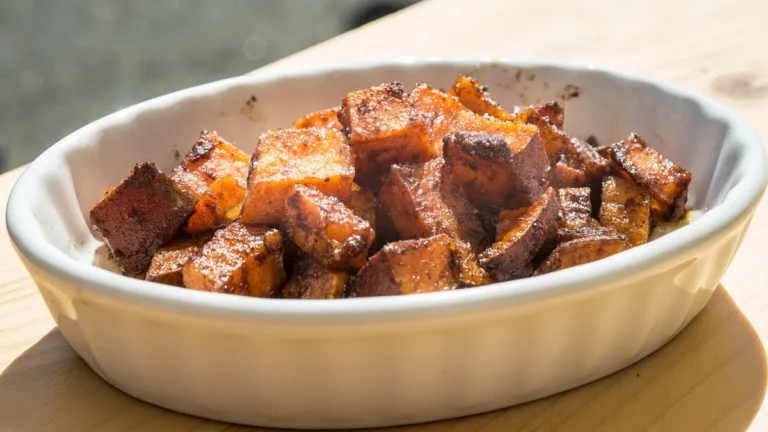
The food at the Monroe County Fair is best understood as a fundraiser with a queue. Community groups, clubs, and church kitchens set up stands, and what they sell is often the same food they have been perfecting for years — barbecue sandwiches, grilled burgers and sausage, loaded fries, corn dogs, funnel cakes, cotton candy, and lemonade shake-ups. Pies, cakes, and canned goods show up both in the exhibit hall and on the menu.
Kentucky fair food has its own dialect, and this corner of the state is no exception. Expect smoke, vinegar, and slow cooking alongside the sweet stuff. If a stand is selling burgoo or a bowl of soup beans with cornbread, order it — that is the kind of cooking that does not travel well to cities and tastes better within earshot of a livestock barn.
Practical note: lines move fastest early in the evening and right after a grandstand event ends. If you have a specific stand in mind, eat first, ride later.
Live Music and Evening Entertainment
Evenings are when the fairgrounds find their voice. Local and regional acts take a stage for country, gospel, and rock sets, and the sound carries across the midway in a way that makes the whole grounds feel like one room. Between sets, announcements for livestock classes, pageants, and raffle winners keep the loudspeakers busy.
Beyond the stage, the schedule usually includes grandstand events and livestock shows, plus the midway’s own noise. Bring a folding chair if you plan to camp out in front of the music, and check the day’s schedule early — the biggest draws fill up fast, and it helps to know when you want to be sitting down and when you want to be eating.
Family Activities Beyond the Food Stands
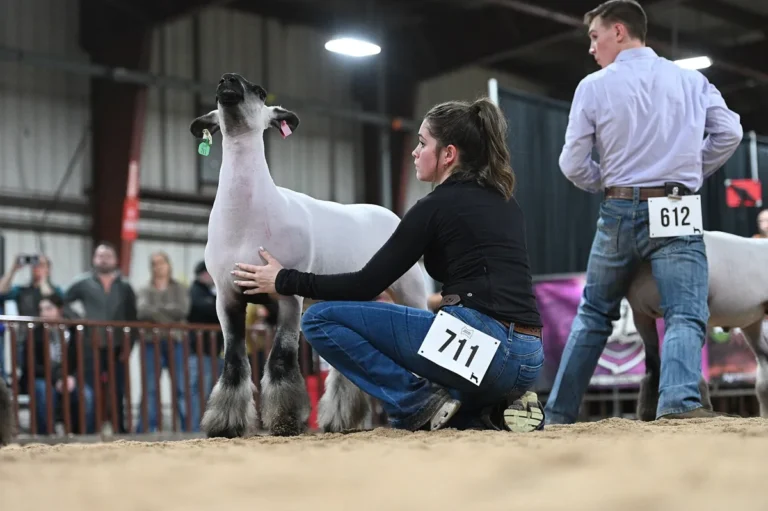
The fair is built for families in a very practical way. Kids can spend an hour in the livestock barns, where exhibitors are usually happy to answer questions about their animals, then move on to the midway for rides and games sized for smaller riders. Exhibit halls reward a slower walk: crafts, canned goods, vegetables, and school projects, with ribbons marking the winners.
Pageants, grandstand events, and demonstrations round out the schedule. Many families stake out a table near the food stands and treat it as home base, sending one parent for food while the other watches the kids. Bring cash for games and small purchases, and set a meeting point early — the fairgrounds get crowded after dark.
Planning a Fair Day in Tompkinsville and Monroe County
Getting There: Roads Into Monroe County
Monroe County sits in south-central Kentucky on the eastern Pennyroyal Plateau, with Tompkinsville as its county seat. The drive in is rural by design: two-lane highways, farm driveways, and long sightlines broken by tree lines. Traffic thickens close to the fairgrounds in the early evening, so plan to arrive before the dinner rush or accept a slower crawl. Navigation apps handle the route well; just expect the last mile to be the slowest.
Where to Stay Near the Fairgrounds
Lodging inside a rural county is limited, and fair weekend is when it disappears fastest. Most visitors either live within driving distance or base themselves in a larger nearby town and make the trip in. If you are coming from out of state, book well ahead and treat the fair as a day trip from your hotel rather than assuming something will open up closer. Campers and RV travelers should confirm space before hauling equipment out.
Parking at the Monroe County Fair
Fair parking is typically field parking — grass, gravel, and volunteers with flashlights directing traffic. Arrive early for a shorter walk and an easier exit. Follow the volunteers rather than inventing your own spot near a fence line, and keep an eye out for soft ground if it has rained recently. After the evening’s biggest event, expect a slow, single-file exit; it is part of the experience.
Admission and What a Fair Day Really Costs
Entry to the grounds is typically free, which makes the fair an affordable night out if you keep it simple. Your money goes to food, rides, games, raffles, and exhibit purchases. Bring more cash than you think you need — small stands may not take cards, and cell service can be spotty enough to make a payment app stall. Set a food budget before you walk in; the stands are close together and the smell does the selling.
Summer Weather on the Pennyroyal Plateau
Fair season here means heat, humidity, and the chance of an afternoon thunderstorm rolling through. Dress light, wear comfortable shoes for grass and gravel, and pack sunscreen, a hat, and bug spray for the hours after sunset. A poncho beats an umbrella when the midway crowds up. Evenings cool off nicely, so a light layer is worth carrying if you plan to stay for the music.
A Sample Fair Weekend, Meal by Meal
A sample fair weekend starts Friday evening. Get there early, walk the grounds once without buying anything to get your bearings, then commit to dinner — barbecue or a burger first, dessert later. Ride the midway while the lines are short, then settle in for the music and finish with something fried on the way out.
Saturday is the long day. Come for breakfast food if it is available, spend the morning in the livestock barns and exhibit halls while the heat is manageable, then retreat to shade and cold drinks through the middle of the day. Late afternoon is for rides and games; evening is for the grandstand, one more plate of food, and a slow walk past the barns as the lights come on. If you only have one day, Saturday gives you the fullest version of the fair.
Monroe County’s Fair Next to Nearby Towns
Monroe County’s fair is small-town in the best sense, and it helps to know what sits nearby. Glasgow, to the north, is a larger city with more restaurants and hotel rooms, which makes it a practical base if you want a bigger-town evening around your fair day. Bowling Green, further out, offers a full regional slate of dining and entertainment if you are building a longer trip. Closer in, the county-seat towns of Albany and Burkesville share the same rural fair-season rhythm.
The trade-off is simple: bigger towns mean more options before and after, while the Monroe County Fair offers something those places cannot — a fair where the food stands are run by people you will see again at the grocery store.
Your Monroe County Fair Day Checklist
Before you go, run through a short list. Cash, including small bills, for food and games. Sunscreen, a hat, and bug spray. Comfortable closed-toe shoes for grass, gravel, and barn floors. A refillable water bottle. A light layer for after dark. A meeting point agreed on before you split up. A rough food budget so the midway does not decide it for you. And a quick check of the day’s schedule — livestock shows, music, and grandstand events — so you know when to eat and when to sit.
Beyond the Midway: Tompkinsville and Rural Monroe County
Tompkinsville is the county seat, and the town itself is worth an hour before or after the fair. A courthouse square, local diners, and small shops give you a sense of the place the fair serves. Beyond town, Monroe County opens into 332 square miles of farmland, tree lines, and backroads that reward a slow drive.
This is eastern Pennyroyal Plateau country, a landscape shaped by agriculture and small communities rather than tourism. That is the appeal: you are not visiting a resort, you are visiting a working county. Stop at a farm stand if you see one, take the long way back to the highway, and let the fair be the reason you came rather than the only thing you do.
What the Fair Means to a 332-Square-Mile County
For a county this size, the fair is not just an event — it is infrastructure. It is where young exhibitors learn to present an animal and speak to a judge. It is where clubs and church groups raise money for the year. It is where a family that moved away comes back, and where kids from different ends of the county end up in the same line for a corn dog.
Food is the mechanism that keeps all of it running. Every funnel cake and barbecue sandwich sold at a stand is money going back into a community group. That is why the eating matters here. The fair feeds the county twice: once at the table, and once through everything the proceeds pay for.
Where the Monroe County Fair Sits in Kentucky
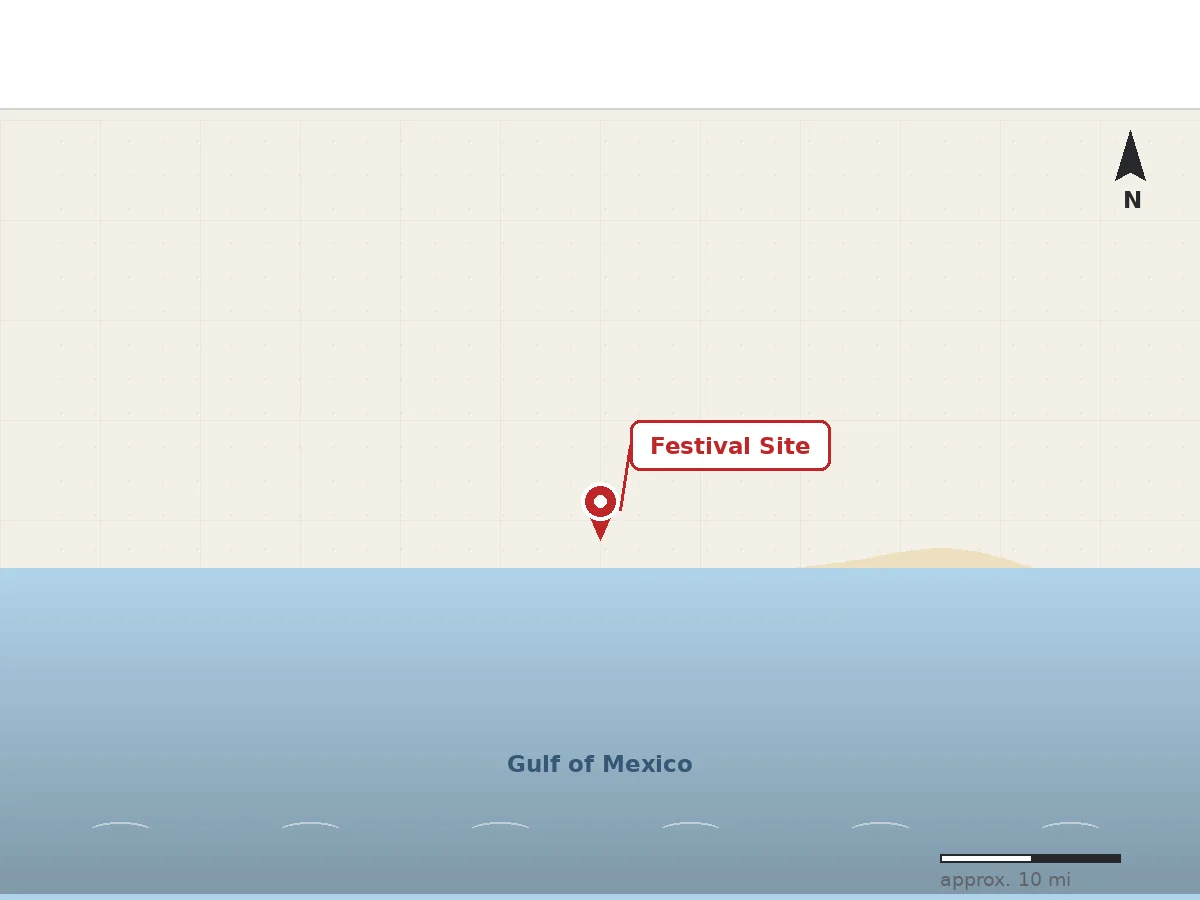
The Monroe County Fair takes place in the Monroe County area around Tompkinsville, the county seat, in Kentucky’s eastern Pennyroyal Plateau.
Monroe County Fair Answers for First-Time Visitors
When does the Monroe County Fair usually happen?
In most years, the fair lands on a summer weekend during Kentucky’s county fair season, when the agricultural calendar slows down and the weather is warm enough for an outdoor midway. Because the exact dates shift from year to year, check local announcements before you plan travel, and treat the timing as a season rather than a fixed date.
Do you have to pay to get in?
Admission to the grounds is typically free. You pay as you go for food, rides, games, and raffles, which is why many families treat the fair as an affordable evening out. Bring cash, since smaller stands may not accept cards and signal can be unreliable in a crowded fairgrounds.
Is the fair a good outing for kids and grandparents?
Yes, with a little planning. Kids have the midway, the livestock barns, and games; grandparents usually gravitate to the exhibit halls, the music, and a seat near the food stands. The grounds are outdoors with grass and gravel underfoot, so comfortable shoes and a chair for anyone who needs one make a real difference.
What food should a first-timer try first?
Start with whatever the community stands are cooking — barbecue, grilled sausage, or a bowl of something slow-simmered — then move to the midway classics like funnel cakes and lemonade. If you see a stand selling a regional specialty such as burgoo, order it. The best fair food is usually the food that takes hours to make.
Looking Ahead to Fair Season in Monroe County
The Monroe County Fair depends on volunteers, and that is also its advantage: a fair run by local people tends to keep its own character. Expect the same rhythm in the years ahead — a summer weekend, a full midway, barns full of animals, and food stands that raise money for the groups that run them. As long as Monroe County keeps farming and keeps gathering, the fair will keep feeding it.
Last updated: October 2026
If you go, go hungry. Walk the grounds once, find the stand with the longest line of locals, and order whatever they are making. Then find a table, sit down, and watch a rural Kentucky county do what it has done since 1820 — come together in one place and eat well.