Knox County Maine Union Fair/Maine Wild Blueberry Festival
Late summer in Knox County splits neatly in two. Along the shore, Rockland and Camden are still full of boats and visitors. Inland, past the lakes and wooded ridges, the farm fields and blueberry ground are moving into harvest — and that is when the Union Fair and Maine Wild Blueberry Festival takes over its fairgrounds in the town of Union.
Knox County covers 1,144 square miles of Midcoast Maine and is home to 40,607 people, according to the 2020 census. Its seat is Rockland. Founded in 1860 and named for Henry Knox, the Revolutionary War general and Secretary of War, the county has always been a place of working water and working land. The Union Fair is where the land side of that identity gets its turn in the spotlight.
The Union Fair and Wild Blueberry Festival at a Glance
| Town | Union, in the Knox County area |
| County | Knox County, Maine |
| County seat | Rockland |
| County population | 40,607 (2020 census) |
| Region | Midcoast Maine, inland from Penobscot Bay |
| Typical timing | Late summer, in most years during August |
| Admission | Generally free to enter the grounds; rides, games, and vendors charge separately |
| Setting | A traditional agricultural fairground with barns, exhibit halls, food rows, and a midway |
| Signature features | Wild blueberry food, livestock and produce judging, music, family activities |
| Run by | Local volunteers and the fair’s community organizing committee |
Where Knox County’s Farm Country Meets Wild Blueberry Season
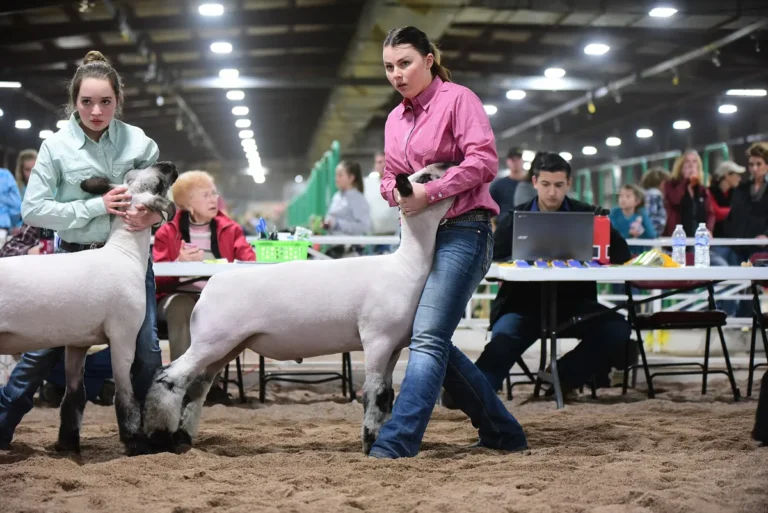
The Union Fair is a traditional agricultural fair — the kind built around livestock barns, exhibition halls, judged vegetables and handicrafts, and a midway that lights up after dark. Layered onto that run is the Maine Wild Blueberry Festival, a celebration of the small, tart-sweet berries that grow on the region’s rocky, acidic ground and ripen in the same weeks the fair is held.
Because the blueberry festival is folded into the fair rather than staged separately, visitors get both in one visit. Wild blueberries appear in pies, pancakes, muffins, jams, and shortcake; the rest of the grounds keep the older rhythms of a country fair, with animals, crafts, contests, and evening entertainment. It is a distinctly Knox County combination: agricultural, small-town, and unhurried.
The result feels less like a produced festival and more like a county gathering with a theme. Families come for the day, farmers come for the judging, and visitors from the coast drive inland for an evening of fair food and blueberry everything.
How a Farm County Built a Blueberry Fair Tradition
Knox County was established in 1860, named for Henry Knox, and its economy was built on the water — fishing, shipping, and the trades of Rockland and Thomaston — alongside the farms that filled the inland towns. In the late nineteenth and early twentieth centuries, agricultural societies across Maine held annual exhibitions where farmers compared stock, produce, and machinery. The Union Fair grew out of that habit of gathering.
Over the decades the fairgrounds gained the fixtures of a modern country fair: barns for livestock, halls for exhibits and home goods, a midway, and a grandstand for evening shows. What did not change was the emphasis on participation. Local residents still enter competitions, and the ribbons handed out matter as much as the rides do.
The blueberry element followed the harvest. Wild blueberries ripen in Maine from late July into September, and the crop has long been part of the region’s identity. Tying a blueberry festival to the fair gave the event a signature flavor and a way to celebrate the inland landscape that coastal visitors often drive past without noticing.
Inside the Grounds: What a Day at the Union Fair Looks Like
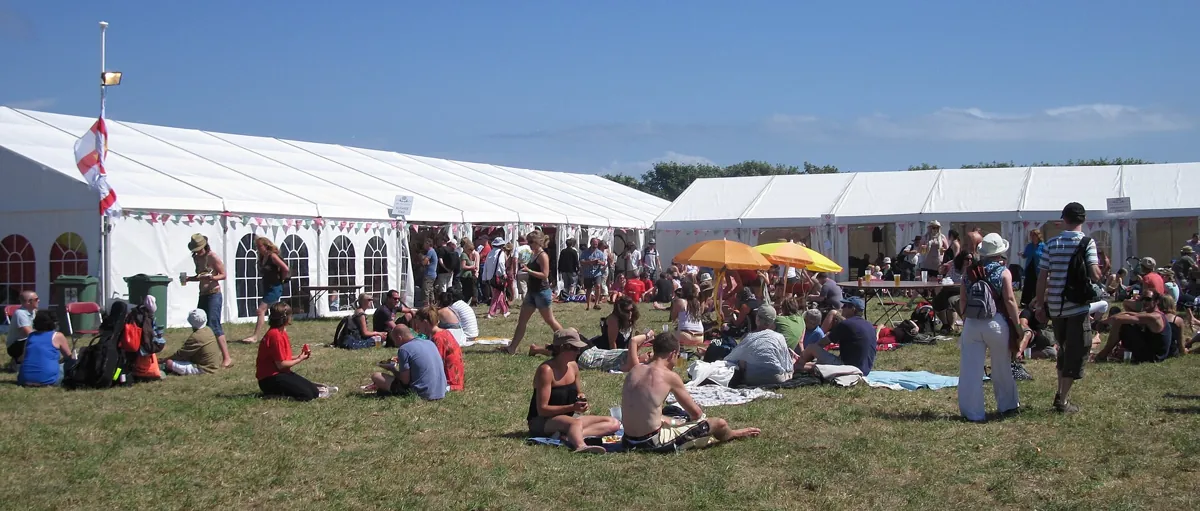
Expect a full day rather than a quick stop. The fairgrounds hold several distinct zones — animal barns, exhibit halls, a midway, food rows, and open space for demonstrations and contests — and the blueberry theme threads through all of them. Mornings are calm and family-friendly; evenings get louder and busier.
Wild Blueberry Food, From Pancakes to Pie
Food is where the festival’s theme is easiest to find. Wild blueberries are smaller and more intensely flavored than the cultivated berries sold in supermarkets, and vendors work them into pies, muffins, pancakes, jams, smoothies, and shortcake. Expect the usual fair staples alongside them — fried dough, sausages, fries, and ice cream — plus plenty of coffee for early arrivals.
Music, Contests, and Evening Entertainment
Entertainment runs through the day, with local and regional acts on stage and crowd-facing contests between sets. Livestock shows and pulling events draw their own loyal audiences, and the midway carries its own soundtrack of rides and games. Evenings tend to bring the biggest crowds, when the lights come on and the grandstand fills.
Family Activities and Things for Kids to Do
Children are well served here. Rides, games, animals to look at and sometimes to pet, tractor and machinery displays, and craft or agricultural demonstrations give families plenty to move between. Strollers are workable on the grounds, and the pace is slow enough that a full day with young kids is realistic rather than exhausting.
Planning a Trip to Union and Knox County
The fair is a single-site event in a rural county, so a little planning goes a long way. Most visitors come from within an hour or two by car, and the trip pairs easily with a night or two on the coast.
Getting There: Union in Knox County’s Inland Hills
Union sits in the inland half of Knox County, north and west of Rockland, reached by state routes that wind through farm country and small villages. From Rockland, Camden, or Thomaston the drive is straightforward; from Portland or Bangor it is a longer but manageable run. A car is the practical option, since there is no practical public transit to the fairgrounds.
Where to Stay Around Knox County
Lodging is concentrated along the coast. Rockland, Camden, and Thomaston offer motels, inns, and bed-and-breakfasts, and campgrounds dot the lakes and shore in between. Because late summer is peak season in Midcoast Maine, book well ahead if you plan to stay the weekend. Staying inland near the fairgrounds is quieter, though options are thinner.
Parking at the Fairgrounds
Fairground parking is generally handled on site, with grassy lots and attendants directing traffic; expect a short walk to the gates during busy evening hours. Arriving mid-morning or early afternoon usually means an easier spot. Carpooling with family or friends smooths both the parking and the drive home after dark.
Admission, Costs, and Paying Your Way
Entry to the grounds is typically free, with individual vendors, rides, games, and some shows charging separately. That structure makes the fair easy to sample on a budget: walk the barns and halls, listen to the music, and buy only what you want. Bring some cash, since smaller vendors may not take cards, and set a spending limit for kids before you arrive.
Late-Summer Weather and What to Bring
Late August in Maine swings between warm, humid afternoons and cool evenings, with the occasional rain shower. Dress in layers, wear shoes that can handle grass and dust, and pack sunscreen, bug spray, and a light rain jacket. A reusable water bottle and a tote for blueberry purchases are both worth the space.
A Sample Late-Summer Weekend Around the Union Fair
Friday: arrive in Knox County by mid-afternoon, check in on the coast, and drive inland to the fairgrounds for the evening. Walk the food row first, then the exhibit halls while they are still quiet, and finish with music and the midway as the lights come on.
Saturday: spend the morning at the fair with the animals, the judging, and blueberry breakfast food, then break for lunch in Rockland or Camden. Return in the late afternoon for the busiest hours, grandstand entertainment, and a second pass at the pies. Stay for the evening crowd.
Sunday: a slower start — a harbor walk, a lake or lighthouse stop, and one last fair visit before heading home. If the weather turns, the region’s museums, galleries, and shops fill the gap easily.
Union Fair Alongside Other Midcoast Summer Gatherings
Knox County’s summer calendar is crowded, and each event has a different personality. Rockland’s Maine Lobster Festival, held on the harbor each summer, is a waterfront celebration built around the working coast — bigger, saltier, and more commercial. Camden’s Windjammer Festival, near the end of the season, is a sailing-town event of schooners and harbor tradition. The Union Fair is the inland counterweight: agricultural, rural, and rooted in the blueberry harvest rather than the sea. All three sit within easy driving distance of one another, which makes a late-summer weekend here unusually rich.
A Short Checklist Before You Head to Union
| Check the current year’s fair schedule | Timing and daily hours shift from year to year |
| Reserve lodging early | Late summer is peak season in Knox County |
| Bring some cash | Smaller vendors may not accept cards |
| Pack layers and rain gear | Afternoons and evenings differ sharply |
| Wear sturdy shoes | Grounds are grass and gravel |
| Agree on a meeting point | The fairgrounds get crowded in the evening |
| Bring a cooler or tote | Wild blueberries and baked goods travel well |
| Charge your phone and save a map | Rural coverage can be uneven |
Beyond the Fairgrounds: Knox County’s Coast, Lakes, and Villages
The fair is a good excuse to see the rest of Knox County. Rockland, the county seat, pairs a working harbor with a walkable downtown and a strong arts scene. Camden, at the head of Penobscot Bay, offers a hilltop view, a pretty harbor, and the kind of shops that fill a rainy afternoon.
Inland, the county’s lakes and conservation land suit paddling, swimming, and short hikes, and the villages between Union and the coast hold farm stands, general stores, and quiet back roads. The blueberry ground itself is worth a look — low, rocky fields that turn red and silver in late summer before the harvest.
What the Union Fair Means to a 40,607-Person County
In a county of 40,607 people spread across 1,144 square miles, community gatherings do real work. The fair is where young exhibitors show animals, where bakers and gardeners learn how their entries placed, and where neighbors who rarely cross paths in an ordinary week end up sharing a bench.
It is also an economic and cultural anchor for the inland towns, drawing visitors who might otherwise spend their whole summer on the coast. The blueberry festival adds a second layer of meaning: it keeps a harvest tradition visible in a county better known for its harbors, and it gives local growers and bakers a stage of their own.
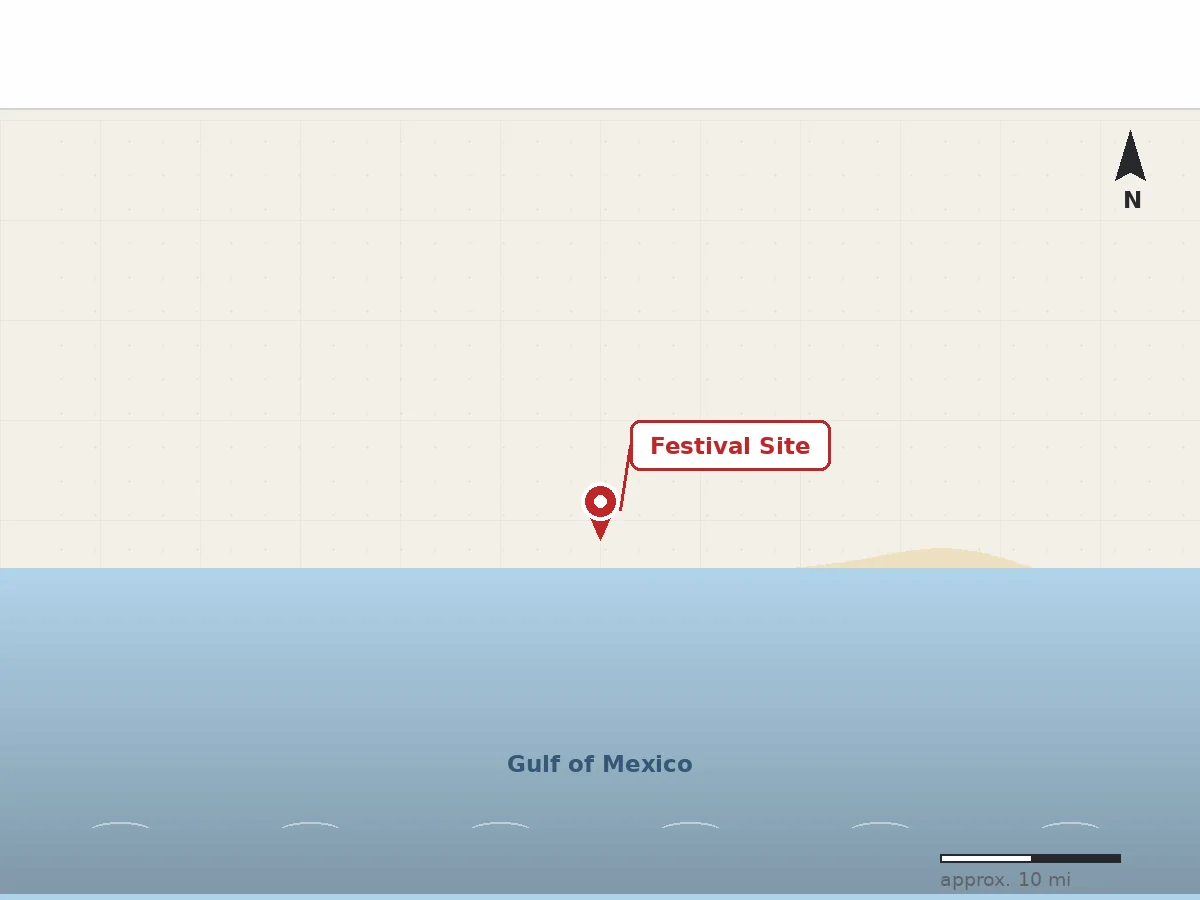
Finding the Fairgrounds in Knox County
The Union Fair grounds are in the town of Union, in Knox County’s inland farm country, a short drive from Rockland and the Midcoast shore.
Straight Answers About the Union Fair and Wild Blueberry Festival
When is the Union Fair usually held?
In most years the fair runs in late summer, typically during August, with the Maine Wild Blueberry Festival folded into the same stretch. Because dates shift from year to year, check the current schedule before you plan travel, especially if you want to catch a specific event.
Do I need to buy tickets in advance?
Grounds admission is generally free, and rides, games, food, and some entertainment are paid for individually on site. Advance tickets are usually not required for entry, though it is worth checking the year’s schedule for any separately ticketed shows or events.
Is the fair a good outing for young children?
Yes. The mix of animals, rides, games, demonstrations, and food makes it easy to keep kids occupied, and the grounds are walkable with a stroller. Mornings tend to be calmer and less crowded, which suits families with toddlers better than the busy evening hours.
How far is Union from Rockland or Camden?
Union lies inland from both, a straightforward drive on state routes through farm country. Most visitors treat the fair as part of a Knox County day or weekend, pairing it with time on the coast in Rockland, Camden, or Thomaston.
Looking Ahead to Future Seasons in Union
The Union Fair’s future looks much like its past: a volunteer-run agricultural fair with a blueberry festival attached, sustained by local exhibitors, vendors, and families who return each August. Interest in local food and in the wild blueberry harvest has grown, which suits a festival built around both. The challenges are the familiar ones for rural Maine events — staffing, weather, and the cost of keeping old fairground buildings in working order. As long as the barns and halls stay busy, the tradition holds.
Last updated: October 2026
Whatever else changes in Midcoast Maine, the last weeks of summer in Knox County still belong to the fairgrounds at Union — to blueberry pie, livestock barns, and the sound of a county that has been gathering this way for a very long time.