Evangeline Parish Louisiana Festival de la Viande Boucanee Festival
By mid-morning, the air in the Evangeline Parish area already carries the deep, patient scent of smoke. A family from just outside Ville Platte pulls into the festival grounds with folding chairs bungeed to a wagon, a toddler on someone’s hip, and grandparents who have been coming to this celebration for decades. They are here for the Festival de la Viande Boucanee, a gathering that turns the parish’s long love of smoked meat into a day of food, music, and neighborly catching-up. The children are promised boudin and a patch of grass to run on. The adults are promised something harder to package: a taste of home.
Festival de la Viande Boucanee: Evangeline Parish Snapshot
| Town / Area | Evangeline Parish area, centered near Ville Platte |
| County / Parish | Evangeline Parish, Louisiana |
| County Seat | Ville Platte |
| Population | 32,350 (2020 census) |
| Land Area | 680 square miles |
| Region | South-central Louisiana, Cajun prairie country |
| Typical Timing | Spring, usually on a weekend |
| Admission | Generally free; food, crafts, and some activities sold separately |
| Setting | Small-town festival grounds in the Evangeline Parish area |
| Features | Smoked meat, Cajun music, family activities, local crafts, cooking traditions |
| Organizer | Community volunteers and local civic groups |
What Smoke and Cajun Prairie Mean at This Evangeline Parish Gathering
The Festival de la Viande Boucanee is, at its heart, a celebration of smoked meat. “Viande boucanée” translates roughly to smoked meat, and in Evangeline Parish that phrase carries generations of rural know-how. Families once cured and smoked pork, beef, and wild game to carry them through lean months. The smokehouse was not a trend; it was a practical answer to life on the prairie. Today, the festival honors that answer with a public party.
Evangeline Parish was founded in 1910, with Ville Platte as its parish seat. The parish covers 680 square miles and had a population of 32,350 at the 2020 census. Those numbers describe a place where small towns, farm roads, and family names still matter. The festival fits that scale. It is not a massive stadium event or a corporate food expo. It is a community gathering where the person slicing your smoked sausage might also be the person who repaired your truck last fall.
For visitors, the appeal is simple: honest food, live Cajun music, and a chance to see how this part of Louisiana celebrates its own. For locals, it is a reunion with a menu. The family in the gravel lot knows this rhythm. They will greet neighbors, claim a shady spot, and let the day unfold one plate at a time.
How Ville Platte’s Smoked-Meat Tradition Shaped the Festival
The story of the Festival de la Viande Boucanee begins with the parish itself. Evangeline Parish was founded in 1910, and Ville Platte became its seat of government and civic life. Around the town, families worked the land, raised livestock, and relied on smoke to preserve what they could not eat right away. Smoking was not a weekend hobby. It was a calendar rhythm tied to butchering, weather, and the need to feed a household.
Over time, that practical tradition became a point of pride. Cajun and Creole cooks kept the old methods alive, seasoning with salt, pepper, garlic, and whatever local spice blend a family trusted. Smoked pork, tasso, sausage, and other boucanée favorites showed up at church fairs, family reunions, and holiday tables. The festival grew from that same impulse: if the food is this good, why not set aside a day to share it?
No single date marks the festival’s beginning in the records available here, and that is fitting. This is a celebration that feels less like a manufactured anniversary and more like a natural extension of parish life. As Ville Platte and the surrounding communities have changed, the festival has remained a way to pass on smokehouse skills, Cajun French phrases, and the simple pleasure of eating outside with people you love.
A Family’s Day Inside the Festival de la Viande Boucanee
To understand the festival, follow one family through it. They arrive with a wagon, a cooler, and a plan that will likely dissolve by noon. The grandparents head for the food line. The kids spot other children and vanish into a game. The parents spread a blanket, then realize they forgot napkins and go hunting for a vendor. Within an hour, everyone is holding something smoked, something fried, or something sweet.
Smoked Meat, Boudin, and the Boucanée Plate
Food is the main event. Vendors and community cooks bring smoked meats that reward patience: pork, sausage, chicken, and beef with a dark, savory edge. Boudin appears in links and loose form, often alongside cracklins and rice dressing. The phrase “boucanée” signals smoke, so expect plates built around that flavor rather than buried under it. The family’s first stop is usually a shared plate of smoked sausage and boudin, eaten standing up because sitting down would take too long.
Later, someone will try a smoked meat plate with rice and gravy, or a po-boy stuffed with whatever came off the smoker that morning. Sweet tea, lemonade, and cold drinks keep everyone going. The food is not fancy, and that is the point. It is the kind of cooking that tastes like a screened-in porch and a Saturday without deadlines.
Cajun and Zydeco Sounds on the Prairie
Music keeps the grounds moving. Cajun and zydeco bands set up with accordions, fiddles, guitars, and washboards, and the dance floor becomes a mix of practiced two-steppers and kids spinning in circles. The family’s grandmother pulls one grandchild into a simple Cajun waltz. The grandfather tells a story about seeing the same song played at a dance hall years ago. Nobody checks the time.
Between sets, the festival gives space for conversation. Musicians might invite someone from the crowd to join, or a local group might play a French-language tune that older attendees remember from childhood. The entertainment is not a backdrop; it is the pulse of the day.
Kid-Friendly Corners and Hands-On Cajun Culture
Families with young children find plenty to do. There are usually simple games, craft tables, and open grass for running. Cooking demonstrations or smokehouse talks can hold a child’s attention for a few minutes, especially when samples are involved. The family’s youngest members drift between a beanbag toss and a table where someone is showing how sausage is stuffed into casing.
For parents, the festival works because it is compact. You can let kids roam a little, keep an eye on the music stage, and still find your people. The day feels old-fashioned in the best way: unsupervised enough to be fun, small enough to be safe.
Planning a Evangeline Parish Weekend Around the Festival
A little planning makes the smoked-meat weekend smoother. The festival is generally free to enter, but food, drinks, crafts, and some activities cost money. Bring cash, arrive with patience, and treat the day as a slow unfold rather than a checklist.
Getting to Ville Platte and the Evangeline Parish Area
Ville Platte is the parish seat, and the festival takes place in the Evangeline Parish area. Most visitors drive in from nearby towns or make the trip from larger Acadiana cities. The roads are two-lane and rural in stretches, so give yourself extra time, especially if you are towing a camper or traveling with a carload of kids. A paper map or downloaded directions can help where cell service fades.
Where to Stay Near the Smoked-Meat Festival
Lodging in the immediate area is limited and local, with small inns, guest cabins, and chain hotels in surrounding communities. Many families stay with relatives or drive in for the day. If you want a weekend base, book early in spring. Campers sometimes look toward regional parks or private campgrounds, but those fill quickly on festival weekends.
Parking, Shuttles, and Small-Town Traffic
Parking is usually a mix of designated lots, church grounds, and field parking near the festival site. Volunteers direct traffic, but lines can still form mid-morning. Arrive early for the shortest walk, or come later and accept a longer stroll. Carpooling helps. So does wearing shoes you do not mind getting dusty.
Admission, Food Costs, and Cash Tips
Admission is typically free unless a specific year’s organizers say otherwise. Food and drink are the main expenses, and prices are generally reasonable. Bring small bills and some change. Not every vendor takes cards, and the ATM line can be longer than the boudin line. Budget for a few plates, a dessert, and maybe a craft or T-shirt if you want to take the festival home.
Spring Weather in Cajun Country
Spring in Evangeline Parish is warm, humid, and occasionally stormy. Mornings can be pleasant, afternoons can feel sticky, and a passing shower is always possible. Dress in layers, bring a light rain jacket, and pack sunscreen and bug spray. A hat and a refillable water bottle are wise. The festival goes on in most weather, but mud boots can be a smart choice after a wet week.
A Sample Saturday: One Family’s Festival de la Viande Boucanee Day
Start the morning slowly. The family leaves home after coffee and a quick breakfast, knowing they will eat well later. They arrive in the Evangeline Parish area by mid-morning, park in a field, and make the short walk to the grounds. The grandparents claim a folding chair near the music. The kids scope out the activities. The parents buy the first round of boudin and smoked sausage.
By late morning, everyone has eaten something. The family drifts toward the stage for a Cajun band, then splits up: one adult takes the kids to a craft table, another checks out the cooking demonstration, and the grandparents visit with friends they have not seen since Christmas. Lunch is a smoked meat plate with rice and gravy, eaten on a bench in the shade.
Early afternoon is for wandering. They look at local crafts, buy a dessert, and let the children run. A zydeco set gets people dancing, and even the shy cousin joins in. By late afternoon, the family is tired in the good way. They pack the wagon, say goodbye to neighbors, and make one last stop for a link of smoked sausage to take home.
Dinner is light, because nobody is truly hungry after a festival day. They sit on the porch and talk about who they saw, what they ate, and which band was best. The smoked meat goes in the refrigerator for Sunday. The festival is over for another year, but the taste lingers.
How This Smoked-Meat Festival Compares to Nearby Acadiana Stops
Compared with larger Acadiana festivals in Lafayette, the Festival de la Viande Boucanee feels more local and more food-centered. Lafayette’s events can draw bigger crowds and broader lineups, while this Evangeline Parish gathering stays rooted in the parish’s smokehouse identity. It is a place to eat first and wander second.
Nearby Mamou has its own Cajun music traditions, and a festival there often leans heavily on dance-hall culture. The smoked-meat festival shares that love of music but keeps boucanée at the center. Opelousas and other regional towns host their own celebrations with different specialties, from zydeco to Creole cuisine. Together, these events form a circuit for travelers who want to taste south-central Louisiana one weekend at a time.
The difference is scale and intimacy. At a bigger festival, you might be one of thousands. At the Festival de la Viande Boucanee, you are more likely to be handed a sample by someone who asks where you are from and then tells you exactly which smokehouse method your plate came from.
What to Pack for a Evangeline Parish Festival Day
Bring cash in small bills, a refillable water bottle, sunscreen, bug spray, and a light rain jacket. Wear comfortable shoes that can handle grass, gravel, or mud. Pack folding chairs or a blanket if you plan to stay for music. Bring a small cooler for any smoked meat you buy to take home, and a tote bag for crafts. If you have children, add wipes, a change of clothes, and a stroller or wagon for tired legs. Finally, bring patience and a willingness to talk to strangers. At this festival, that is half the experience.
Beyond the Smoke: Evangeline Parish After the Festival
Why the Festival de la Viande Boucanee Matters in Evangeline Parish
The Festival de la Viande Boucanee matters because it keeps a skill and a story alive. Evangeline Parish was founded in 1910, and its people have long made a living from land, livestock, and community. Smoking meat was once a necessity. Now it is a heritage worth celebrating. The festival gives older cooks a stage, younger families a reason to gather, and visitors a taste of a place that has not forgotten where its food comes from.
It also supports local life. Vendors, musicians, churches, and civic groups all benefit when people come together. The money spent on boudin and crafts stays in the area. The music keeps Cajun French and zydeco in the air. The children who run across the grass are learning, without being told, that this parish has its own rhythm and its own flavor.
In a world of generic food festivals, this one remains specific. It belongs to Ville Platte, to Evangeline Parish, and to the families who show up year after year with a wagon and an appetite.
Where the Festival Fits in Evangeline Parish
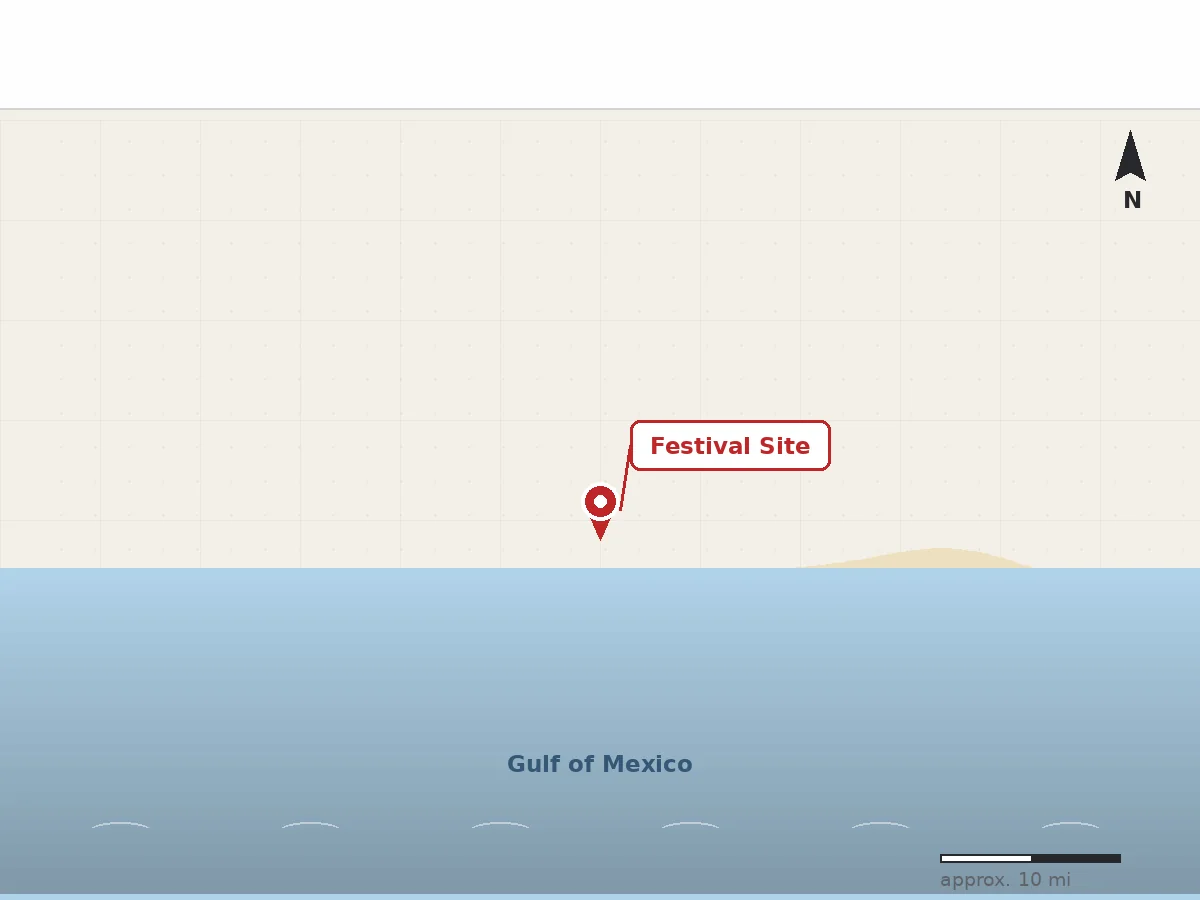
The Festival de la Viande Boucanee is set in the Evangeline Parish area of south-central Louisiana, with Ville Platte serving as the parish seat and the surrounding rural communities forming its backdrop.
Festival de la Viande Boucanee: Visitor Questions
Is the Festival de la Viande Boucanee free to attend?
Admission is typically free, though food, drinks, crafts, and some activities cost money. Bring cash for vendors and be prepared for small fees if a particular year’s organizers add special events.
What is viande boucanée?
Viande boucanée means smoked meat. At the festival, you will find smoked pork, sausage, chicken, beef, and other meats prepared in the Cajun and Creole traditions of Evangeline Parish. The flavor is savory, smoky, and deeply tied to rural Louisiana cooking.
When is the festival usually held?
It is usually held in spring on a weekend. Exact dates can vary from year to year, so check local announcements as the season approaches rather than relying on a fixed calendar date.
Is the festival good for young children?
Yes. The festival is family-friendly, with space to run, simple games, and plenty of food that kids enjoy. Bring a wagon, sunscreen, and a change of clothes, and plan to take breaks in the shade during the warmest part of the day.
The Next Chapter for Ville Platte’s Smoked-Meat Celebration
The future of the Festival de la Viande Boucanee looks tied to the same things that built it: families, smoke, music, and community. As Evangeline Parish continues to change, the festival can remain a place where old methods are taught and new generations learn why boucanée matters. Visitors will keep coming for the food, but they will stay for the feeling of a small-town Saturday where everyone has a seat at the table.
Last updated: October 2026
If you go, go hungry, go early, and go ready to talk. The Festival de la Viande Boucanee is not just a meal or a music lineup. It is a day in the life of Evangeline Parish, served smoky and warm, with a side of Cajun hospitality that will follow you home long after the last plate is cleared.