Iowa County Iowa Iowa Renaissance Festival
Twice each year a quiet community park in Middle Amana trades its everyday calm for clashing steel, galloping horses and the smell of roasted turkey legs. The gathering filling the grounds is a full Renaissance fair, complete with jousting on horseback, comedy, swordplay, music and magic woven through a village of costumed performers. In twenty twenty six the event arrives billed as its thirty fourth annual edition, a billing carried in the colonies visitors bureau newsletter and confirmed by a local news layer. Rather than crowding everything into one weekend, the fair spreads across two weekends in spring and two more in fall, giving the village four chances to step several centuries backward.
About the Festival
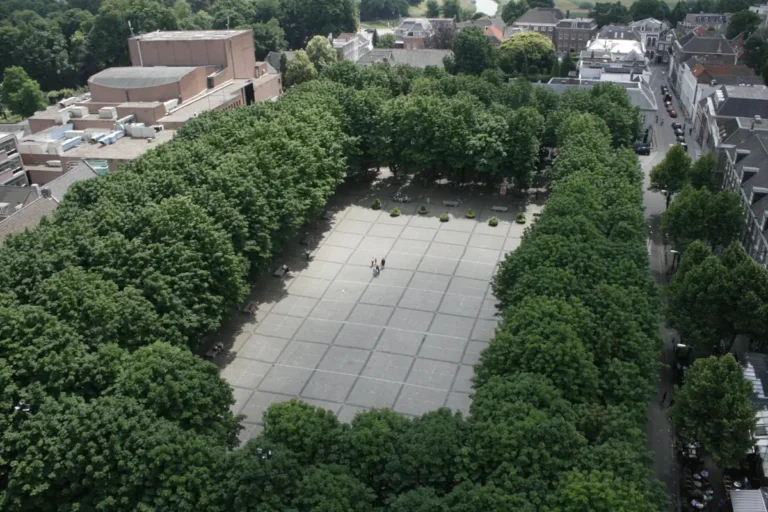
The published name is Iowa Renaissance Festival, printed in exactly that form by the state tourism layer, by the colonies visitors bureau newsletters and by event listing layers. A local newspaper layer sometimes shortens the same event to Amana Renaissance Festival, a local form for the identical gathering rather than a separate occasion. The host community is Middle Amana, one of the villages of the Amana Colonies in Iowa County, and the venue given by the visitors bureau and local news layers is Middle Amana Community Park. The state tourism layer describes the spot in matching terms as the community park in Middle Amana.
One detail of the organisation deserves careful handling. Among all the layers read, only a festival directory layer names an operating body, stating that the festival is operated by Midwest Festivals LLC. No organiser page among the layers read backs that statement up, so it stands as a single source attribution rather than settled fact.
What the other layers describe is consistent. The fair presents live entertainment built around comedy, swordplay, music and magic, adds horseback jousting as its headline spectacle, and fills the park with costumed performers arranged as a Renaissance village. An artisan marketplace runs alongside the stages, and period food anchors the eating, with turkey legs named as a signature item. Gates in both documented years run from ten in the morning to six in the evening.
Quick Facts
| Item | Details |
| Published name | Iowa Renaissance Festival |
| Host town | Middle Amana, Iowa County |
| Venue | Middle Amana Community Park |
| County seat note | Marengo is the seat of Iowa County, not Middle Amana |
| Spring weekends in twenty twenty six | Twenty third to twenty fifth of May and thirtieth to thirty first of May |
| Fall weekends in twenty twenty six | Tenth to eleventh of October and seventeenth to eighteenth of October |
| Daily gate hours | Ten in the morning to six in the evening |
| Billing in twenty twenty six | Thirty fourth annual, recorded as a billing only |
| Admission price | No admission price is stated in any layer read |
| Organiser naming | Named only in a festival directory layer, without corroboration elsewhere |
History of the Festival
The deepest roots the layers offer reach back to nineteen ninety two. The visitors bureau newsletter describes the festival as a staple in Amana since nineteen ninety two, and a vendor layer uses similar language, saying the event was established in nineteen ninety two. Those accounts are repeated here exactly as their layers present them, as claims about longevity rather than as a documented founding ceremony. No layer read supplies a founding programme or a contemporary report from that starting point.
For a useful comparison, see the Iowa County Iowa Oktoberfest Festival for another county festival.
Set beside that account, the recent billings make an interesting companion. Event listing layers reproducing organiser copy billed twenty twenty five as the thirty third annual festival. The visitors bureau newsletter then billed twenty twenty six as the thirty fourth annual, and a local news layer confirmed that billing. Both numbers are recorded strictly as billings, the labels the editions carried, never as independent proof of an unbroken yearly count.
Middle Amana belongs to the Amana Colonies, a cluster of villages known for a communal German heritage, yet the village itself never held the county seat. County reference layers verify that Marengo serves as the seat of Iowa County, while Middle Amana remains a small community within the colonies whose park hosts the fair. A village without courthouse functions becomes, four weekends a year, the county entry in a wider calendar of Renaissance gatherings.
Documentation grows firmer in the most recent editions. The state tourism layer carries the fall dates for twenty twenty five, and event listing layers preserve the full four weekend shape of that year. By twenty twenty six the bureau newsletter prints both seasons in advance, each day running ten to six. The modern festival is therefore clearly documented even while its earliest years rest on the two nineteen ninety two accounts alone.
What to Expect
Horseback jousting gives the fair its loudest moments, with riders charging in the style the layers highlight as a centrepiece attraction. Around that spectacle the entertainment spreads across stages and lanes. Comedy acts trade jokes with the crowd, swordplay demonstrations turn staged combat into theatre, musicians carry period flavoured sets, and magicians work close up wonders for gathered families. Together those elements, drawn from the bureau, tourism and listing layers, keep the village lanes busy between jousting passes.
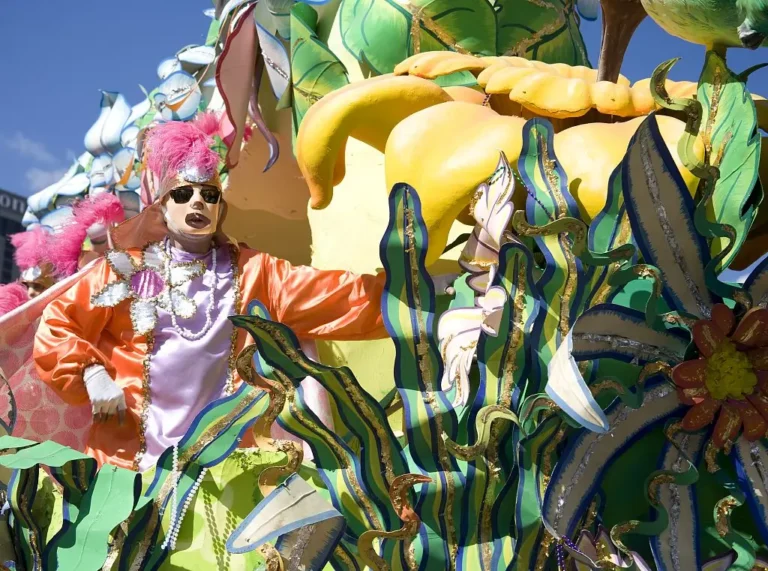
The human scenery matters as much as the schedule. Costumed performers populate a Renaissance village inside the park, so visitors walk among characters dressed for an earlier century rather than simply watching from seats. A comedy routine, a musical set and a sword fight all land as parts of one inhabited place, and the park paths become streets in a temporary town existing only on festival weekends.
Shopping follows the same period theme. The artisan marketplace gathers makers and merchants selling goods suited to the setting, and for the fall portion of twenty twenty five a school newspaper layer counted one hundred forty four vendors. That figure belongs to that layer and that season alone, yet it conveys the scale the marketplace can reach. Browsing the stalls can easily fill the hours between stage shows.
Food completes the scene in deliberately old fashioned style. The layers name period food such as turkey legs, the classic handheld feast of Renaissance fairs. Eating one while a jouster thunders past is part of the ritual the programme builds.
Planning Your Visit
Timing decides everything for this festival, because the fair appears in two separate seasons rather than one long run. In twenty twenty five the editions fell on the twenty fourth to the twenty sixth of May, the thirty first of May to the first of June, the eleventh to the thirteenth of October and the eighteenth to the nineteenth of October. In twenty twenty six the pattern repeated with spring weekends on the twenty third to the twenty fifth of May and the thirtieth to the thirty first of May, then fall weekends on the tenth to the eleventh of October and the seventeenth to the eighteenth of October. Choosing between a spring visit and a fall visit is the first decision any traveller makes.
Each festival day runs from ten in the morning to six in the evening, according to the listing and bureau layers for both documented years. Arriving near opening time gives the fullest choice of shows and the easiest pass through the marketplace before crowds thicken.
Money planning stays simple because the record stays silent on price. No layer read states an admission price, so any budget should leave that figure open. A vendor social layer does note that tickets are available at the gate by cash or card, which tells visitors both payment forms work at entry even though the amount itself never appears. Bringing a card and some cash covers the gate either way.
Travel planning should also keep the geography straight. The fair sits in Middle Amana Community Park, within the Amana Colonies in Iowa County. Marengo, the county seat, is a different community, so directions aimed at the seat will not land at the festival grounds. Aiming for Middle Amana itself matches the venue exactly as the bureau and news layers print it.
A Sample Day at the Fair
A morning might begin at the gates when they open at ten, with costumed performers already filling the village lanes and the first music drifting across the park. The opening hour suits a slow walk through the village, greeting characters and learning the layout of stages and stalls before the day gathers pace.
Midday belongs to the big spectacles. Horseback jousting draws the largest crowd, so claiming a viewing place ahead of a pass pays off. A turkey leg from a period food stall fits naturally into the same hour, eaten while comedy or swordplay fills a nearby stage.
The afternoon can turn toward the artisan marketplace, which in the fall of twenty twenty five held one hundred forty four vendors by the school newspaper count. Browsing handmade goods, watching magicians gather small crowds and catching a musical set fill the hours comfortably. As six in the evening approaches, the village empties and the park returns to its ordinary quiet.
How This Festival Compares
The Amana Colonies host a festival calendar built largely on German heritage, which makes a Renaissance fair an intriguing neighbour. Maifest and Oktoberfest, the colonies German festivals, celebrate the culture that built these villages. The Renaissance festival is a separate event in the same colonies, trading German tradition for knights, jesters and jousting in the same community park setting. A visitor could attend all three across a year and meet the same villages wearing three very different costumes.
Beyond the colonies, other Renaissance festivals take place elsewhere in Iowa and in other states, and those are separate occasions with their own organisers, grounds and traditions. The Middle Amana event stands apart through its split season, its community park venue and its place inside a German communal village. Where Maifest greets spring and Oktoberfest owns the fall, the Renaissance festival claims weekends in both seasons, giving the colonies an unusually varied festival year.
Festival Day Checklist
- Confirm which of the two seasons, spring or fall, matches your travel dates
- Aim for Middle Amana Community Park in Middle Amana, not the county seat of Marengo
- Plan to arrive near the ten in the morning gate opening
- Carry both cash and a card, since a vendor layer notes gate tickets by either
- Leave the admission amount open, because no layer read states a price
- Leave time for horseback jousting and claim a viewing spot early
- Walk the full artisan marketplace between stage performances
- Try the period food, especially the turkey legs named in the layers
- Stay through the afternoon shows before the six in the evening close
Beyond the Festival Grounds
Middle Amana rewards a slower look once the gates close. The community is one of the Amana Colonies villages, and its community park setting means the fair unfolds in a place built for local gathering rather than in a commercial fairground. The surrounding colonies carry the German heritage their own festivals celebrate, so a Renaissance weekend can pair naturally with quiet drives between villages.
That pairing works best when expectations stay grounded. The facts behind this article cover the festival and its Middle Amana setting, not a wider touring guide. Enjoy the colonies atmosphere around the park, and let the villages modest scale set the pace of any extra wandering.
Why the Festival Matters
A German communal village hosting knights and jesters twice a year sounds unlikely, yet that improbable mix is exactly what the documented record shows. Since nineteen ninety two, by the bureau newsletter account, the festival has held a place in Amana life, returning across spring and fall weekends in a community park. Its endurance gives Middle Amana a recurring celebration reaching beyond the colonies usual heritage themes.
The fair also widens what the colonies offer the wider county. Alongside German festivals honouring the villages own past, the Renaissance gathering invites visitors into an imagined older Europe of jousts, markets and travelling players. One small village park thus carries two kinds of history across the year, the real communal heritage of the colonies and the playful pageantry of the Renaissance village.
Frequently Asked Questions
Why does the fair appear in both spring and fall?
The documented editions run in two seasons. Twenty twenty five spread across two spring weekends in May and June and two fall weekends in October, and twenty twenty six repeated the shape with two May weekends and two October weekends, as the bureau newsletter and listing layers give them.
Which costs should visitors expect at the gate?
The layers provide no admission figure at all, so this article cannot quote one honestly. A vendor social layer notes only that tickets are available at the gate by cash or card. Visitors should expect to pay at entry by either method, with the amount unpublished in every layer read.
What fills a day inside the village?
The programme layers list live comedy, swordplay, music and magic, horseback jousting, costumed performers in a Renaissance village, an artisan marketplace and period food such as turkey legs. A school newspaper layer counted one hundred forty four marketplace vendors for the fall portion of twenty twenty five.
Is Middle Amana the county seat for this event?
No. County reference layers verify that Marengo is the seat of Iowa County. Middle Amana hosts the festival at its community park, as the colonies village holding the fair, not the seat of county government.
What to Expect From the Next Iowa County Iowa Iowa Renaissance Festival
How often is Iowa County Iowa Iowa Renaissance Festival held?
The documented pattern covers two spring weekends and two fall weekends within each of twenty twenty five and twenty twenty six, billed as the thirty third and thirty fourth annual editions. The bureau newsletter places the festival in Amana since nineteen ninety two, so the record shows a recurring event returning in both seasons rather than one annual weekend.
When is the next Iowa County Iowa Iowa Renaissance Festival?
The layers read document editions through the fall weekends of twenty twenty six, ending with the seventeenth to the eighteenth of October. No fixed future date beyond those documented weekends appears in the layers, so the next edition date would come from a future bureau or listing announcement following the established spring and fall rhythm.
Will the dates change?
The two documented years already show gentle movement, with spring weekends shifting slightly and fall weekends landing on different October dates between twenty twenty five and twenty twenty six. Future dates may shift a little as well, while the broader pattern of two spring and two fall weekends has held steady across both years.
Closing Thoughts
The Iowa Renaissance Festival turns Middle Amana Community Park into a lane of jesters, musicians, merchants and mounted knights four weekends a year. Its record rests on tourism, bureau, news and listing layers that agree on the essentials, a spring and fall rhythm, ten to six gates, jousting and village entertainment, and roots reaching to nineteen ninety two as the bureau tells it. The reward is a fair both theatrical and personal, staged where a community park briefly becomes another century.