Beauregard Parish Louisiana Beauregard Parish Fair Festival
DeRidder has served as the seat of Beauregard Parish since the parish was founded in 1913, and it still anchors a sprawling 1,166 square miles of pine forest, pasture, and small settlements in southwest Louisiana. The 2020 census counted 36,549 people across that territory — a population spread thin enough that neighbors can live twenty minutes apart and still consider themselves close. That geography explains a great deal about the Beauregard Parish Fair. When a parish is this large and this rural, a fair stops being mere entertainment and becomes a meeting point: one stretch of autumn days when the whole parish crowds into the same few acres.
The fair returns each year to the Beauregard Parish area, gathering farm families, school groups, church crowds, and town residents around a shared schedule of exhibits, food stalls, livestock pens, and evening entertainment. It is a tradition carried by volunteers, and it still bears the fingerprints of the parish that built it.
The Beauregard Parish Fair in Plain Terms: Place, Timing, and Setting
| Town / area | Beauregard Parish area, centered on DeRidder |
| County / parish | Beauregard Parish, Louisiana |
| County seat | DeRidder |
| Population | 36,549 (2020 census) |
| Region | Southwest Louisiana, in the state’s piney woods belt |
| Typical timing | Each autumn, during the fall fair season |
| Admission | Generally free to enter; rides, food, and some activities are priced separately |
| Setting | Fairgrounds in a rural parish of pine woods, pastures, and small communities |
| Signature features | Youth and livestock exhibits, fair food, live entertainment, carnival rides, community contests |
| Organizer | Local volunteers and parish community organizations |
A Parish-Wide Fair Built Around Exhibits, Animals, and Neighbors
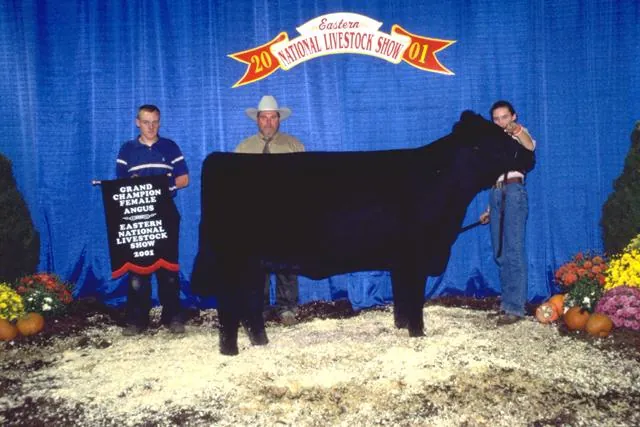
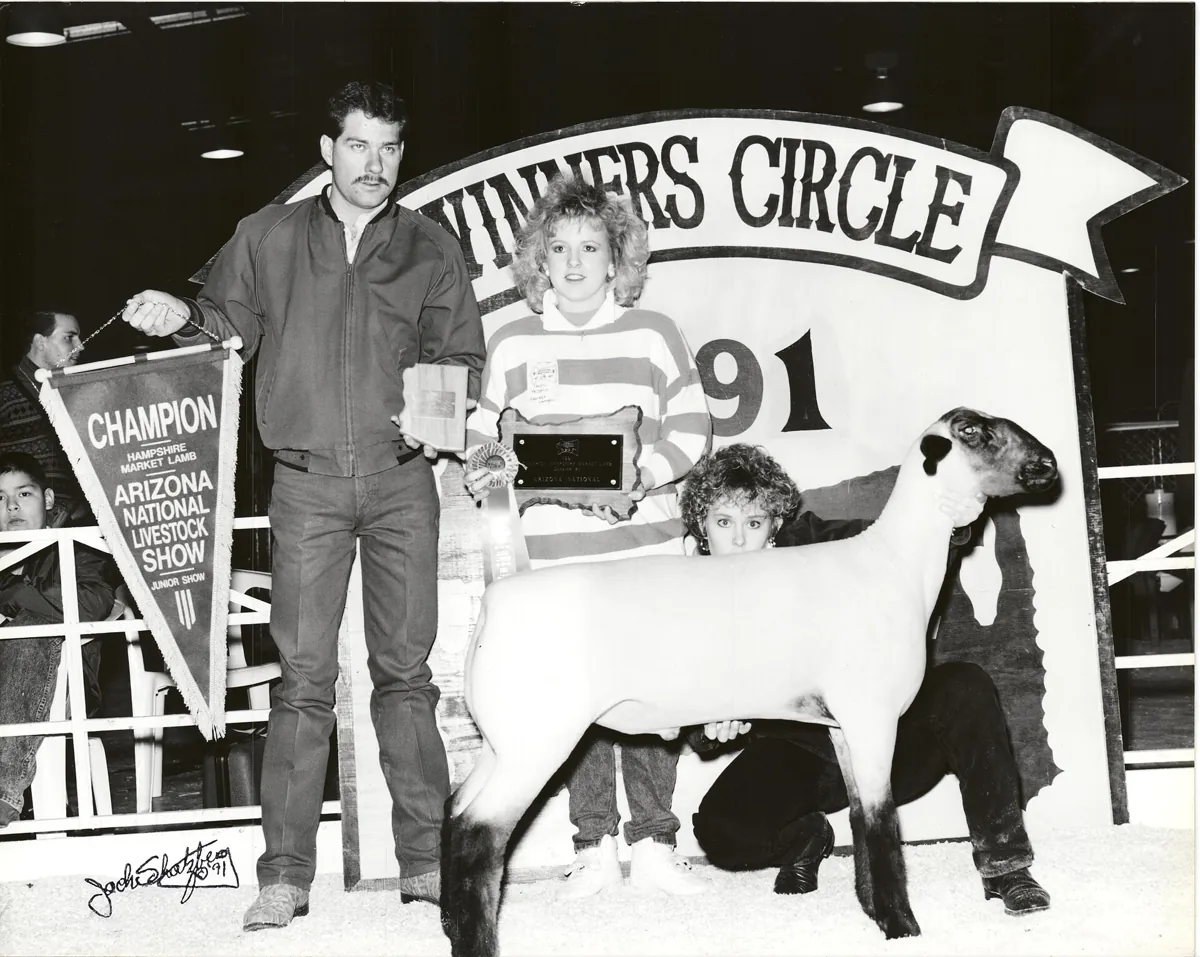
The Beauregard Parish Fair is best understood as an agricultural fair with a community festival wrapped around it. At its center are the exhibits: livestock and poultry, home-canned goods, baked entries, quilts, photography, school art, and the kind of handwork that gets judged across a card table by people who have been judging it for decades. For young exhibitors, the fair is often the first place they learn to present their work to a stranger and take a ribbon — or a critique — in stride.
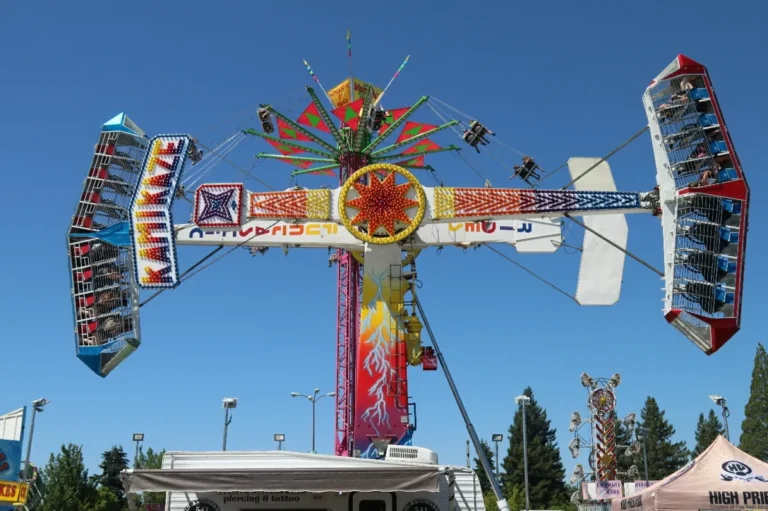
Around those exhibits, the grounds fill out with carnival rides, midway games, concession trailers, and a stage given over to local performers. Vendors sell the food Louisiana fairs are known for, and families settle in for an afternoon that stretches into evening. Admission is typically free, which matters in a parish where a fair is expected to be open to everyone; rides, games, and food are paid for as you go.
How the Fair Grew Alongside a Parish Founded in 1913
Beauregard Parish was founded in 1913, and the fair belongs to the same era of institution-building that followed. In those early decades, a parish fair was a practical instrument as much as a celebration. Farmers used it to compare seed, breeds, and techniques. Schools used it to display student work. Families used it to see people they otherwise encountered only at church or at the courthouse in DeRidder. For a young parish, the fair supplied both a shared calendar and a shared identity.
Through the middle of the twentieth century, the event settled into the rhythm it largely keeps today: an autumn gathering timed to the close of the growing season, when harvest work eased and the heat finally broke. Livestock shows, home economics exhibits, and carnival rides became the three pillars. Local businesses sponsored prizes, churches ran food booths, and volunteers handled nearly everything else.
Later decades brought changes familiar to rural fairs everywhere. Mechanization reduced the number of working farm families, and the parish economy diversified well beyond timber and agriculture. The fair adapted rather than faded. Exhibit categories widened to include photography, crafts, and school projects. Entertainment shifted toward regional bands and family programming. The grounds themselves became a venue for community events outside fair week.
What has not changed is the fair’s core function. Across 1,166 square miles and 36,549 residents, it remains one of the few occasions that pulls every corner of Beauregard Parish into a single place at a single time.
On the Grounds: Food, Entertainment, and Family Activities
A day at the fair moves between three zones — the midway, the exhibit halls, and the stage — and most visitors cycle through all three without planning to.
Fair Food With a Southwest Louisiana Accent
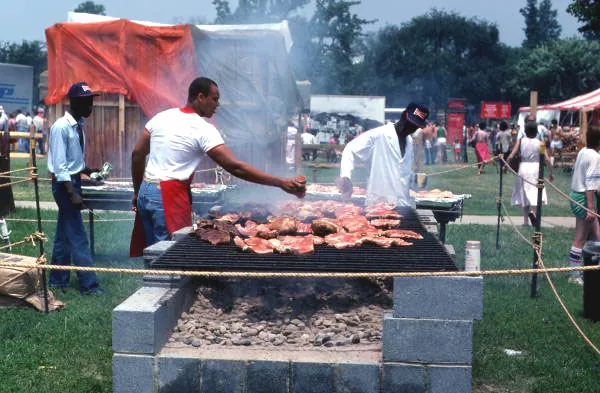
Fair food here leans on the same instincts that drive Louisiana cooking generally: fried, smoked, seasoned, and served in portions that assume you have been walking all day. Expect the standard midway lineup of corn dogs, funnel cakes, cotton candy, and nachos alongside regional staples such as boudin, gumbo, jambalaya, sausage po’boys, and sweet tea. Church and civic booths are often where the best cooking hides, and their prices tend to be gentler than the commercial trailers. Bring some cash for the smaller stands; card readers are more common than they once were, but not universal.
Music, Rides, and Evening Entertainment
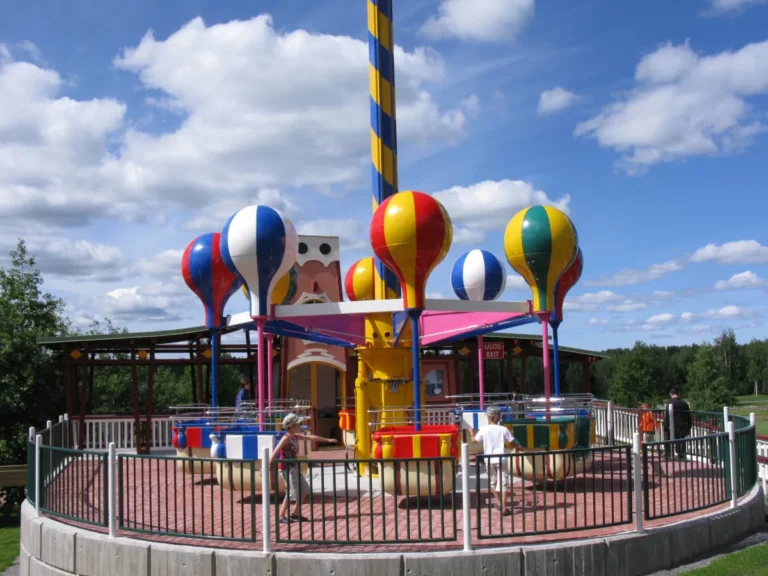
Entertainment is local by design. Stages typically feature regional bands, country and swamp-pop acts, gospel groups, and school performance troupes, with a sound that suits a folding-chair crowd. Evenings are the busiest hours: the lights come up, the rides run, and the midway becomes the social center of the fairgrounds. Carnival offerings range from gentle kiddie rides to the spinning, height-restricted kind that teenagers queue for twice in a row.
Family Activities, Exhibits, and Contests
The fair’s family programming is broad and unpretentious. Livestock shows and youth auctions draw grandparents, parents, and siblings into the same bleachers. Baking, canning, and craft categories pull entries from every community in the parish. Contests and demonstrations fill the gaps between shows. The exhibit hall is the quiet heart of it all, where locals drift through to check whether a neighbor’s tomatoes, quilt, or pecan pie took a blue ribbon. If your children are exhibiting, plan your day around the show schedule; if they are not, wander and let the fair set the pace.
Planning a Trip to the Beauregard Parish Fair
Getting to DeRidder and the Fairgrounds
DeRidder sits in southwest Louisiana, with U.S. 171 and U.S. 190 meeting in town. Drivers arrive from Lake Charles to the south, from Alexandria to the north, and from the Texas line a short run west. The parish is large, so anyone coming from the outer communities should budget real drive time rather than treating the fairgrounds as a quick errand.
Where to Stay Near Beauregard Parish
DeRidder holds most of the parish’s lodging, with a modest cluster of motels and inns serving business travelers and fair visitors alike. Rooms fill faster during fair week and during local school events, so booking ahead is wise if you are traveling in from outside the parish. Lake Charles, a longer drive south, offers a much deeper bench of hotels for anyone combining the fair with a broader southwest Louisiana trip.
Parking and Getting Around the Grounds
Fair parking is typically handled in grassy lots near the gates, often free or inexpensive, with volunteers directing traffic. Arrive early in the evening if you want a spot close to the entrance. Once inside, expect to walk on grass, gravel, and packed dirt, so closed-toe shoes beat sandals by a wide margin.
Admission, Tickets, and Costs
Admission to the fair is generally free, with individual costs falling on rides, games, and food. Carnival rides usually run on tickets or wristbands, and some special events or shows may carry their own charge. Because pricing structures shift from year to year, confirm current details through local listings before you go, and carry a little cash as a backup.
Autumn Weather and What to Wear
Autumn in southwest Louisiana is a mild, humid season rather than a cold one. Days can still run warm, evenings turn noticeably cooler, and rain can arrive without much warning. Dress in layers, wear comfortable walking shoes, and pack sunscreen, insect repellent, and a light rain jacket. A folding chair is worth bringing if you plan to camp out near the stage.
A Sample Fair Weekend in and Around DeRidder
Friday evening: Arrive as the gates open and walk the midway before the crowds thicken. Grab dinner from a civic booth, then settle near the stage for the first night’s entertainment. This is the easiest evening for families with small children, since lines are shorter.
Saturday morning: Head straight to the livestock barns and exhibit halls. Judging is often underway early, and the show ring is at its most active. Browse the home economics and craft entries while the morning is still cool.
Saturday afternoon: Eat your way through the concession row, let the kids loose on the kiddie rides, and catch a demonstration or contest. This is the busiest stretch of the weekend, so plan on patience in the parking lot.
Saturday evening: Stay for the lights. The midway and stage draw the biggest crowd after dark, and the fairgrounds take on a completely different character.
Sunday: Return for a slower pass — a last look at the exhibits, a final plate of fair food, and a walk through downtown DeRidder before heading home.
How the Beauregard Parish Fair Compares With Nearby Options
Lake Charles, south of the parish, offers a bigger-city festival calendar, from Mardi Gras celebrations to lakefront events, but it comes with urban traffic and larger crowds. The Beauregard fair trades that scale for something more intimate: you will likely run into someone you know.
Alexandria, to the north, serves as a regional hub for central Louisiana, with its own slate of fairs and civic events. It is a useful overnight base for travelers approaching from that direction, though the drive to DeRidder makes it a day trip rather than a stroll.
Natchitoches, farther north, is famous for its historic riverfront and its holiday lights festival, an event with a far larger regional draw. Compared with that kind of destination weekend, the Beauregard Parish Fair is smaller, more agricultural, and more local in character — which is precisely its appeal.
Fair-Day Checklist for Beauregard Parish Visitors
Before you leave the house, confirm the fair’s current schedule and hours through local listings, since the calendar shifts from year to year. Pack cash for concession stands and small vendors, along with a card as backup. Bring sunscreen, insect repellent, and a light rain jacket, and dress in layers for warm afternoons and cooler nights.
Wear closed-toe shoes you do not mind scuffing, and bring a folding chair or blanket if you plan to watch the stage. Charge your phone, carry water, and set a meeting point for your group in case the midway crowds separate you. Finally, leave room in the car for exhibit purchases, auction wins, or a box of something from a church booth.
Beyond the Fairgrounds: The Rest of Beauregard Parish
The fair is a fine excuse to see more of a parish that most travelers only pass through. DeRidder’s downtown holds the county’s civic and commercial core, with a walkable stretch of storefronts, local restaurants, and the courthouse square that anchors parish life. Beyond town, the landscape opens into timber country — long stretches of pine, logging roads, and rural communities such as Merryville and Ragley, each with its own small landmarks and gathering spots.
Anglers and paddlers head for the Sabine River country along the parish’s western edge, where the Louisiana-Texas line runs through the water. Birders and hunters find plenty of edge habitat in the piney woods. And for anyone tracing family history, the parish’s cemeteries, churches, and small museums reward a slow afternoon of looking around.
What the Fair Means to a Parish of 36,549
In a parish that covers 1,166 square miles and holds just 36,549 residents, institutions that bring people together carry unusual weight. The Beauregard Parish Fair is one of them. It is where a student’s first ribbon gets pinned, where a family’s canned goods get judged, where a volunteer who has worked the same booth for years is greeted by name.
It is also an economic and civic engine in miniature. Local businesses sponsor prizes, vendors earn a week of revenue, youth organizations raise funds, and visitors spend money in DeRidder restaurants and shops. More than that, the fair is a yearly proof that the parish still shares something: a calendar, a set of traditions, and a place to stand together.
Where the Beauregard Parish Fair Sits in Louisiana
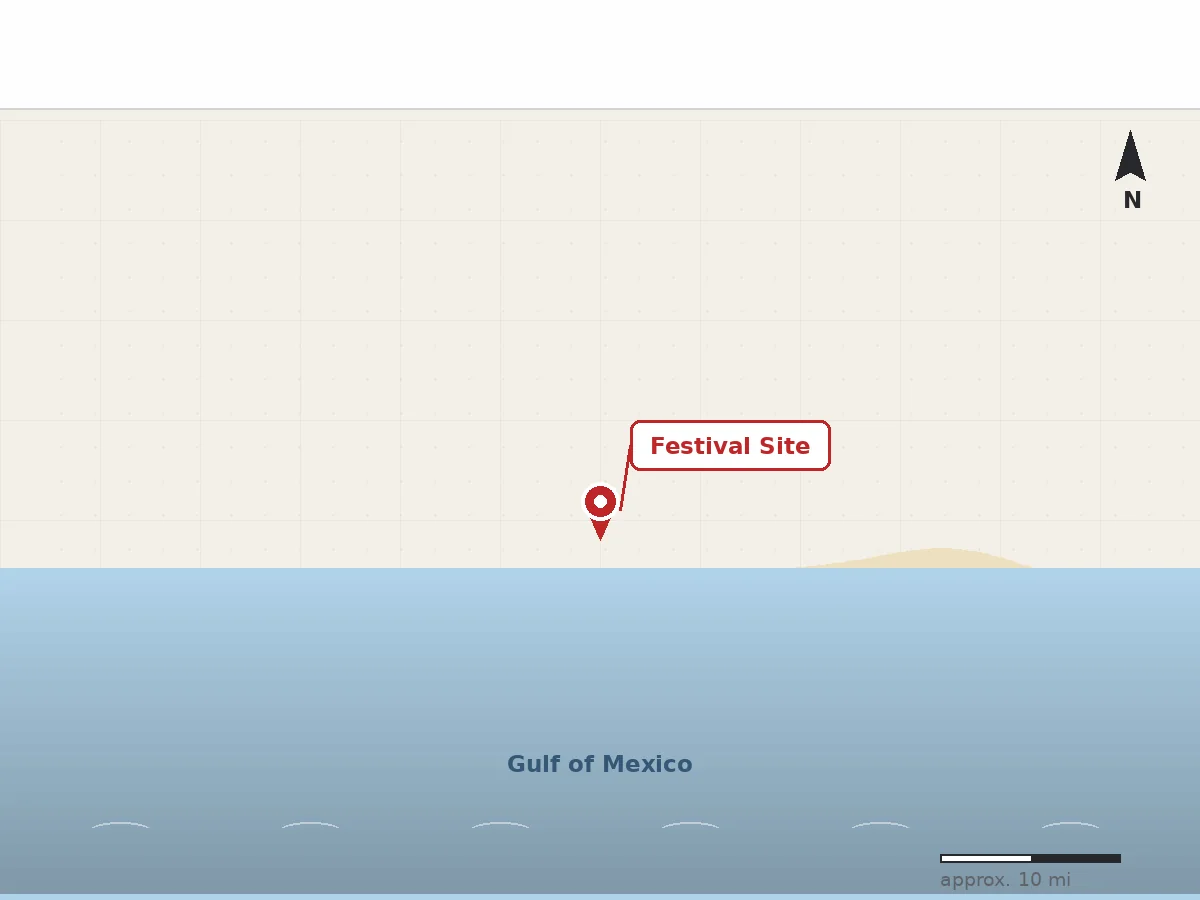
The fair takes place in the Beauregard Parish area, centered on DeRidder, the parish seat in southwest Louisiana near the Texas line.
Beauregard Parish Fair Questions, Answered Briefly
When is the Beauregard Parish Fair usually held?
It is an autumn event, typically scheduled during the fall fair season when the growing year winds down and evenings turn cooler. Exact dates shift from year to year, so check local listings and parish announcements before planning your trip.
Is admission free?
Admission is generally free, in keeping with the fair’s role as a community gathering open to everyone. Rides, games, food, and certain special events carry their own costs, so budget for those separately and carry some cash.
Is the fair a good fit for young children and older visitors?
Yes. The mix of kiddie rides, livestock barns, exhibit halls, and food stands works well across ages, and daytime hours tend to be calmer than the evening rush. Visitors with mobility concerns should note that much of the grounds is grass and gravel, so a sturdy walker or wheelchair with larger wheels helps.
How far is DeRidder from the surrounding region?
DeRidder is the parish seat and the natural base for the fair, reachable from Lake Charles to the south and Alexandria to the north, with the Texas line a short drive west. Anyone coming from outside the parish should plan on a genuine road trip rather than a quick detour.
The Fair’s Next Chapter in Southwest Louisiana
Rural fairs across Louisiana face the same pressures: fewer farm families, tighter volunteer pools, aging infrastructure, and competition from screens and city attractions. Beauregard’s fair has survived those pressures for more than a century of parish life, and its path forward likely looks much like its past — gradual, practical, and shaped by whoever shows up to help.
Expect continued emphasis on youth exhibitors, since they are the fair’s most reliable pipeline of participants and the reason many families return each autumn. Expect the food and midway traditions to hold. And expect the fair to remain, as it has been since Beauregard Parish was founded in 1913, one of the few events that can still gather a scattered parish into a single, noisy, well-fed crowd.
Last updated: October 2026
For a parish measured in pine forests and long drives, the Beauregard Parish Fair is a rare convergence: 36,549 people with somewhere to be at the same time, under the same lights, eating the same food, and comparing notes on the same year. Come for the rides, stay for the exhibits, and leave knowing a little more about what holds rural Louisiana together.