Anne Arundel County Maryland Maryland Renaissance Festival
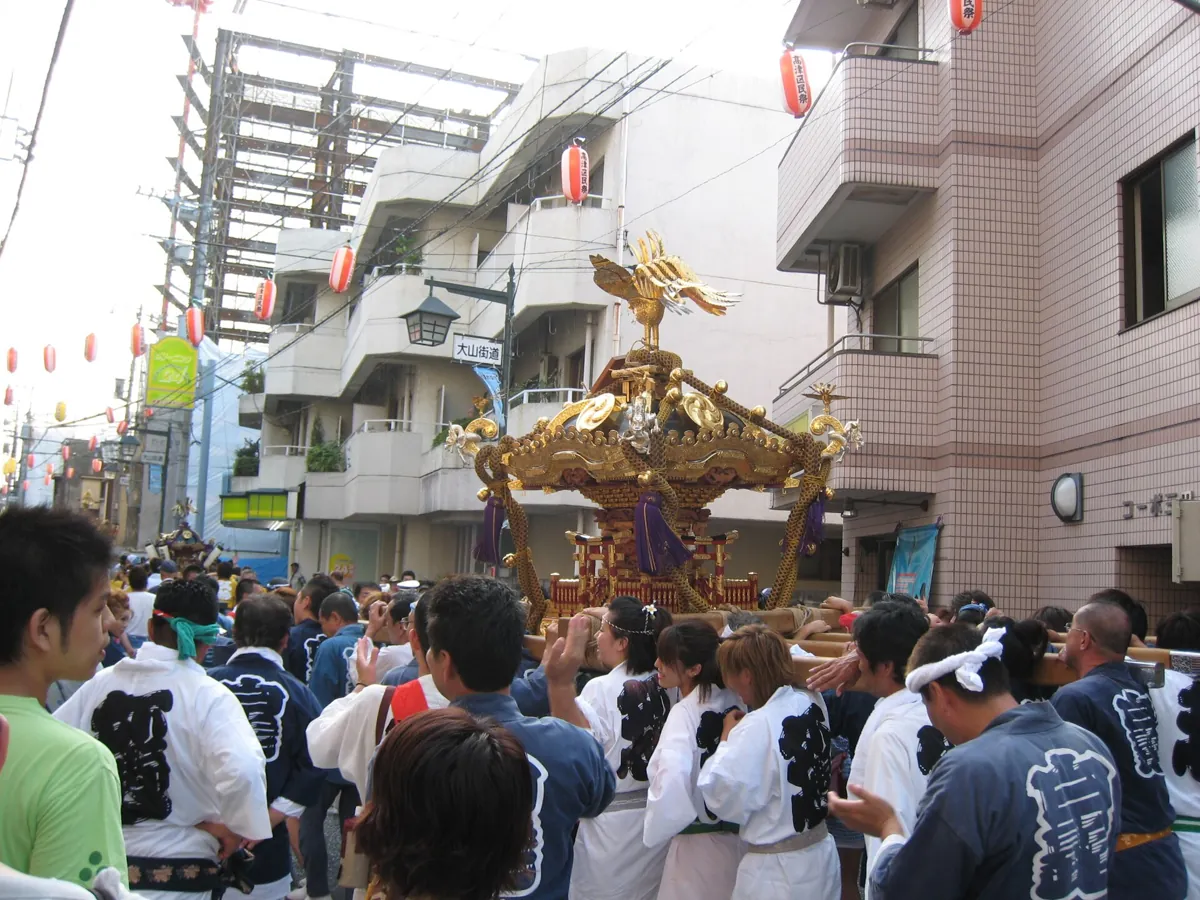
The Maryland Renaissance Festival turns a wooded corner of the Anne Arundel County area into a working Tudor village for a stretch of weekends each autumn. If you have driven past the signs for years without stopping, this is the season to change that.
A first visit simply goes better with a little orientation. The festival rewards people who know roughly how the day flows, where the crowds collect, and what to carry in. What follows is everything a newcomer needs: what the festival actually is, how it grew into a county tradition, what to eat and watch, how to plan around parking and weather, and how to build a full weekend around it.
A Fast Orientation to Maryland Renaissance in Anne Arundel County
Here is the short version, before the details.
| Festival | Maryland Renaissance Festival |
| Town / area | The Anne Arundel County area, Maryland |
| County | Anne Arundel County |
| County seat and founding | Annapolis; the county was founded April 9, 1650 |
| Population and land area | 588,261 residents across 588 square miles |
| Region | Central Maryland, close to Annapolis and the Chesapeake Bay |
| Typical timing | Weekends each autumn, from late summer into October |
| Admission | Ticketed; current rates and ticket options come from the festival itself |
| Setting | A wooded festival village with period-style buildings and shaded lanes |
| Features and organizer | Jousting, stage shows, artisan crafts and period food; produced by the festival’s own management team |
What Maryland Renaissance Is in Anne Arundel County
Maryland Renaissance is a seasonal outdoor festival rather than a one-day street fair. The grounds are built to read as a sixteenth-century English village, with timbered shopfronts, lanes that pinch and open again, and stages set into clearings among the trees. Costumed performers hold character for hours at a time, so a conversation at a craft stall can turn into a bit of theater without warning.
A single day mixes scripted entertainment with pure improvisation. You might catch a joust, then a comic act on a small stage, then a musician playing something older than the county itself. Vendors sell handmade goods that fit the theme — leather, metalwork, glass, textiles — alongside food that leans hearty rather than delicate.
First-timers sometimes assume the festival is only for history enthusiasts. In practice it works just as well as a shopping day, a family outing, or a long, wandering date. The village is walkable, the schedule is loose, and nobody minds if you skip the shows and simply eat your way down the lane.
The Long Run of Maryland Renaissance in Anne Arundel County
The festival did not start as a county institution. It began as a modest gathering with a handful of stages and stalls, the sort of event that depends on a good weekend and a bit of luck. Word spread, the audience grew, and the season stretched from a single weekend into a run of autumn dates.
What changed the festival most was permanence. Instead of tents that went up and came down, the site developed into a village with standing structures, which allowed bigger stages, more artisans, and a schedule that could support repeat visits. Regulars began treating the season the way other people treat a sports schedule — a few dates circled, a group of friends, a standing plan.
The location suits the material. Anne Arundel County was founded on April 9, 1650, and its seat is Annapolis, a colonial capital with the architecture to match. Performing the sixteenth and seventeenth centuries here is not an act of pure fantasy; it is a short walk back from a county that has been keeping old buildings alive for a very long time.
Today the festival draws from across the Baltimore and Washington corridor, but its identity stays local. For residents of a county of 588,261 people spread across 588 square miles, it functions as a shared autumn landmark — the thing you take out-of-town guests to, and the thing you go back to on your own.
What to Expect on the Maryland Renaissance Grounds
The rhythm of the day is simple: arrive early, wander, eat, watch something, wander again. Crowds thicken toward midday, so the first hour and the last hour are the easiest for browsing.
Food and Drink in the Festival Village
Food at Maryland Renaissance is part of the entertainment. Expect large, hand-held portions — roasted meats, savory pies, bread bowls, sweets — plus drinks sold in sturdy cups you will end up keeping. Lines move faster before noon and again after the main afternoon shows let out. If you are traveling with picky eaters, walk the full loop first and note what everyone wants; the lanes are longer than they look on a map, and doubling back costs time.
Stages, Music, and Street Theater
Entertainment runs on several scales at once. Large stages host scheduled acts, while smaller platforms host musicians, comics, and storytellers with room for a few dozen people. Between them, costumed performers work the lanes in character, pulling passersby into short exchanges. The practical move for a first-timer is to pick two or three scheduled shows you genuinely want, then let the rest of the day happen between them. Trying to see everything guarantees you will see very little.
Family Activities for Younger First-Timers
Children tend to lock onto the same things adults do — the joust, the animals, the costumes — but the village also works at a kid’s pace. There is room to run, plenty of spectacle, and no shortage of performers who enjoy a young audience. Strollers are manageable on the main lanes, though the ground can be uneven in the wooded sections. Bring water, plan a mid-afternoon break, and expect to leave with something wooden, shiny, or slightly too large for the car.
Planning Your First Visit from Anywhere in Anne Arundel County
Most of the friction of a first visit comes down to logistics rather than the festival itself. Handle these five things and the day takes care of itself.
Getting There from Annapolis and Around the County
The festival sits within Anne Arundel County, which means most residents are working with a short drive rather than a road trip. Traffic concentrates in the hour after opening, so leaving a little earlier than feels necessary pays off. If you are coming from Annapolis, Baltimore, or the Washington side, treat the trip as a half-day commitment in each direction on busy weekends and plan your return after the grounds begin to empty.
Where to Stay Near the Festival
Because the county is compact, you rarely need to stay overnight. Visitors from farther out often base themselves in or near Annapolis, where lodging ranges from historic inns to standard hotels, and where dinner after a festival day is easy to find. Booking early matters most on peak autumn weekends, when the whole region fills up with leaf-peepers, boaters, and event crowds at once.
Parking, Arrival, and the Gate Rush
Parking is on-site and handled by attendants, and it is included in the rhythm of the visit rather than a separate errand. The trick is timing. Arriving at opening puts you ahead of the largest wave; arriving in the middle of the morning puts you in it. Keep a photo of your row marker or a note of your lot, because a wooded field looks entirely different after a full day of walking and a couple of large drinks.
Admission, Costs, and What Adds Up
Admission is ticketed, with rates and ticket options set by the festival, so confirm current details before you go. Inside the gates, the real spending is optional but easy: food, drinks, artisan goods, and children’s purchases. A reasonable approach for a first visit is to set a soft budget for the day, plan one sit-down meal, and let everything else be a decision you make on the spot rather than in advance.
Weather and What to Wear
Autumn in Anne Arundel County swings hard between cool mornings and warm afternoons. Layers beat a single heavy jacket, and comfortable shoes matter more than costume accuracy — the lanes are unpaved in places and you will cover more ground than you expect. Bring a light rain shell if the forecast is uncertain, and remember that a wet weekend thins the crowds considerably, which some regulars consider an advantage.
One Sample Weekend Around Maryland Renaissance
Give the festival one full day and give the rest of the county the other. On Saturday, arrive near opening, walk the lanes before the crowds build, catch a late-morning stage show, and eat lunch early. Spend the afternoon on the joust and the artisan stalls, then leave before the final rush and have dinner in Annapolis.
Sunday can stay slow: a waterfront walk, a historic district stroll, a long breakfast, and a drive through the county’s rural edges. If you have children in tow, flip the plan — festival first while everyone has energy, quiet Sunday second. Either way, resist the urge to do two festival days back to back unless you are genuinely committed; the village is more enjoyable when your feet have recovered.
Maryland Renaissance Against Nearby Anne Arundel Alternatives
Anne Arundel County gives a visitor plenty of choices, and it helps to know what the festival is competing with. Historic Annapolis offers colonial architecture, waterfront dining, and the Naval Academy atmosphere — a polished, year-round day out that is quieter and more urban than the festival. Baltimore’s Inner Harbor, a short drive north, trades costumed lanes for museums, aquariums, and big-city dining.
The Chesapeake Bay waterfront towns scattered along the county’s edges offer a third option: seafood, marinas, and slow afternoons. None of these replace the festival, and that is the point. Maryland Renaissance is the only one of the group built around performance, costume, and a full day on your feet in the trees — which is exactly why it fills a niche nothing else in the county quite covers.
A First-Timer’s Checklist for a Maryland Renaissance Day
Buy or confirm tickets before the weekend you plan to attend. Check the weather the night before and dress in layers. Wear shoes you can walk in for five hours. Carry water, sunscreen, and a small amount of cash for tips and small vendors. Bring a tote for purchases. Note your parking row. Pick two must-see shows and let the rest of the schedule go. Charge your phone, or bring a battery pack, because photos eat power fast. And leave a little room in the day for the thing you did not plan — that is usually the part people remember.
Beyond the Festival: Anne Arundel County After the Gates Close
The festival is a strong anchor for a weekend, but the county earns its keep on its own. Annapolis, the county seat, pairs colonial streets with a working waterfront and a dining scene that runs from crab houses to ambitious kitchens. Drive east and the landscape opens into tidal creeks, marinas, and quiet roads that feel far removed from the festival crowds.
Outdoor options are plentiful — county and state parks, water trails, and shoreline spots for a picnic or a sunset. History buffs can spend an entire second day on architecture and museums alone. For families, the combination of a festival morning and a low-key afternoon near the water is hard to beat, and it turns a single event into a genuine weekend.
The Local Weight of Maryland Renaissance in Anne Arundel County
Festivals like this one do quiet work for a place. They give local artisans a reliable market, give performers a recurring stage, and give residents a date on the calendar that is not tied to any one holiday. In a county of 588,261 people, that shared reference point matters — it is the difference between living somewhere and belonging to it.
The festival also reinforces what Anne Arundel County already is: a place founded on April 9, 1650, anchored by Annapolis, and comfortable with its own history. When a few thousand people spend an autumn Saturday in costume and character, they are not escaping the county so much as celebrating a version of it that never quite disappeared.
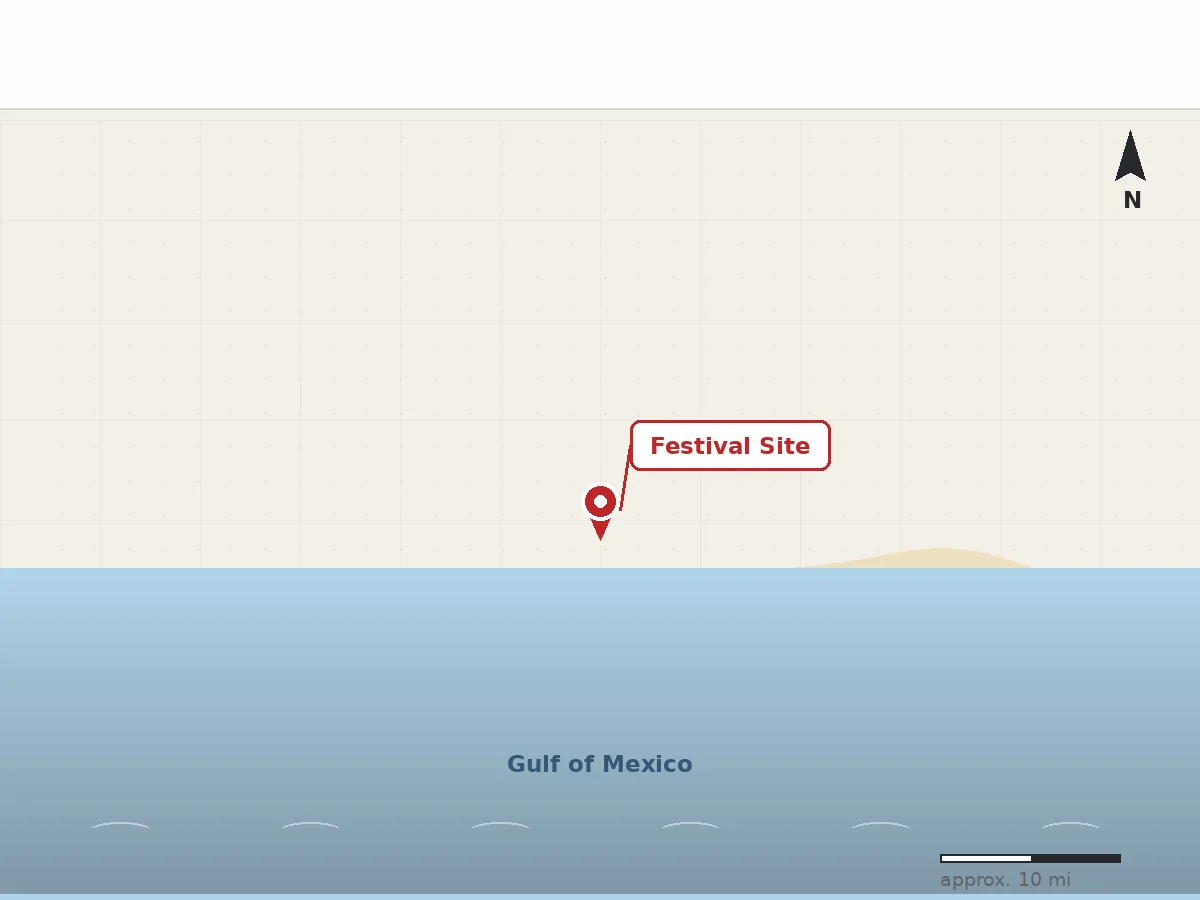
Where Maryland Renaissance Sits in Anne Arundel County
The festival grounds lie within Anne Arundel County, a short drive from Annapolis and easily reached from the wider Baltimore and Washington corridor.
Answers for First-Timers at Maryland Renaissance
Is one day enough for a first visit?
Yes. A single full day covers the main stages, a joust, a meal, and a slow pass through the artisan stalls. Two days suit people who want to see every scheduled act or who are traveling with a group that splits up. For a first-timer, one well-paced day is the better introduction.
Do I need cash at the festival?
Cards are widely accepted, but a small amount of cash is useful for tips, quick purchases, and any vendor who prefers it. Keep it in a secure pocket rather than a loose bag, since you will be moving through crowds and juggling food for much of the day.
Can I bring children and strollers?
Absolutely, and families are a large part of the audience. Strollers work on the main lanes but can be a nuisance on the narrower wooded paths. If you have a choice, a carrier beats a stroller for younger children, and a mid-afternoon break prevents the meltdown that ends too many festival days early.
Looking Ahead for Maryland Renaissance in Anne Arundel County
The festival’s future looks steady rather than dramatic. Its permanent village gives it room to grow gradually, and its autumn placement keeps it clear of the summer event crush. Expect continued demand from the Baltimore and Washington corridor, which means earlier ticket buying and busier peak weekends rather than any radical change to the experience.
For first-timers, that is good news. The festival is established enough to run smoothly and young enough in spirit to still feel like a discovery. Go once, and you will likely be back next season with a better hat and a shorter list of things you meant to see.
Last updated: October 2026
If you only take one thing from this guide, take the timing advice: arrive early, walk first, eat before you are hungry, and let the day unfold at the pace the village sets. Maryland Renaissance rewards curiosity more than planning, and Anne Arundel County in autumn is the right place to test that theory.