Wayne County Iowa Wayne County Fair Festival

There is a moment that returning visitors to the Wayne County Fair know by heart. You park on mown grass, walk past the first row of pickup trucks, and the fairgrounds announce themselves before you see them: fryer oil, sawdust, livestock bedding, and the low hum of a crowd that has been doing this for generations. Wayne County counted 6,497 residents in the 2020 census, and that scale is exactly what makes its fair feel personal rather than anonymous.
This is an insider’s view, written for people who already have a favorite gate, a favorite food stand, and a favorite bench. It is also for anyone who has driven past the fairgrounds in summer and wondered whether a county fair this size is worth an afternoon. It is, but the fair rewards a little planning and the right expectations.
Wayne County spreads across 527.119 square miles of southern Iowa, close to the Missouri line, with Corydon as its county seat. The fair is the one stretch of the year when that whole geography, farm families and town families and alumni and grandchildren, compresses into a few acres of barns, grandstand, and midway.
Wayne County Fair Basics for First-Timers and Repeat Visitors
| Town or area | The Wayne County area, southern Iowa |
| County | Wayne County, Iowa |
| County seat | Corydon |
| Population | 6,497 (2020 census) |
| Land area | 527.119 square miles |
| Region | Southern Iowa, near the Missouri state line |
| Typical timing | Summer, usually a run of days in July or early August |
| Admission | Generally free to enter the grounds in most years; rides, food, and grandstand events charge separately |
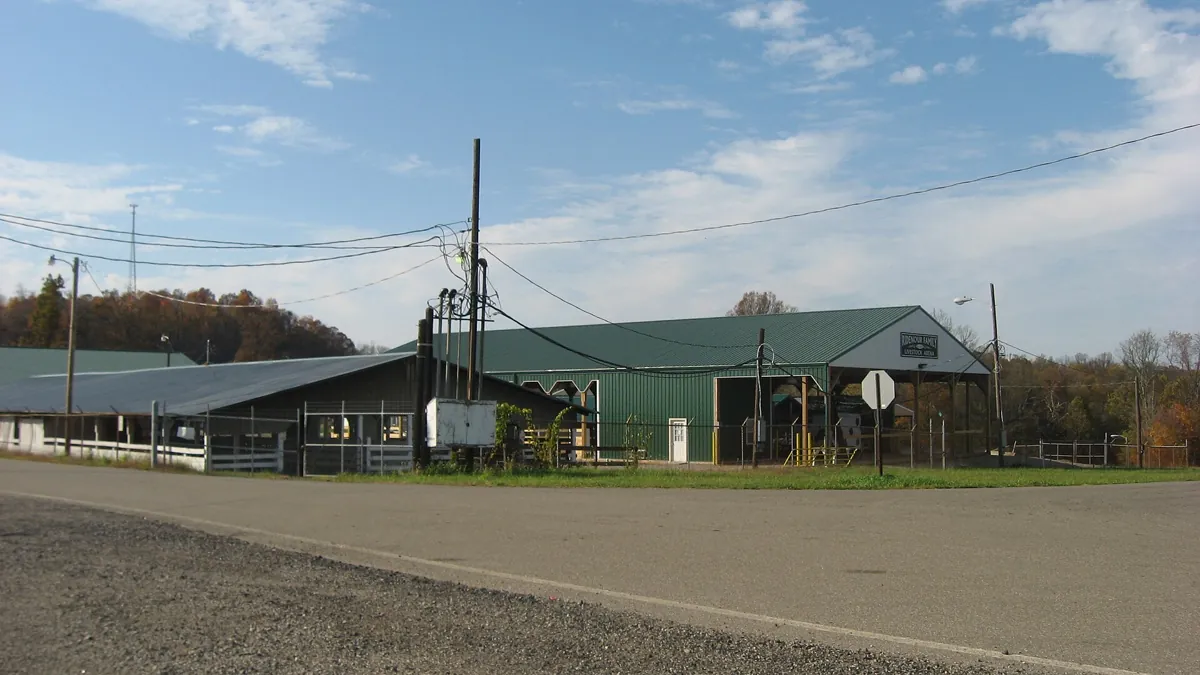
| Setting | A traditional county fairgrounds with barns, exhibit halls, a grandstand, and outdoor midway space |
| Features | Livestock shows, 4-H and FFA exhibits, open-class entries, fair food, grandstand entertainment, carnival rides |
| Organizer | A volunteer fair board with local 4-H and FFA involvement |
What the Wayne County Fair Actually Is
Strip away the signage and the Wayne County Fair is the oldest kind of American civic event: an agricultural showcase that doubles as a reunion. Exhibitors bring livestock, garden produce, baked goods, photography, and handwork to be judged. Kids who have spent months halter-breaking a calf stand in the ring while neighbors watch from folding chairs. Vendors sell tenderloins and lemonade, and the grandstand fills after dark.
What sets it apart from a bigger fair is the accountability. In a county of 6,497 people, the person judging your pie likely knows your grandmother, and the kid showing the reserve champion hog is probably in your nephew’s class. You do not come to the Wayne County Fair for spectacle on a national scale. You come because the fair is where the county can see itself all at once.
For another look at how a community turns its own traditions into a gathering, see the Washington County Kansas Washington County Fair Festival for a useful comparison.
How the Fair Grew Alongside Corydon and Wayne County Farms
Iowa’s county fair tradition grew out of nineteenth-century agricultural societies, which organized exhibitions to spread better farming practices and reward quality livestock, grain, and household goods. Wayne County’s fair follows that lineage. The county seat at Corydon became the natural gathering point, and the fairgrounds developed the way most Iowa fairgrounds did: a few frame buildings first, then permanent barns, an exhibit hall, and a grandstand as the event proved it could draw a crowd.
Through the twentieth century, the fair changed as farming changed. Draft horses gave way to tractors, small mixed farms gave way to larger operations, and 4-H and FFA programs became the heart of the youth exhibits. The fair adapted each time, adding the categories that matched what people were actually doing on the land.
The last several decades have tested rural Iowa, and Wayne County has not been exempt. Population has thinned, schools have consolidated, and the number of farms has fallen. Yet the fair has survived because it does something no group chat can: it puts the entire county in the same place at the same time, once a year, with something to look at and someone to talk to.
Inside a Day at the Wayne County Fairgrounds
If you have not been back in a few years, expect a familiar shape rather than a surprise. The fair still runs on a summer schedule, in most years a run of days in July or early August, and the rhythm is set by livestock shows in the morning, judging and exhibits through the afternoon, and grandstand entertainment in the evening.
Fair Food That Tastes Like a Wayne County Summer
Fair food here is unpretentious and reliable: pork burgers and tenderloins, corn dogs, funnel cakes, hand-dipped ice cream, pie by the slice, and the lemonade stands that seem to have a permanent claim on the corner. Church groups and local organizations often run their own booths, which means the money tends to stay close to home. Eat early in the evening if you want to beat the lines, since the busiest stretch usually arrives right after the livestock shows let out.
Grandstand Nights and Local Talent
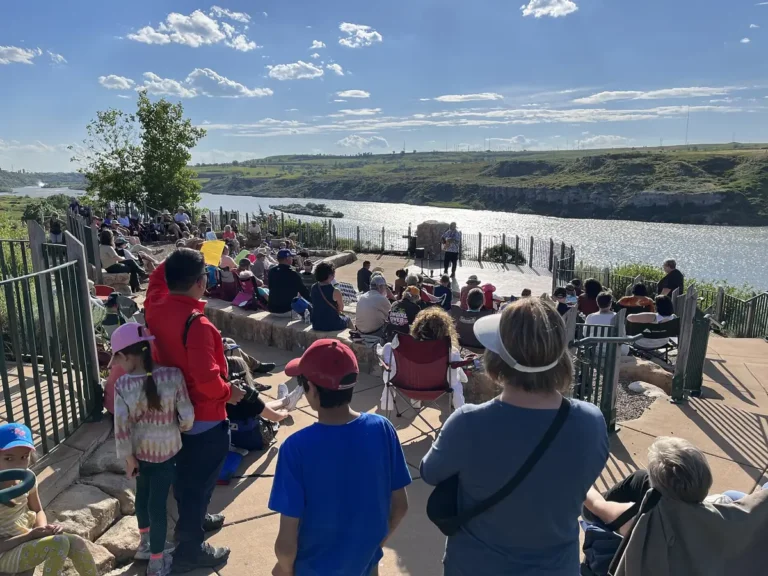
Evenings belong to the grandstand. In most years you can expect a mix of entertainment across the fair’s run, from live music by regional bands to contests and the kind of grandstand events that small fairs do well. Seating is usually simple and first-come, so arriving a little before start time is worthwhile. Bring a blanket or a stadium cushion, because aluminum bleachers are unforgiving after a long day on your feet.
Family Activities for Every Generation
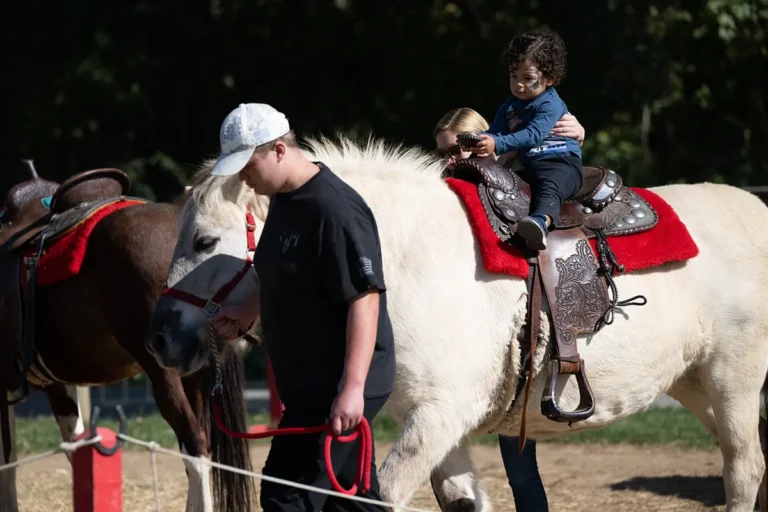
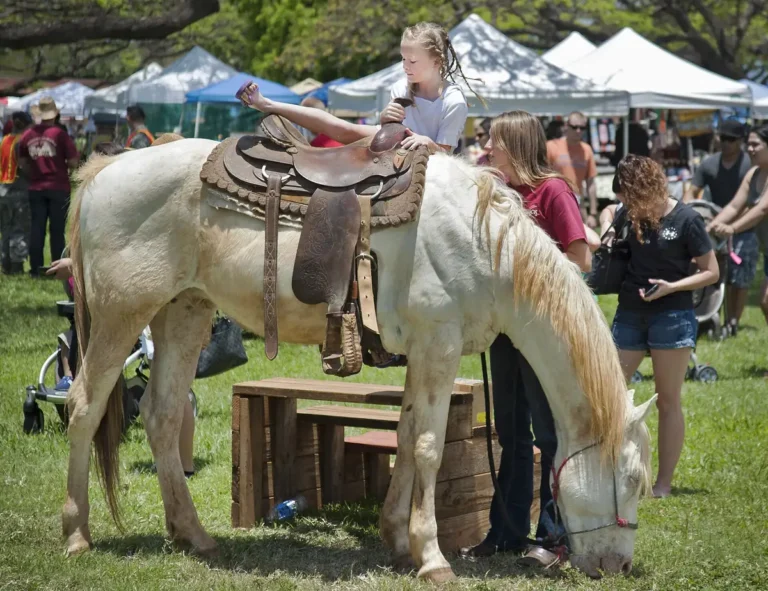
Families tend to split up and reunite. Kids head for the carnival rides and games, the animal barns, and whatever youth contests the fair has scheduled. Grandparents claim a spot in the shade near the exhibit hall and hold court. Teenagers circulate. Strollers handle the grounds reasonably well, though grass lots and gravel paths can be rough after rain, so closed-toe shoes beat sandals for everyone.
A Sample Weekend at the Wayne County Fair
Every family builds its own version, but here is a weekend shape that works whether you live ten minutes away or are driving in from another county.
Friday evening: arrive in the late afternoon, walk the barns while exhibitors are still grooming animals, and eat dinner from a stand before the crowd thickens. Spend the last hour at the grandstand, then take a slow loop past the exhibits you missed.
Saturday: the fullest day of the run. Come in the morning for livestock judging and youth exhibits, take a break during the hottest part of the afternoon, and return for the evening program. Saturday is also when you catch up with people you see once a year, so leave room in the schedule for standing around and talking.
Sunday: quieter, and often the best day for actually looking at things. The exhibit halls are less crowded, the vendors are relaxed, and the pace slows enough that you can read the judges’ comments on the entries. It is a good day for a first visit if crowds wear you out.
Planning a Wayne County Fair Trip From Out of Town
Wayne County is rural, and that shapes every part of the logistics. Distances between towns are short in miles but long in services, so a little forethought saves a lot of circling.
Getting to the Wayne County Fairgrounds
Most visitors arrive by car, and the county’s road network funnels traffic toward Corydon and the surrounding communities. If you are coming from outside the county, plan a stop for fuel and groceries before you get close, because options thin out fast in this part of southern Iowa. Allow extra time in the late afternoon, when local traffic and fair traffic overlap.
Where to Stay Around Corydon and Wayne County
Lodging in a county this size is modest, so book early if you are staying overnight. Many returning visitors solve the problem the same way every year: staying with family, renting a cabin or guest house in the area, or basing themselves in a larger town within driving distance and treating the fair as a day trip.
Parking Without the Guesswork
Fairground parking is typically informal: grass lots, volunteer directions, and a short walk to the gate. Arrive early for grandstand nights, when the closest spots fill first. If the ground has been wet, park where you are directed rather than where you would prefer. Southern Iowa soil turns soft quickly, and nobody wants to be the truck that needs a pull.
Admission, Ride Costs, and Cash
In most years, general admission to the fairgrounds is free, with individual costs for carnival rides, food, and grandstand events. That structure matters when you budget, because a family can spend an inexpensive afternoon at the barns and exhibits and a much larger evening on the midway. Carry some cash even though vendors increasingly take cards, since small stands and youth booths often prefer it.
Southern Iowa Weather and What to Wear
Summer here means hot, humid afternoons, a real possibility of a thunderstorm, and evenings that cool off more than you expect. Dress in layers, bring a hat and sunscreen, and keep a rain jacket in the car. Comfortable shoes matter more than anything else, because a fair day is a walking day. If storms move in, schedules are typically adjusted, so check locally before committing to a long drive.
How the Wayne County Fair Stacks Up Against Neighboring Fairs
Wayne County sits in a cluster of small southern Iowa counties, each with its own fair, and returning visitors often compare notes. The fair in Centerville, in neighboring Appanoose County, follows a similar agricultural template, as do the fairs in Leon in Decatur County and Chariton in Lucas County. Schedules overlap in midsummer, which means you can realistically visit two or three in a single season.
The difference is scale and feel rather than content. Wayne County’s fair is smaller and more tightly knit than fairs in counties with a larger population base, and it leans harder on livestock and 4-H exhibits than on headline entertainment. If you want a bigger midway and a longer list of grandstand acts, look to the larger regional fairs. If you want to recognize half the people in the grandstand, this is the one.
A Wayne County Fair Checklist Worth Taping to the Fridge
| Cash | Small stands and youth booths often prefer it. |
| Comfortable shoes | Grass, gravel, and barn aisles add up fast. |
| Layers and a rain jacket | Hot afternoons, cool evenings, sudden storms. |
| Sunscreen and a hat | Shade around the midway is limited. |
| Water bottle | Refill options vary across the grounds. |
| Folding chairs or a blanket | Useful for the grandstand and the lawn. |
| A set meeting spot | Crowds and spotty signal make plans useful. |
| A tote bag | For exhibit purchases, produce, and giveaway items. |
Beyond the Fairgrounds in Wayne County and Corydon
The fair is the reason for the trip, but Wayne County rewards a slow drive. Corydon, the county seat, has the courthouse square and small-town main street that Iowa does well, and it makes a natural base for the day. The county’s 527.119 square miles are mostly farmland and timber, with gravel roads leading past pastures, ponds, and old barns.
Add a loop through the countryside and a stop at a local cafe, and the fair becomes a full weekend rather than an evening. If you are traveling with kids, the drive itself, with its tractors, cattle, and small-town parks, is often the part they remember.
What the Wayne County Fair Means to 6,497 People
In a county with 6,497 residents, in the 2020 census count, institutions survive on volunteer labor and habit. The fair is both. It is run by people who take vacation days to staff gates, judge contests, and clean barns, and it continues because enough families decide each year that it is worth showing up for.
The fair also does quiet work that is easy to overlook. It gives 4-H and FFA members a public stage for months of effort, keeps agricultural knowledge moving between generations, and provides a rare neutral ground where a whole county can meet without an agenda. For a place this size, that is not nostalgia. It is infrastructure.
Where the Wayne County Fairgrounds Sit in Iowa
The fair takes place on the Wayne County fairgrounds in southern Iowa, with Corydon, the county seat, serving as the main reference point for visitors coming from elsewhere in the county or from across the state line.
Wayne County Fair Questions Repeat Visitors Ask
Is the Wayne County Fair free to attend?
In most years, general admission to the fairgrounds is free. Carnival rides, food, and grandstand entertainment typically carry their own charges, so a visit can be as inexpensive or as costly as you make it. Bring some cash for smaller vendors and youth organization stands.
When is the best time to arrive?
For a relaxed visit, late afternoon is ideal: the barns are active, the exhibits are open, and you can eat before the evening rush. For grandstand events, arrive well before start time to claim both a seat and a parking spot. Weekday evenings and Sundays tend to be calmer than Saturday.
Is the fair suitable for young children and older visitors?
Yes, with a little planning. The grounds are walkable, and the animal barns and exhibit halls appeal across generations. Expect some uneven grass and gravel, plan a shaded break during the hottest part of the afternoon, and bring a stroller or wheelchair if you need one. Restrooms and seating are generally available around the main buildings.
Do I need to buy tickets in advance?
For general grounds admission, usually not. Some grandstand events may sell tickets ahead of time or at the gate, and those are worth checking on before a long drive. If you are coming specifically for a particular evening show, confirm the details locally in the days beforehand.
The Next Chapter for the Wayne County Fair
County fairs in small Iowa counties face the same pressures as the communities around them: an aging volunteer base, fewer farm families, tighter budgets, and competition from screens and travel. The Wayne County Fair is not immune, but it starts from a strong position, with fairgrounds that already exist, a 4-H and FFA pipeline that keeps young exhibitors involved, and a county where people still measure the year by the fair.
The likeliest future is continuity with adjustments: more emphasis on youth programs and community events, more flexibility in scheduling, and continued reliance on the volunteers who make a summer week happen. For returning visitors, that means the fair will probably look familiar for a long time, and that is the point.
Last updated: October 2026
If it has been a few years, go back. Walk the barns, buy something from a stand you remember, and take a seat in the grandstand before the lights come on. The Wayne County Fair has been keeping a place for you in southern Iowa, and it is still worth the drive.

One Comment