Washington County Kansas Washington County Fair Festival
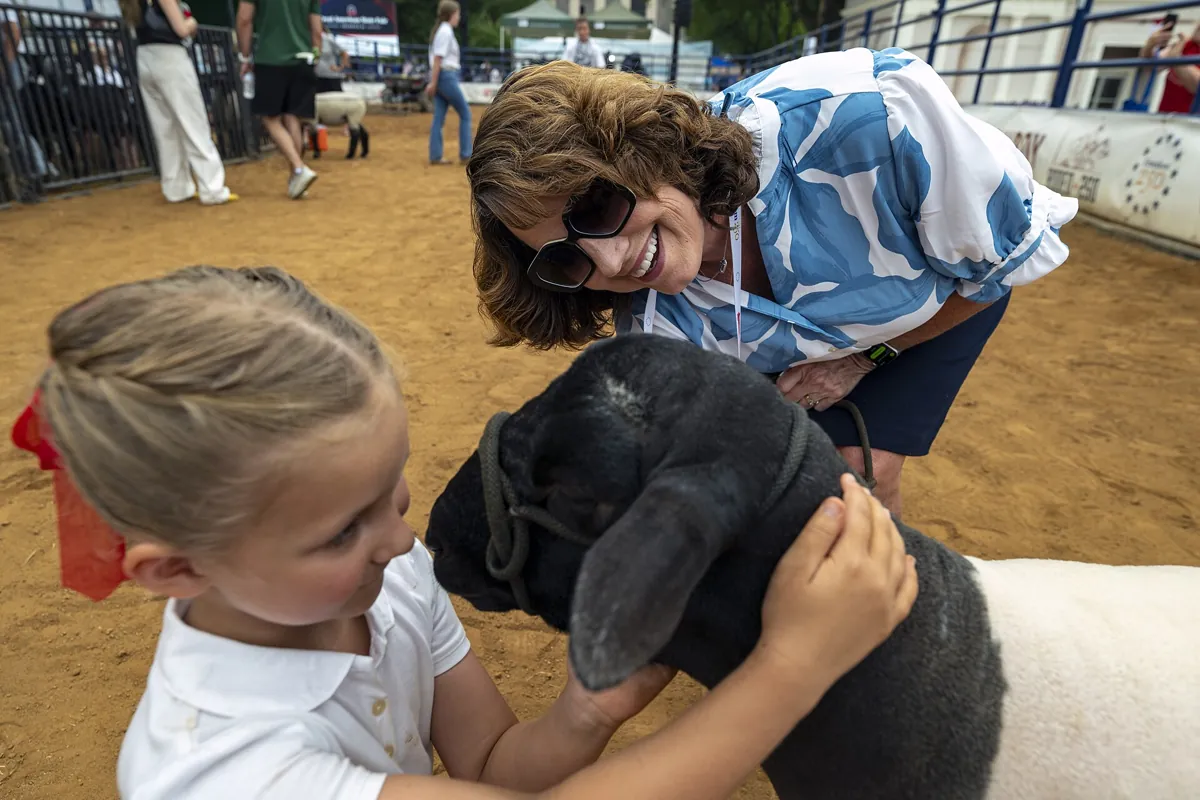
Washington County covers 899 square miles of north-central Kansas, and its 5,530 residents are scattered across farmland, small communities, and rural routes that rarely all point the same direction. For one stretch of summer each year, they do. The Washington County Fair pulls the county toward its seat at Washington for a few days of livestock shows, exhibit halls, carnival lights, and grandstand nights.
This guide is written for the first-time visitor — someone driving in from another county or another state who wants to know how the fair actually feels, how to plan around Kansas weather, and where the event fits in a place founded on February 20, 1857 and named for George Washington. No filler, just what to expect and how to prepare.
A Washington County Fair Snapshot for Visitors
The short version, before the details.
| Town / area | Washington County area, Kansas |
| County | Washington County, Kansas |
| County seat | Washington |
| Population | 5,530 (2020 census) |
| Region | North-central Kansas |
| Typical timing | A summer weekend, usually late July or early August |
| Admission | Typically free; some grandstand events may charge |
| Setting | Rural fairgrounds with barns, exhibit halls, and a grandstand |
| Features | Livestock shows, 4-H exhibits, carnival rides, fair food, grandstand events |
| Organizer | Volunteer fair board with local 4-H clubs and community groups |
What the Washington County Fair Actually Is
This is a traditional Kansas county fair, built around an agricultural calendar rather than a big commercial entertainment budget. Expect barns full of cattle, swine, sheep, and goats; poultry and rabbit cages; a hall lined with 4-H projects, canned goods, quilts, photography, and flowers; and open-class entries from adults who have been entering the same categories for decades.
Because the county is rural and its population modest, the fair keeps a neighborly scale. You will not fight state-fair crowds, and you will not pay big-city prices at the gate. What you get is an evening that moves at the pace of a small town: kids darting between the exhibit hall and the ride line, grandparents claiming seats near the arena early, and a grandstand that fills as the sun drops.
For another look at how a community turns its own traditions into a gathering, see the Washington County Iowa Washington County Fair Festival for a useful comparison.
The grounds follow the classic arrangement — barns and a show ring, an exhibit building, concession trailers, a midway area, and a grandstand. Most activity clusters in a walkable few acres, which makes the fair manageable with a stroller, a wagon, or a slower-paced companion.
From 1857 Prairie County to Modern Fair Weekend
Washington County was founded on February 20, 1857 and named for George Washington, with its seat established at the town of Washington. Settlement, rail, and grain farming shaped the county through the late nineteenth century, and like most Kansas counties, it built its community calendar around agriculture — harvest, church suppers, school programs, and the annual fair.
County fairs became a Kansas fixture in that era, driven by agricultural societies that wanted farmers comparing crops, livestock, and methods, and by families who wanted one weekend where the whole county gathered. The Washington County Fair carries that inheritance forward: judging cards, premium lists, the 4-H pledge, and the proud walk of a kid leading a calf into the ring all descend from those early exhibitions.
What changed is the surrounding economy and the size of the audience. A county of 5,530 people cannot fill a grandstand the way a metro county can, so the fair leans on volunteer labor, local sponsors, and the 4-H and FFA programs that keep young people involved. What has not changed is the purpose: to show what the county grows, builds, cooks, and raises — in public.
What Happens on the Washington County Fairgrounds
The schedule generally runs across a summer weekend in late July or early August, with evenings busiest and weekend afternoons close behind.
Fair Food and Fundraiser Concession Stands
Food is the standard, satisfying fair lineup: burgers and brats off a grill, funnel cakes, corn dogs, nachos, cotton candy, snow cones, and lemonade shaken while you wait. Local groups often run stands as fundraisers, so the money you spend on a pulled-pork sandwich tends to stay in the county. Bring cash for the smaller stands; card readers are more common than they used to be, but not universal. Lines move fastest in the early evening before the grandstand event starts.
Music, Grandstand Events, and Evening Entertainment
Evenings are when the grounds come alive. Grandstand programming in a county this size typically mixes local and regional entertainment — a band one night, a demolition derby or tractor pull another, sometimes a rodeo. Seating fills early for the most popular nights, so claim a spot before the show rather than during it. Between events, the midway and concession row carry the atmosphere, with music drifting across the grounds and the announcer echoing off the barns.
Family Activities, Livestock Shows, and 4-H Exhibits
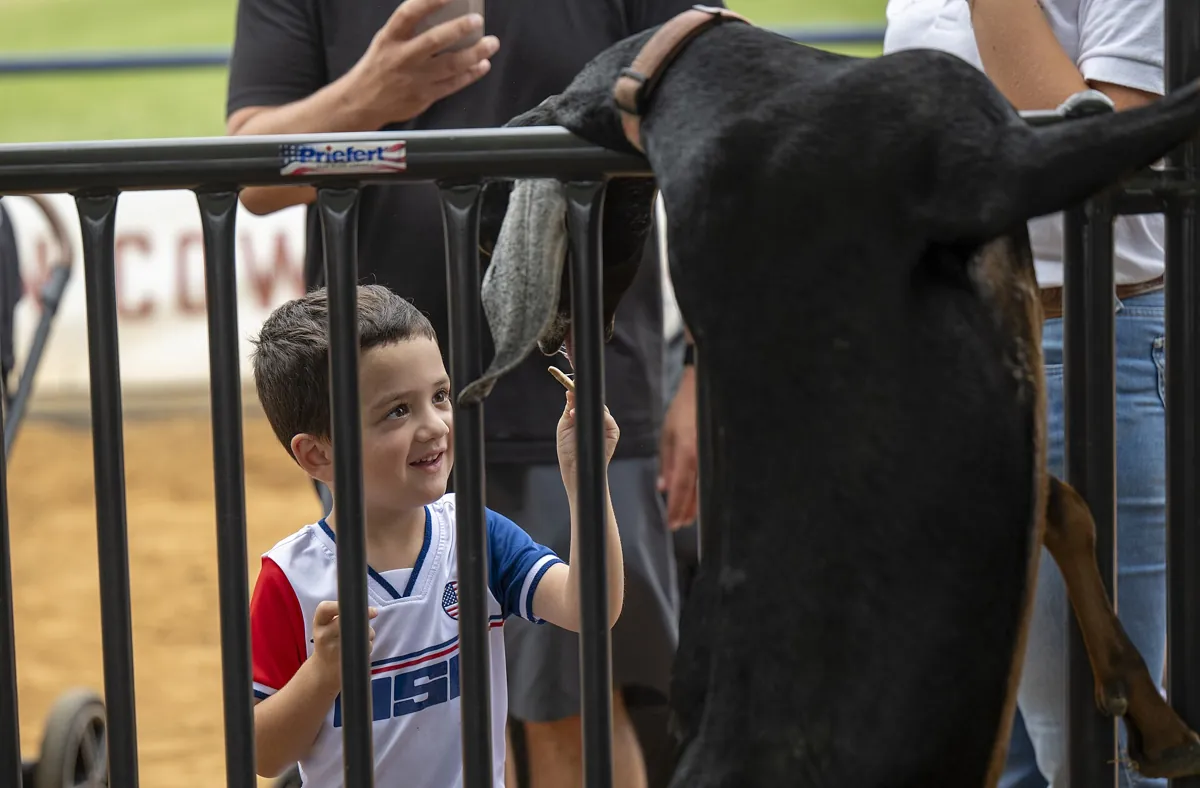
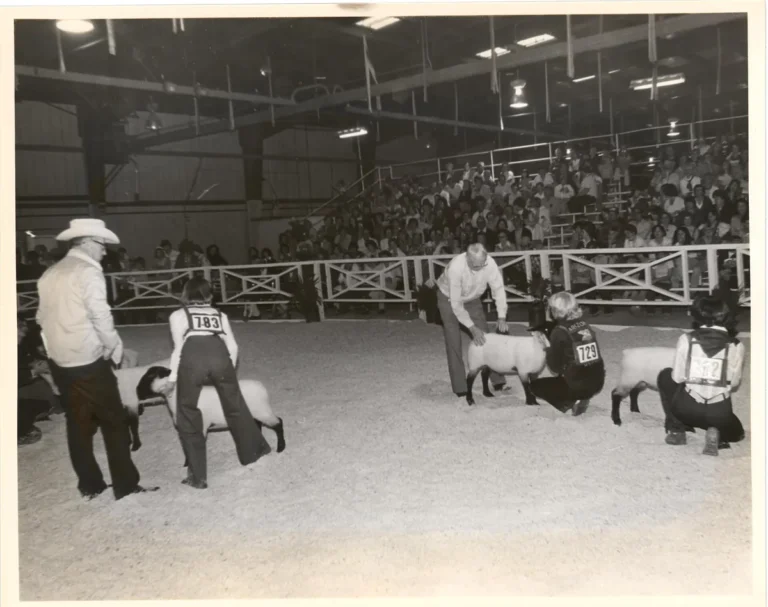
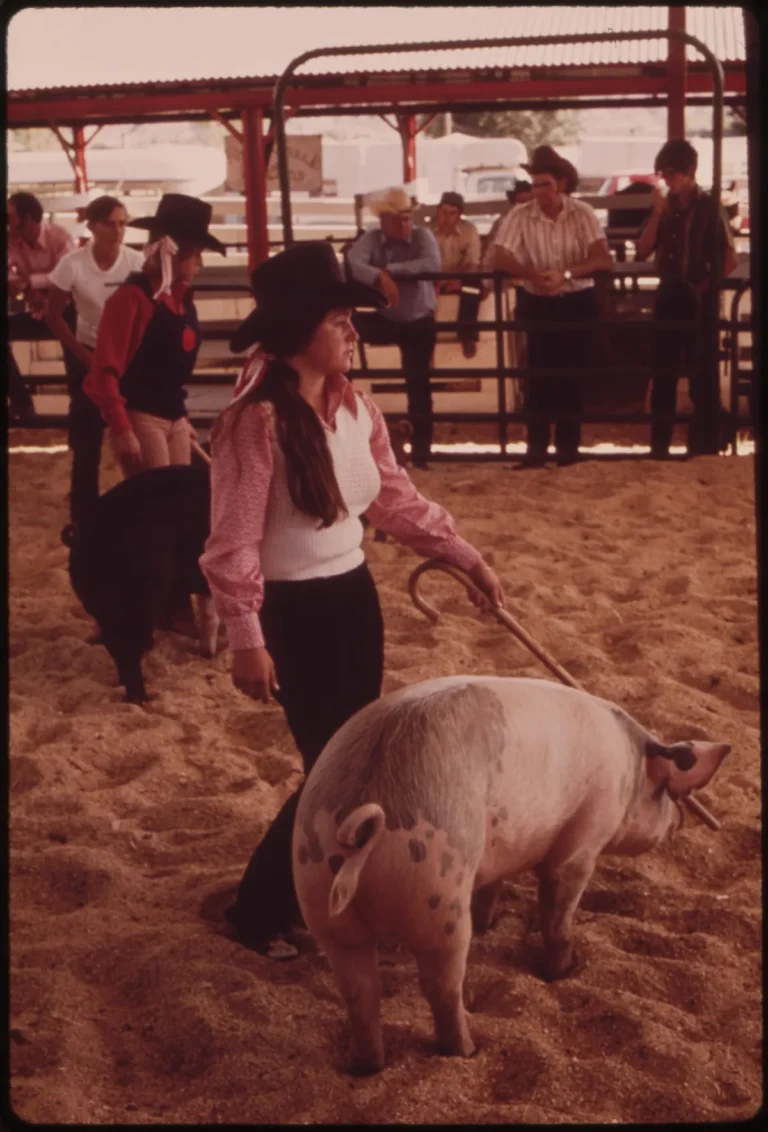
Families get the most from the fair by arriving late afternoon and staying through dusk. Livestock shows run in the barns and show ring throughout the day — beef, dairy, swine, sheep, goats, poultry, and rabbits — and spectators are welcome at the rails. The exhibit hall is the quiet center of the fair, full of 4-H projects and open-class entries with ribbons marking the judges’ picks. Carnival rides and games anchor the midway, and younger children usually find the petting areas and the ride line more than enough.
Planning a Trip to Washington, Kansas
Driving In on Kansas Highways
Washington sits in north-central Kansas, and the county’s road network is the familiar grid of paved highways and gravel section roads. Most visitors arrive by car, often from neighboring counties or across the state line. Give yourself extra time at dusk, when deer move and gravel gets dusty, and check your route before leaving — phone signal can be spotty across open farmland.
Where to Sleep Near Washington County
Lodging in and around Washington is limited, and fair weekend is one of the busiest times of year for local rooms. Options in the county seat and nearby communities tend to be small — a motel or two, guest rentals, and campgrounds — so book early if you plan to stay overnight. Many families make it a day trip from a larger town within an hour or so, or stay with relatives, which is arguably the most traditional approach of all.
Parking at the Fairgrounds
Fairground parking is usually a mix of paved lots and grass fields, managed by volunteers and often free or by donation. Arrive before the evening grandstand event if you want a short walk, and expect to park on grass after rain. Follow the people waving you in rather than improvising your own spot — they know which ground drains and which does not.
Admission and What Things Cost
Admission to a county fair this size is typically free or very inexpensive, with costs concentrated in carnival rides, food, and certain grandstand events. Budget for cash: ride tickets, raffle tickets, 4-H fundraiser stands, and concession trailers are where money changes hands. If you are traveling with children, set your ride budget before you reach the midway, because the midway always wins that argument.
Kansas Summer Weather and What to Wear
Late July and early August in north-central Kansas mean heat, humidity, and a real chance of a thunderstorm rolling in fast. Wear light clothing, bring a hat, and carry water — the barns and tents offer shade, but the midway bakes in the afternoon sun. A light rain jacket beats an umbrella in wind, and closed-toe shoes are wise for anyone walking the livestock barns. Evenings cool off nicely, so pack a layer for after sunset.
A Sample Weekend at the Washington County Fair
Friday afternoon: Arrive mid-afternoon, park, and walk the exhibit hall first while it is still calm. Check the ribbon displays, then head to the barns to watch the livestock shows and talk with exhibitors, who are usually happy to explain what they are showing.
Friday evening: Eat along concession row, then claim grandstand seats early for the night’s event. Finish with a walk through the midway as the lights come on.
Saturday morning: Return for livestock judging and 4-H project displays, which are at their best before the heat builds. This is also the best window for younger kids to ride without long lines.
Saturday evening: The busiest stretch of the fair. Expect full parking, full grandstands, and excellent people-watching. Eat early or late to dodge the longest lines.
Sunday: A slower, family-oriented day, often with final shows, awards, and a last chance to buy from fundraiser stands. Many visitors revisit the exhibit hall and congratulate ribbon winners before heading home.
How the Washington County Fair Compares to Nearby Towns
Visitors who enjoy this fair often build a small circuit of similar events across north-central Kansas. The Republic County Fair in Belleville, roughly a county to the west, follows a comparable small-county model: livestock, 4-H exhibits, a midway, and grandstand nights. Clay Center, seat of Clay County, hosts a county fair with a similar agricultural focus and a slightly larger population base to draw from. Concordia, in Cloud County, anchors another nearby county seat with its own fair-week traditions.
Compared with those, the Washington County Fair feels the most intimate — a fair where exhibitors and audience are often the same people. Want scale? Drive to a larger regional fair. Want to see a county of 5,530 people do what it does best? Stay in Washington.
What to Load in the Car Before Fair Weekend
| Cash in small bills | Many concession and fundraiser stands still prefer it |
| Folding chairs or a blanket | Grandstand and grass seating fill early |
| Water bottles and sunscreen | The midway sun is unforgiving in late summer |
| Closed-toe shoes | Barn aisles, gravel, and mud are hard on sandals |
| Light rain jacket | Kansas storms arrive quickly and leave the same way |
| A layer for after sunset | Evenings cool off fast once the sun drops |
| Charged phone or camera | Ribbon winners and grandstand moments are worth keeping |
| An early arrival plan | Parking is easiest before the grandstand event begins |
Beyond the Fairgrounds in Washington County
Fair weekend is a good excuse to see more of a county that spans 899 square miles. The county seat of Washington is the natural starting point — a small courthouse town with the kind of quiet main street that rewards a slow walk and a stop for coffee. Drive a few miles in any direction and the county opens into farmland and big skies, with grain elevators marking the small communities that dot the grid.
Because the county is named for George Washington and was founded on February 20, 1857, that name and that early date show up across the map and in local institutions. Many visitors pair the fair with a slow drive through the surrounding countryside, taking in the scale of the agricultural landscape the fair exists to celebrate.
What the Fair Means to Washington County’s 5,530 Residents
In a county with 5,530 residents spread across 899 square miles, distance is the everyday reality. Neighbors may live twenty minutes apart and see each other only a few times a year. The fair compresses that distance into a single weekend: it is where the 4-H kid from one township meets the retired farmer from another, where the volunteer fire department sells burgers beside the church group selling pie, and where the county’s schools, businesses, and families all appear in one place at one time.
It is also an educational and economic event, not just a social one. Livestock auctions, concession sales, and vendor booths move real money through small communities, and judging teaches young exhibitors how to take criticism, improve a project, and try again next year. That is quiet civic infrastructure, and county fairs like this one are among the last places it runs at full strength.
Where the Washington County Fair Sits in Kansas
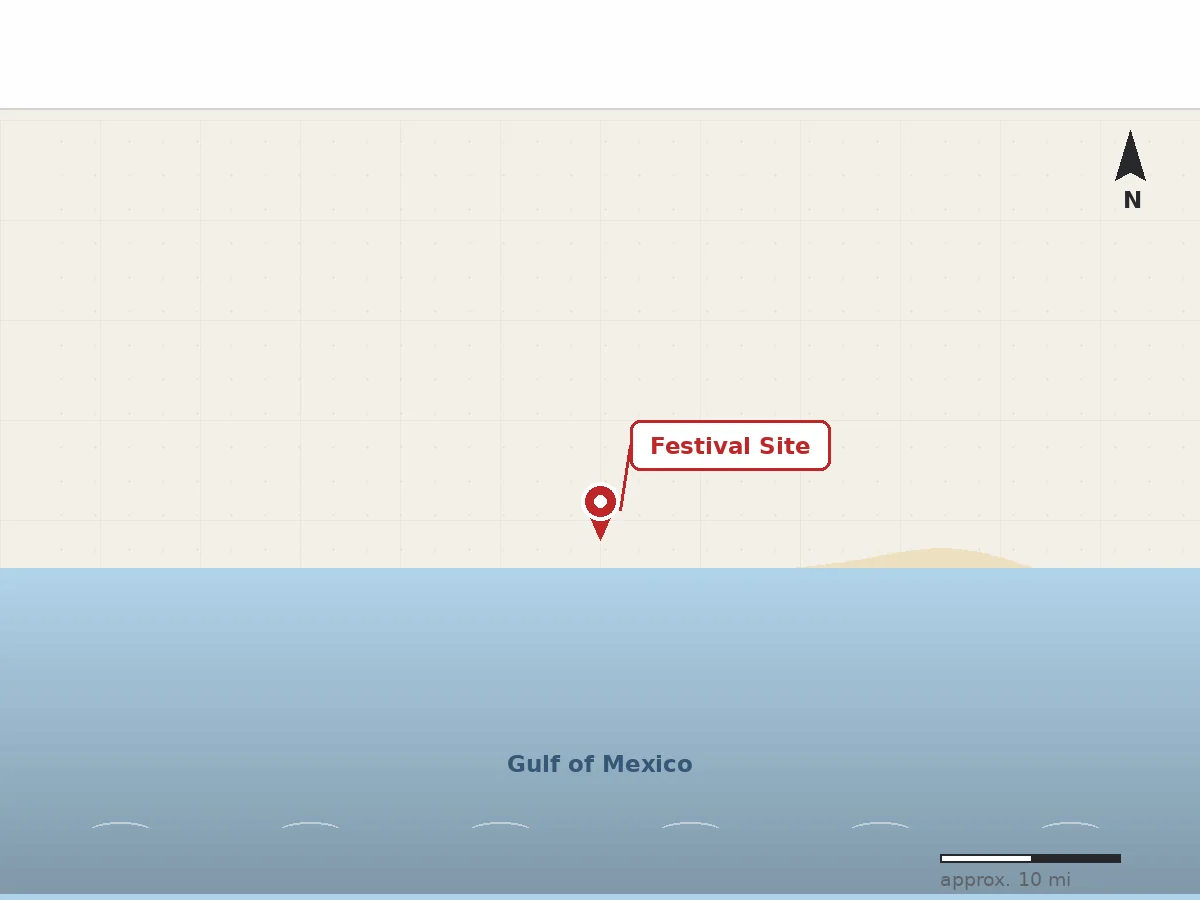
The Washington County Fair takes place in the Washington County area of north-central Kansas, centered on the county seat of Washington.
Washington County Fair Answers for First-Time Visitors
When is the Washington County Fair usually held?
Like most Kansas county fairs, it typically lands on a summer weekend in late July or early August, with events spread across several days and evenings. Exact dates shift from year to year, so confirm the current schedule through local sources before you travel.
Do visitors have to pay admission?
Admission to the grounds is typically free or minimal. The money most visitors spend goes to carnival rides, food, raffles, and specific grandstand events, so bring cash and decide your budget before you reach the midway.
Is the fair a good fit for young children and older visitors?
Yes. The grounds are compact and walkable, the livestock barns and exhibit hall are calm places to slow down, and the midway gives kids a contained area to enjoy. Older visitors often appreciate grandstand seating and the shade around the exhibit buildings.
What happens if it rains during fair week?
Summer storms in this part of Kansas can be brief and intense. Events may pause or shift when weather moves through, and grass parking can get soft, so watch the forecast, keep a rain jacket handy, and stay flexible about which night you attend.
The Next Chapter for the Washington County Fair
County fairs everywhere are working through the same questions: how to keep young families involved, how to fund grandstand entertainment without big sponsorship, and how to stay relevant when people have more entertainment options than ever. Washington County’s answer is likely to look like its history — volunteer-led, agriculture-centered, and built around the 4-H and FFA exhibitors who supply the next generation of participants.
Expect the fair to keep evolving in small ways: more local vendors, deeper community group involvement, and continued emphasis on the livestock shows and exhibit hall that set it apart from a generic carnival. For visitors, the essentials stay stable. It will still be a summer weekend in Washington County, still inexpensive to walk into, and still the best single place to understand what this corner of Kansas is made of.
Last updated: October 2026
If you have never been to a county fair in a place this rural, the Washington County Fair is a fine place to start. Come for an evening, stay for the grandstand, and leave knowing a little more about a county founded in 1857 that still measures its year by harvest, livestock, and one good weekend in summer.
One Comment