Washington County Iowa Washington County Fair Festival

The Washington County Fair is easy to underestimate from the road. A cluster of barns, trailers, and a parking field looks modest until you are standing in the middle of it, surrounded by the annual gathering of a 571-square-mile county. First-timers tend to arrive with one question — where do I start? — and leave with a list of things they missed. This orientation is meant to shorten that learning curve, whether you live in Washington County or are just passing through southeast Iowa.
Ten Details Worth Knowing Before Your First Washington County Fair
| Town or area | Washington County area, Iowa |
| County | Washington County |
| County seat | Washington |
| Population | 22,565 (2020 census) |
| Region | Southeast Iowa |
| Typical timing | A summer weekend, most often in July |
| Admission | Typically free at the gate; individual activities priced separately |
| Setting | Fairgrounds with barns, exhibit halls, and open space |
| Signature features | Livestock shows, project exhibits, food stands, evening entertainment |
| Organizer | Volunteer fair board and community groups |
The Fair’s Place in Washington County, Iowa
Washington County covers 571 square miles of southeast Iowa, a working landscape of corn and soybean fields, small towns, and wooded river breaks, with Washington serving as the county seat. The 2020 census counted 22,565 people here. The county was established on January 18, 1838, during Iowa’s territorial years, which makes the fair itself a comparatively young chapter in a long local story.
The fair is the one event that pulls that entire geography into a single place. Farm families come in from the townships, students bring projects they have worked on all year, and residents of Washington and the surrounding communities run into people they have not seen since the previous summer. For a county of this size, the fair functions less like a carnival and more like a countywide reunion with livestock, exhibits, and food attached.

From an 1838 County to a Fair That Filled the Summer
Iowa’s county fairs grew out of nineteenth-century agricultural societies, whose members met to compare seed, stock, and technique. Washington County, organized in 1838, followed that broad pattern: township exhibit days and livestock shows gradually consolidated into one countywide fair with permanent grounds, barns, and exhibit buildings.
The purpose has barely changed. A fair judges crops, livestock, and the work of local students, gives vendors a market, and hands neighbors a reason to gather in the warmest weeks of the year. What changed is the packaging: twentieth-century fairs added grandstand entertainment and midway rides, and recent editions have adopted online entries and card readers at some stands.
For another look at how a community turns its own traditions into a gathering, see the Warren County Iowa Warren County Fair Festival for a useful comparison.
What has not changed is who runs it. County fairs in Iowa are volunteer enterprises, staffed by a fair board and an army of parents, 4-H leaders, and neighbors who spend their summer on the grounds. That is worth remembering when you are standing in line: the person taking your ticket is probably also the person who mucked out a barn that morning.
What a Fair Weekend Actually Looks Like in Washington County
Every fair has a rhythm, and once you learn it you can plan around the crowds. Mornings belong to exhibitors and judges, when barns are being cleaned and animals are being fitted. Late afternoon brings families, and evening is when the grounds fill up for entertainment and food.
Fair Food and the Stands Worth Queuing For
Food at an Iowa county fair is its own genre. Expect the classics — pork burgers and tenderloins, walking tacos, funnel cakes, lemonade shaken in a giant jug, and pie by the slice from community groups raising money for a cause. Church and civic booths often serve the most distinctive food, because the recipes come from local kitchens rather than a national vendor. Prices at a fair this size tend to be modest, but many smaller stands still prefer cash, so arrive with some in your pocket. If you have dietary restrictions, eat before you go and treat the fair as a snack stop rather than a full meal plan.
Music, Grandstand Evenings, and Live Entertainment
Evening is when the fair turns into a social event. Grandstand programming typically includes live music, contests, and crowd-pleasing events, with local and regional acts filling out the schedule. Seating is generally first-come, so arriving early is the difference between a seat and a spot against the fence. Smaller stages and wandering performers keep the midway lively between headline moments, and much of the best entertainment is simply watching: the livestock auction, the pie judging, the kids chasing each other between barns.
Family Activities and Things to Do With Kids
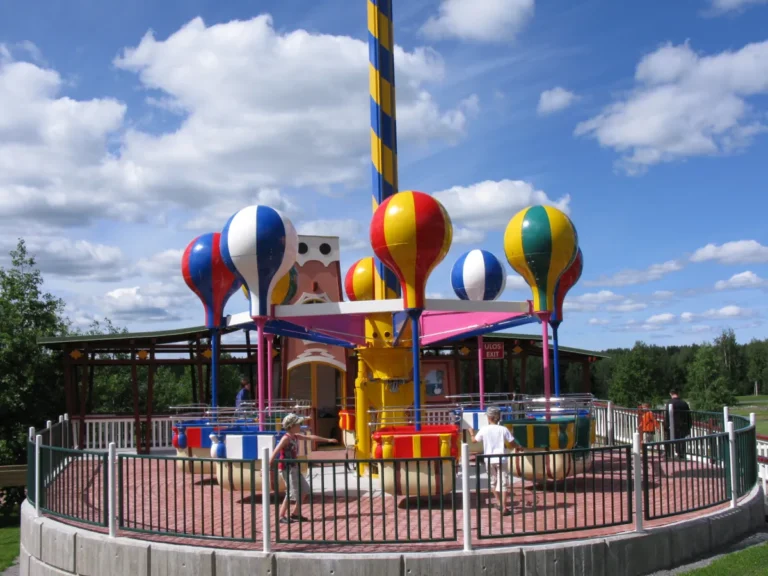
For families, the fair works because it is walkable and unhurried. Children can meet animals in the barns, watch sheep shearing, try a craft or game in an exhibit hall, and ride the midway rides if the carnival is set up that year. Many fairs add a kids’ pedal tractor pull, face painting, or a petting area. Bring a stroller only if the ground is dry, since gravel and mud are both possibilities. The best strategy with young children is to arrive mid-morning, leave for a nap, and come back for the evening when the lights are on and the food stands are in full swing.
Planning a First Visit to Washington, Iowa
Getting to Washington County by Car
Washington County sits in southeast Iowa, and the practical way in is by car. The county seat of Washington is the natural anchor for a fair visit, and most travelers arrive from Iowa City to the north, Cedar Rapids farther up the corridor, or from the smaller towns scattered across the county. There is no practical rail or air option for the last stretch, so plan a road trip and give yourself a buffer for construction season, which in Iowa runs roughly from spring through late autumn.
Where to Stay Around Washington County
Lodging in a county this size is limited, which is the main planning constraint for out-of-town visitors. Options generally cluster around the Washington area, with more rooms available in the larger cities to the north and east. Book early if your visit lands on a fair weekend, and consider a slightly longer drive in exchange for a guaranteed bed. Camping and RV sites near the grounds may be available in some years, but availability is limited and usually tied to exhibitors and season pass holders.
Parking on and Near the Fairgrounds
Fairground parking is typically on grass or gravel and fills quickly after late afternoon. Arrive before the evening rush and you will walk a short distance; arrive at peak time and you may park on a nearby street and walk in. Follow the volunteers directing traffic rather than choosing your own spot, since one badly parked truck can close a lane for an hour. If rain has moved through, check that your vehicle can handle soft ground before you commit to a field.
Admission, Costs, and How to Pay
Gate admission at Iowa county fairs is often free, with revenue generated through food, entries, raffles, and individual attractions instead. Washington’s fair generally follows that model, but specific events, rides, or grandstand shows may carry their own charge, so confirm details for the year you are visiting. Bring cash in small bills: it moves faster at food stands and is still the only option at some booths. A card works at more places than it used to, but not everywhere.
July Heat, Storms, and Southeast Iowa Weather
If the fair falls in July, plan for heat and humidity as the baseline, with afternoon temperatures that make shade a destination. Mornings and evenings are far more comfortable. Summer storms in southeast Iowa can build quickly, and fairgrounds are exposed places, so keep an eye on the sky and know where the nearest permanent building is. Bring sunscreen, a refillable water bottle, and a light rain jacket that folds into a bag.
A Sample Saturday and Sunday at the Washington County Fair
Saturday morning. Arrive early, before the heat and the crowds. Walk the barns while exhibitors are still working, then head to the exhibit halls for static projects, baking, photography, and flowers. Grab coffee and a breakfast sandwich from a stand before the lines form.
Saturday afternoon. Watch a livestock show or a judging contest, which is more interesting than it sounds once you understand what the judge is looking for. Eat lunch from a civic booth, then let kids burn energy on games or rides. Retreat to shade or your car during the hottest stretch.
Saturday evening. Return for the grandstand program and the busiest hours on the grounds. Eat dinner from a different stand than lunch, walk the midway after dark when everything is lit, and stay for the last act. Leave either just before the finale or twenty minutes after it, never in the middle of the parking exodus.
Sunday. Sundays at county fairs are quieter and, for many locals, the best day. Come for a late breakfast, catch the final rounds of judging or an auction, and visit anything you skipped. It is also the easiest day to actually talk with exhibitors, who by then have time to answer questions about what they do.
How Washington’s Fair Compares With Nearby Fairs and Towns
Southeast Iowa has a dense circuit of county fairs, and knowing what you are choosing helps. The fair scene around Iowa City and Johnson County to the north tends to be larger and more heavily programmed, with bigger grandstand names and a more urban crowd. Washington’s version feels more agricultural and more local, which is precisely its appeal if you want to see how a farming county celebrates itself.
To the southeast, Mount Pleasant and Henry County host their own county fair tradition, along with a separate calendar of town festivals, so travelers in the region can easily build a summer around several weekends. And within Washington County itself, Kalona has a distinct identity built on Amish and Mennonite heritage, with bakeries, shops, and a slower pace that makes a natural second stop on a fair weekend. If you have only one day, choose Washington’s fair for the livestock and community feel; if you have two, pair it with a drive north to Kalona.
A First-Timer’s Checklist for the Washington County Fair
Check the fair’s schedule for your year before you drive out, since daily hours and grandstand programming shift.
Bring cash in small bills, plus a card as backup.
Wear closed-toe shoes you do not mind getting dusty or muddy.
Pack sunscreen, a hat, and a refillable water bottle.
Bring a light rain jacket for fast-moving summer storms.
Charge your phone, and consider a battery pack for a long day.
Leave pets at home unless they are service animals.
Plan your parking arrival before late afternoon if you want a short walk.
Set a meeting point with your group, because cell service gets crowded on busy evenings.
Beyond the Fairgrounds: The Rest of Washington County
A fair visit is a good excuse to see more of the county. Washington, the county seat, has a walkable downtown with the kind of historic commercial blocks that small Iowa towns either restored or lost, and it makes an easy breakfast stop before the grounds open. North of town, Kalona draws visitors year-round for its heritage community, bakeries, and shops.
The countryside itself is worth a slow drive: 571 square miles of rolling farmland, gravel roads, and small cemeteries and churches that mark where townships were settled. If you are coming from Iowa City, take a back road rather than the highway and you will understand the county before you ever park.
Why the Fair Still Anchors Washington County
For a county of 22,565 people spread across 571 square miles, shared experiences are scarce. School districts divide the map, towns compete for attention, and daily life happens at a distance. The fair is one of the few events that ignores those lines. It is where a farm kid from a rural township and a student from Washington stand in the same show ring, and where volunteers who disagree about plenty of things work the same food booth for four days.
It also carries practical weight. Fairs are where young people learn to present work, handle animals, and speak to adults they do not know. That skill set does not show up on a spreadsheet, but it is one of the reasons small counties keep investing volunteer hours in an event that, on paper, looks like it should have disappeared decades ago.
Where the Fairgrounds Sit Relative to Washington, Iowa
The Washington County Fairgrounds are located in the Washington County area near the county seat of Washington, in southeast Iowa.
Answering First-Timer Questions About the Washington County Fair
Is there an admission charge?
County fairs in Iowa often keep gate admission free and earn their money from food, entries, raffles, and individual attractions, and Washington’s fair generally follows that pattern. Even so, some events, rides, or grandstand shows may have their own charge. Confirm the current details before you go, and carry cash so a small fee never becomes a problem at the gate.
How long does the fair run?
Plan for a multi-day run built around a weekend, usually in July. That means several days of programming rather than a single afternoon, with livestock shows, judging, exhibits, and evening entertainment spread across the schedule. If you can only attend one day, Saturday is the busiest and Sunday is the most relaxed.
Is it a good event for young children?
Yes. The grounds are compact enough to walk, the animals are the main attraction for most kids, and there is usually a mix of games, rides, and hands-on activities. The main challenges are heat, noise in the evening, and tired legs. Go early in the day, bring water, and plan an exit before the late-night crowd peaks.
What should I wear and bring?
Closed-toe shoes are essential, because fairgrounds mean gravel, dust, and the occasional patch of something less pleasant. Dress for heat with light layers, add a hat and sunscreen, and pack a rain jacket for sudden storms. Bring cash, a water bottle, and a phone charger. Leave the dog at home unless it is a service animal.
What Future Washington County Fairs Might Look Like
The pressures on county fairs are well known: an aging volunteer base, rising insurance and entertainment costs, and families with less free time in midsummer. Washington County’s fair faces those same realities, and the response across rural Iowa has been a mix of consolidation, technology, and creativity — online entries, card payments, and partnerships with local businesses and schools.
What is likely to stay constant is the core: livestock, exhibits, food, and a summer evening when the whole county shows up. If you have never been, this is a good year to change that.
Last updated: October 2026
Go once, and the Washington County Fair stops being a date on a calendar and becomes a marker of the season — the week when the barns smell like hay and livestock, the food lines stretch past the exhibit hall, and everyone in a 571-square-mile county seems to be standing in the same place at the same time. Arrive early, stay for the lights, and leave with a plan to come back.