Riley County Kansas Riley County Fair Festival
There is a sound that tells me I’m back at the Riley County Fair before I see anything: fans humming in the livestock barn, a gate latch clanking, a carnival ride cycling somewhere past the exhibit hall. I have been coming for years, and the second visit is always better than the first. You stop trying to see everything and start noticing what does not change.
Riley County covers 622 square miles of the Flint Hills in northeast Kansas, with Manhattan as its county seat and 71,959 residents at the 2020 census. Fair week is one of the few times the county’s rural and city halves land in the same place at once.
What follows is an insider’s guide for someone who has already been once, or who is ready to make the fair a summer habit — what to see, what it costs, and how to plan around Kansas heat.
Riley County Fair Basics I Check Every Year
| Festival | Riley County Fair |
| County | Riley County, Kansas |
| County seat | Manhattan |
| Population | 71,959 (2020 census) |
| Region | Flint Hills, northeast Kansas |
| Typical timing | A summer weekend, in most years during late July |
| Admission | Typically free to enter; rides and some grandstand events are paid |
| Setting | Fairgrounds with barns, exhibit halls, a grandstand, and midway space in the Manhattan area |
| Signature features | 4-H and open-class exhibits, livestock shows, carnival rides, grandstand evenings |
| Organizer | A volunteer fair board working with local agricultural groups |
What the Riley County Fair Really Is
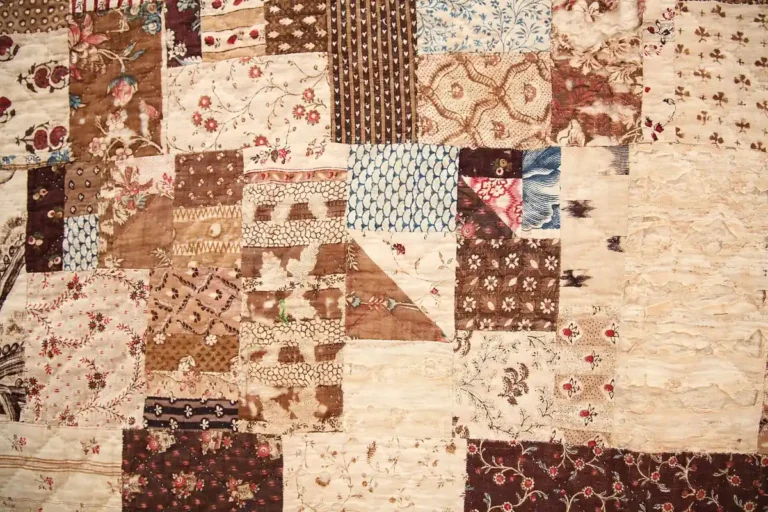
Strip away the carnival lights and the Riley County Fair is an agricultural showcase with a party built around it. The barns hold beef and dairy cattle, sheep, goats, swine, and poultry, most shown by 4-H members and FFA chapters from across the county. Exhibit halls fill with open-class entries too: breads, canned goods, quilts, photography, vegetables, and flowers, judged against a standard.
The grounds are compact enough to walk in an afternoon, which matters more than it sounds. At bigger fairs you spend the evening covering distance. Here you can move from a rabbit barn to a funnel cake stand to the grandstand in a few minutes.
For another look at how a community turns its own traditions into a gathering, see the Rice County Kansas 4-H Fair Festival for a useful comparison.
A Fair Shaped by Riley County’s Own Timeline
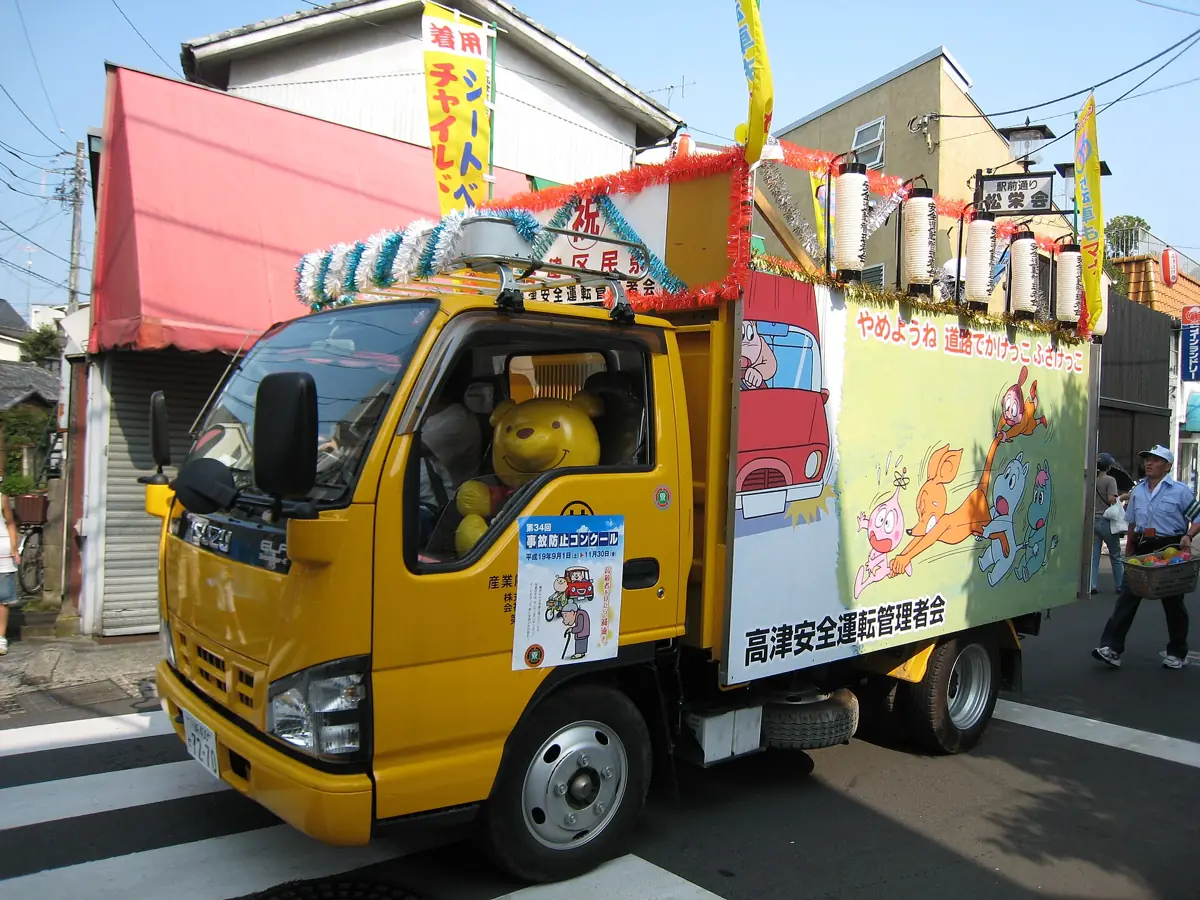
Riley County was organized on August 25, 1855, and named for Bennet Riley, with Manhattan as its seat. The fair grew from the same impulse that produced county fairs across Kansas: farmers and stockmen wanting neutral ground to compare animals, test crops, and settle friendly arguments about who had the better herd.
Over the decades the fair accumulated what visitors now take for granted — permanent exhibit halls, livestock barns, a grandstand for evening programs, and midway space that fills for a few days each summer. Each generation added a layer and kept the older ones, which is why the schedule feels familiar and slightly different every year.
The county’s growth changed the fair too. A county of 71,959 people with a university town at its center draws a more mixed crowd than a purely rural fair would, and the fair has had to hold both.
What a Returning Visitor Notices First
First-timers chase the rides. Returning visitors know the fair’s rhythm runs from mid-afternoon, when the barns are busiest, to late evening, when the grandstand fills.
Fair Food, From the Barns to the Midway
Fair food splits into two economies. There is the midway — funnel cakes, corn dogs, lemonade, fried things on sticks — and there is the food run by local groups out of community and 4-H stands, where lines move fast and prices are gentler. I eat one meal from each. The stand near the barns is where you find people who have been at the fair since morning.
Grandstand Evenings and Music Around the Grounds
Evenings center on the grandstand, where programs vary by night and by year. Smaller stages and open areas host local and regional acts — country, rock, whatever the fair board lined up that summer. Because the grounds are walkable, you can drift between grandstand, exhibit hall, and midway without committing to one spot all night.
Family Activities That Hold a Kid’s Attention
For families, the fair works because there is always a next thing in sight: carnival rides for older kids, small-animal and petting areas for younger ones, and livestock barns that are free entertainment if your child asks questions. The 4-H exhibits are quietly great — watching a nine-year-old present a rabbit makes the whole enterprise feel achievable.
Planning a Return Trip to Riley County
Getting There From Any Corner of the County
The fairgrounds sit in the Manhattan area, which puts them within roughly half an hour of most of Riley County. From the smaller communities north and west of town, the drive is a straight shot on state highways. Coming from outside the county, aim for Manhattan first, then follow the fair signage.
Where to Stay Around Manhattan
Manhattan holds the county’s main concentration of hotels, motels, and short-term rentals, and it is close enough to the grounds that you can shower and come back for the evening. Book early for fair weekend — late July is a busy stretch in a college town.
Parking Without the Usual Frustration
Parking is the one part of fair week that needs a plan. Arrive before the evening rush for a spot near the main gate, or accept a longer walk from the edges. Grass lots soften after a Kansas thunderstorm, so if rain is forecast, wear shoes you don’t mind ruining.
Admission, Tickets, and What Actually Costs Money
Entry to the fairgrounds is typically free, which is unusual and worth appreciating. The extras are what cost: carnival rides and wristbands, midway food, and any grandstand event that sells tickets. A family can spend an evening here on very little by sticking to exhibits and free entertainment.
Kansas Summer Weather and How to Pack
Expect heat, humidity, and the chance of a sudden storm. Afternoon is the worst of it; evening is when the fair turns pleasant. Bring water, a hat, sunscreen, and a light rain jacket. Barns are warm and dusty, so take allergy medicine before you walk in.
My Two-Day Riley County Fair Itinerary
Day one, late afternoon: park early, walk the barns while they are still active, and watch a few classes judged. Eat from a local stand. Move through the exhibit hall before the crowd, then spend the evening between the midway and the grandstand. Leave before the final rush and you will be back in Manhattan in minutes.
Day two, morning into early afternoon: this is when you cover what you skipped — static exhibits, the small-animal barn, commercial booths, whatever demonstration is running. Stay for the livestock sale if one is scheduled. That is the part of the fair that shows you what the week is actually for.
How the Riley County Fair Compares With Neighboring Fairs
Every county in this part of Kansas holds a fair, and they differ more than outsiders assume. Clay Center’s fair leans agricultural and small-town, with a slower pace and a smaller midway. Pottawatomie County’s fair in Westmoreland has a similar feel. Abilene, in Dickinson County, draws on a different history, with a tourism economy built around its own landmarks.
Riley County sits between those poles. It has the barns and 4-H culture of a rural fair, plus a university town next door, which means a bigger, younger, more mixed crowd and more evening entertainment than you would find thirty miles in any direction.
My Pre-Fair Checklist for Riley County
| Comfortable shoes | Gravel, grass, and barn aisles add up to more walking than you expect |
| Cash and a card | Smaller stands may prefer cash; ride vendors usually take cards |
| Water bottle | Kansas afternoons in mid-summer are not forgiving |
| Sunscreen and a hat | Shade at the fairgrounds is limited during the day |
| A light rain layer | Summer storms arrive quickly and pass just as fast |
| Small bills for the kids | Rides and midway games add up faster than parents plan for |
| Phone with storage free | Show rings and exhibit halls are worth photographing |
| An agreed meeting point | Groups split up fast once the lights come on |
Beyond the Fairgrounds: The Rest of Riley County
Make a weekend of it and Riley County offers plenty beyond the fair. Manhattan has the Kansas State University campus, Aggieville’s bars and shops, and a downtown worth an hour of wandering. Konza Prairie south of town opens trail access into the tallgrass Flint Hills, and Tuttle Creek Lake north of Manhattan is the county’s water destination.
The drives between them are the point as much as the stops. Limestone, bluestem, and a wide sky are why people who grew up here keep coming back, and fair weekend is a good excuse to see it in full summer color.
What the Fair Means to Riley County
County fairs get called traditions, which undersells the work they do. The Riley County Fair is where a 4-H member learns to present an animal to a judge, where a grandparent watches a grandchild take a ribbon in a category they entered decades ago, and where people who live twenty minutes apart finally cross paths.
For a county organized on August 25, 1855, and named for Bennet Riley, the fair is a living thread back to the agricultural economy that built the place — and the best-attended reunion in Riley County each summer.
Where the Riley County Fair Sits on the Map
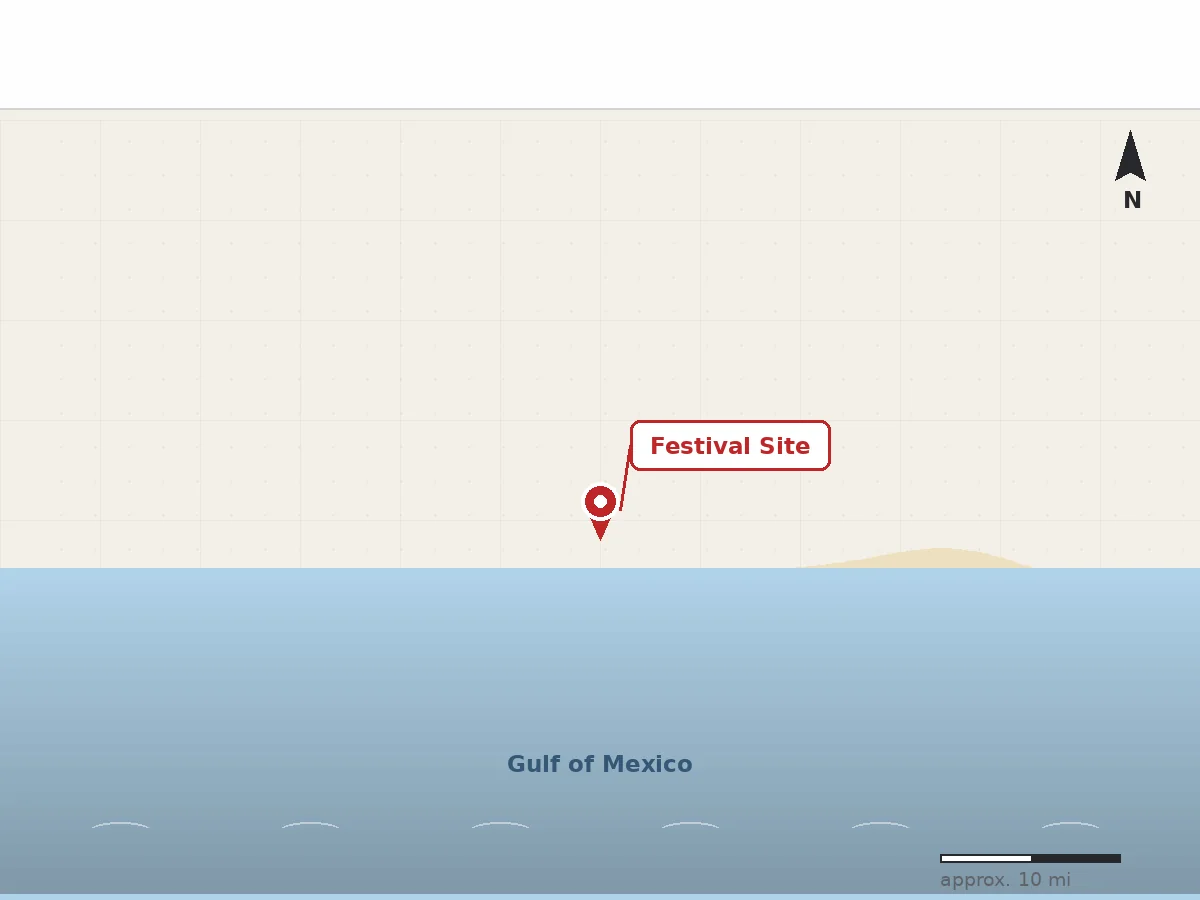
The Riley County Fair is held at the county fairgrounds in the Manhattan area, in the heart of Riley County, Kansas.
Riley County Fair Questions I Get Asked Most
Is the Riley County Fair free to attend?
Admission to the fairgrounds is typically free, which surprises people used to paying at the gate. Rides, midway food, and ticketed grandstand events are the costs to budget for. Exhibits, livestock shows, and most entertainment around the grounds cost nothing.
How long does the fair run?
The fair is a multi-day event, usually spanning a long weekend in summer, in most years during late July. Plan on one full evening and one afternoon to see it properly.
Is it worth going if I don’t know anyone showing livestock?
Yes. Livestock shows are open to watch, and the exhibit halls are worth an hour on their own. Even if agriculture is not your interest, the fair works as an evening out — food, rides, music, and a crowd that is unusually easy to talk to.
What should I bring if I’m going with kids?
Water, sunscreen, and a rides budget. Strollers work on main paths but struggle in barn aisles. Agree on a meeting point before you go in, because the grounds get busy after dark.
Looking Ahead to Future Riley County Fairs
The fair’s future looks much like its present, with adjustments. Fairs everywhere are working to keep younger visitors engaged while preserving the agricultural core that gives them purpose. In Riley County that means supporting 4-H and open-class entries, keeping entry free or close to it, and booking entertainment that competes with everything else a family could do on a summer weekend.
The county’s population has grown steadily, and the fair will keep absorbing that growth — more visitors, more entries, more pressure on parking and barn space. It will manage the way it always has: volunteers, folding tables, and a schedule taped to a door.
Last updated: October 2026
Go on a weeknight if you can, and go early. Walk the barns first, eat from a stand run by people who live here, and stay until the lights come on over the midway. That is the version of the Riley County Fair worth returning to, and it is waiting every summer.




One Comment