Pottawatomie County Kansas Pottawatomie County Fair Festival
There is a moment at the Pottawatomie County Fair — somewhere between the smell of the livestock barn and the first cold drink of the afternoon — when the event stops being a date on the calendar and starts feeling like a homecoming. That shift happens faster on a second visit. You stop reading the signs and start recognizing faces. You know which gate moves quickest, which barn holds the shade longest, and roughly where the crowd will gather when the grandstand program begins.
Pottawatomie County sits in northeast Kansas, a place of 862 square miles of farmland, small towns, and long horizons. Its population was 25,348 at the 2020 census, and its county seat is Westmoreland. It is not a sprawling metro county, and that is exactly the point. The fair works because the county is small enough that the same families show up year after year, and large enough that there is always something new to see in the barns, the exhibit halls, and along the midway.
This is an insider’s view for the returning visitor — the person who already knows the basics and wants to get more out of fair week. If it is your first time, you will still find everything you need here: what the fair is, how it took shape, what to expect on the grounds, and how to plan a weekend around it without wasting a single afternoon.
Pottawatomie County Fair Facts Worth Knowing First
| Town / area | The Pottawatomie County area, northeast Kansas |
| County | Pottawatomie County, Kansas |
| County seat | Westmoreland |
| Population | 25,348 (2020 census) |
| Land area | 862 square miles |
| County founded | February 20, 1857 |
| Region | Northeast Kansas, within reach of Manhattan and Topeka |
| Typical timing | A summer weekend, in most years late July or early August |
| Admission | Typically free to enter the grounds; bring cash for food, vendors, and rides |
| Setting and features | A traditional fairground with barns, exhibit halls, a grandstand, and open midway space, plus livestock shows, 4-H and open-class exhibits, and fair food |
What the Pottawatomie County Fair Actually Is
Strip away the carnival lights and the smell of frying dough, and the Pottawatomie County Fair is an agricultural exhibition with a party wrapped around it. The core of the event is competitive: livestock classes, poultry and rabbits, home economics entries, produce, photography, baked goods, and the kind of handwork that takes a full winter to finish. Those exhibits fill the halls and barns, and they are judged before most visitors have finished their first lap of the grounds.
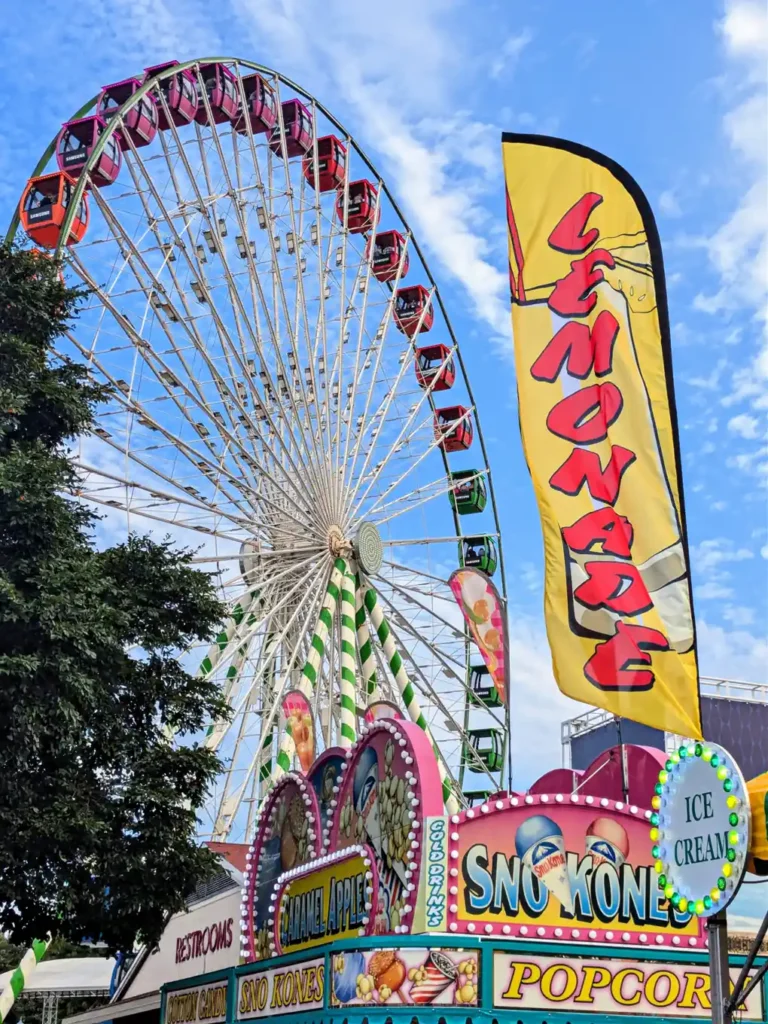
Around that core sits everything else. A midway with rides. Food stands run by local groups. A grandstand that hosts evening programming. Kids chasing each other between the barns while their parents talk to neighbors they have not seen since last summer. The fair is a county-wide reunion that happens to have funnel cakes.
For another look at how a community turns its own traditions into a gathering, see the Polk County Iowa Iowa State Fair Festival for a useful comparison.
For a returning visitor, the appeal is the rhythm. Mornings belong to the barns and the show rings, when animals are being washed, brushed, and walked. Afternoons are for exhibits, shade, and food. Evenings pull everyone toward the grandstand and the midway. Once you understand that rhythm, you can plan a day that feels relaxed instead of rushed — and you stop missing the parts you actually came for.
How a County Founded in 1857 Grew a Fair Tradition
Pottawatomie County was founded on February 20, 1857, in the years when northeast Kansas was being settled and organized into counties. Agriculture came first, and it stayed first. The county’s 862 square miles became a patchwork of corn, soybeans, wheat, cattle pastures, and the small towns that served them, with Westmoreland eventually serving as the county seat.
County fairs grew out of that world. In an era before easy travel and instant communication, a fair was the one time of year when farm families from across a county could compare notes, show off their best stock, trade breeding knowledge, and let their children compete against kids from the next township. That purpose shaped the fair’s structure: judging first, celebration second, and both woven together so tightly that separating them no longer makes sense.
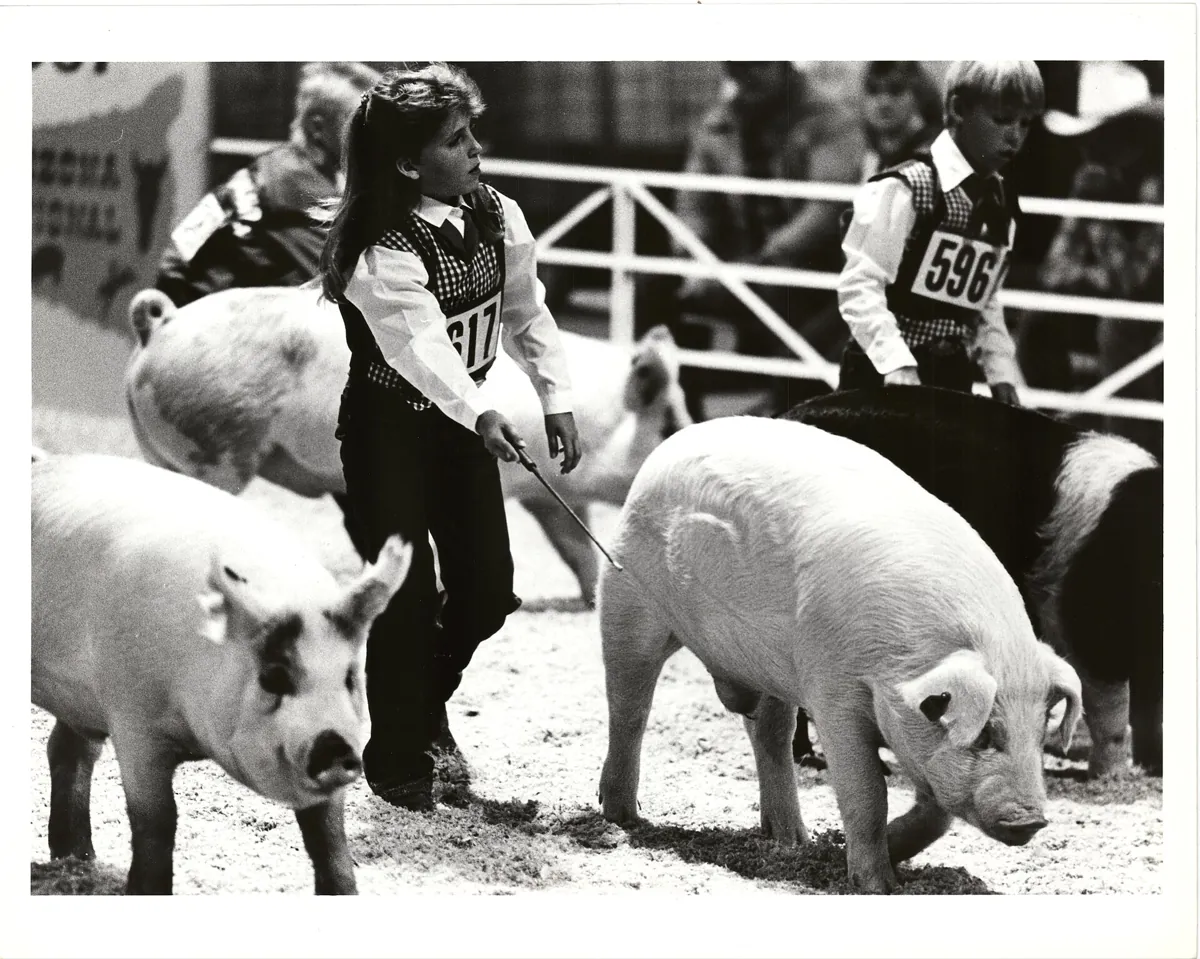
Over the generations, the Pottawatomie County Fair added layers. Carnival rides arrived. Grandstand entertainment became a nightly draw. Exhibit halls expanded beyond produce and baking into photography, crafts, and school projects. What did not change is the backbone of the event: the young exhibitors who spend months preparing an animal or a project and then stand in front of a judge with everything on the line. That is the thread connecting the earliest fairs in the county to the one held this summer.
What a Return Trip to Fair Week Feels Like
The second visit is where the fair gets good. You already know the layout, so you can spend your time on the things that matter rather than wandering. Here is how the three main draws break down.
Fair Food That Keeps Pottawatomie County Coming Back
Expect the classic fair lineup: grilled burgers and brats, corn dogs, nachos, curly fries, funnel cakes, snow cones, and lemonade by the gallon. Local organizations often run stands of their own, which is where you find homemade pies, cinnamon rolls, and the kind of church-kitchen cooking that never appears on a restaurant menu. Returning visitors learn to eat early or late — the middle of the dinner hour is when lines stretch longest — and to carry cash, since not every stand takes a card.
Grandstand Nights and Local Entertainment
Evening programming is the fair’s biggest shared moment. Grandstand events in most years include motorized competitions, livestock sales or showcases, and live music from regional bands. Seating fills up, so arriving a little before the start time is worth the trouble. Between the scheduled acts, the midway provides its own soundtrack, and smaller performances often pop up around the grounds without much announcement. If you only attend one evening, make it the one with the fullest grandstand schedule.
Family Activities Across the Grounds
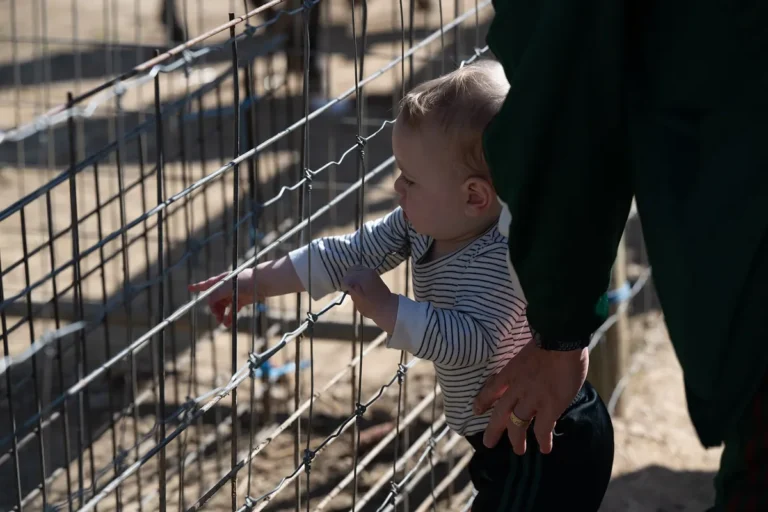
Families with young children tend to orbit the carnival rides, the barns, and the exhibit halls in that order. Livestock barns are usually open to walk through, and most exhibitors are happy to answer questions about their animals. Contests, games, and hands-on activities for kids typically run through the afternoons. Strollers handle the grounds fine, but the gravel between barns can be rough, so comfortable shoes matter more than anything else you pack.
Planning a Fair Weekend in the Pottawatomie County Area
Getting to Westmoreland and the Fairgrounds
Westmoreland, the county seat, is the anchor point for most fair traffic, and the county’s road network makes the drive straightforward from surrounding communities. Most visitors arrive by car, and the trip is a pleasant one through farmland. If you are coming from out of the area, plan your route around the nearest larger town and build in extra time for the final stretch, when local traffic slows near the grounds.
Where to Stay for Pottawatomie County Fair Week
Lodging inside the county is limited, so most out-of-town visitors base themselves in a nearby larger community and drive in. Book early — fair week overlaps with other summer travel in northeast Kansas. Campers and RV owners often prefer to stay closer to the action, and it is worth confirming availability and hookup details ahead of time rather than assuming a spot will be open.
Parking Around the Fair
Parking is generally handled with lots and grass areas near the fairgrounds, directed by volunteers. Arrive before the evening rush and you will walk a short distance; arrive at peak time and you will walk farther, which is fine as long as you remember where you parked. Returning visitors take a photo of their row on the way in. It sounds trivial until the midway lights go out.
Admission and What Things Cost
Admission to the fairgrounds is typically free, with costs concentrated in food, carnival rides, and any specially ticketed grandstand events. That structure rewards a budget-conscious approach: bring cash in small bills, set a ride budget for the kids before you walk in, and treat the food stands as the main expense. Check local listings close to fair week for any changes to entry or event pricing.
Kansas Summer Weather and What to Wear
Late July and early August in northeast Kansas mean heat, humidity, and the real possibility of an afternoon thunderstorm. Dress for a hot day, bring a hat and sunscreen, and keep a light rain layer in the car. Evenings cool off noticeably, especially after a storm passes, so a sweatshirt in the trunk is never wasted space. Drink more water than you think you need.
A Two-Day Sample Itinerary for the Pottawatomie County Fair
Day one, morning: Arrive when the grounds open and head straight for the livestock barns. This is when animals are being prepped and exhibitors are most willing to talk. Walk the exhibit halls next, before the afternoon heat builds.
Day one, afternoon: Eat lunch from the stands, then take a slow loop of the midway while the crowds are thinner. Find shade, catch a kids’ activity, and save your energy for the evening. Claim grandstand seats early.
Day one, evening: Grandstand programming, then the midway after dark, when the lights and noise make the fair feel twice its size. Leave before the final rush if you want an easy exit.
Day two, morning: Return for the show rings and any judging you missed. Buy baked goods or preserves from the exhibit areas if sales are part of the schedule. Finish with one last walk through the barns, then head into Westmoreland or a nearby town for a quiet lunch before the drive home.
How It Compares with Nearby Kansas Towns and Celebrations
Compared with larger regional events in the Manhattan area, the Pottawatomie County Fair is smaller, slower, and more rooted in agriculture. You will not fight big-city traffic, and you will recognize a good share of the crowd by the second day. Neighboring county fairs in the surrounding region follow a similar template — livestock, exhibits, a midway, a grandstand — but each has its own character, shaped by the towns that support it.
Within Pottawatomie County itself, towns like Wamego, St. Marys, and Onaga each have their own identity and their own community gatherings through the year. The county fair is the one event that pulls all of them into the same place at the same time. That is the difference: a town festival celebrates a town, while the county fair celebrates the whole 862 square miles.
A Returning Visitor’s Checklist for Fair Week
| Cash in small bills | Food stands and vendors may not take cards |
| Sunscreen and a hat | Afternoon sun on open ground is unforgiving |
| Refillable water bottle | Cheaper and easier than buying drinks all day |
| Closed-toe shoes | Gravel, mud, and barn aisles |
| Light rain jacket | Summer storms move in quickly |
| Sweatshirt for the car | Evenings cool off fast |
| Parking photo | Saves a long walk at night |
| Early arrival plan | Best barn access and easiest parking |
Beyond the Midway: The Rest of Pottawatomie County
Fair week is a good excuse to see more of the county. Westmoreland, as the county seat, is the natural starting point, and the drive between the county’s towns passes some of the best farmland views in northeast Kansas. The Kansas River marks the southern edge of the county, and the rolling country north and west of it rewards a slow, unhurried drive.
Pair the fair with a stop in one of the county’s other communities — Wamego, St. Marys, or Onaga — for a meal, a walk, or a look at main street architecture that has been standing for generations. Visitors coming from farther away often combine the trip with time in the Manhattan area, which offers the closest concentration of lodging, restaurants, and additional attractions.
Why Fair Week Still Anchors Pottawatomie County
In a county of 25,348 people spread across 862 square miles, the fair does something no other event can: it puts everyone in the same place. Neighbors who wave from passing trucks all year finally get to stand and talk. Grandparents watch grandchildren walk animals into a ring, exactly as they did decades earlier. Local organizations raise money, local businesses see a surge, and young exhibitors learn how to lose gracefully and win humbly in front of a crowd that knows their family name.
That is why the fair survives. It is not just entertainment — it is the annual inventory of a county’s skills, work ethic, and generosity. Volunteers staff it, families supply it, and the wider community shows up to validate it. Skip a year and you notice the gap.
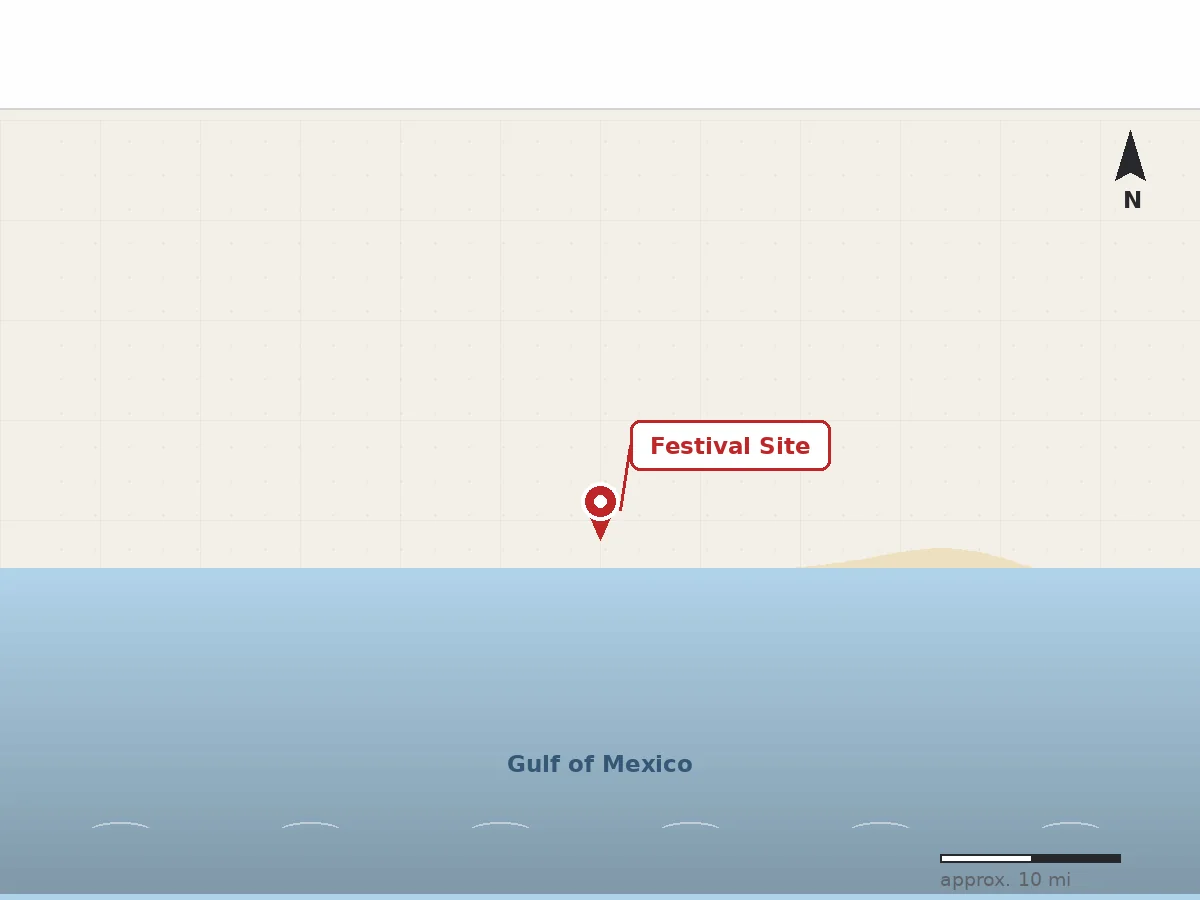
Where the Pottawatomie County Fair Sits on the Map
The fairgrounds serve the Pottawatomie County area around Westmoreland, the county seat, in northeast Kansas.
Pottawatomie County Fair: Answers for Returning Visitors
When is the Pottawatomie County Fair usually held?
It is a summer event, held in most years on a weekend in late July or early August. Exact dates shift annually, so confirm the current schedule through local county sources before you make travel plans. Planning around a Friday and Saturday gives you the fullest experience.
Is admission free at the Pottawatomie County Fair?
Entry to the fairgrounds is typically free. Your spending will be concentrated on food, carnival rides, and any specially ticketed grandstand events. Bring cash in small denominations, and check local listings for anything that requires a separate ticket.
Is the fair a good fit for young children?
Yes. The grounds are compact, the barns are open to walk through, and there is usually a steady stream of kid-focused activities through the afternoons. Bring a stroller if you need one, expect gravel between barns, and plan your midway time for earlier in the day when it is cooler and less crowded.
Where should out-of-town visitors stay?
Most travelers base themselves in a nearby larger community and drive in for fair activities, since lodging within the county is limited. Book well ahead, especially during fair week, and ask directly about RV and camping options if you prefer to stay closer to the grounds.
The Next Chapter for the Pottawatomie County Fair
County fairs survive on volunteers and on families willing to keep entering exhibits, showing animals, and staffing stands. Pottawatomie County has both, and the fair’s future will look a lot like its past: livestock, baking, crafts, rides, and a grandstand full of neighbors on a warm summer night. Expect the event to keep evolving slowly — new activities, updated facilities, changing entertainment — while holding onto the agricultural core that gives it meaning.
For returning visitors, that continuity is the draw. The midway will change, the food stands will shuffle, and the schedule will shift. The reason to come back stays the same.
Last updated: October 2026
If you have been before, go again — and go with a plan. Arrive early, walk the barns first, eat when the lines are short, and let the evening carry you to the grandstand. The Pottawatomie County Fair rewards the visitor who slows down, and in a county this size, the fair is less an attraction than an invitation to belong for a weekend.
One Comment