Polk County Iowa 4-H & FFA Fair Festival
Every summer, the Polk County area fills with the smell of grilled sausage, the clatter of livestock gates, and the chatter of kids explaining a project they spent months preparing. The Polk County Iowa 4-H & FFA Fair is the county’s youth showcase — part agricultural exposition, part community reunion, and, for anyone who arrives hungry, part food festival. It is the kind of fair where a walking taco counts as dinner, a pork chop is a ritual, and the pie you buy at the counter was probably baked by someone who lives a few miles away.
Polk County 4-H & FFA Fair: Key Details for Fairgoers
| Town / area | The Polk County area, Iowa |
| County | Polk County, Iowa |
| County seat | Des Moines |
| Population | 492,401 (2020 census) |
| Region | Central Iowa |
| Typical timing | A summer weekend, most often in July |
| Admission | Typically free; food, rides, and some events cost extra |
| Setting | Fairgrounds with livestock barns, show rings, exhibit halls, and open-air gathering space |
| Features | Youth livestock shows, static exhibits, fair food, family activities |
| Organizer | Local 4-H and FFA volunteers and youth leaders |
Inside Polk County’s Youth Fair: Ribbons, Barns, and Booths
The Polk County Iowa 4-H & FFA Fair is a youth fair at heart. Members of 4-H clubs and FFA chapters from across the county bring livestock, baked goods, photography, woodworking, horticulture, and dozens of other projects to be judged, displayed, and celebrated. Polk County is Iowa’s most populous county — 492,401 residents at the 2020 census, spread across 591.888 square miles — and the fair reflects that mix of farm ground and city neighborhoods. Exhibitors come from acreages near the county’s edges and from blocks inside Des Moines alike.
For visitors, the appeal is simple: a fairground that smells like a kitchen and a barn at the same time, where nearly everything edible was made or sold by people who live nearby. You will not find a corporate food court here so much as a row of booths run by clubs, chapters, and community groups raising money for their own programs.
From Township Exhibits to a Countywide Fair: The Polk County Story
Iowa’s county fair tradition grew out of nineteenth-century agricultural societies that gathered farmers to compare crops, equipment, and livestock. As 4-H clubs and FFA chapters organized across Iowa in the early decades of the twentieth century, youth exhibitions became a central part of that tradition, and Polk County’s fair evolved into a showcase for young exhibitors rather than a purely commercial trade event.
The fair’s shape has shifted with the county around it. Des Moines, the county seat, grew into Iowa’s largest city, and Polk County’s 591.888 square miles now hold a blend of suburbs, farm fields, and river bottoms. Through those changes, the fair kept its basic rhythm: entry day, judging, public display, and a closing celebration. Ribbon boards, record books, and the annual sale of prize animals stayed constants even as the audience changed. Today’s fair is smaller in spirit than a statewide exposition and broader in reach than a single township show — a countywide gathering that still runs on volunteer hours and family participation.
For another look at how a community turns its own traditions into a gathering, see the Pocahontas County Iowa 4-H & FFA Fair Festival for a useful comparison.
Tasting Your Way Through the Polk County 4-H & FFA Fair
Arrive at the fairgrounds and the first thing you notice is that food here is not an afterthought. Concession stands double as fundraisers, which means the menu is built by people with a stake in whether you come back for a second plate.
Fair food, from the breakfast tent to the last slice of pie
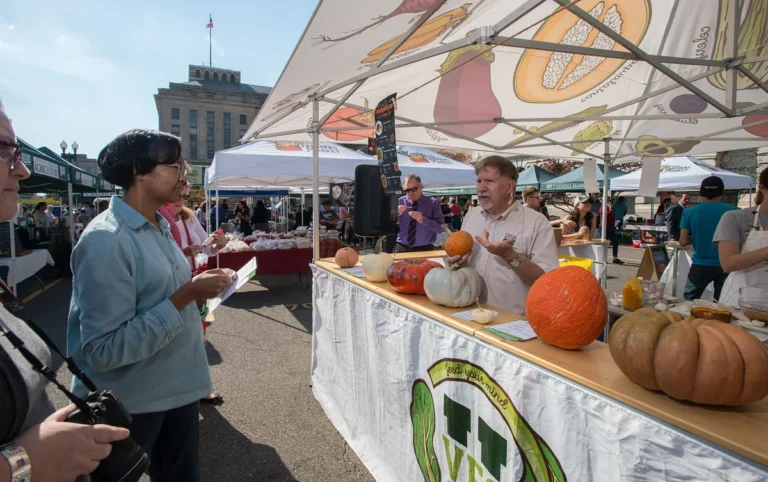
Expect the classic lineup — funnel cakes, corn dogs, nachos, lemonade — alongside Iowa staples like pork chops on a stick, walking tacos, breaded tenderloins, and pie by the slice. Booth assignments rotate among clubs, chapters, and community groups, so the stand you loved last year may have a different crew and a slightly different menu this time. Breakfast is the quiet bargain of the day: coffee, cinnamon rolls, and egg sandwiches served while exhibitors are still bedding down animals. Bring small bills for the youth-run stands, and eat earlier or later than the noon rush if you want a seat.
Show rings, grandstand nights, and barn-side music
The show rings provide most of the day’s drama. Livestock classes, showmanship contests, and judging run through the schedule, and crowds swell when a young exhibitor walks an animal through its paces. Grandstand evenings typically bring music, a tractor pull, a demolition derby, or a community program, depending on the year. Between events, look for a stage or tent with local musicians, dance groups, or a talent showcase. None of it is oversized or corporate; this is entertainment you watch with a paper plate in one hand.
Family activities that don’t require a wristband
Families can spend a full day without spending much. Barns are open for walking through, and most exhibitors are happy to answer questions about a calf, a rabbit, or a pen of chickens. Hands-on areas — craft tables, agricultural education booths, games, and small-animal petting — give younger kids something to do between meals. Many fairs add a pedal tractor pull, a cookie-decorating station, or a passport-style scavenger hunt that earns a small prize. Strollers handle the grounds reasonably well, and shade near the exhibit halls is welcome when the afternoon heats up.
A Sample Fair Weekend, Meal by Meal
Morning: Arrive early, before the parking rows fill. Head for the breakfast stand for coffee and a cinnamon roll, then walk the livestock barns while the aisles are still quiet. Watch a showmanship class and let the kids ask exhibitors questions.
Late morning: Move to the exhibit hall. Baked goods, photography, flowers, and crafts are usually displayed together, which makes for an easy, air-conditioned break from the sun.
Lunch: This is the meal to plan around. Split a pork chop sandwich and a walking taco, then follow with a shared funnel cake. Refill water bottles at a fountain or stand.
Afternoon: Catch the grandstand or arena event, or sit in the shade with lemonade and listen to whoever is playing. Browse the community and commercial booths.
Evening: Stay for the lights. Dinner is usually a second pass at the food row — tenderloin, corn dog, or a slice of pie — followed by the evening program and one last walk past the barns before heading home.
Planning a Fair Day in the Polk County Area
Most of what makes a fair day easy is decided before you park. A few practical notes for the Polk County 4-H & FFA Fair:
Getting there from Des Moines and around the county
The fair takes place within the Polk County area, with Des Moines — the county seat — as the main urban anchor for out-of-town visitors. Most fairgoers drive, and the approach from the metro is straightforward along the county’s main highways. If you are staying downtown, plan on a short regional drive rather than a long haul. Rideshare drop-offs work best at a designated gate; ask the driver to use the main entrance rather than a service road.
Where to stay in the Polk County area
Hotels cluster around Des Moines and the western and northern suburbs, giving fairgoers a wide range of price points within a comfortable drive of the grounds. Campgrounds and RV parks across the county fill quickly on fair weekends, so book well ahead if you plan to stay on wheels. For a two-day visit, staying in the metro and driving out each morning is usually simpler than moving campsites.
Parking on fair days
Parking is typically in grassy or gravel lots adjacent to the grounds, with attendants directing traffic. Arrive before mid-morning for the closest spots, and expect a short walk from the outer rows. Note where you parked — the rows look identical after dark. Accessible parking is usually available near the main gate; ask an attendant if it is not clearly marked.
Admission and what things actually cost
Admission is typically free, which is a big part of the fair’s appeal as a family outing. Food, carnival rides if present, raffle tickets, and some grandstand events are priced separately. Bring both small bills and a card, since some youth-run stands may take cash only. A family can keep costs low by eating one big meal on the grounds and packing water and snacks for between times.
Summer weather and what to wear
Fair season in central Iowa means heat, humidity, and the occasional afternoon storm. Mornings are the most comfortable hours; midday is best spent in the exhibit hall or under a tent. Wear light clothing, bring sunscreen and a hat, and keep an eye on the sky — staff usually announce weather delays over the public address system. Evenings cool off nicely, which is one more reason to stay for the last event.
How Polk County’s Fair Compares With Nearby Celebrations
Polk County’s youth fair occupies a specific niche among Iowa celebrations. The Iowa State Fair, held in Des Moines, is a statewide spectacle with national entertainment and enormous crowds; the Polk County 4-H & FFA Fair is smaller, local, and centered on young exhibitors. The Warren County Fair in nearby Indianola offers a comparable small-county feel with its own livestock tradition, while the Story County Fair near Nevada and the Dallas County Fair in Adel draw from their own mix of suburbs and farmland. Farther southwest, the Madison County Covered Bridge Festival in Winterset trades livestock barns for heritage tourism and craft vendors.
What sets Polk County apart is scale and setting: a youth fair in the state’s most populous county, where a suburban kid and a farm kid can end up in the same showmanship class. If you want big-name concerts and a midway the size of a small city, head to the state fair. If you want pie from a booth staffed by a club your neighbor belongs to, this is your fair.
Fair-Day Checklist for Polk County Families
Before you leave the house: check the day’s schedule and gate hours; charge your phone and pack a battery; bring sunscreen, hats, and refillable water bottles; carry cash in small bills; wear closed-toe shoes for barn aisles; leave pets at home; confirm whether grandstand events need separate tickets; agree on a family meeting point near the main gate; and save room for at least one thing you did not plan to eat.
Beyond the Fairgrounds: Des Moines and the Wider County
The Polk County area rewards a longer stay. Des Moines, the county seat, offers a walkable downtown, riverfront trails, botanical gardens, and a well-known sculpture park, plus restaurants that range from classic Iowa diners to serious contemporary kitchens. Suburbs like West Des Moines, Ankeny, and Urbandale add shopping, breweries, and family entertainment.
Outside the metro core, the county’s 591.888 square miles open into farmland, prairie remnants, and river corridors along the Des Moines and Raccoon rivers. Cycling trails connect much of the region, and county parks make easy half-day stops. If your fair visit falls on a warm weekend, pair it with a morning at a metro farmers market and an evening drive through the countryside — the same growing season that fills the fair’s exhibit hall fills the stands around it.
What the 4-H & FFA Fair Means to Polk County
The fair is one of the few events in Polk County that gathers the whole county at once. It is where a first-year member learns to speak to a judge, where a teenager learns to run a cash box, and where grandparents who once showed livestock watch a grandchild do the same. Volunteer hours from club families, alumni, and community groups keep the whole thing running, and money spent at food booths often goes straight back into youth programs.
In a county of nearly half a million people, that local scale matters. The fair is a reminder that Polk County is not only a metro area — it is 591.888 square miles of farms, small towns, and neighborhoods that still mark the year by planting, showing, and harvest.
Where the Polk County 4-H & FFA Fair Takes Place
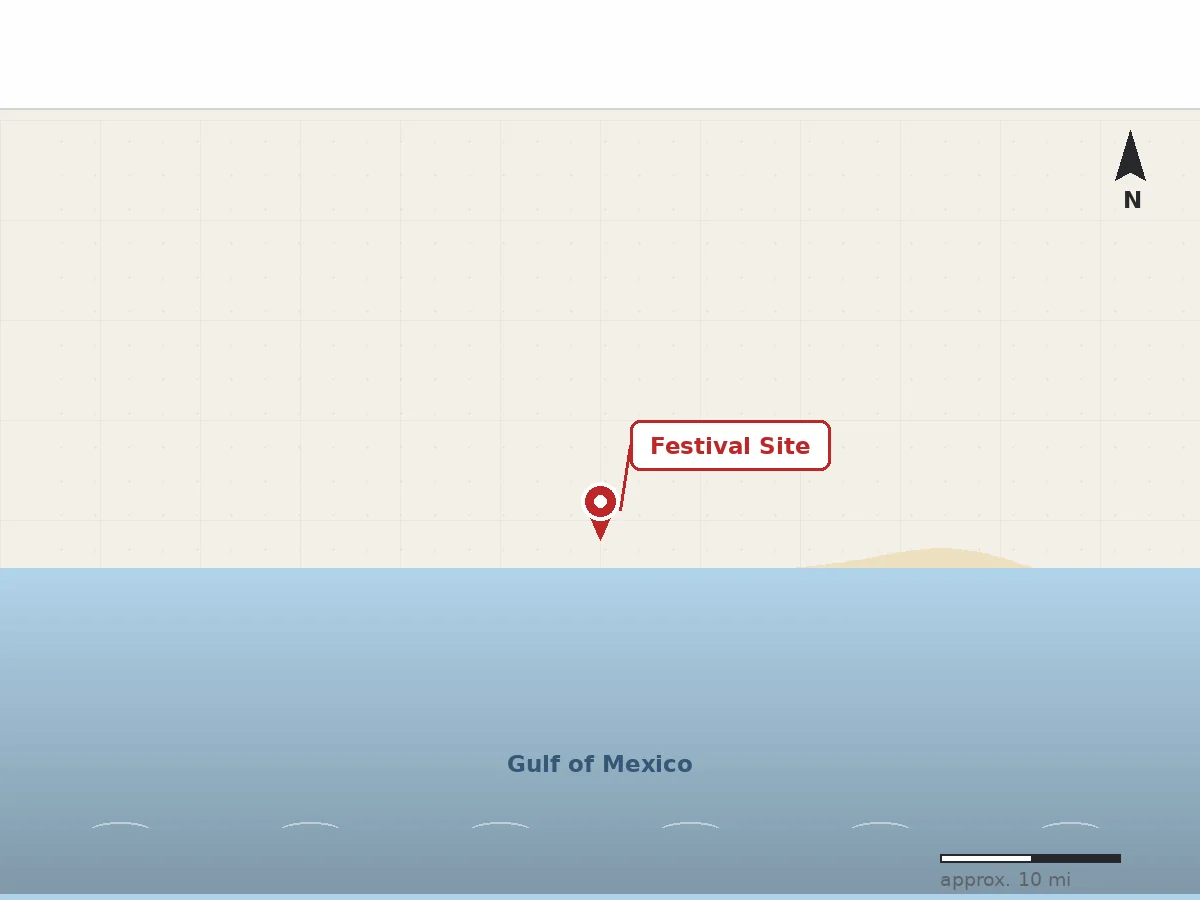
The Polk County 4-H & FFA Fair is held in the Polk County area of central Iowa, within easy driving distance of Des Moines, the county seat.
Polk County Fair Questions, Answered
Is the Polk County 4-H & FFA Fair free to attend?
Admission is typically free, which is one reason families treat it as an easy summer outing. You will pay for food, drinks, raffle tickets, and some grandstand events, so bring a mix of cash and card and set a rough budget before you arrive.
What food should I not miss?
Prioritize whatever the youth booths are running that year — pork chops, tenderloins, walking tacos, and pie are perennial favorites. Ask the volunteers what they made themselves; the answer is usually the best thing on the menu.
How much time should I plan for?
Half a day covers the barns, the exhibit hall, and a meal. A full day lets you add a grandstand event, an afternoon in the shade, and dinner. Many families arrive mid-morning and stay through the evening program.
Is the fair good for young children?
Yes. Barns, hands-on booths, and games are aimed at younger visitors, and the grounds are compact enough to walk with a stroller. Go early, keep a meeting point in mind, and plan a midday break during the hottest hours.
Looking Ahead for the Polk County 4-H & FFA Fair
The fair’s future looks like its past in one important way: it will keep depending on young exhibitors and the volunteers around them. Polk County’s population has grown steadily, and each year brings new families into 4-H clubs and FFA chapters — some with farm backgrounds, many without. As the county’s mix shifts, the exhibits shift with it, from livestock and crops to robotics, photography, and food science projects.
Expect the food to keep evolving too, with more variety alongside the classics and more booths leaning on local sourcing and youth-run stands. Whatever changes, the format holds: a summer weekend, a fairground full of projects, and a community that shows up hungry.
Last updated: October 2026
If you go, go early, go hungry, and do not rush the barns. The Polk County 4-H & FFA Fair is at its best in the small moments — a kid straightening a ribbon, a volunteer sliding a plate across the counter, the smell of fried dough drifting past the show ring. Bring cash, bring patience, and bring someone who will split a funnel cake with you.