Green County Kentucky Cow Days Festival
Each September, the courthouse square in Greensburg fills with craft booths, carnival rides, gospel singing and a parade, all gathered under a name honouring the animal that local merchants once gave away to pull shoppers into town. The celebration is printed as the Cow Days Festival in a state magazine events layer and in reference layers, while a federal preservation layer, the city tourism layer and the local newspaper shorten the name to Cow Days. Greensburg is the county seat of Green County, Kentucky, and the festival occupies its historic downtown, at and around the Green County Historical Courthouse. A fiberglass Holstein named Annie stands at the centre of the tradition, and children still line up to milk her. The record behind this event is unusually deep for a small-town festival, running from a full published schedule in two thousand ten to a dated listing in two thousand twenty-six, although two of its own sources disagree about when Annie arrived, and that disagreement is left standing.
About
Cow Days belongs to Greensburg in a way that goes beyond one weekend on a calendar. The Greensburg Rotary Club stands behind the modern event: a federal preservation layer records that the club revived the festival in nineteen seventy-three, and the local newspaper describes Cow Days as the local fall festival their organization sponsors annually, speaking of that same Rotary Club. The City of Greensburg carries a civic role of its own, because its tourism layer hosts the booth application through which vendors join the celebration. Those two forms of involvement, the club’s sponsorship and the city’s application route, sit side by side in the record and are not merged into a single organiser statement.
The setting shapes everything else. Rather than a fairground on the edge of town, Cow Days spreads across the historic downtown, using the courthouse and the streets around it, so the parade, the pageants and the shows unfold against the county’s oldest civic backdrop. Anyone hoping to sell from a booth works through the application the city tourism layer hosts, and the community-news and city layers both print telephone and email routes for reaching the festival organisers, routes noted here by their existence only.
Quick Facts
| Item | Detail |
| Published names | Cow Days Festival; Cow Days |
| Host community | Greensburg, Kentucky |
| County position | Greensburg is the county seat of Green County |
| Setting | Historic downtown Greensburg, at and around the Green County Historical Courthouse |
| Sponsoring body | Greensburg Rotary Club |
| Civic involvement | The City of Greensburg tourism layer hosts the booth application |
| Customary timing | The third Friday and Saturday of September |
| Documented editions | Two thousand ten, two thousand twenty-four and two thousand twenty-six |
| Signature figure | Annie, a life-size fiberglass Holstein cow |
| General admission | No credible layer publishes a gate price or calls the whole festival free |
History
The story begins in the late nineteen thirties, when Greensburg merchants settled on a promotion with hooves: give away a cow, and farm families who might otherwise shop elsewhere would come into town for the drawing. Reference layers and the federal preservation layer both trace the festival’s origin to that merchant giveaway, which grew from a sales idea into a recurring town celebration built around livestock, food and music.
The original run did not continue unbroken. The federal preservation layer describes a revival in nineteen seventy-three, when the Greensburg Rotary Club brought Cow Days back and commissioned a life-size fiberglass Holstein, the cow the town came to know as Annie, as the restored festival’s permanent mascot. Under that account, Annie belongs to the revival era, a symbol made for the festival’s second life rather than a survivor of the merchant years.
For a useful comparison, see the Grayson County Kentucky Caneyville Fair and Homecoming Festival for another county festival.
The local newspaper tells her arrival differently. In a history published alongside its two thousand twenty-four coverage, the newspaper dates Annie’s arrival to the twentieth of September nineteen seventy-nine and describes her as forty-three years old in two thousand twenty-four. The federal layer’s nineteen seventy-three and the newspaper’s nineteen seventy-nine cannot both be right, and nothing in the record settles which one is. They are therefore carried here side by side, unreconciled, and no founding year for the festival itself is adopted from either account.
One further page about the festival circulates online, an AI-generated content-farm page whose claims contradict every credible layer read for this article. That page is disowned in full, and nothing from it is used anywhere in these pages. What the credible record does show is continuity in the present century: a regional community-news layer published a complete schedule for the seventeenth and eighteenth of September two thousand ten, the local newspaper documented the two thousand twenty-four edition together with its Annie history, and city and state magazine layers carry a dated two thousand twenty-six edition, so the modern run is documented across three separate editions even where the earliest chronology stays unsettled.
What to Expect
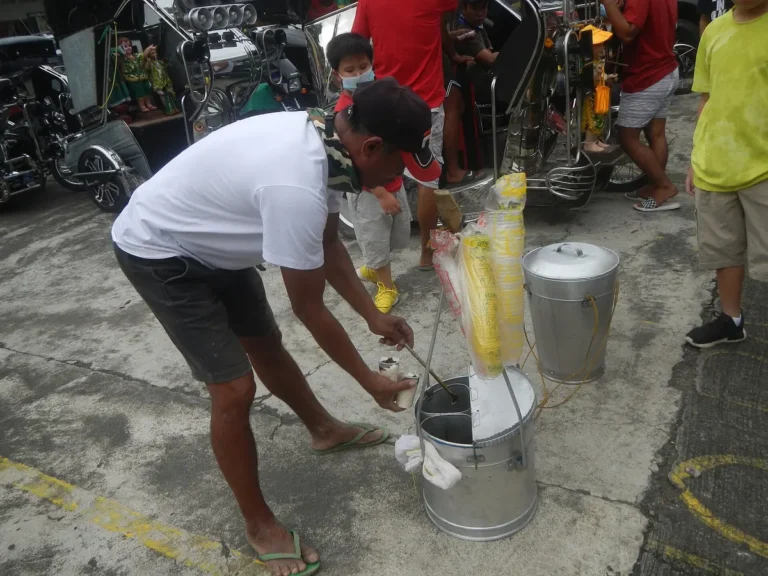
Downtown Greensburg itself becomes the festival ground, with the courthouse as the fixed landmark and the surrounding streets given over to booths, rides and crowds. The two thousand ten schedule, published in full by a regional community-news layer, shows how crowded the programme can be: arts and crafts, food booths, a country-ham breakfast, a fun run, a canoe race, a carnival, a calf giveaway, a pipe smoking contest, gospel and other music groups and a talent show, all within two days, alongside a life-size plastic cow that children could milk.
Later layers add their own elements rather than repeating that list. The local newspaper’s two thousand twenty-four coverage describes pony rides on Fun Alley, beside the petting zoo, running on the Friday and the Saturday. For two thousand twenty-six, the city tourism layer names car and tractor shows, beauty pageants, arts and crafts, a town parade and a 5K race, and the state magazine events layer fixes the Friday hours at eight in the morning to eight in the evening at the Green County Historical Courthouse. Annie remains the thread through every version, since the federal preservation layer describes children milking the life-size fiberglass cow for a free beverage, a small ritual that turns the mascot into a working part of the festival rather than a statue.
Planning Your Visit
The anchor for any trip is the festival’s September position. The city tourism layer places Cow Days on the third Friday and Saturday of September, which for two thousand twenty-six gives the eighteenth and nineteenth of that month, and the state magazine events layer confirms the Friday date with hours running from eight in the morning to eight in the evening. Because the whole event sits in the historic downtown around the courthouse, the documented attractions stand within a compact area, and a visitor can move between the parade, the shows and the booths without leaving the square’s orbit.

Money needs one honest caution. No credible layer read for this article states a general gate price, and none describes the festival as a whole as free. The free elements that do appear are components only: the city tourism layer promises free fun for the kids, and the federal preservation layer describes the free beverage a child receives after milking Annie. Travellers should therefore budget on the basis that the record leaves general admission unstated, rather than assuming either a charge or a free gate. Vendors, meanwhile, have a clearer route, since the booth application is hosted on the city tourism layer, and telephone and email contact routes for the festival exist in the community-news and city layers.
A Sample Day at Cow Days
A Friday at the festival might begin at the courthouse end of downtown, where the state magazine events layer places the two thousand twenty-six edition from eight in the morning. The morning suits the booths and the arts and crafts displays before the crowds thicken, with a pause to watch children milk Annie. Midday belongs to the food booths and to whichever shows the year’s schedule puts on the square, and the afternoon can carry the vehicle and tractor displays that the city tourism layer lists for two thousand twenty-six. Families with younger children will want to find Fun Alley, where the local newspaper placed pony rides by the petting zoo on both the Friday and the Saturday in two thousand twenty-four. Saturday then repeats the pattern at a larger scale, adding the town parade and the 5K race that the city tourism layer names, so a two-day visit catches both the quieter opening and the fullest day.
How the Documented Editions Compare
Set side by side, the three firmly documented editions show a festival that keeps its skeleton while changing its clothes. The two thousand ten edition, preserved in the community-news schedule, leaned on contests and novelty: a calf giveaway, a canoe race and a pipe smoking contest shared the bill with the carnival and the talent show. The two thousand twenty-four edition reaches this article through the local newspaper’s memory work, with its Annie history and its pony rides on Fun Alley. The two thousand twenty-six listing, carried by the city tourism and state magazine layers, foregrounds the parade, the pageants and the car and tractor shows. One name also needs separating from the festival itself: a schools cross-country meet called the Cow Days XC Festival borrows the weekend’s name and nothing more, and it forms no part of this celebration.
A Visitor Checklist
- Confirm the current year’s dates through the city tourism layer before travelling
- Aim for the third Friday and Saturday of September when planning ahead
- Arrive early enough for children to take a turn at milking Annie
- Leave room in the day for both the town parade and the vehicle shows
- Look for Fun Alley and the petting zoo if younger children are along
- Treat any page promising that the whole festival is free with suspicion, since credible layers make no such claim
- Use the booth application on the city tourism layer if you hope to vend
- Check the year’s schedule for the events that rotate, such as the races and contests
Beyond the Festival Weekend
Greensburg outside its festival weekend is a county seat going about ordinary business, and the record read for this article is a festival record, so it says little about the town across the rest of the year. What it does establish is the stage: a historic downtown gathered around the Green County Historical Courthouse, substantial enough that a federal preservation layer discusses the festival within it. A visitor who comes in another season will find the same square and the same streets, quieter, with Annie’s festival trappings packed away, and can still read the geography of the event in the courthouse grounds where the parade, the pageants and the booths all belong.
Why Cow Days Matters
Cow Days matters because it shows how a sales promotion can harden into civic identity. The merchants who gave away a cow in the late nineteen thirties were chasing trade, yet the giveaway gave Greensburg a story durable enough for the Rotary Club to revive in nineteen seventy-three and still be sponsoring, on the local newspaper’s account, more than half a century later. Annie embodies that durability: whichever of the two printed chronologies is correct, the fiberglass cow has stood at the festival’s centre for decades, milked by generations of children who received a free drink for the effort. Few small-town festivals carry both a federal preservation record and a living newspaper tradition, and Cow Days holds both.
Frequently Asked Questions
Why does the festival appear under two different names in print?
The longer form, Cow Days Festival, is the one carried by a state magazine events layer and by reference layers, while the shorter Cow Days is the form used by the federal preservation layer, the city tourism layer and the local newspaper. Both names describe the same Greensburg celebration, and neither layer set treats them as separate events.
Which parts of the celebration are described as free?
Only components carry that description in credible layers. The city tourism layer promises free fun for the kids, and the federal preservation layer describes the free beverage given to a child who milks Annie. No credible layer extends the word to the festival as a whole, and none publishes a general gate price either.
Why do the sources disagree about Annie the cow?
The disagreement is about dates, not about the cow herself. The federal preservation layer places her commissioning within the Rotary Club’s nineteen seventy-three revival, while the local newspaper’s two thousand twenty-four history dates her arrival to the twentieth of September nineteen seventy-nine and calls her forty-three years old that year. Both accounts are reported here exactly as printed, without choosing between them.
How can a vendor take part in the festival?
The route documented in the record runs through the city: the City of Greensburg’s tourism layer hosts the Cow Days booth application, and the community-news and city layers print telephone and email contact routes for the festival. Those contact details exist in the layers, although they are not reproduced in this article.
What to Expect From the Next Green County Kentucky Cow Days Festival
How often is Green County Kentucky Cow Days Festival held?
The city tourism layer describes Cow Days as an annual fall festival, and the dated editions in the record, in two thousand ten, two thousand twenty-four and two thousand twenty-six, all fall on September weekends, which fits the yearly rhythm the tourism layer claims for it.
When is the next Green County Kentucky Cow Days Festival?
The latest dated edition in the record is the two thousand twenty-six festival, on the eighteenth and nineteenth of September, placed there by the city tourism layer and confirmed for the Friday by the state magazine events layer. The layers gathered for this article carry no separate announcement of an edition beyond those dates, so the following year’s festival would be expected on the same third-weekend pattern rather than on any date printed here.
Will the dates change?
The September anchoring is the most consistent fact in the record: the city tourism layer ties the festival to the third Friday and Saturday of September, and every dated edition sits in that month. The exact calendar numbers move from year to year because the third weekend moves, but nothing in any credible layer suggests a shift to a different season.
Closing Thoughts
Cow Days endures as Greensburg’s signature gathering because it keeps faith with a simple idea: a town that once drew crowds with the promise of a cow still draws them with the celebration that promise created. Between the Rotary Club’s stewardship, the courthouse square setting and Annie herself, the festival documented for two thousand ten, two thousand twenty-four and two thousand twenty-six reads as one continuous tradition, even with its earliest dates still argued over in print.