Montgomery County Iowa Montgomery County Fair Festival
Every summer, Montgomery County, Iowa, clears a week on the calendar, opens the gates, and invites everyone in. The Montgomery County Fair pulls together 4-H and FFA exhibitors, livestock barns, carnival rides, food trailers, and grandstand nights into one of southwest Iowa’s most easygoing county fairs. What follows is a practical guide to what you will find, how to plan your visit, and where to go once you have had your fill of the midway.
Montgomery County Fair Basics Before You Drive Out
| Festival | Montgomery County Fair |
| Location | Montgomery County area, southwest Iowa |
| County seat | Red Oak |
| County population | 10,330 |
| County land area | 425.028 square miles |
| Typical timing | A summer week, usually in July |
| Admission | General gate admission is typically free; rides and some grandstand events are priced separately |
| Setting | Fairgrounds in the Montgomery County countryside near Red Oak |
| Signature features | Livestock shows, 4-H and FFA exhibits, carnival midway, fair food, grandstand entertainment |
| Run by | Local volunteers with 4-H and FFA partners |
Inside the Montgomery County Fair: A Red Oak Tradition
Montgomery County spreads across 425.028 square miles of southwest Iowa, a patchwork of corn and soybean fields, creek timber, and small towns anchored by Red Oak, the county seat. Around 10,330 people live here, and for one week each summer a good share of them end up in the same place at the same time.
The fair follows the classic Iowa county-fair shape, and that is exactly the point. Mornings belong to judging: cattle, swine, sheep, goats, poultry, rabbits, and the static exhibits in the hall. Afternoons are for wandering the barns, riding the midway, and eating something fried. Evenings bring the grandstand crowd. Because general gate admission is typically free, families can come and go across several days rather than trying to cram everything into one expensive outing.
What sets this fair apart is scale. It is small enough that exhibitors know the judges’ names and large enough to fill a midway and a grandstand. If you are used to state-fair crowds, the pace here will feel almost leisurely.
How the Fair Grew Alongside Red Oak and Rural Montgomery County
County fairs took root across Iowa in the nineteenth century, organized by agricultural societies with a practical mission: compare seed and breeding stock, reward the best butter and the straightest rows of corn, and give farm families a reason to gather once the growing season was underway. Montgomery County followed that pattern, and the fair became one of the few annual events that pulled together every community in the county, from Red Oak to Villisca, Stanton, Elliott, Grant, and the surrounding townships.
For another look at how a community turns its own traditions into a gathering, see the Monroe County Iowa 4-H & FFA Fair Festival for a useful comparison.
As farming changed, so did the fair. Draft-horse and machinery displays gave way to expanded youth programs, and 4-H and FFA became the backbone of the exhibit halls and livestock barns. Carnival midways came and went with different operators, grandstands were repaired and rebuilt, and generations of volunteers kept the grounds mowed and the buildings painted.
Through all of it, the structure stayed remarkably consistent: a week of shows, exhibits, food, and evening entertainment that marks the middle of summer for southwest Iowa. Many families who exhibit today are the third or fourth generation to do so, which is why the fair feels less like an event and more like a reunion with a midway attached.
What a Day at the Montgomery County Fairgrounds Feels Like
Expect a compact, walkable grounds where the barns, exhibit hall, midway, and grandstand sit within a few minutes of each other. The day has a rhythm: quiet and busy with animals in the morning, loud and crowded after suppertime. Bring a little patience for the parking line on the biggest nights and you will be fine.
What to Eat: Fair Food and Montgomery County Vendors
Food is where county fairs earn their reputation, and this one delivers the standards: pork burgers and tenderloins, corn dogs, funnel cakes, elephant ears, lemonade, and soft-serve. Local church groups, booster clubs, and 4-H clubs often run their own stands, which means the money you spend on a walking taco tends to stay in the county. Go early for the sit-down meals, since the busiest stands draw lines right after the evening livestock shows let out.
Evening Entertainment at the Montgomery County Grandstand
Grandstand nights are the fair’s social centerpiece. Depending on the year, you might find a demolition derby, a tractor pull, a rodeo-style event, or live music, usually starting after dusk when the heat breaks. Some grandstand events are ticketed separately from gate admission, so check the day’s schedule before you commit to a seat. Arrive early enough to claim a good spot on the bleachers, and expect the crowd to linger afterward.
Family Activities, Livestock Barns, and 4-H Exhibits
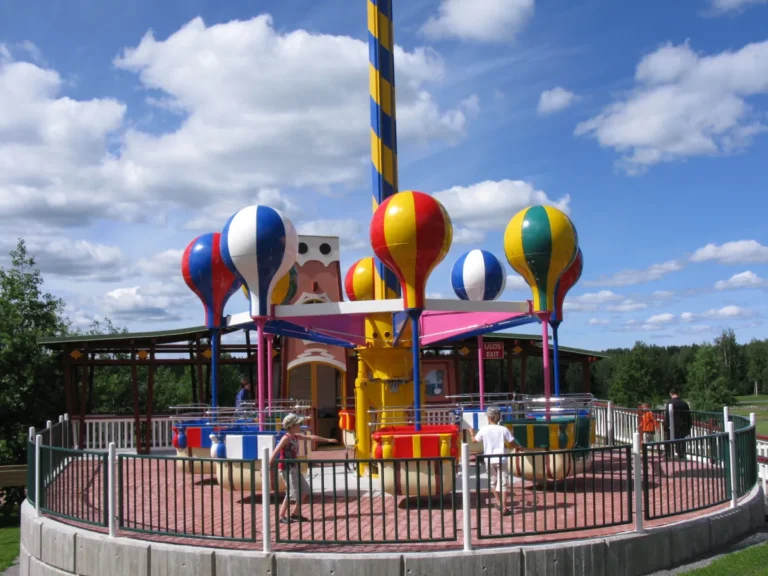
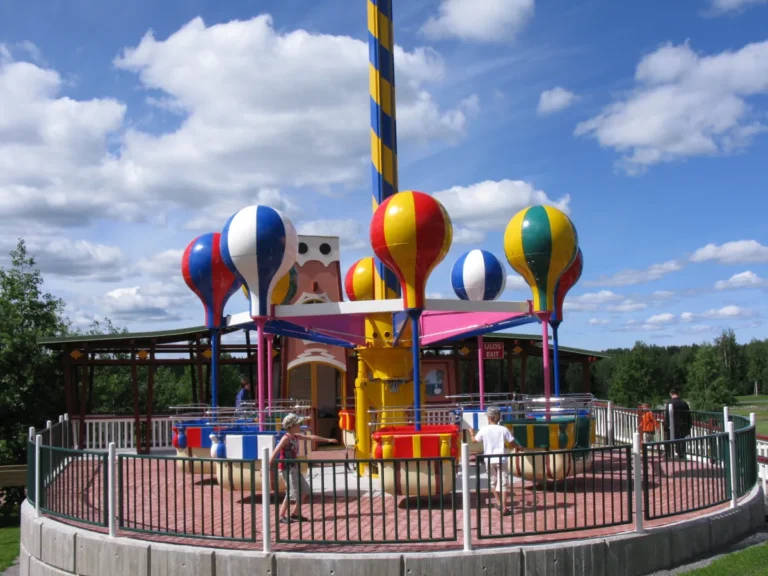
Families with young children usually start in the barns, where kids can watch animals being washed, fed, and shown, and often ask exhibitors questions. The exhibit hall is the quieter stop, full of photography, baking, canning, quilting, and craft entries judged earlier in the week. The midway handles the thrill side of the day with rides and games scaled for a county fair rather than a theme park. Strollers work fine on the main paths but struggle in gravel and barn aisles.
Planning Your Trip to Montgomery County, Iowa
Getting There: Routes into Red Oak and the Fairgrounds
Red Oak is the hub for anyone heading to the fair, with highways converging on town from all directions across southwest Iowa. From there, the fairgrounds are a short drive out into the surrounding countryside. If you are coming from Omaha, Council Bluffs, or the Des Moines area, plan for a road trip measured in hours rather than minutes, and give yourself extra time on the biggest evenings.
Where to Stay Around Montgomery County
Lodging in a county this size is limited, so Red Oak is your first look for motels and guest rentals, with a handful of options in nearby towns. During fair week, rooms fill quickly, and booking well ahead is wise if you plan to stay overnight. Campers and RV owners often make a trip of it, but confirm space and hookups with the fair before you haul anything out.
Parking at the Fairgrounds
Parking is generally on or adjacent to the grounds and handled by volunteers, usually for a modest fee or donation. Arrive before the evening rush if you want a short walk to the gate, and be ready to follow a parking attendant’s directions rather than hunting for a spot on your own. After a rain, low ground can get soft, so stick to marked lanes.
Admission, Wristbands, and What Adds Up
General gate admission is typically free, which is a big part of the fair’s appeal for local families. Your money goes instead to carnival rides, midway games, grandstand tickets, food, and raffles. Ride wristbands or multi-ride deals are common at county fairs and can cut costs for kids who want to spend an hour on the midway. Bring some cash, since not every stand takes a card.
Southwest Iowa Weather and What to Pack
July in southwest Iowa means heat, humidity, and the chance of a fast-moving thunderstorm. Mornings are the most comfortable time to walk the barns. Pack sunscreen, a refillable water bottle, a hat, and insect repellent, and keep a light rain jacket in the car. Evenings can cool off noticeably once the sun drops, so a sweatshirt left in the vehicle is rarely wasted.
A Sample Fair Weekend in Montgomery County
If you have one weekend, use the first morning for the agricultural side. Arrive mid-morning, walk the barns while animals are being groomed, and stop by the exhibit hall before the lunch rush. Grab fair food for lunch, then head out during the hottest hours and come back late afternoon when the light softens and the midway picks up.
Spend the evening at the grandstand, then take a slow loop past the food stands before you leave. On day two, sleep in, come back for the afternoon livestock show you missed, and let the kids loose on the rides. Finish with a plate from a local club stand and a seat near the show ring, which is where the best people-watching happens. If you have a third day, use it for the smaller stuff: the static exhibits, the draft animals, the vendor tents, and conversations with exhibitors who are happy to explain what they brought.
Montgomery County Fair vs. Nearby Southwest Iowa Fairs
Southwest Iowa has no shortage of summer fairs competing for the same weekends. Page County’s fair in Clarinda, Adams County’s fair in Corning, Mills County’s fair in Glenwood, and Cass County’s fair in Atlantic all occupy similar stretches of the calendar, and each has its own loyal following.
Montgomery County’s version leans hardest toward livestock and youth exhibits, with a smaller midway and shorter lines than the larger fairs in the region. If carnival rides and big-name concerts are the priority, a bigger fair may suit you better. If you would rather watch kids show cattle, eat a pork sandwich, and be back at your car before midnight, this fair is the easier fit. Many families simply rotate, visiting a different county fair each week of the summer.
A Practical Checklist for Fair Day in Montgomery County
Before you go, check the schedule for the specific day you plan to visit, since grandstand events and livestock shows are timed and not everything runs every day. Fill the gas tank, load water bottles and sunscreen, and tuck cash in your pocket for food, rides, and parking. Wear closed-toe shoes for gravel, mud, and barn aisles, and skip the sandals. Keep a light jacket in the car for cool evenings, charge your phone, and screenshot the schedule in case signal gets spotty on a crowded night. Leave pets at home unless the fair says otherwise, and if you are meeting family, pick a landmark near the show ring rather than relying on cell service.
Beyond the Fairgrounds: Red Oak and the Rest of Montgomery County
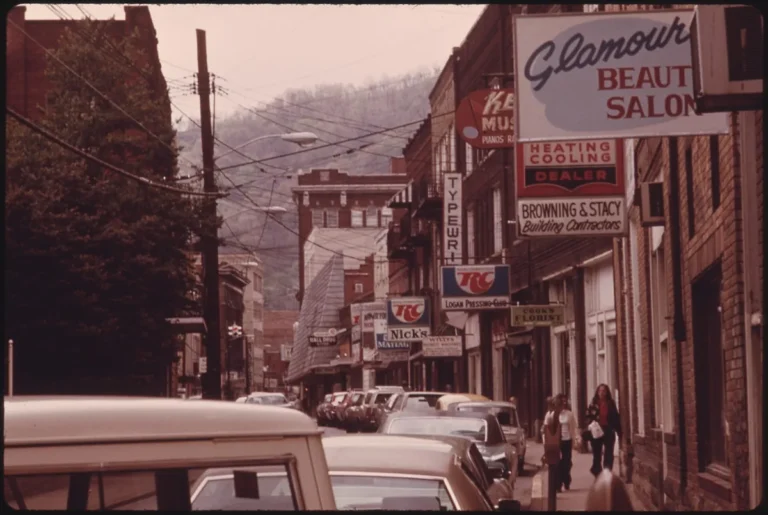
Fair week is a good excuse to see more of the county than the midway. Red Oak, the county seat, has a walkable downtown worth an hour of your time, with locally owned shops and places to eat away from the fried-food circuit. The smaller towns around it, including Villisca, Stanton, and Elliott, each have their own main streets and summer rhythms, and a short drive on county roads shows you why 425.028 square miles of farmland supports this kind of community life.
If you are staying overnight, use a morning to drive the countryside, stop at a small-town cafe, and see the landscape the fair is celebrating. It also gives you a chance to pick up local produce or baked goods that never make it to the fairgrounds.
Why the Fair Still Matters in Montgomery County
In a county of roughly 10,330 people, the fair is one of the few events that brings every corner of the map together. It is where 4-H and FFA members learn to present their work, where volunteers spend months planning for a single week, and where local businesses see one of their busiest stretches of the year. It is also where families who have scattered across the region end up in the same bleachers.
That combination of youth development, agricultural tradition, and plain social glue is hard to replace. The fair is not just entertainment; it is infrastructure for a small county’s sense of itself.
Getting Your Bearings Around Red Oak and the Fairgrounds
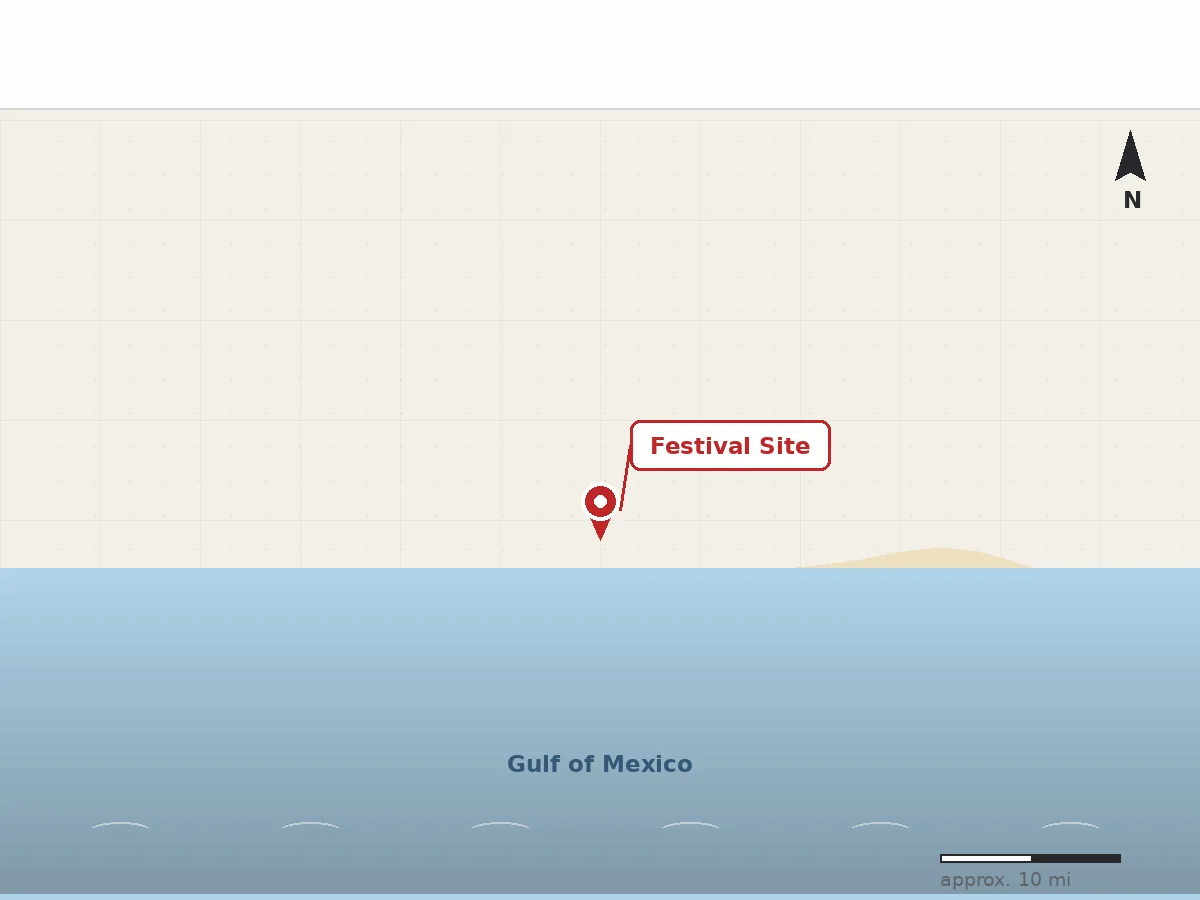
The Montgomery County Fairgrounds sit in the countryside near Red Oak, the county seat, with the town’s highway connections making the drive straightforward from anywhere in southwest Iowa.
Montgomery County Fair Questions, Answered
Is the Montgomery County Fair free to attend?
General gate admission is typically free, which keeps the fair accessible for local families across several days. You should still budget for carnival rides, midway games, food, and certain grandstand events, which are usually ticketed separately. Parking may also carry a small fee or donation.
When does the fair usually take place?
Plan on a summer week, most often in July, which is when county fairs across Iowa traditionally run. The fair spans several days and typically includes a weekend. Confirm the exact week through local listings before you make travel plans, since schedules shift from year to year.
Is the fair a good outing for young children?
Yes. The livestock barns, the exhibit hall, and the midway are all within a short walk of each other, and the scale is manageable for small legs. Bring a stroller if you need one, but expect gravel in places, and plan around the hottest part of the afternoon.
What is the best way to spend an evening at the fair?
Arrive in the late afternoon, eat from the food stands while the lines are short, and then settle in at the grandstand for the night’s event. Afterward, walk the midway once more while the lights are on and the crowd thins. That sequence gets you the food, the entertainment, and the atmosphere without fighting the peak crush at the gate.
The Future of the Montgomery County Fair
Like county fairs across Iowa, this one depends on volunteers, exhibitor numbers, and steady upkeep of buildings and grounds that have served generations. The trends that will shape its future are already visible: continued strength in 4-H and FFA participation, interest in local food and agricultural education, and families looking for affordable summer entertainment close to home.
Expect the fair to keep modernizing in small ways, from scheduling and ticketing to accessibility, while holding on to the traditions that make it recognizable. As long as southwest Iowa families keep entering exhibits and showing livestock, the gates near Red Oak will keep opening each summer.
Last updated: October 2026
For anyone in or passing through southwest Iowa during the summer, the Montgomery County Fair is worth building a day around. It is affordable, walkable, genuinely local, and unhurried in a way that bigger events rarely manage. Check the schedule, bring cash and sunscreen, and give yourself more than one evening, because the fair rewards a slower visit.