Monroe County Iowa 4-H & FFA Fair Festival
For anyone who has never been to a county 4-H and FFA fair, the Monroe County Iowa 4-H & FFA Fair can feel like a small town opening its doors at once. The event belongs to Monroe County, Iowa, a south central county of 434 square miles with Albia as its county seat. The county was founded in 1843 and named for James Monroe, and its 2020 population of 7,577 tells you something important: this is a place where community institutions still matter, where young people’s projects are watched closely, and where a fair is not just a carnival but a yearly measure of local effort. If you are a first-timer, think of this as your orientation.
Monroe County 4-H & FFA Fair: First-Timer’s Snapshot
| Town/Area | Monroe County area, Iowa |
| County | Monroe County, Iowa |
| County Seat | Albia |
| Population | 7,577 (2020 census) |
| Region | South central Iowa |
| Typical Timing | Summer, over multiple days |
| Admission | Typically free; some activities may have separate costs |
| Setting | Rural county fair atmosphere with youth exhibitions and community gathering spaces |
| Features | 4-H and FFA project displays, livestock shows, fair food, family activities |
| Organizer | Monroe County 4-H and FFA youth programs |
What the Monroe County 4-H & FFA Fair Is All About
Monroe County’s 4-H & FFA Fair is, at its core, a youth showcase. It brings together members from across the Monroe County area for exhibits, competitions, and the kind of hands-on learning that happens when a young person raises an animal, builds a project, or prepares a presentation for judging. The fair is also a public event. Families, neighbors, alumni, and curious visitors walk the same grounds, which means you do not need a child in the program to attend. You are there to see the work, eat the food, and understand what rural youth organizations do.
Because the fair is tied to Monroe County, the experience is shaped by the county’s scale. Albia, the county seat, is the civic anchor. The surrounding towns and farmland feed into the fair, so the event has a distinctly local rhythm. You will likely see exhibitors in uniform, parents carrying buckets and brushes, judges with clipboards, and older fairgoers who have been coming for decades. The atmosphere is friendly rather than glossy. That is part of the appeal.
For a first-timer, the best approach is to slow down. Read the exhibit labels. Ask questions when it is appropriate. Watch a showmanship class even if you know nothing about livestock. Visit the static exhibits, where photography, baking, gardening, and craft projects reveal the range of skills young people are learning. The fair is a window into Monroe County’s present and future, and it is easy to enjoy even if your only prior county fair experience is from television.
How Youth Agriculture Grew in Monroe County
Monroe County was founded in 1843, named for James Monroe, and Albia became its county seat. Agriculture shaped the county’s settlement and economy, and youth organizations grew alongside that farming culture. 4-H and FFA fairs became annual opportunities for young people to demonstrate what they had learned. The Monroe County fair carries that tradition forward, though the exact details of its earliest years are less important to a first-time visitor than the living pattern it follows: members enroll, choose projects, work through the year, and bring results to a public fair.
For another look at how a community turns its own traditions into a gathering, see the Monona County Iowa Monona County Fair Festival for a useful comparison.
The fair has likely changed with the times—new classes, new safety standards, new technologies—but the core is constant. It is a countywide classroom with ribbons, barns, and booths. In a county of 7,577 people, that kind of public showcase has real weight. It connects town and country, gives young people a stage, and gives the wider community a reason to gather. If you want to understand Monroe County, start here.
Your First Walk Through the Monroe County 4-H & FFA Fair
What should you actually do when you arrive? Think of the fair as several overlapping events: a livestock show, a project exhibition, a food court, a community reunion, and a family outing. The schedule may vary, but the rhythm is familiar. Start with a walk-through, then decide where to linger.
Fair Food and Local Concessions
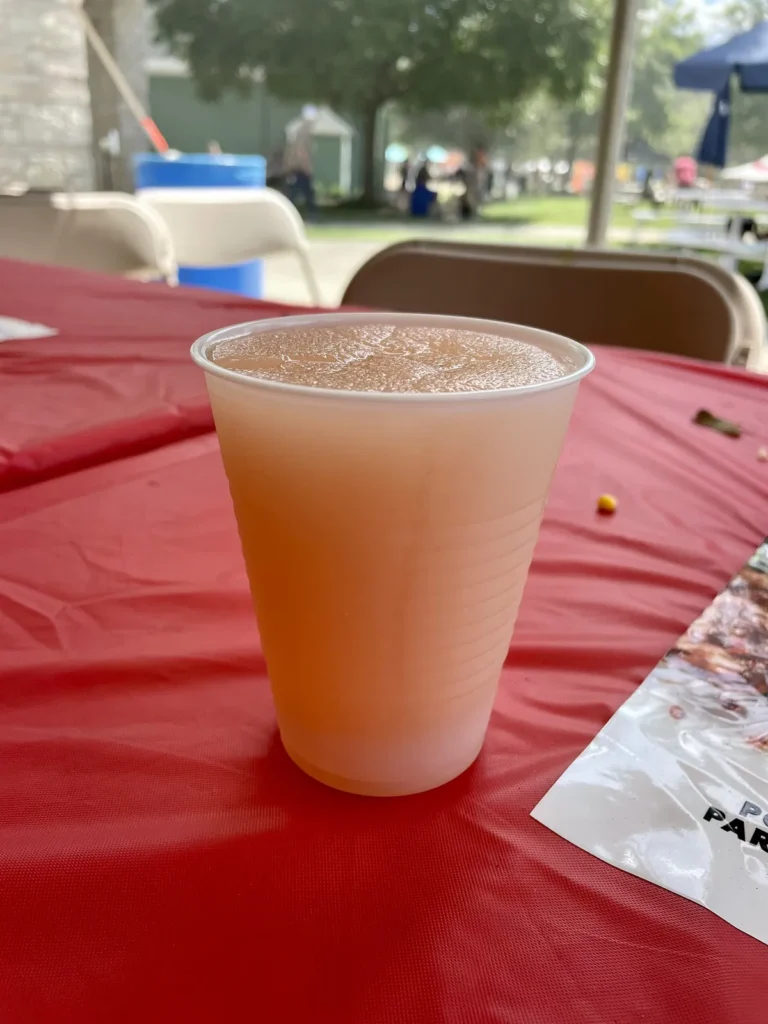
Fair food is part of the ritual. Expect county fair classics—grilled items, fries, funnel cakes, popcorn, lemonade—alongside whatever local groups are serving. Because the fair is tied to youth programs, food stands may be run by clubs or community volunteers. Lines can build around meal times, so eat slightly early or late if you want a shorter wait. Bring cash, even if some vendors accept cards; small fairs sometimes have varying payment setups. If you have dietary restrictions, pack a snack and check what is available before you commit to a full meal.
Entertainment Between the Barns
Entertainment at a 4-H and FFA fair is often homegrown. You might find a talent showcase, a tractor display, a pie auction, a kiddie pedal pull, or music from a local band. The schedule can change year to year, so treat any entertainment as a bonus rather than the main event. The main event is the exhibition itself: livestock shows, project judging, and the buzz around the barns. For first-timers, the most memorable moments often happen between scheduled activities, when you watch a young exhibitor calm an animal or a judge explain a decision.
Family Activities for All Ages
Families will find plenty to do. Younger children enjoy seeing animals, riding rides if available, and participating in age-appropriate contests. Older kids may be inspired by the exhibits and want to know how to join 4-H or FFA. Grandparents often come to watch grandchildren show. The fair is a multi-generational space, and that is part of its charm. Bring strollers if you need them, but be prepared for uneven ground and crowded aisles near the barns. A simple plan—animals first, food second, exhibits third—works well for families with short attention spans.
Planning a Trip to the Monroe County Area Fair
Getting to Albia and the Monroe County Area
Monroe County sits in south central Iowa, with Albia as the county seat. If you are driving in, use Albia as your primary orientation point and follow local signs or the fair’s published directions to the grounds. The county covers 434 square miles, so do not assume every address is a quick hop from the next. Give yourself extra time, especially if you are coming from outside the county. A paper map or downloaded offline map can help in rural areas where cell service may be uneven.
Where to Stay Around Monroe County
Lodging in and around Monroe County is limited compared with larger metro areas. If you are traveling from a distance, book early in Albia or the surrounding area. Some visitors may choose to stay in a nearby larger community and drive in for the day, but keep the rural distance in mind. If you are visiting family or camping, confirm details directly with the property or campground before you rely on availability. For a first-timer, a simple plan—one overnight in or near the county—makes the fair feel less rushed.
Parking and Fairground Logistics
Parking at county fairs is usually on or near the grounds, often in grass or gravel lots. Follow volunteers’ directions, park where indicated, and expect some walking. Wear shoes you do not mind getting dusty. If you have mobility concerns, ask about accessible parking when you arrive. Keep your vehicle locked and take valuables with you. Because the fair is a community event, parking may be free, but have a little cash just in case a donation or separate lot fee applies.
Admission, Tickets, and What Costs Extra
Admission to the Monroe County 4-H & FFA Fair is typically free, though some activities, food, rides, or special events may have separate costs. That is common at county fairs. Do not expect a single all-inclusive ticket unless the fair publishes one. Bring small bills for food, raffles, and vendor purchases. If you are budgeting, decide in advance what you want to spend on food and entertainment, then treat the exhibits as the free centerpiece.
Weather and What to Wear
Iowa summers can be hot, humid, and stormy. Dress in light layers, wear comfortable closed-toe shoes, and bring sunscreen, a hat, and a refillable water bottle. A rain jacket or compact umbrella is wise if showers are in the forecast. Barns and exhibit halls may be warmer or cooler than outside, so layers help. If severe weather threatens, follow fair officials’ instructions immediately. The fair is an outdoor event, and conditions can change quickly.
A Sample First-Timer’s Weekend at the Monroe County 4-H & FFA Fair
This sample assumes a multi-day summer fair. Adjust it to the year’s published schedule.
First Evening: Arrive, Eat, and Orient Yourself
Arrive in the late afternoon, park, and pick up a fair program if one is available. Walk the grounds once without a strict agenda. Find the barns, the exhibit hall, the food row, and the restrooms. Eat something simple. Watch a few minutes of a show or class. This low-pressure pass helps you understand the layout before you get tired.
First Full Day: Livestock, Exhibits, and Local Rhythm
Start with the livestock areas while animals are being groomed and fed. Watch a showmanship class. Then move to static exhibits—photography, baking, crafts, gardening, and more. Break for lunch during a less busy window. In the afternoon, attend a demonstration, auction, or entertainment set. Talk to exhibitors when they are not preparing for a class. End the day with fair food and a slow walk past the barns as the lights come on.
Final Morning: Projects, Goodbyes, and One More Walk
Return early for a quieter look at the exhibits. Check any results or ribbons posted from the previous day. Visit the areas you missed. Buy a treat from a local group. Before you leave, thank a volunteer or exhibitor if you had a good conversation. That small gesture is part of the fair culture.
How Monroe’s Fair Compares with Nearby South Central Iowa Options
Compared with larger regional fairs in south central Iowa, the Monroe County 4-H & FFA Fair is smaller, more youth-centered, and less commercial. That is not a drawback. It means you can see the whole fair in a day or two, talk to exhibitors, and feel the county’s 7,577-person scale. Compared with a single-day town celebration, it has more depth: multiple days of judging, exhibits, and livestock events. Compared with a big state fair, it is easier to navigate and more personal. Visitors who want a broader trip can use Albia as a base and explore the surrounding Monroe County area, where the county seat, rural roads, and small communities give context to the fair. If you are choosing between events, pick Monroe when you want authenticity over spectacle.
First-Timer’s Checklist for the Monroe County Fair
Before you go, confirm the year’s schedule and location through local fair listings. Pack sunscreen, a hat, water, comfortable shoes, and a light rain layer. Bring cash and a card. Charge your phone. Set a meeting point if you are with a group. Check the weather. Know the fair’s pet policy before bringing a dog. Leave coolers and alcohol at home unless the fair says otherwise. Plan for heat and dust. Ask before photographing exhibitors up close, especially minors. Follow posted rules around animals. Keep an eye on children near livestock. Have a simple exit plan for storms. Most of all, leave room for an unplanned conversation—that is often the best part of a county fair.
Beyond the Fair: Albia and the Monroe County Landscape
Albia is the county seat and the natural starting point for any visit to Monroe County. The county was founded in 1843 and named for James Monroe, and its 434 square miles are part of south central Iowa’s farm country. Beyond the fair, take time to drive the rural roads and see the landscape that supports 4-H and FFA projects. The county’s population of 7,577 means you will not find big-city attractions, but you will find a slower pace and a strong sense of place. If you are interested in local history, the county’s founding and its county seat give you a frame for understanding the area. Support local businesses where you can. Fill your gas tank before long rural drives. And remember that the fair is not separate from the community—it is one of the clearest expressions of it.
Why This Youth Fair Matters in Monroe County
In a county with 7,577 residents, institutions that bring people together matter. The Monroe County 4-H & FFA Fair does that by putting young people at the center. It teaches responsibility, animal care, public speaking, craftsmanship, and record-keeping. It gives families a shared project. It gives neighbors a place to reconnect. It gives local businesses and organizations a chance to support the next generation. For visitors, the fair is entertainment. For Monroe County, it is a yearly check-in on the values that hold rural communities together: work, learning, and community. That is why a first visit often turns into a tradition.
Where to Find the Monroe County 4-H & FFA Fair
The Monroe County Iowa 4-H & FFA Fair takes place in the Monroe County area of south central Iowa, with Albia as the county seat and primary orientation point.
Monroe County Fair Questions from First-Time Visitors
Is the Monroe County 4-H & FFA Fair free to attend?
Admission is typically free, though food, rides, raffles, and some special activities may cost extra. Bring a little cash and check the fair’s current information for any changes.
When is the fair usually held?
The fair is typically a summer event, often spread over multiple days. Because schedules can shift from year to year, confirm the season and dates through local fair listings before you travel.
Do I need to be involved in 4-H or FFA to go?
No. The fair is open to the public and designed to showcase youth work for the whole community. You can simply attend, watch, eat, and learn.
What should I bring to the fair?
Comfortable shoes, water, sunscreen, a hat, and a light rain layer are good basics. Cash is useful, and a charged phone helps for photos and meeting up with your group.
What’s Ahead for the Monroe County 4-H & FFA Fair
The fair’s future will likely continue to depend on the same things that have sustained it: young people, volunteers, families, and community support. As Monroe County changes, the fair can remain a place where agriculture, education, and local identity meet. First-time visitors can help by showing up, being curious, and respecting the work on display. Whether you come for the livestock, the food, the exhibits, or simply to understand rural Iowa a little better, the Monroe County 4-H & FFA Fair offers a grounded, genuine experience. Check local listings for the current year’s schedule, then make the drive to Albia and the surrounding county. Last updated: October 2026
Monroe County’s 4-H & FFA Fair is not the biggest event in Iowa, and it does not try to be. It is a county fair in the best sense: local, useful, and full of people who care about what they are building. Go with an open mind, comfortable shoes, and enough time to linger. You may arrive as a first-timer, but you will leave with a clearer picture of Monroe County, Iowa—and a good reason to come back.
One Comment