Monona County Iowa Monona County Fair Festival
Monona County spreads across 699 square miles of western Iowa, a patchwork of Loess Hills bluffs, Missouri River bottomland and corn-and-bean fields, and for a few days each summer the Monona County Fair turns a corner of that landscape into the busiest place in the county. Founded in 1851, with Onawa as its county seat, Monona County counted 8,751 residents in the 2020 census — small enough that the fair feels like a reunion, large enough that there is always a new face in the food line.
This is a fair where the food tells the story. A county this size does not support a dozen restaurants worth of variety, so the fairgrounds become a temporary kitchen: beef from local herds, pies from kitchen tables, sweet corn, funnel cakes, and the kind of hand-held meals that taste better eaten standing up. Come hungry, bring cash, and plan to eat something you did not expect to find in rural Iowa.
Monona County Fair Essentials for a Food-First Visit
| Town / area | The Monona County area, western Iowa |
| County | Monona County, Iowa |
| County seat | Onawa |
| Population | 8,751 (2020 census) |
| Region | Western Iowa, Loess Hills and Missouri River valley |
| Typical timing | A summer weekend, most often in July |
| Admission | Grounds admission is typically free; individual vendors set their own prices |
| Setting | Rural fairgrounds ringed by farmland and Loess Hills bluffs |
| Features | Livestock shows, youth project exhibits, food stands, grandstand entertainment |
| Organizer | A volunteer fair board supported by local agricultural organizations |
Inside the Fair: What Makes Monona County’s Summer Gathering Tick
The Monona County Fair is a classic Iowa county fair with a distinctly local accent. It is volunteer-run, built around youth livestock shows and static project exhibits, and sized so that you can walk the whole grounds in an afternoon without missing anything. Exhibit halls fill with canned goods, quilts, photographs, garden produce and school art. Outside, show rings host cattle, swine, sheep and smaller animals, while families claim spots along the fence with folding chairs and coolers.
What separates a good county fair from a forgettable one is usually the food, and that is where Monona County delivers. Because the county is rural and the population is modest, the stands here are staffed by people who actually live in the area — church groups, booster clubs, farm families — and the menus reflect that. You are not eating at a chain concession; you are eating at a fundraiser that happens to be delicious.

From 1851 County Roots to a Summer Weekend Tradition
Monona County was founded in 1851, carved out of the rolling land along the Missouri River at a time when western Iowa was still being settled and mapped. Onawa became the county seat, and the surrounding countryside filled with farms. In that era, county fairs across Iowa grew out of agricultural societies that wanted a place to compare livestock, swap seed and seed stock, and show off what a season of work had produced.
For another look at how a community turns its own traditions into a gathering, see the Mitchell County Kansas Mitchell County Fair Festival for a useful comparison.
The Monona County Fair belongs to that long tradition. Its shape has shifted over the generations — exhibit halls replaced open-air displays, grandstands were rebuilt, youth programs like 4-H and FFA became the center of gravity — but the underlying purpose has stayed remarkably stable. A county fair is an annual audit of a place: what grew, what was raised, what was baked, and who showed up to help.
Through droughts, hard winters, depressions and the slow thinning of rural populations, the fair has persisted because it does something no digital channel can. It puts neighbors in the same gravel lot on the same weekend, with a paper plate in one hand and a ribbon list in the other. That continuity is the real history here, and it is written in the food lines as much as in the record books.
On the Grounds: A Taste-First Tour of the Monona County Fair
Fair Food Worth the Drive from Onawa and Beyond
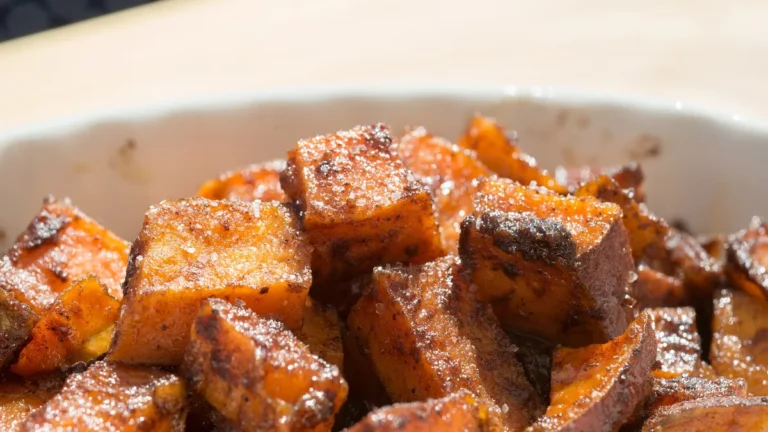
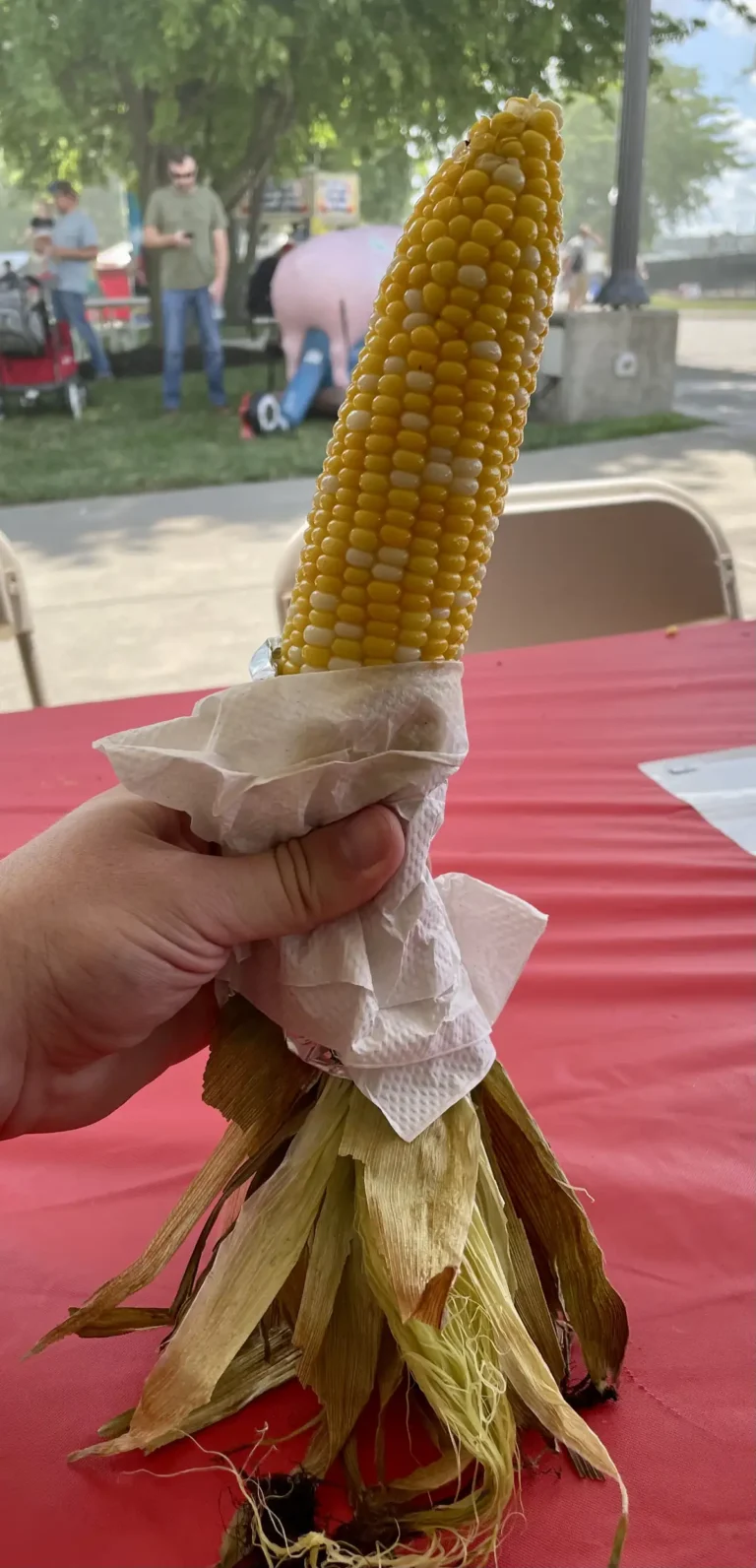
Start with the savory side. County fair beef stands are a western Iowa staple, and Monona County is cattle country, so expect burgers, hot beef sandwiches and grilled items that come off the trailer hot and fast. Add pork producers’ sandwiches, walking tacos, loaded fries, corn dogs and nachos, and you have the core of the menu. Sweet corn, when it is in season locally, is often the best-value item on the grounds.
Then work toward the sweet end. Church and civic group stands typically sell pie by the slice, bars, cookies, cinnamon rolls and ice cream, often made by the same volunteers year after year. Funnel cakes, elephant ears and lemonade shake-ups round out the midway side of things. Portions are generous and prices are modest, which means the smart move is to graze across several stands rather than commit to one big meal.
Grandstand Nights and Local Entertainment in Monona County
Evenings at the fair tend to revolve around the grandstand, where the lineup usually mixes motorized events, livestock auctions and live music. Local and regional bands are the norm, along with talent from nearby towns and school groups. The scale is intimate — you will likely recognize someone on stage — and that is part of the appeal. Arrive early enough to claim a seat, and expect the crowd to build as the sun drops behind the bluffs.
Family Activities Across the Fairgrounds
For families, the fair is refreshingly low-pressure. Kids can watch the livestock shows, visit the small animal barns, compete in or cheer on youth events, and browse the exhibit halls where their classmates’ projects are displayed. Carnival rides and games, where present, are usually compact and kid-scaled. There is space to run, shade to sit in, and no pressure to buy an all-day wristband to have a good time.
Planning a Monona County Fair Weekend
Getting to the Monona County Fairgrounds
The fairgrounds sit within Monona County, reachable by county and state roads that thread through Onawa and the surrounding farm towns. If you are coming from Sioux City or the Omaha metro, plan on a straightforward drive across western Iowa with the Loess Hills on the horizon. Cell service can be patchy in the river valley, so download your directions before you leave.
Where to Stay Near Onawa and Monona County
Lodging in the county is limited, and Onawa has the largest concentration of options, including motels and a campground near the river. Many fairgoers instead stay in Sioux City, Denison or the Omaha area and drive in for the day. If you want to camp, check ahead — fair week fills local sites quickly, and the most comfortable option is often booking well in advance.
Parking and Getting Around the Grounds
Parking at county fairs is usually a grassy field with volunteer attendants and a modest suggested donation. Arrive before the evening grandstand event if you want a short walk, and wear shoes you do not mind getting dusty. Once inside, everything is walkable — the grounds are compact, and the distances between the food row, exhibit buildings and the show ring are short.
Admission, Costs and Cash
Grounds admission at the Monona County Fair is typically free, which makes it an easy outing for a family on a budget. Individual vendors, carnival operators and some grandstand events set their own prices, so bring cash — many stands are small operations and card readers can be unreliable in a field. Set a food budget, then add a little extra; you will use it.
Western Iowa Weather and What to Wear
Mid-summer in Monona County means heat, humidity and the occasional fast-moving thunderstorm. Dress in light layers, bring a hat, and carry more water than you think you need. Evenings cool off nicely on the bluffs, so a light jacket in the car is smart. If storms roll in, fair boards typically pause activities and resume when it is safe.
A Sample Saturday at the Monona County Fair
Arrive mid-morning and start in the exhibit halls while the day is still cool. This is the quiet hour — volunteers are restocking, judges are finishing up, and you can see the quilts, canned goods, photographs and garden entries without a crowd. Grab coffee and a cinnamon roll from a stand on your way out.
By late morning, head to the barns and show rings. Livestock shows are the heartbeat of the fair, and watching young exhibitors work with their animals is genuinely absorbing. This is also a good time to eat your first real meal: a beef sandwich, sweet corn and a lemonade shake-up, eaten at a picnic table in the shade.
Spend the afternoon drifting. Browse the commercial booths, let kids ride and play, and circle back to the food row for a walking taco or loaded fries. Find a seat near the grandstand before the evening program begins, and stay for the main event. Finish the night with pie and ice cream as the lights come on and the crowd thins out — the best ten minutes of the whole fair.
How the Monona County Fair Compares to Nearby Celebrations
Neighboring county fairs in Harrison, Crawford, Ida and Woodbury counties follow a similar rhythm — livestock, exhibits, grandstand nights and food — but the larger the county, the more commercial the experience becomes. Monona County’s fair stays small and volunteer-driven, which means shorter lines, lower prices and a stronger sense of who is cooking your food.
Compare it instead to a town celebration like Onawa’s community events or the riverfront gatherings along the Missouri. Those lean toward parades, vendors and entertainment. The county fair leans agricultural: the schedule is built around shows, auctions and exhibits, and the food follows that lead. If you want the most authentic taste of Monona County in one afternoon, the fairgrounds beat any single restaurant in the area.
Monona County Fair Packing and Prep Checklist
Bring cash in small bills, a refillable water bottle, sunscreen, hats and sunglasses. Pack folding chairs or a blanket for the grandstand, plus a light jacket for the evening. Wear closed-toe shoes that can handle grass, gravel and dust. Charge your phone and download offline maps. If you have kids, add wipes, hand sanitizer and a spare shirt. Finally, check the fair’s schedule before you drive out, since daily lineups vary and the best food stands sometimes sell out early.
Beyond the Fairgrounds: Onawa and the Loess Hills
Build extra time around the fair to see why this corner of Iowa is worth the trip. Onawa, the county seat, is a small river town with a walkable main street and easy access to the Missouri River. The Loess Hills, those steep wind-deposited ridges that define western Iowa, run along the county’s western edge and offer prairie views, hiking and some of the best sunset light in the state.
Outdoor travelers can combine a fair visit with river fishing, birding or a drive along the bluffs. History-minded visitors will find local markers and small museums in the area that tell the story of a county founded in 1851 and shaped by steamboats, railroads and farming. And if you are still hungry after the fair, the small-town cafes around Monona County serve a version of the same cooking you just ate off a paper plate.
What the Fair Means to Monona County
In a county of 8,751 people spread over 699 square miles, the fair is one of the few events that gathers the whole place at once. It is where scholarships are handed out, where young exhibitors learn to speak confidently about their animals, and where older residents measure the years by who is showing livestock now versus who showed it decades ago.
It is also an economic and social anchor for local agriculture, giving producers a showcase and youth programs a public stage. But the significance is simpler than that. The Monona County Fair is a promise that the community will keep showing up — for the pie stand, for the grandstand, for each other. That is worth more than any single weekend’s receipts.
Where the Monona County Fair Sits in Western Iowa
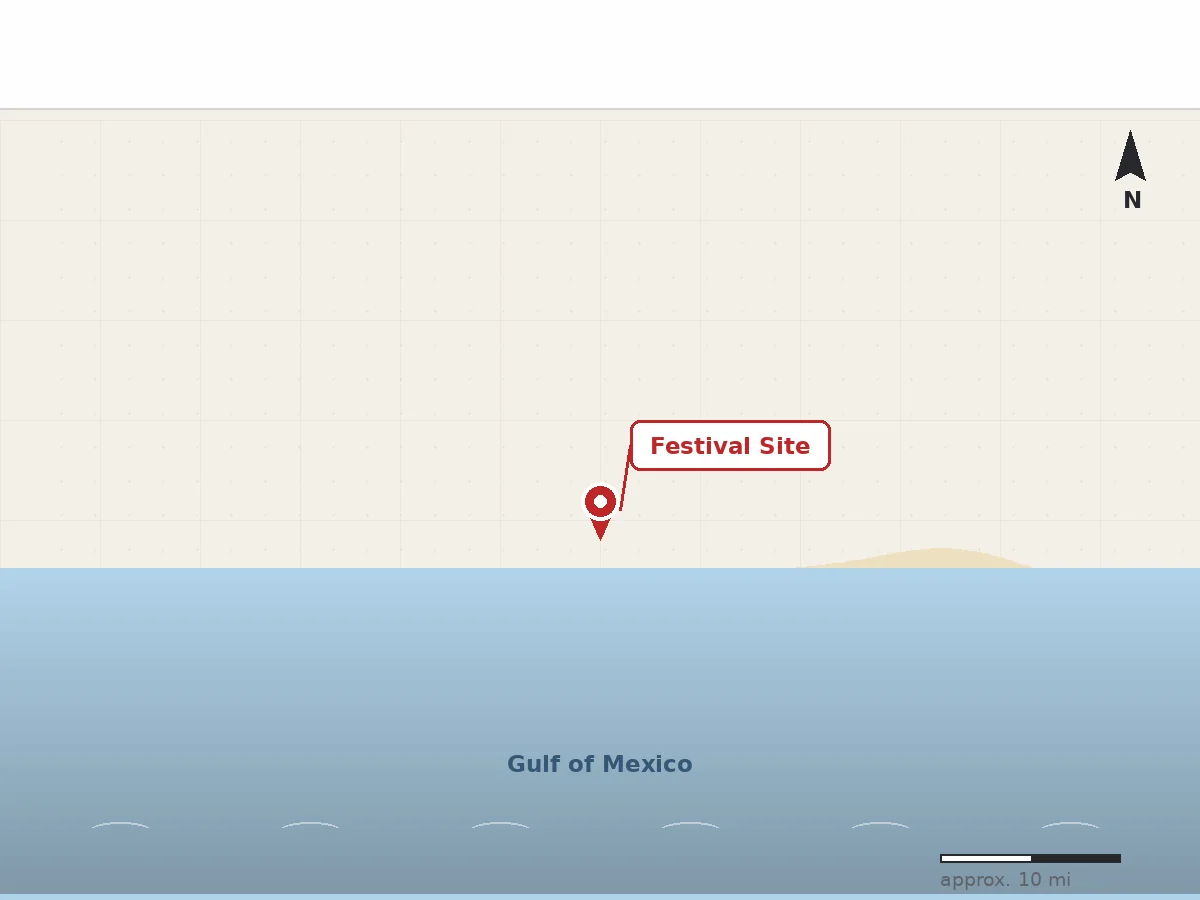
The fair takes place within Monona County in western Iowa, with Onawa serving as the county seat and the main reference point for visitors arriving from the surrounding region.
Monona County Fair Questions, Answered
Is there an admission charge to get onto the fairgrounds?
Grounds admission is typically free at the Monona County Fair. Individual vendors, carnival operators and some grandstand events set their own prices, so plan to carry cash for food, games and evening entertainment.
What kind of food should I expect at the fair?
Expect classic county fair fare with a strong local hand: beef sandwiches and burgers, pork producers’ stands, walking tacos, loaded fries, corn dogs, funnel cakes, homemade pie, bars, cookies and ice cream. Many stands are run by church groups, booster clubs and farm families as fundraisers, which is why the food tastes homemade rather than mass-produced.
Is the Monona County Fair good for young children?
Yes. The grounds are compact and easy to walk, the atmosphere is relaxed, and there are livestock barns, exhibit halls and family-oriented activities throughout the day. Strollers handle the main paths well, though grass and gravel sections can be bumpy after rain.
How do I find out the exact dates each year?
The fair is held on a summer weekend, most often in July, and the schedule shifts slightly from year to year. Check the fair’s official listings and local Monona County announcements closer to summer for the confirmed dates and daily lineup.
Looking Ahead to Future Monona County Fairs
The future of the Monona County Fair depends on the same things it always has: volunteers, young exhibitors and a community willing to spend a summer weekend on the grounds. County fairs across Iowa are adapting by adding new entertainment, improving facilities and leaning into food and youth programming, and Monona County is part of that evolution.
What will not change is the formula that works here. Small, local, affordable and genuinely friendly — a fair where you can eat three courses from three different stands and still have money left for pie. As long as the county keeps showing up, the fair will keep the lights on over the food row.
Last updated: October 2026
If you only have one afternoon to understand Monona County, spend it at the fair. Walk the barns, read the exhibit tags, stand in the food line, and sit in the grandstand as the sky turns pink over the Loess Hills. You will leave full — of beef sandwiches, pie and a very specific sense of what small-town western Iowa still does better than almost anywhere.