Linn County Kansas Linn County Fair and Rodeo Festival
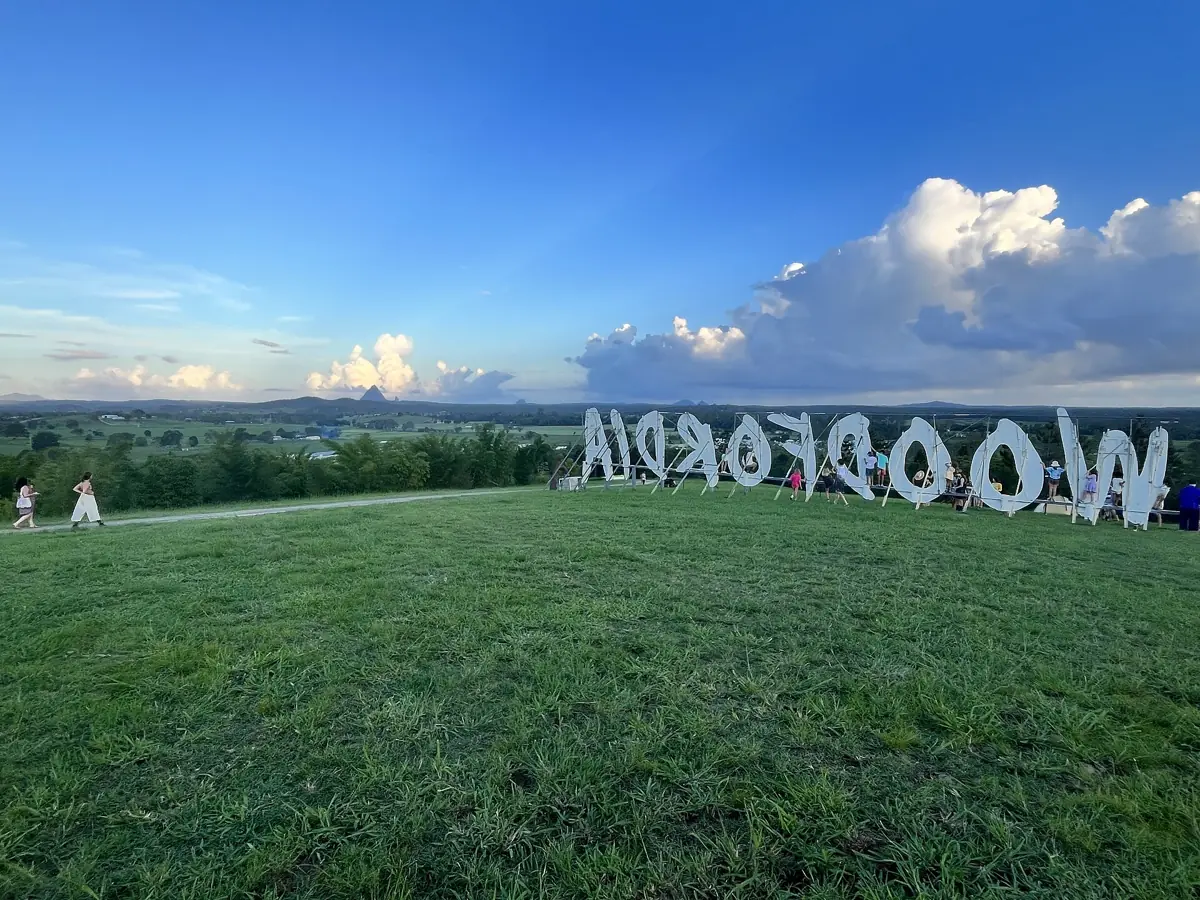
Driving into the Linn County area on a summer weekend, the first thing a newcomer notices is how much of the county is still working land — 606 square miles of pasture, crop fields and gravel roads fanning out around Mound City, the county seat. The Linn County Fair and Rodeo sits squarely in that landscape: a small-town fair with a rodeo at its center, where the grandstand fills up at dusk and the smell of the fryer drifts across the grounds.
This is a first-timer’s orientation rather than a schedule. Dates shift from year to year, so think of what follows as a way to understand the shape of the weekend — what the fair is, how a day there tends to unfold, where to park, what to bring, and how to fold the rest of Linn County into your trip.
Linn County Fair and Rodeo Essentials
| Town / area | Linn County area, Kansas |
| County | Linn County, Kansas |
| County seat | Mound City |
| Population | 9,591 (2020 census) |
| County land area | 606 square miles |
| County founded | February 26, 1867; named for Lewis Linn |
| Typical timing | A summer weekend |
| Admission | Generally free to enter the grounds; rides and some events sold separately |
| Signature features | Rodeo events, livestock shows and exhibits, carnival rides, fair food |
| Organizer | Local volunteers and county fair supporters |
Introducing the Linn County Fair and Rodeo
The Linn County Fair and Rodeo is the county’s annual gathering — part livestock showcase, part rodeo, part reunion. Linn County is small: 9,591 people at the 2020 census spread across 606 square miles, which works out to a lot of open country and a handful of towns. A fair in a county that size is not an anonymous event. The kids showing goats in the barn are somebody’s neighbors. The announcer probably knows half the arena.
For a visitor, that intimacy is the appeal. There is no long walk from a distant parking lot through a gate into a corporate midway; you arrive, you’re in it, and within ten minutes you’ve seen the barns, the exhibit hall, the food trailers and the arena. The rodeo anchors the weekend, but everything around it — the entries, the booths, the contests, the volunteers working the gate — is what makes the event feel like Linn County rather than a traveling carnival.
Expect a relaxed pace during daylight and a fuller grandstand in the evening. Expect cash-friendly food stands, folding chairs, and people who will happily tell you where to find the best pie.
For another look at how a community turns its own traditions into a gathering, see the Linn County Iowa Linn County Fair Festival for a useful comparison.
How the Linn County Fair and Rodeo Grew Into a County Tradition
Kansas county fairs as an institution took hold in the decades after the Civil War, and Linn County — organized on February 26, 1867 and named for Lewis Linn — was part of that wave. In a farming county, the fair began as a practical exercise: a place to compare seed, stock and equipment, and to hand out ribbons for the year’s best work.
Over the generations, the emphasis broadened. Rodeo became the marquee attraction it is across rural Kansas, livestock shows tightened their focus on youth programs, and exhibit halls filled with everything from photography to preserves. What has stayed constant is the purpose: an annual showcase for the work of farm families and a reason for a scattered county to gather in one place.
That continuity is the point. In a county of 606 square miles, a fair only survives if people keep showing up, entering exhibits, volunteering at the gate and buying raffle tickets. The Linn County Fair and Rodeo has done exactly that, year after year, which is why a first-time visitor walks into something that feels established rather than assembled.
What a First-Timer Notices at the Linn County Fairgrounds
The grounds are compact, and the whole event reads in a single loop: barns on one side, exhibit hall and vendor row in the middle, arena and grandstand anchoring the evening. Here is what tends to stand out.
Food: Funnel Cake, Fry Bread and Fundraiser Stands
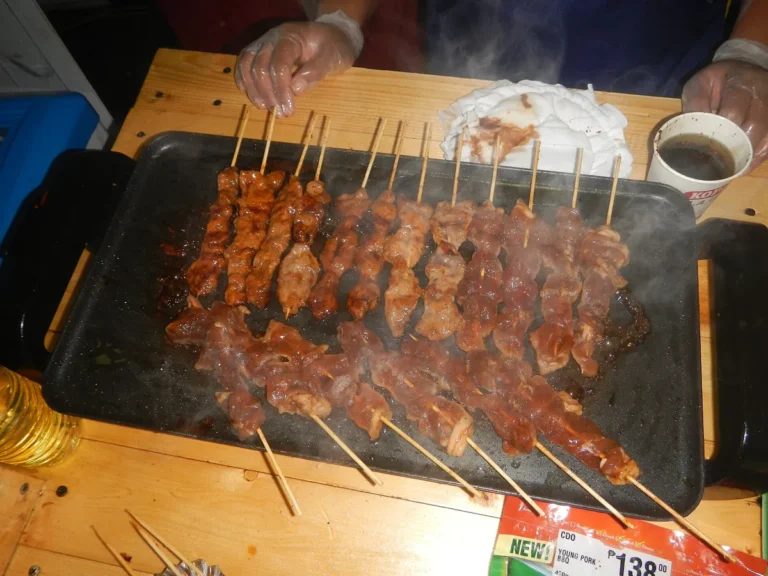
Fair food is the through-line of the day — funnel cakes, corn dogs, fry bread, burgers, nachos, cinnamon rolls, lemonade, and the kind of pie and cobbler that shows up at church suppers. Local organizations often run stands as fundraisers, which is part of the charm: your corn dog may be paying for a 4-H project or a piece of equipment for a volunteer crew. Portions are generous and prices are fairground-normal. Lines move fastest before the rodeo starts and again at intermission, so eat early if you want a seat, or late if you want the shortest queue.
Entertainment: Rodeo Action and Grandstand Evenings
The rodeo is the headline. Expect a program of traditional events — bareback and saddle bronc riding, steer wrestling, team roping, barrel racing and bull riding — with an announcer working the crowd and a grandstand that knows when to holler. Live music and other entertainment are common fairground additions, though lineups change from year to year, so check what is scheduled before you build an evening around it. Between events, the midway and vendor row keep things moving.
Family Activities: Barns, Exhibits and the Midway
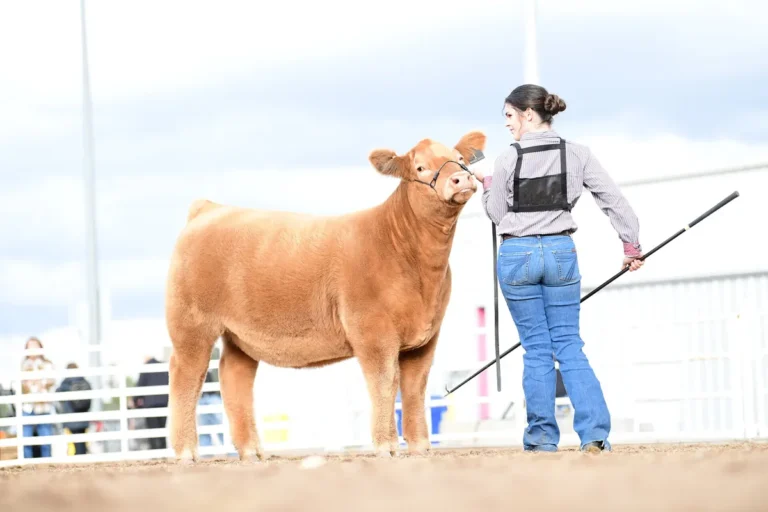
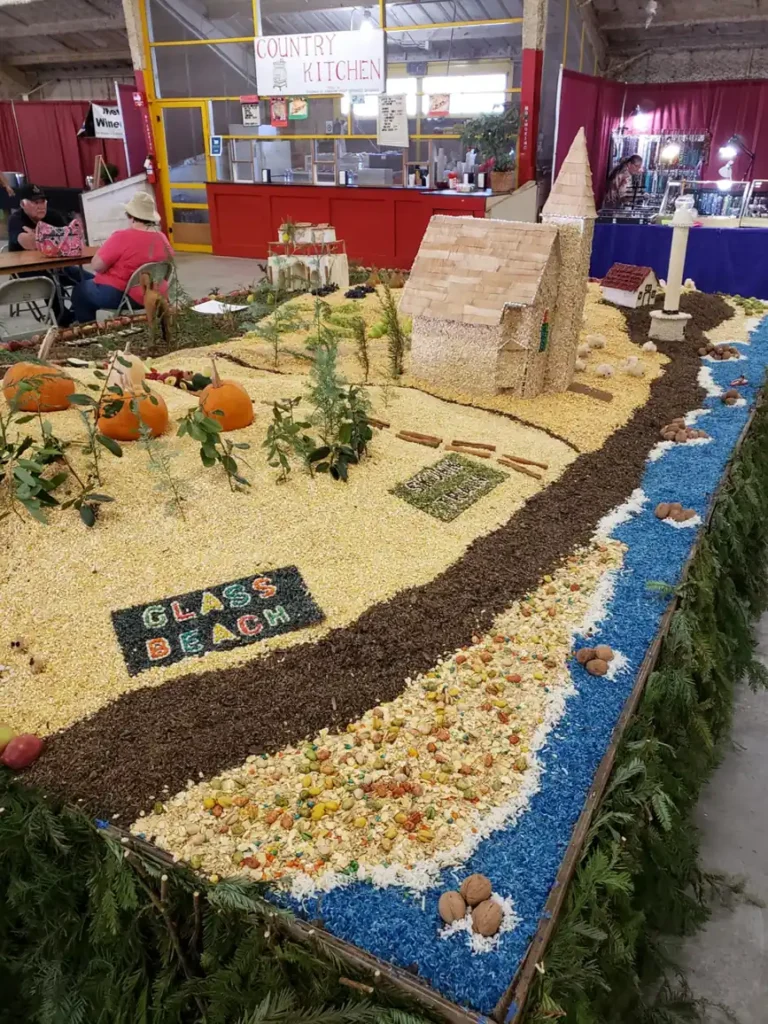
This is a genuinely family-friendly fair. Kids gravitate to the livestock barns, where poultry, rabbits, goats, sheep, swine and cattle are on display, and to the exhibit hall, where youth and open-class entries cover everything from photography to canned peaches. Carnival rides and games fill the midway, and children’s activities usually run during daylight hours. Strollers work fine on the main paths; barn aisles are narrower. Restrooms are typically portable units plus facilities near the main buildings.
Planning a First Visit to the Linn County Fair and Rodeo
Getting to Mound City and the Fairgrounds
Linn County sits in southeast Kansas, and Mound City is both the county seat and the practical reference point for anyone navigating to the fair. Most visitors arrive by car on state and county highways, and there is no transit to plan around. Treat the last stretch as part of the trip — it is farmland, and signs for the fairgrounds tend to appear as you near town. A downloaded map helps, because cell coverage in rural stretches can be spotty.
Where to Stay Around Linn County
Lodging in a county of 9,591 people is limited. Options cluster in the small towns and in larger communities within driving distance, and plenty of fairgoers simply come in for the day or stay with friends and family. If you want a room overnight, book early — fair weekend is one of the few times the area fills up. Campers and RV owners generally look at campgrounds within a reasonable drive of the grounds.
Parking Near the Fairgrounds
Expect field parking and volunteer-directed lots, with the closest spaces going early. Arrive before the evening rodeo performance if you want a short walk, and mid-afternoon if you want the easiest exit. Follow the directions of the people waving you in, watch for soft ground after rain, and note a landmark near your car — fairground fields look alike after dark.
Admission, Rides and What Costs Extra
Fairs of this kind are typically free to enter, with money changing hands inside — for rides, food, raffle tickets and the rodeo. Bring cash in small bills. Card readers are increasingly common at food trailers but not universal, and an ATM may not be close by. Set a rough budget per person before you walk in and the evening gets more relaxed.
Summer Weather and What to Wear
Fair season in southeast Kansas means heat, humidity and the chance of an afternoon thunderstorm. Dress light, wear closed-toe shoes for the barns and gravel, and bring a hat, sunscreen and a refillable water bottle. A grandstand evening can turn cool after sunset, so a light layer in the car is worth having. If storms threaten, programs usually pause rather than cancel — ask at the gate.
A Sample Fair Weekend in and Around Mound City
Friday afternoon: Arrive mid-afternoon, park in the field lots, and walk the barns and exhibit hall while it is quiet. Eat an early dinner from a food trailer, then claim grandstand seats before the rodeo.
Friday evening: Watch the rodeo from start to finish, then wander the midway after the crowd thins. If you are staying nearby, this is the easiest night to linger.
Saturday morning: Come back for livestock shows and the calmest hours of the fair. This is when the exhibit hall is most pleasant and animals are being groomed.
Saturday midday: Lunch at the fair, catch any daytime contests or demonstrations, and let kids burn energy on the rides through the early afternoon.
Saturday evening: The final rodeo performance and the biggest crowd of the weekend. Arrive early, stay for the last event, and slip out just before the final rush if you want a clean exit from the parking field.
Sunday: Some years the fair wraps on Saturday; when there is a Sunday program, it is usually the quietest stretch of the weekend and a good time for one slow walk-through before heading home.
How the Linn County Fair Compares to Nearby Fairs and Towns
Visitors who enjoy this fair often build a summer around several small ones. Within Linn County, communities such as Pleasanton and La Cygne give you other stops for a meal or a scenic drive, while Mound City — the county seat — is the natural base. Farther out, southeast Kansas county seats run their own fairs on similar summer weekends, usually with the same ingredients: livestock, a rodeo or demolition derby, food trailers and a grandstand.
What sets the Linn County version apart is scale. It is small enough to walk in an afternoon, yet the rodeo still draws a real crowd and a real arena. If you are choosing between fairs, pick this one for the rodeo and the county-seat setting rather than for a sprawling midway.
First-Timer Prep List for the Linn County Fair and Rodeo
| Bring this | Because |
| Cash in small bills | Food trailers, raffles and entry donations |
| Sunscreen, hat, water bottle | Limited shade on the grounds |
| Closed-toe shoes | Gravel, barn aisles and parking fields |
| A light layer | Grandstands cool off after sunset |
| Folding chairs or a blanket | Extra seating near the arena |
| Charged phone or camera | Barns, exhibits and rodeo action |
| Hand wipes | Barns, rides and portable restrooms |
Beyond the Fairgrounds: Mound City and the Linn County Area
Mound City, the county seat, is worth an hour of your time — a small Kansas town with local businesses and the kind of quiet that makes a fair weekend feel like a genuine trip rather than a single stop. The wider county spreads across 606 square miles of farmland and small communities, and simply driving the county roads between towns is a pleasant way to spend a morning.
Fill the tank before you leave the main highways; services thin out quickly once you are out among the fields. If you are making a weekend of it, plan your meals around the fair and use daylight hours for slow drives and small-town stops.
What the Fair and Rodeo Mean to Linn County
In a county of 9,591 people, the fair is one of the few events that pulls everyone to the same place at the same time. It is a showcase for the work of farm families, a fundraiser for local organizations, a reunion for people who moved away, and — for the kids who spend months preparing an animal or an exhibit — the biggest week of their summer.
The rodeo adds adrenaline, but the fair’s real function is social: it keeps a scattered county in touch with itself. That is the part a visitor cannot get from a bigger, glossier event.
Linn County Fair and Rodeo: Location Notes
The Linn County Fair and Rodeo takes place in the Linn County area of southeast Kansas, with Mound City — the county seat — as the practical reference point for anyone navigating there.
Linn County Fair and Rodeo Visitor Questions Answered
Is the Linn County Fair and Rodeo free to attend?
Fairs of this type are typically free to enter the grounds, with individual costs for rides, food and rodeo seating. Confirm details at the gate when you arrive, and carry some cash just in case.
When is the fair usually held?
A summer weekend is the norm for Kansas county fairs, and dates shift from year to year. Check the current season’s listing before you plan travel or book a room.
Can I bring my own chairs or food?
Folding chairs and blankets are common and useful around the arena. Outside food policies vary, so ask at the gate — though the food stands are a big part of the experience and often benefit local groups.
Is the rodeo suitable for young children?
Yes, with the usual caveats: it is loud and dusty, and the grandstand works best for kids who can sit through a couple of hours. Ear protection helps, and a seat near an aisle makes quick exits easier.
What’s Next for the Linn County Fair and Rodeo
Small county fairs survive on volunteers, sponsors and gate receipts, and this one is no exception. The trend across rural Kansas runs toward shorter, denser fair weekends that lean harder on rodeo and family entertainment while keeping livestock and exhibits at the core. Expect the essentials to stay put — barns, arena, grandstand, food row — with gradual updates to scheduling and programming. For visitors, that means a fair that stays familiar from one year to the next, which is exactly the point.
Last updated: October 2026
If you have never been, come for the rodeo and stay for the rest of it. Walk the barns before the crowd arrives, eat something fried, find a seat in the grandstand, and let a small Kansas county show you what a fair is supposed to feel like. Check the current schedule before you go, then give yourself more time than you think you need.
One Comment