Johnson County Indiana Hoosier Fall Festival
Hoosier Fall is the autumn weekend that Johnson County, Indiana builds around its own backyard. It is a fall festival in the plainest Midwestern sense: food cooked outdoors, live music on a temporary stage, kids running between vendor tents, and a whole county’s worth of small towns sending people down the same two-lane roads. This guide is written for the traveler who wants logistics first — when to come, where to park, what it costs, and how to fold the rest of Johnson County into the same trip.
The Hoosier Fall Planning Snapshot
Start here. The table below is the framework you need before you map a route or reserve a room; everything after it goes deeper.
| Town / area | The Johnson County area, including Franklin, Greenwood, and surrounding townships |
| County | Johnson County, Indiana |
| County seat | Franklin |
| County population | 161,765 |
| Region | Central Indiana, directly south of Indianapolis |
| Typical timing | A weekend in autumn, most often during September or October |
| Admission | Typically free to enter; food, drinks, and vendor goods are sold separately |
| Setting | Open-air grounds, parkland, and small-town street space across the county |
| Signature features | Fall food, live music, family activities, craft and vendor booths, community groups |
| Organizer | Local community organizers and county-area partners |
Treat the table as a frame, not a schedule. Autumn weekends in this part of Indiana bend with the weather and the harvest, and organizers finalize details closer to the season. Confirm current hours, vendor lineups, and any gate policies through local channels before you drive out. The broad shape of the weekend holds steady; the fine print does not.
What Hoosier Fall Actually Is
Hoosier Fall works because Johnson County is not one place. The county spreads across 321.79 square miles and holds a population of 161,765, arranged around a county seat at Franklin and a ring of towns that each have their own main street, their own school colors, and their own reason to show up. A fall festival here functions as a county-wide meeting point rather than a single-venue event, and that is precisely what makes it worth planning around.
What you get for the effort is a low-friction festival. There is no mega-park, no shuttle from a distant lot across a highway, no ten-stage schedule you need a spreadsheet to decode. Hoosier Fall is the kind of event where you can arrive mid-afternoon, eat something fried, hear a band, buy a candle, watch a kid win a prize, and be back at your car before dark.
For another look at how a community turns its own traditions into a gathering, see the Jennings County Indiana Jennings County Fair Festival for a useful comparison.
How Johnson County’s Autumn Habit Took Root
Johnson County was founded in 1823, and Franklin has served as its county seat since the county’s earliest organization. For most of those two centuries, autumn here meant harvest: corn out of the fields, apples pressed, livestock brought in ahead of the cold. Fall gatherings in this corner of Indiana grew out of that rhythm long before anyone thought to call them festivals.
As the county’s population grew and its towns shifted from farm-service centers into commuter communities for the Indianapolis metro, those autumn gatherings changed shape. Church suppers and school carnivals merged into larger community weekends. Vendors arrived. A stage went up. What had been a few dozen neighbors became a county-wide draw.
Hoosier Fall sits at the end of that evolution. It is not a re-enactment and not a theme-park version of rural Indiana. It is the current form of a habit the county never really broke: when the season turns, people get outside together, eat too much, and stay until the music stops.
On the Ground: Food, Stages, and Family Time
The festival’s appeal is broad in the best way. Nothing here requires expertise, a reservation, or a strong opinion about squash varieties — you simply walk in and start.
What’s Cooking Along Vendor Row
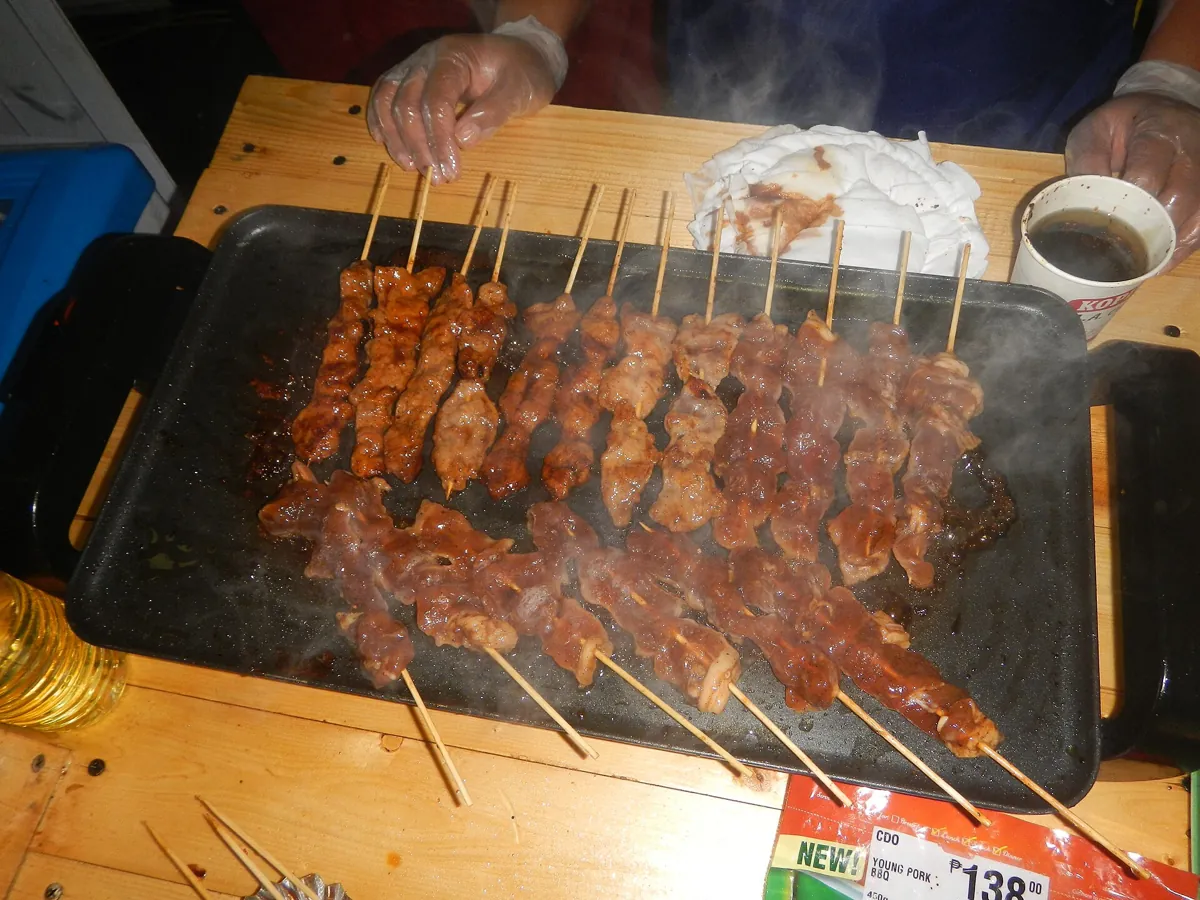
Food is the center of gravity. Expect the fall canon done well: smoked and grilled meats, soups and chili, apple and pumpkin sweets, cider, kettle corn, and the deep-fried items that only make sense outdoors in cool air. Local church groups, booster clubs, and civic organizations typically run stands alongside professional vendors, which means the food money circulates back into the county.
Live Music and Entertainment Through the Day
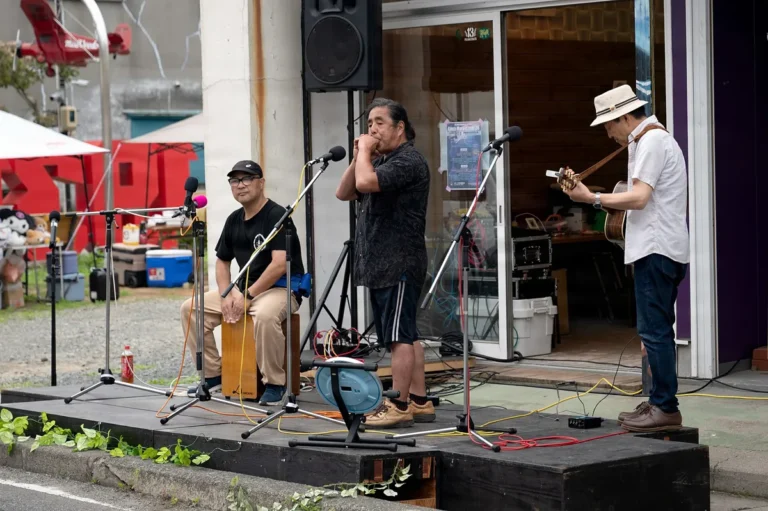
Music usually runs in blocks rather than one long headliner set — acoustic acts and cover bands earlier, louder sets as evening arrives. Between performances you will find the filler that makes a fall festival work: raffles, demonstrations, a pie or chili contest, a tractor or antique display, and announcements from whoever is holding the microphone.
Family Activities That Outlast Naptime
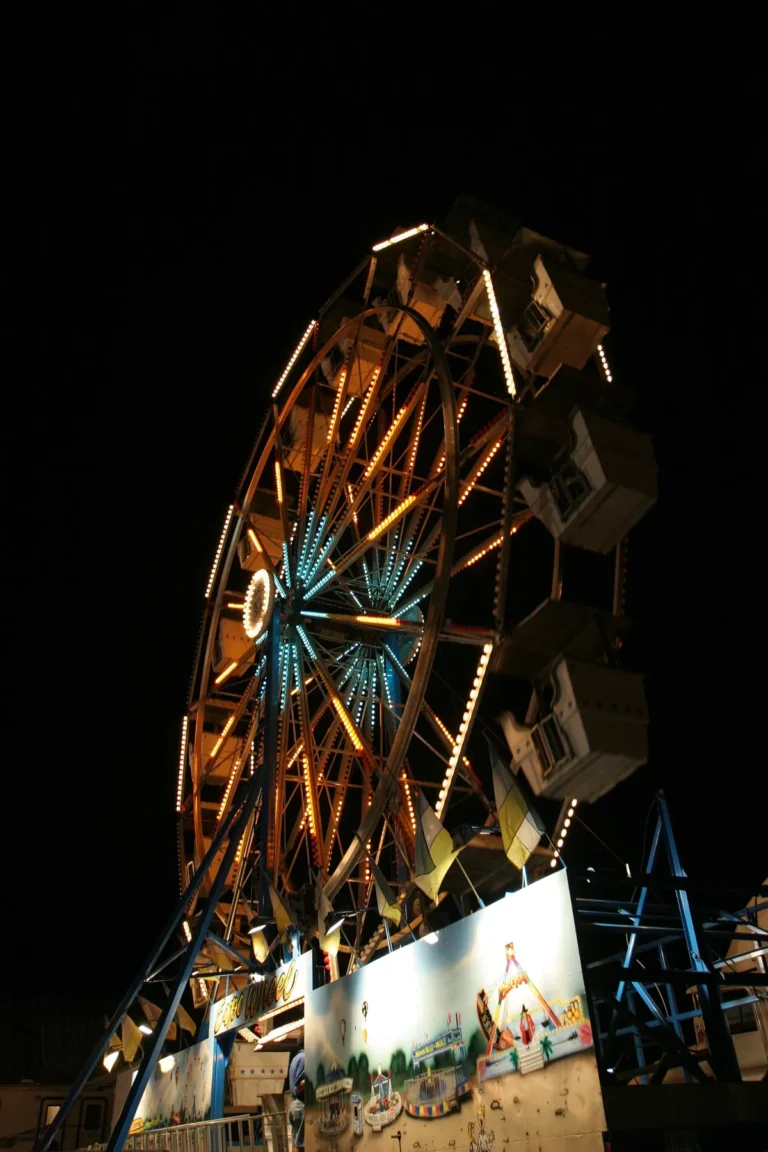
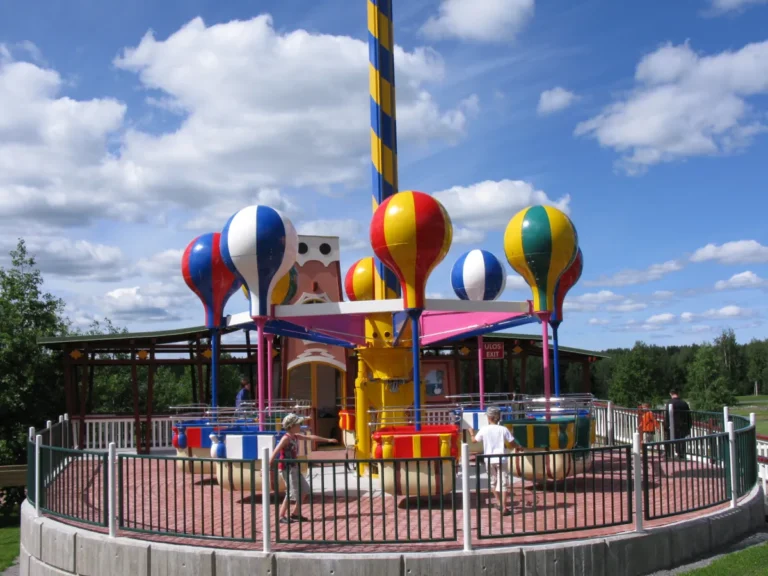
Kid programming leans hands-on: pumpkin decorating, hayrides, corn bins, face painting, balloon animals, carnival-style games, and craft tables. Most activities are aimed at elementary-age children and younger, with a few challenges for older siblings. Strollers handle the grounds reasonably well, though grass and gravel sections can get soft after rain.
Logistics: Getting In, Staying Over, and Paying Up
Driving In From Indianapolis and Around the County
Johnson County sits directly south of Indianapolis, so most visitors arrive by car via the north-south corridors that run through Greenwood and Franklin. Traffic is heaviest in the first two hours after gates open and again at dusk. If you are coming from the metro’s south side, leaving an hour earlier than feels necessary is the single best decision you will make all weekend.
Where to Sleep Near Franklin and Greenwood
Lodging clusters along the Greenwood and Franklin corridors, with national chain hotels and a smaller number of independent inns and rentals. Book early for autumn weekends — this is also college-visit and wedding season in the county, and rooms tighten fast. Staying in Greenwood puts you closer to Indianapolis; staying in or near Franklin keeps you closer to the county seat and its downtown.
Parking Without the Circling
Expect lot and street parking around the grounds, with overflow into nearby business lots and grass fields when the main areas fill. Arrive before the lunch rush, park once, and walk. Note your row or a landmark before you leave the car — after dark, every field of vehicles looks identical, and phone batteries die at festivals.
Admission, Cash, and Real Costs
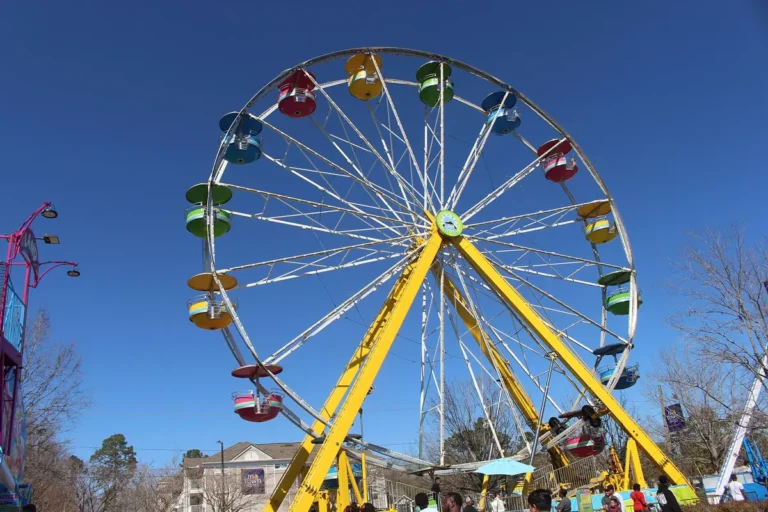
Entry to Hoosier Fall is typically free, with costs concentrated in food, drinks, vendor goods, and a handful of ticketed activities such as rides or games. Bring some cash even though many vendors take cards — small stands and raffle tables often do not. Set a loose budget per person and treat parking as free unless signage says otherwise.
Autumn Weather in Central Indiana
Fall in Johnson County swings hard. A September weekend can hit the upper seventies; an October evening can drop into the forties once the sun goes down. Plan layers, not a single outfit, and pack a light rain shell. Muddy ground after a wet week is common, so closed-toe shoes beat sandals every time.
A Sample Hoosier Fall Weekend, Built for Driving
Friday evening: arrive in the county, check in, and eat dinner in downtown Franklin rather than at the festival. Walk a few blocks, get oriented, and sleep early. This is the move that makes Saturday feel unhurried.
Saturday morning: reach the grounds before the crowds, walk the vendor row once without buying anything, then circle back for the food you actually want. Midday, catch a band, let the kids work through the activity area, and take a real break in the shade or your car. Late afternoon is the best light and the thinnest lines.
Sunday: skip the repeat visit and use the day for the rest of the county — a farm market, a downtown breakfast, a drive through the countryside between Franklin and the smaller towns. Head home before the evening rush on the northbound corridors.
How Hoosier Fall Compares With Nearby County Towns
Franklin, the county seat, is the historic anchor: older housing stock, a traditional courthouse-square downtown, and a walkable core that suits a festival weekend. Greenwood, on the county’s northern edge, is bigger, newer, and more retail-driven, with easier highway access and the densest hotel cluster. If your priority is convenience, Greenwood wins; if your priority is atmosphere, Franklin does.
Smaller communities such as Edinburgh, Bargersville, Trafalgar, and Whiteland round out the comparison. Each runs its own seasonal community events on a smaller scale, often with shorter hours and a stronger neighborhood feel. Hoosier Fall’s advantage is breadth — it pulls from the entire county at once, which means more vendors, more food options, and a longer day.
Your Hoosier Fall Prep Checklist
Before you leave: check local channels for current hours and any weather-related changes; fill the tank; download an offline map in case rural signal drops; pack layers, a rain shell, closed-toe shoes, sunscreen, and a refillable water bottle; bring cash in small bills; charge a power bank; and load a cooler in the trunk for farm-market stops on the way home. Leave pets at home unless you have confirmed the festival’s policy. If you are meeting people, pick a specific landmark as your rendezvous point — “by the stage” is not a plan.
Beyond Hoosier Fall: The Rest of Johnson County
Build an extra half-day into your trip. Downtown Franklin rewards a slow walk, with independent shops and cafés set around the county seat’s historic core. North toward Greenwood, the pace quickens into shopping corridors and park space. In between, the county’s rural middle delivers the part of Indiana people actually come for: flat roads, old barns, farm stands, and tree lines turning color.
Why Hoosier Fall Matters to Johnson County
With 161,765 residents spread across 321.79 square miles, Johnson County can easily feel like a collection of separate suburbs and townships. A county-wide autumn weekend does the opposite work. It gives booster clubs a fundraiser, gives local makers a market, gives families a cheap Saturday, and gives the county a shared date on the calendar that has nothing to do with school schedules or commutes.
Where Hoosier Fall Happens
Hoosier Fall unfolds within the Johnson County area of central Indiana, with Franklin — the county seat — at the center of the county’s road network and Greenwood anchoring the northern edge closest to Indianapolis.
Hoosier Fall Questions, Answered
When does Hoosier Fall usually take place?
It is an autumn event, typically held on a weekend during September or October. Because it is tied to the harvest season and outdoor weather, the exact weekend shifts from year to year — check local listings before you commit to travel dates.
Is Hoosier Fall free to attend?
Admission is typically free. Your spending will be on food, drinks, vendor purchases, and any ticketed rides or games. Bring a little cash alongside a card, since smaller stands and raffles may not accept plastic.
Is Hoosier Fall a good fit for young kids and older visitors?
Yes. The grounds are walkable, the activity lineup skews toward young children, and there is plenty of seating and food for grandparents. The main challenges are uneven grass, cool evenings, and crowds at peak hours — arrive early or come late afternoon to avoid both.
How far is Hoosier Fall from Indianapolis?
Johnson County sits directly south of Indianapolis, so the drive from the metro’s south side is short and straightforward. Most visitors come by car, and the trip is manageable as a day outing — though an overnight stay makes the weekend far less rushed.
Looking Ahead to Future Hoosier Fall Weekends
Johnson County keeps growing, and festivals like this one grow with it. Expect continued emphasis on local vendors, family programming, and county-wide participation rather than a shift toward ticketed, gated entertainment. The safest planning advice for future years is also the simplest: watch for the season’s announcement, keep the weekend flexible, and book lodging early.
Last updated: October 2026
Hoosier Fall is not trying to be the biggest autumn event in Indiana, and that is exactly why it works. It is a county doing what counties here have done since 1823 — gathering when the air turns, feeding whoever shows up, and sending everyone home with mud on their shoes and something in a paper bag. Plan the logistics, then let the weekend be simple.
One Comment