Leavenworth County Kansas Leavenworth County Fair Festival
Late summer in Leavenworth County has its own rhythm. The corn stands tall, the evenings stay warm, and on the county fairgrounds a show ring gets raked, a table of pies gets judged, and a line forms at a food stand that has been feeding the same families for years. The Leavenworth County Fair is the week when the whole county shows up at once.
This is a county fair in the truest sense: run by people who live here, judged by neighbors, and attended by families who have been coming since they were kids. From Leavenworth and Lansing to Tonganoxie, Basehor and the rural roads in between, fair week is the shared date that pulls northeast Kansas together.
Leavenworth County Fair: The Essentials in One Table
| Town / area | Leavenworth County area, northeast Kansas, within the Kansas City metro |
| County | Leavenworth County, Kansas |
| County seat | Leavenworth |
| County population | 81,881 (2020 census) |
| County roots | Founded August 25, 1855; named for Henry Leavenworth |
| Typical timing | Late summer, usually a week in July or August |
| Admission | Set locally each year; gate and ride pricing varies |
| Setting | County fairgrounds with barns, exhibit halls, a grandstand and a midway |
| Features | Livestock shows, 4-H and FFA exhibits, home arts, carnival rides, fair food, grandstand events |
| Organizer | Local fair board and community volunteers |
What the Leavenworth County Fair Actually Is
Strip away the midway lights and the smell of frying dough and the Leavenworth County Fair is still, at heart, an agricultural fair. It runs for several days in late summer on the county fairgrounds, and its backbone is the show ring, the exhibit hall and the barns.
Young exhibitors from across the county bring cattle, swine, sheep, goats, poultry and rabbits through 4-H and FFA projects, and the results of months of feeding, grooming and record-keeping get sorted out by a judge with a clipboard. In the exhibit halls, open class entries cover the full range of county life: quick breads and yeast breads, canned preserves, quilts, needlework, photography, garden vegetables and cut flowers. Ribbons matter here, and for livestock exhibitors the week often ends with an auction.
Around that core sits everything else a fair needs to keep a family busy for an afternoon: commercial booths, carnival rides, grandstand entertainment, equipment displays and more food than anyone can reasonably eat. The scale is county-sized, not regional. You will run into people you know, and that is the point.
For another look at how a community turns its own traditions into a gathering, see the Lane County Kansas Lane County Fair Festival for a useful comparison.
How the Fair Grew Alongside Leavenworth County
Leavenworth County was founded on August 25, 1855, and named for Henry Leavenworth. Its county seat is the city of Leavenworth, and the county covers 469 square miles of river bluffs, farmland and fast-growing suburbs at the edge of the Kansas City metropolitan area. The 2020 census counted 81,881 residents — a number that tells the story of a place that is both old and still filling in.
County fairs across Kansas grew out of nineteenth-century agricultural societies, which used annual gatherings to compare breeding stock, swap methods and mark the end of a growing season. The Leavenworth County Fair follows that same lineage. It began as a harvest-season meeting of farm families and slowly added the pieces that feel essential now: exhibit buildings, a grandstand, carnival rides and a full week of scheduled events.
What has changed is the county around it. Farms grew larger and fewer, and subdivisions spread out from Leavenworth, Lansing and Basehor. Yet the fair’s center of gravity has held. Youth livestock and project exhibits remain the reason many families plan their summer around fair week, and the fair has absorbed new generations of exhibitors whose parents never raised an animal until their kids asked to.
What a Fair Week Feels Like in Leavenworth County
Days at the fairgrounds tend to follow a pattern. Mornings belong to exhibitors and judges, afternoons fill with families and carnival noise, and evenings bring the biggest crowds to the grandstand. Here is what each piece looks like.
Fair Food, From Funnel Cakes to Church Stands
Fair food in Leavenworth County is a mix of the familiar and the local. Expect the classics — funnel cakes, corn dogs, curly fries, cotton candy, lemonade shaken by hand — alongside stands run by churches, civic groups and school organizations that treat fair week as one of their biggest fundraisers of the year. Those booths are often where the real eating happens: pulled pork, homemade pies by the slice, cinnamon rolls in the morning and iced tea that never seems to run out.
Grandstand Nights and Local Talent
Evening entertainment is the fair’s biggest draw after the livestock shows. Grandstand programming at a Kansas county fair typically leans on crowd-pleasers — motor sports, tractor pulls, demolition events and live music from regional bands — with local performers and youth groups taking the smaller stages earlier in the day. Lineups change from year to year, so the fair’s own schedule is the thing to check before you plan an evening around one specific event.
Barns, Rides and Hands-On Fun for Kids
For families with younger children, the fair is a full day out. The barns are free to walk through and endlessly interesting — calves, piglets, lambs and rabbits, plus exhibitors who are usually happy to answer questions. The midway provides the rides, and many fairs set aside specific sessions with reduced ride pricing. Add a petting area, a tractor display, a coloring or craft station in the exhibit hall, and a nightly routine of ice cream before the walk back to the car, and you have the version of fair week that kids remember.
Planning a Trip to the Leavenworth County Fair
Getting There From Leavenworth, Kansas City and Beyond
Leavenworth County sits in northeast Kansas, roughly a short drive northwest of Kansas City along the U.S. 73 and K-7 corridors. If you are coming from the city of Leavenworth, Lansing, Tonganoxie or Basehor, the trip to the fairgrounds is measured in minutes rather than hours. Visitors from the Kansas City metro can generally reach the county in well under an hour in normal traffic, which makes the fair an easy evening outing as well as a full-day one.
Where to Stay Around Leavenworth County
Most fairgoers live close enough to sleep at home, but out-of-town visitors have options. The Leavenworth area has the county’s largest concentration of hotels and motels, with additional rooms available in the wider Kansas City metro and near the airport to the east. If you are traveling with an exhibitor and plan to be at the barns early, booking in Leavenworth or Lansing shortens your morning considerably.
Parking at the Fairgrounds
Parking at county fairs is usually a matter of arriving early and following the directions of volunteers in safety vests. On-site lots fill fastest during grandstand evenings, when the crowd peaks all at once. Plan to arrive well before the main event, keep an eye out for overflow lots and grass parking, and wear shoes you do not mind getting dusty.
Admission, Ride Wristbands and What Things Cost
Gate policies, carnival pricing and ride wristband deals are set locally each year and can change, so treat any figure you hear from a previous season as a rough guide only. What is consistent is the structure: an entry fee that is modest compared with big regional events, separate costs for rides and midway games, and free or low-cost access to the barns and exhibit halls. Bring some cash for the independent food stands and fundraisers, and check the fair’s published schedule for discount days.
Late-Summer Heat and What to Bring
Late July and August in northeast Kansas mean heat and humidity, sometimes with a thunderstorm rolling through in the evening. Bring water, sunscreen, hats and a light rain layer. Barns are warm, so dress in something breathable, and if you are spending the day, consider a morning visit and an evening return rather than pushing through the hottest hours.
A Sample Fair Weekend in Leavenworth County
Here is one way to structure a fair weekend if you want to see the whole thing without wearing yourself out.
Morning: Arrive when the gates open and head straight for the barns while the air is still cool. Watch a livestock class or two, then walk the exhibit hall before the crowd builds and look for the open class entries from your own part of the county.
Midday: Eat early. Grab lunch from a civic or church stand, find shade, and let the kids ride the midway before the afternoon heat peaks. This is also a good window for commercial booths and equipment displays.
Afternoon: Head home or to the hotel for a break. This is the single best decision you can make on a hot Kansas fair day.
Evening: Return for the grandstand event, dinner from a different food stand than lunch, and a last walk through the barns after dark. Livestock exhibitors are often still working, and the barns at night have a quieter, friendlier feel.
How the Leavenworth County Fair Compares With Nearby Fairs
Leavenworth County’s fair sits in a crowded late-summer field. Fairs in neighboring northeast Kansas counties share the same livestock-and-exhibit backbone, with similar schedules and similar smells of sawdust and fried food. What differs is scale and setting: some are larger and draw from a wider region, others stay smaller and more purely local.
Within the county, the contrast is with the towns themselves. Leavenworth is the historic county seat, with a bigger population and a busy event calendar of its own. Lansing, Tonganoxie and Basehor are smaller communities where the fair is one of the year’s main gatherings. Compared with a metro-scale event on the Kansas side of the state line, the Leavenworth County Fair is more affordable, easier to park at and far easier to walk end to end in an afternoon.
Fair-Week Checklist for Leavenworth County Families
A short list that makes the week go smoothly:
— Check the current fair schedule before you go, since event days and times shift each year.
— Bring cash for food stands, fundraisers and midway games.
— Pack water, sunscreen and hats; add a rain jacket for evening storms.
— Wear closed-toe shoes you do not mind dirtying around the barns.
— Arrive early for grandstand nights, or plan on a walk from overflow parking.
— Ask before touching animals, and follow posted barn rules.
— Support the church and civic stands, which fund local causes all year.
— Save a little room for one last funnel cake on the way out.
Beyond the Fairgrounds in Leavenworth County
Fair week is a good excuse to see the rest of the county. The city of Leavenworth, the county seat, has a historic downtown, riverfront views along the Missouri River and a long military heritage tied to Fort Leavenworth. The county’s 469 square miles stretch from those bluffs west into farmland and the growing communities of Lansing, Basehor and Tonganoxie.
Outside fair week, the same agricultural landscape shows up in farmers markets, roadside produce stands, pumpkin patches and high school football Fridays. If you are visiting from the Kansas City metro, pairing a fair afternoon with a stop in downtown Leavenworth makes for a fuller day than the fairgrounds alone.
Why the Fair Still Matters to Leavenworth County
Leavenworth County is a place in transition. It has grown past 81,000 residents, it sits inside one of the Midwest’s largest metro areas, and much of its new population has no direct connection to farming. That is exactly why the fair matters. For one week a year, the county’s agricultural roots are not a historical footnote but the main event, and the people who raise animals and grow things are the ones everyone has come to watch.
The fair is also one of the few countywide gatherings left that crosses every line — town and country, longtime residents and newcomers, kids in show clothes and teenagers on the midway. That kind of shared ground is harder to find than it used to be, and it is worth protecting.
Where the Leavenworth County Fairgrounds Sit
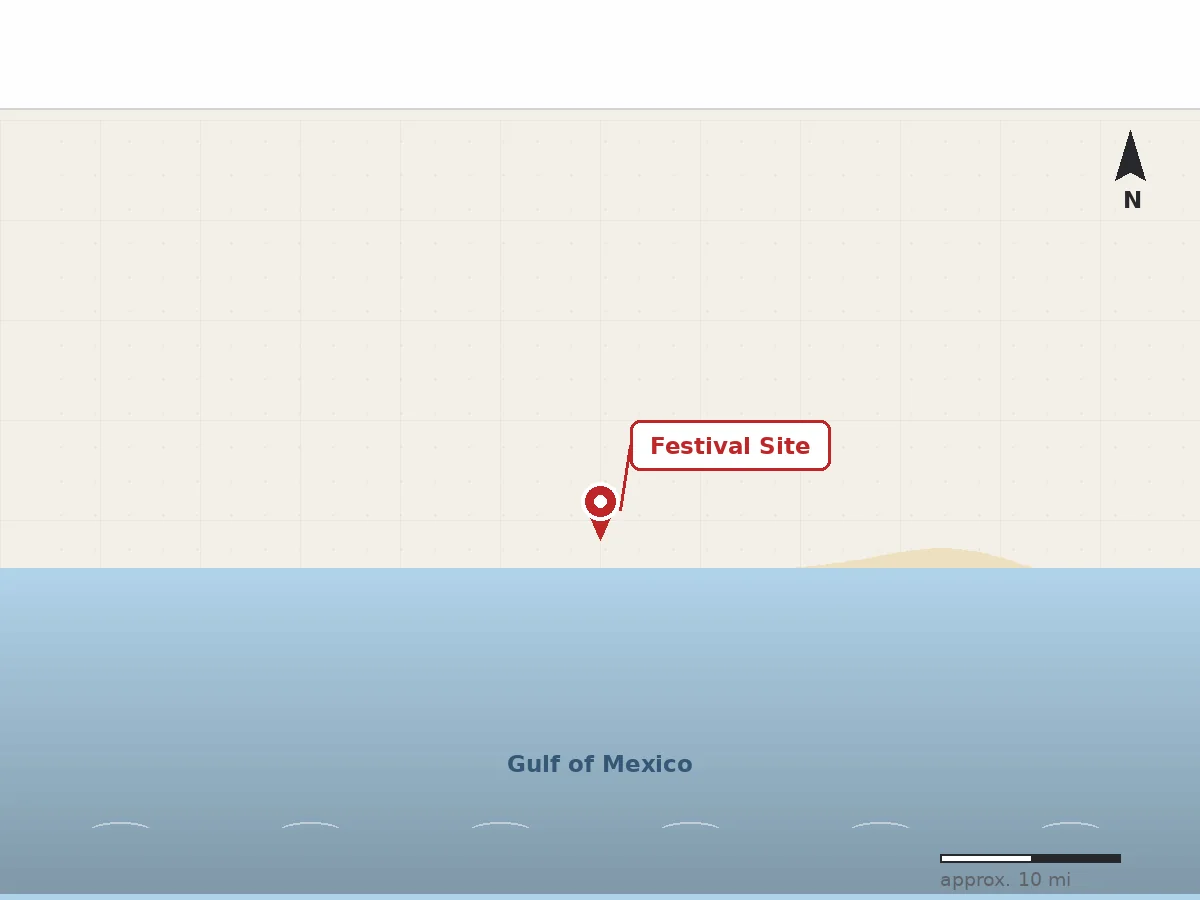
The Leavenworth County Fairgrounds are located within Leavenworth County in northeast Kansas, a short drive from the county seat of Leavenworth.
Practical Answers for First-Time Fairgoers in Leavenworth County
When is the Leavenworth County Fair held?
It is held in late summer, usually across a week in July or August. Exact dates move from year to year, so the fair’s published schedule is the reliable source for the current season.
Do I need to be connected to agriculture to enjoy it?
Not at all. The livestock shows and exhibit halls are the heart of the fair, but the midway, food stands, grandstand events and commercial booths are built for a general audience. Most visitors come simply for an evening out.
Is the fair suitable for young children?
Yes. The barns are walkable with a stroller, the midway offers rides for small children, and the daytime pace is relaxed. Bring water and plan an afternoon break, since late-summer heat is the main challenge for young kids.
How much time should I set aside for a visit?
A half day covers the barns, exhibit halls, food and a round of rides. If you want a grandstand event in the evening, plan on returning after a break rather than staying through the hottest part of the afternoon.
The Next Chapter for the Leavenworth County Fair
The fair’s future depends on the same thing it always has: people willing to show up, enter something and volunteer. As Leavenworth County continues to grow, the fair has a chance to bring new families into old traditions — first as visitors, then as exhibitors and eventually as the volunteers running the gate and the barns. That handoff has kept county fairs alive in Kansas for generations, and there is no reason it cannot work here.
Last updated: October 2026
For anyone who grew up in Leavenworth County, the fair is less an event than a marker of the season — the week the county gathers, the week the barns smell like hay and the midway lights come on at dusk. Go once and you will understand why families here keep coming back, year after year, to the same fairgrounds in the same late-summer heat.

One Comment