Chautauqua County Kansas 4-H Fair Festival
Every summer the Chautauqua County 4-H Fair turns a corner of southeast Kansas into a working showcase of youth agriculture, home arts and small-town hospitality. Families from Sedan, Cedar Vale, Moline and the surrounding farmsteads gather to watch exhibitors lead livestock into the ring, browse project displays and catch up with neighbors.
This guide is written for visitors rather than exhibitors — travelers passing through the Chautauqua County area who want to know when the fair happens, what fills the schedule, where to park and how to build the fair into a wider trip.
The county is small, with about 3,379 residents at the 2020 census, and the fair matches that scale. It is close-up, unhurried and easy to walk in an afternoon.
Chautauqua County 4-H Fair Basics, From Sedan to the Show Ring
| Festival | Chautauqua County Kansas 4-H Fair |
| Area | Chautauqua County, southeast Kansas |
| County seat | Sedan |
| County population | 3,379 (2020 census) |
| County land area | 645 square miles |
| County founded | March 25, 1875 |
| Typical timing | Summer, usually July or early August |
| Admission | Generally free; some meals and events charge |
| Setting | Rural fairgrounds amid prairie, ranch land and small towns |
| Run by | Chautauqua County 4-H clubs and community volunteers |
Inside the Chautauqua County 4-H Fair: Projects, Livestock and Community
The fair is the public face of 4-H in Chautauqua County, the youth program built on learning by doing. Members spend months on projects — raising an animal, perfecting a batch of rolls, wiring a woodworking piece, growing vegetables — and the fair is where that work is judged, displayed and celebrated.
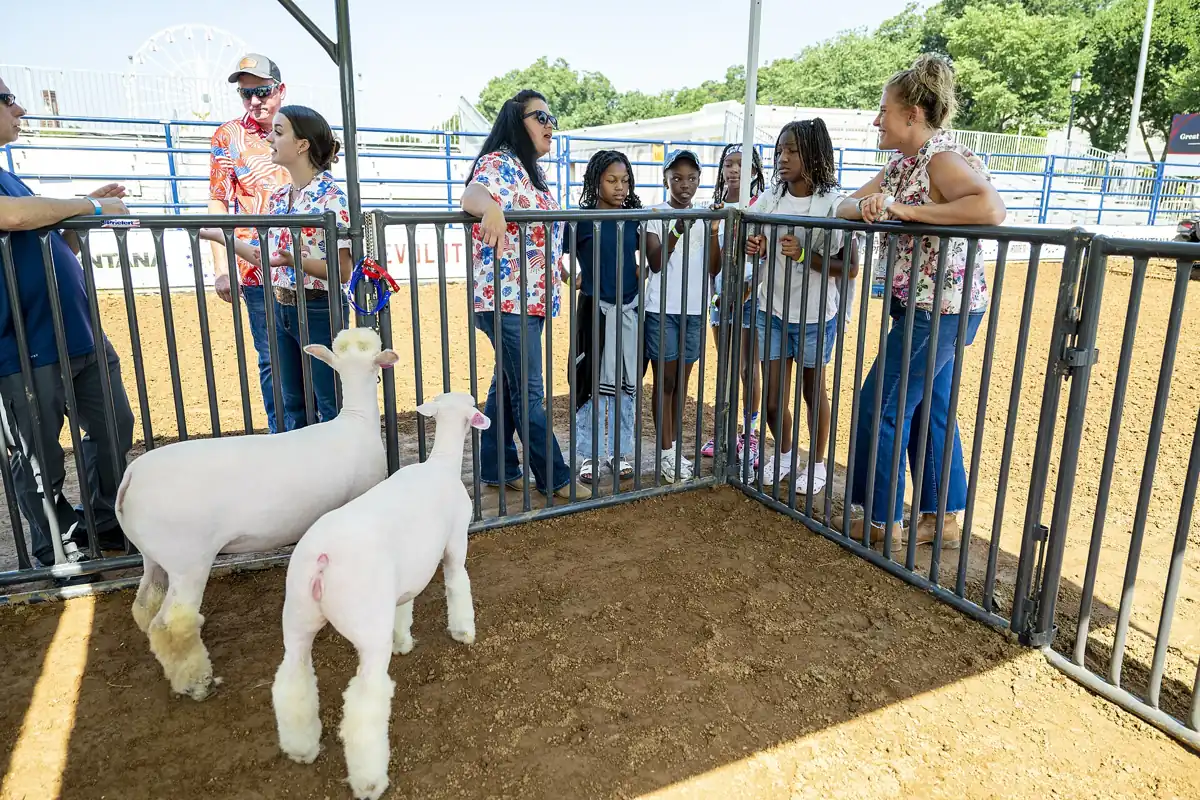
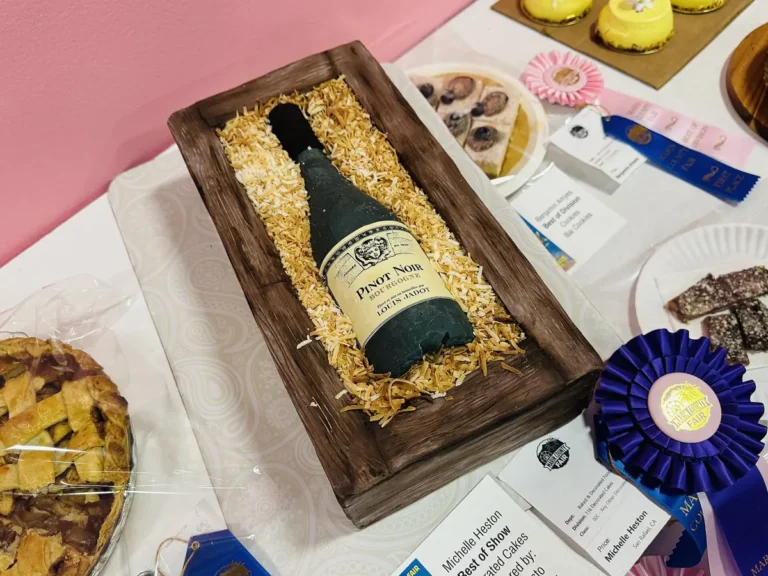
Livestock shows anchor the schedule. Beef cattle, swine, sheep, goats, poultry and rabbits move through the ring in classes sorted by age and weight, while exhibitors answer judges’ questions about feed, conditioning and handling. In the exhibit hall, static entries cover baking, sewing, horticulture, photography and much more.
For another look at how a community turns its own traditions into a gathering, see the Chase County Kansas Chase County Fair Festival for a useful comparison.
Around the shows, the fair works as an unofficial county reunion. Grandparents, former members and neighbors who now live out of state drift back to the grounds, which gives the event a warmth that larger fairs struggle to match.
From Prairie Exhibits to 4-H Ribbons: Chautauqua County Fair History
Chautauqua County was founded on March 25, 1875, its name drawn from Chautauqua County. Agriculture built the place — cattle, wheat, corn and the small towns that served them — and county fairs grew from the same impulse that raised granges, churches and school picnics across the prairie.
The 4-H movement took shape in the early 1900s, when rural clubs for boys and girls carried practical agricultural and home-economics lessons to farm families. Kansas adopted the idea quickly, and county fairs became the natural stage for club work.
Over the decades the Chautauqua fair shifted from open-class exhibits toward a youth-centered event. The rhythm has not changed much: entry day, judging, a livestock sale, and an evening when much of the county shows up.
Tasting, Cheering and Showing: A Day on the Chautauqua County Fairgrounds
A fair day here unfolds slowly. Mornings belong to weigh-ins and static judging, afternoons fill with shows and games, and evenings bring the crowd, the food lines and the loudest part of the schedule.
Fair Food, Bake Sales and Volunteer Concession Stands
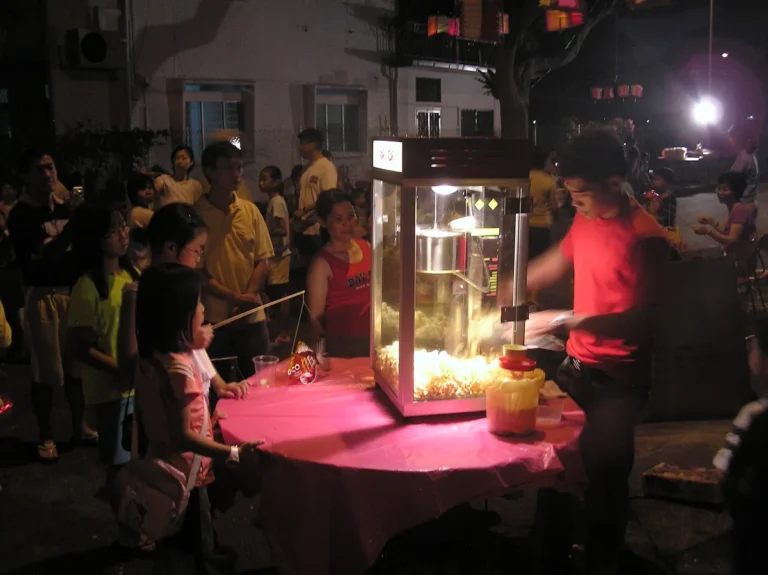
Expect the classics done by volunteers: burgers and hot dogs off a flat-top, pulled pork, funnel cakes, snow cones, pie by the slice and iced tea. Church groups and 4-H parents’ committees typically run the stands, so prices stay modest and the money recirculates locally. Baked goods auctions are a Kansas fair staple, and bidding can get spirited. Bring cash — card readers are not guaranteed.
Evening Programs, Sales and Grandstand Entertainment
Livestock shows continue into the afternoon, often followed by a premium sale where local buyers support exhibitors. Talent showcases and recognition ceremonies are common, and some years bring a demolition derby, tractor pull or live band to the grandstand while others keep things simple. Check the current schedule rather than assuming last year’s lineup.
Hands-On Activities for Kids, Parents and Grandparents
Younger children gravitate to the small-animal barn, where rabbits and poultry are easy to see at eye level, and to any petting area the fair sets up. Older kids sign up for sack races and water-balloon tosses. The exhibit hall is quietly the best stop for grandparents, who can inspect everything from canned peaches to model rockets in comfort.
Planning Your Trip to the Chautauqua County 4-H Fair
Reaching Sedan and the Chautauqua County Area
Sedan, the county seat, sits at the junction of US-166 and K-99 in the far southeast corner of Kansas, roughly two hours from Wichita and a similar drive from Tulsa, Oklahoma. Most visitors arrive by car, and there is no commercial air service in the county, so plan to fly into a larger city and drive. Watch for slow-moving farm equipment on the highways.
Where to Sleep Near the Fairgrounds
Lodging inside the county is limited to a handful of small motels, guest cabins and short-term rentals, and those fill quickly when summer events overlap. Many families base themselves in larger neighboring towns and drive in, while others stay with relatives. Book early if you are coming for a full weekend rather than one evening.
Parking, Drop-Offs and Getting Around the Grounds
Fairgrounds parking is typically free and informal — grass or gravel lots, with volunteers directing traffic at peak hours. Arrive before the evening program for a shorter walk, and expect a wait when the livestock sale lets out. Carpooling is a kindness to everyone.
Admission, Costs and Where Your Money Goes
Entry to the fair is generally free, with costs concentrated in meals, raffle tickets, rides and grandstand events. Budget modestly and carry cash, since small vendors may not take cards and ATMs are scarce. The best value is usually the food stands, where a few dollars buys a full plate and supports a local organization.
Kansas Summer Weather and What to Pack
July and early August in southeast Kansas mean heat, humidity and the chance of an afternoon thunderstorm. Daytime highs often reach the 90s, so pack water, sunscreen, a hat and a light rain jacket. Evenings cool enough to make a long-sleeved layer welcome, and insect repellent earns its space near the barns at dusk.
A Sample Weekend at the Chautauqua County 4-H Fair
Friday: Arrive in Sedan in the afternoon, check in and head to the grounds. Walk the barns while exhibitors settle their animals, eat dinner from a concession stand and stay for the evening program.
Saturday: This is the full day. Start with breakfast in town, reach the fairgrounds by mid-morning for livestock classes, and spend the hottest hours in the exhibit hall. The afternoon is for games and project displays; return in the evening for the sale or the entertainment.
Sunday: Many fairs wind down with a final show, a community meal or award pickup. Before heading home, drive a loop of county back roads — the prairie and the wooded Chautauqua Hills make the return trip feel longer in the best way.
How Chautauqua County Compares With Nearby Fair Towns
Neighboring communities run their own summer celebrations, and the differences are instructive. Cedar Vale, in the western part of Chautauqua County, is smaller still, with a historic downtown and a fair atmosphere that feels close to a family picnic. Moline, to the northwest, keeps a similar scale. Larger county seats such as Independence to the east and Winfield to the west offer bigger fairs with more vendors and grandstand names, but they come with crowds and paid gates. The 4-H Fair in Chautauqua County sits in the middle: small enough to walk in an hour, organized enough to fill a weekend, and free to enter.
Your Pre-Fair Checklist for Chautauqua County
Before you go: confirm the current schedule through local fair listings; check whether grandstand events need tickets; and look at the forecast for the Sedan area.
Pack list: cash in small bills, refillable water bottles, sunscreen, hats, sunglasses, a light rain jacket, insect repellent, closed-toe shoes for barn areas, and folding chairs for outdoor programs. Leave pets at home unless a specific pet-friendly event is advertised, and remember that livestock areas are working spaces — ask before touching animals.
Beyond the Fair: Sedan and the Wider Chautauqua County
The fair is a good excuse to see more of the county. Sedan, the county seat, is the birthplace of the circus clown Emmett Kelly, and its compact downtown rewards a slow walk. County roads open onto the Chautauqua Hills, a band of wooded, rocky country that looks and feels different from the flatter wheat ground around it — good for a scenic drive, a picnic or an afternoon of birding. Anglers head for the area’s small lakes and creeks, hunters return in fall, and the Oklahoma line is minutes away, so a loop south into Osage County is easy to add.
What the 4-H Fair Means to Chautauqua County
In a county of 3,379 people, the fair is more than entertainment. It is one of the few annual events that draws residents from every corner of 645 square miles, and it gives young people a stage to be taken seriously. Buyers at the livestock sale are investing in kids as much as in animals. The volunteers who run the gates, the kitchen and the exhibit hall are passing on a habit of civic work that rural Kansas depends on. When families move away, the fair is often the reason they come back for a visit.
Where the Chautauqua County 4-H Fair Sits on the Kansas Map
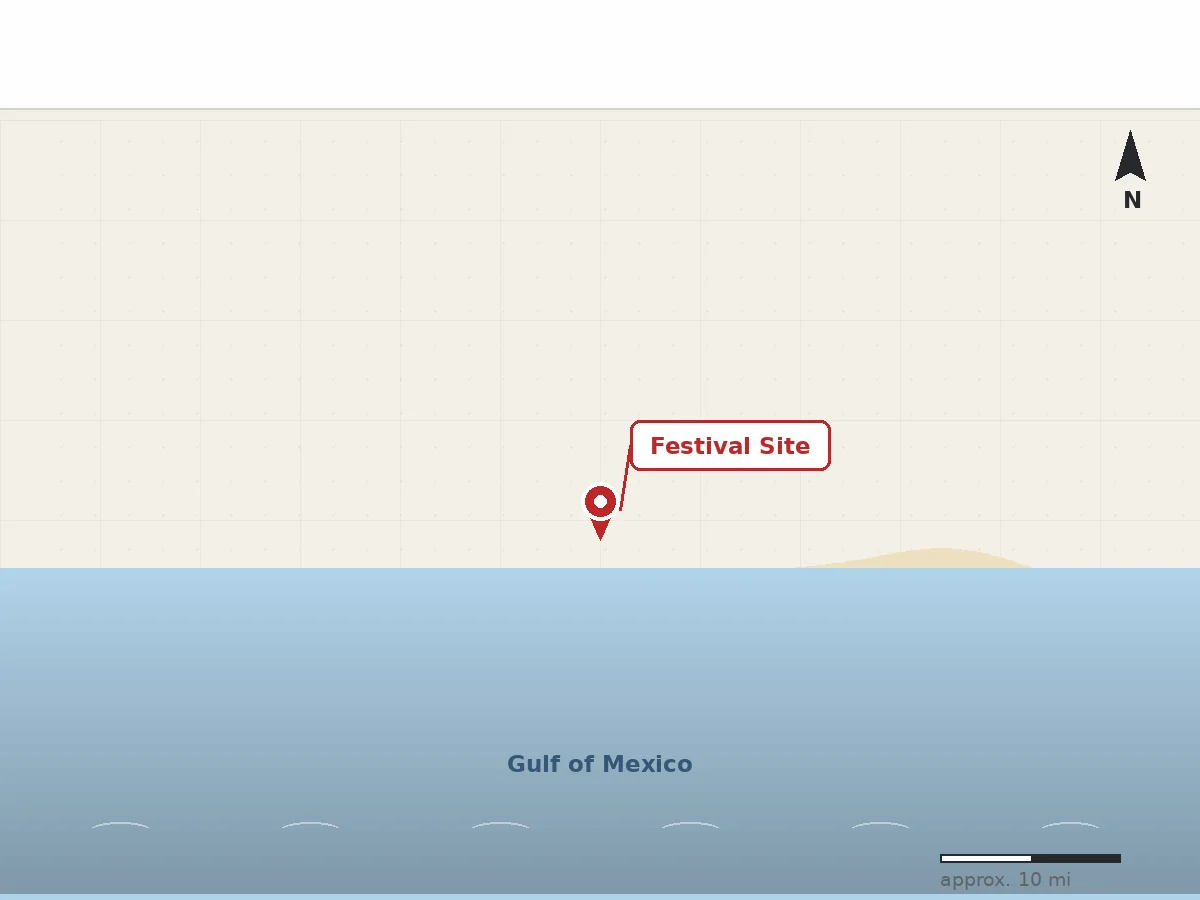
The fair takes place in the Chautauqua County area of southeast Kansas, with Sedan — the county seat — serving as the main crossroads for visitors arriving on US-166 and K-99.
Answers for First-Time Chautauqua County Fair Visitors
Is the Chautauqua County 4-H Fair free to attend?
In most years entry to the fairgrounds is free, since the fair is built as a community event rather than a ticketed attraction. Individual items — meals, raffle tickets, carnival rides or a grandstand show — may carry a charge. Bring cash so you are ready for whatever is on offer.
When does the fair usually take place?
It is a summer event, generally falling in July or early August, and it usually runs across several days rather than a single afternoon. Because the schedule shifts from year to year, confirm current dates through local listings before planning travel.
Can visitors watch the livestock shows and the sale?
Yes. Livestock shows are open to spectators, and watching is one of the best ways to understand what 4-H members do all year. The premium sale at the end of the fair is open to the public as well, and bidding is welcome — many buyers are local businesses and families supporting exhibitors.
Is the fairgrounds suitable for strollers and wheelchairs?
Grounds of this size are generally flat and walkable, though some areas are grass, gravel or packed dirt and can be difficult after rain. Comfortable shoes help everyone, and arriving earlier in the day usually means easier movement and closer parking.
Looking Ahead to Future Chautauqua County 4-H Fairs
The fair’s future depends on the same things that sustain rural Kansas generally: young families, volunteers and steady local support. 4-H enrollment and fair entries rise and fall with the population, and every exhibitor who graduates leaves a gap a younger member has to fill. Fair boards increasingly look to sponsorships, alumni and neighboring communities to keep premiums, facilities and programming strong. Weather is the other variable, since a storm during the sale or a heat wave during judging can reshape a year. Even so, the fundamentals — kids, animals, pies and neighbors — have proven durable for generations.
Last updated: October 2026
If you find yourself in southeast Kansas on a summer weekend, set aside an evening for the Chautauqua County 4-H Fair. Walk the barns, buy something from a volunteer-run stand and stay for the sale. You will leave with a fuller picture of what a county of 3,379 people can do when everyone shows up.

One Comment