Benewah County Idaho St. Maries Paul Bunyan Days Festival
St. Maries Paul Bunyan Days: The Essentials Before You Drive In
| Town / area | St. Maries and the surrounding Benewah County area |
| County | Benewah County, Idaho |
| County seat | St. Maries |
| Population | Small and rural, centered on St. Maries |
| Region | Northwest Idaho |
| Typical timing | A summer weekend in the warm months |
| Admission | Typically free, with some activities priced separately |
| Setting | A walkable small town in Idaho’s timber country |
| Features | Logging contests, a parade, vendors, live music, family activities |
| Organizer | Local volunteers and civic groups in St. Maries |
A First-Timer’s Read on Paul Bunyan Days
If you have never set foot in Benewah County, Paul Bunyan Days is the easiest possible introduction. The festival takes over St. Maries, the county seat, for a summer weekend and turns the town’s logging heritage into a public party: contests that reward real woods skills, a parade, food booths, live entertainment, and a crowd where half the people you pass grew up within a few miles. This is not a mega-festival with gates and wristbands. It is a town putting its own story on display.
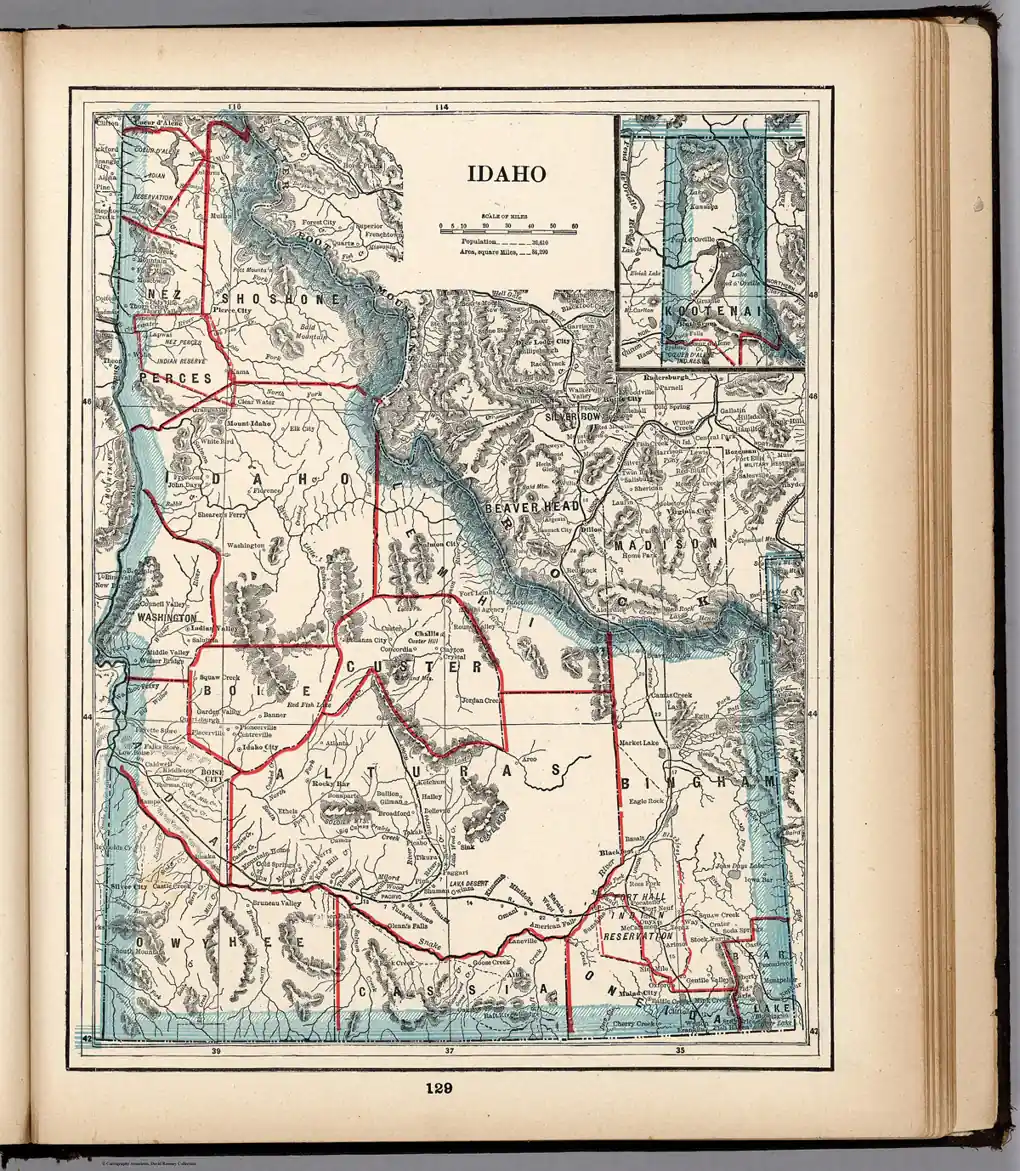
Benewah County covers 784 square miles in northwest Idaho and was founded in 1915, with St. Maries as its seat. That geography matters to the festival. This is timber country — ridges, river bottoms, mill history — and Paul Bunyan Days makes sense the moment you drive in and see it.
How a Timber Town Turned a Tall Tale Into a Weekend
Benewah County was founded in 1915, and St. Maries became its county seat — a natural fit for a community that had grown up around the lumber industry in the forests of northwest Idaho. Logging camps, sawmills, and river drives set the rhythm of work here for generations, and the crews who did that work carried their own folklore with them.
Paul Bunyan is the most famous piece of that folklore: the giant logger of American tall tales, usually accompanied by Babe the Blue Ox, whose feats grew larger with every retelling. In a town where logging was the livelihood, the character was never just a cartoon. He was shorthand for the scale of the work and the pride people took in doing it.
Over the decades, that pride turned into a public celebration. Paul Bunyan Days took shape as a hometown festival with logging skill at its center — the contests that let working crews and weekend hobbyists show what they can do with an axe, a crosscut saw, or a chain saw. Around those contests grew the rest of the weekend: a parade down the main street, vendor stalls, music, kids’ activities, and the reunion atmosphere that small towns do better than anyone.
Details have shifted year to year, as they always do with volunteer-run festivals, but the shape has stayed steady: a summer weekend, a logging theme, and a town that treats visitors like guests rather than customers.
What a First-Timer Actually Walks Into
Here is the honest expectation-setter: Paul Bunyan Days is compact. You can walk the heart of it in an hour and still find reasons to stay all day. Plan for a mix of scheduled events and loose, wandering time, because the best parts often happen between the listings on the schedule.
Logging-Camp Food and Street Vendors
Expect the classic small-town lineup: concession trailers, church and civic group booths, burgers and sausages, fry bread, funnel cakes, snow cones, lemonade, and coffee strong enough to get you through a parade. Local groups often use the weekend as their big fundraiser of the year, so eating is also a way of supporting the town. Bring cash — not every booth is set up for cards.
Music, Contests, and Entertainment on the Street
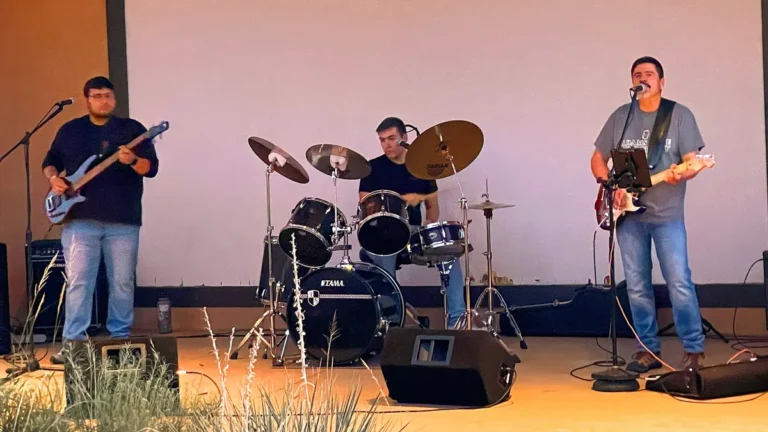
Live music tends to be local and regional, with country and rock most common and a sound system that carries a few blocks. The logging competitions anchor the schedule — sawing, chopping, and related events where the crowd clearly knows the regulars by name. Emcees keep things moving, and there’s usually a good-natured rivalry between crews that makes the heats worth watching even if you know nothing about the sport.
Family Activities Kids Will Remember
Parades, carnival-style games, kids’ contests, face painting, and open space to run wild. The pace is gentle for grandparents too: short distances, benches, shade, and no crush of crowds to navigate. Strollers work fine on the main streets, though expect some gravel and grass at the edges of the grounds.
Getting to Benewah County and Making the Weekend Work
A little planning goes a long way here, mostly because lodging in a county this size is limited and festival weekend is the busiest one on the local calendar.
Driving In: Routes and Realities
St. Maries sits in northwest Idaho, reached by highway through timber and along river valleys. Most visitors drive. Spokane is the nearest larger airport and Coeur d’Alene is the nearest bigger city, and both routes mean a scenic run into Benewah County. Fill your tank before the last stretch, and don’t count on reliable cell service in the forested gaps between towns.
Where to Stay in and Around St. Maries
Options are limited: a handful of motels, cabins, and vacation rentals in and around town, plus campgrounds on the water and in the surrounding national forest. Book early — this is a small lodging market, and festival weekend absorbs most of it. Coeur d’Alene and the nearby lake towns offer more rooms if you don’t mind a longer drive in each morning.
Parking Without the Headache
Street parking and downtown lots fill quickly on parade day. Arrive early, park once, and walk. The core of the festival is walkable, so once the car is parked you probably won’t move it until evening. Watch for temporary signs and barricades — some streets close for the parade and stay closed for a while afterward.
Admission and What Things Actually Cost
Admission is typically free, and you pay for what you consume: food, drinks, merchandise, raffle tickets, and some activities. Bring small bills and keep a card as backup. Budget for a meal, a few snacks, something for the kids, and a souvenir — nothing about this weekend is designed to be expensive.
Northwest Idaho Weather and What to Wear
Summer here is warm by day and cool after dark, with the occasional afternoon thunderstorm rolling through. Mornings can be brisk. Dress in layers, bring sunscreen and a hat, and pack a light rain jacket. Smoke from regional wildfires drifts in during some summers, so check air quality if anyone in your group is sensitive.
A Sample Paul Bunyan Days Weekend, Start to Finish
Friday evening. Arrive and settle in. Walk downtown, grab dinner, pick up a schedule, and get the lay of the land while the town is still quiet. This is the best hour to figure out where you’ll park in the morning.
Saturday morning. Claim parking early. Find a parade spot with shade if you can, then work the vendor row and let the kids hit the games once the parade breaks up.
Saturday afternoon. This is contest time. Watch the sawing and chopping events, wander the booths, refill drinks, and take a real break in the shade or back at the car before the evening crowd arrives.
Saturday evening. Live music, dinner, and a slow walk through town as things loosen up. Stay for the last set if you have the energy.
Sunday. Sleep in, then explore the water and forest roads around St. Maries before heading home. Many visitors treat Sunday as the day for the river, a trail, or a long breakfast with no schedule at all.
Pairing the Trip With Coeur d’Alene, Wallace, and Harrison
Coeur d’Alene, north of St. Maries, is a full resort city — lake cruises, restaurants, a busy downtown, and a much larger festival calendar. If Paul Bunyan Days is your small-town fix, Coeur d’Alene is the contrast: polished, busy, and built for visitors.
Wallace, to the east in the Silver Valley, leans into hard-rock mining history instead of logging, with a preserved historic downtown and underground mine tours. It’s the closest cousin in spirit: a heritage town that turned its industry into an identity and invites people in to see it.
Harrison, on the southern end of Coeur d’Alene Lake, is a quieter stop with a marina, a small downtown, and easy access to the Trail of the Coeur d’Alenes. Pair it with St. Maries for a two-town weekend of water and timber country.
The First-Timer’s Packing and Prep Checklist for St. Maries
| Cash in small bills | Not every vendor booth takes cards |
| Layers and a light rain jacket | Warm days, cool evenings, passing storms |
| Sunscreen and a hat | Shade on the street is limited |
| Lawn chairs or a blanket | Comfortable parade and contest seating |
| Reusable water bottles | Long days on your feet |
| A downloaded or printed schedule | Cell service can be spotty in the hills |
| A tote for purchases | Crafts, fundraiser items, and food to carry |
| Patience for parking | Downtown fills early on parade day |
Beyond the Festival: Water, Trails, and Forest Roads Around St. Maries
The St. Joe River and the surrounding national forest are the big draw outside of town. Fishing, floating, paddling, and riverside picnics are all close at hand, and the drive itself is worth the fuel.
Heyburn State Park, near the southern end of Coeur d’Alene Lake, offers swimming, boating, and shaded camping within easy reach of St. Maries. The Trail of the Coeur d’Alenes is a paved rail-trail that threads through the region and makes for an easy, flat bike ride if you brought wheels.
Late-summer huckleberry picking draws locals into the high country every year, and the forest roads north and east of town open up overlooks and swimming holes that never make it onto a brochure.
In town, slow down for the historic downtown blocks, the local museum, a round of golf, and the small cafes where the breakfast crowd is the same every morning. This is a place that rewards wandering rather than checking off attractions.
What the Festival Carries for St. Maries and Benewah County
In a county of 784 square miles with a small population, a festival isn’t just entertainment — it’s infrastructure. It’s the weekend when people who moved away come back, when volunteers run the booths, when local groups raise the money that funds the rest of their year.
It’s also a way of keeping a story alive. Logging built this place, and the Paul Bunyan theme keeps that history in public view rather than sealed in a museum case. For kids growing up here, the festival is where they first see what their town has done for a living and why anyone would be proud of it.
For visitors, that’s the real appeal: you aren’t watching a performance of small-town life. You’re briefly inside it.
Where Paul Bunyan Days Sits on the Northwest Idaho Map
Paul Bunyan Days takes place in and around St. Maries, the county seat of Benewah County in northwest Idaho, with most of the activity centered on the town’s downtown streets.
Straight Answers for First-Time Paul Bunyan Days Visitors
Is Paul Bunyan Days free to attend?
In most years, yes — admission to the festival area is typically free, and you pay only for what you eat, drink, buy, or sign up to do. Some individual activities carry a small charge, so keep a little cash on hand rather than relying entirely on a card.
Do I need to buy tickets in advance?
Generally no. This is an open, walk-up community festival rather than a gated ticketed event. What you should reserve ahead of time is a hotel room or campsite — lodging in the St. Maries area is limited and fills up for the festival weekend.
Is it a good festival for young kids and older visitors?
Yes, and the scale is the advantage. Short walking distances, a parade, games, and food that kids actually eat. Older visitors appreciate the shade, the benches, and the fact that you can see the whole thing without exhausting yourself or fighting a crowd.
What happens if it rains during the weekend?
Show up anyway. Summer showers in northwest Idaho usually pass through rather than settle in, and the festival keeps going. A light rain jacket and shoes you don’t mind getting damp will keep you comfortable enough to enjoy it.
What’s Ahead for Paul Bunyan Days in Benewah County
Small-town festivals survive on volunteers, sponsors, and turnout, and Paul Bunyan Days depends on all three. The logging theme gives it something most community celebrations lack: a genuine, place-specific hook that couldn’t be transplanted to another town without losing its meaning.
Expect the core to stay the same — parade, contests, food, music, family activities — with gradual adjustments as organizers respond to what younger families want and as visitor traffic through northwest Idaho keeps growing. For a first-timer, that means the version you see this year will likely look a lot like the version you’d see five years from now.
If you’re planning ahead, watch for the announcement of the festival’s summer weekend, book lodging early, and treat the trip as a chance to see Benewah County rather than a single event on a calendar.
Last updated: October 2026
Come for the logging contests and the parade, and stay for the part that’s harder to schedule: a walk along the river, a conversation with a stranger who turns out to be a third-generation sawyer, and the feeling that you stumbled into a town’s best weekend rather than a tourism product. Bring cash, bring layers, and leave room in the day for whatever the schedule doesn’t list.