Starke County Indiana Starke County Fair Festival
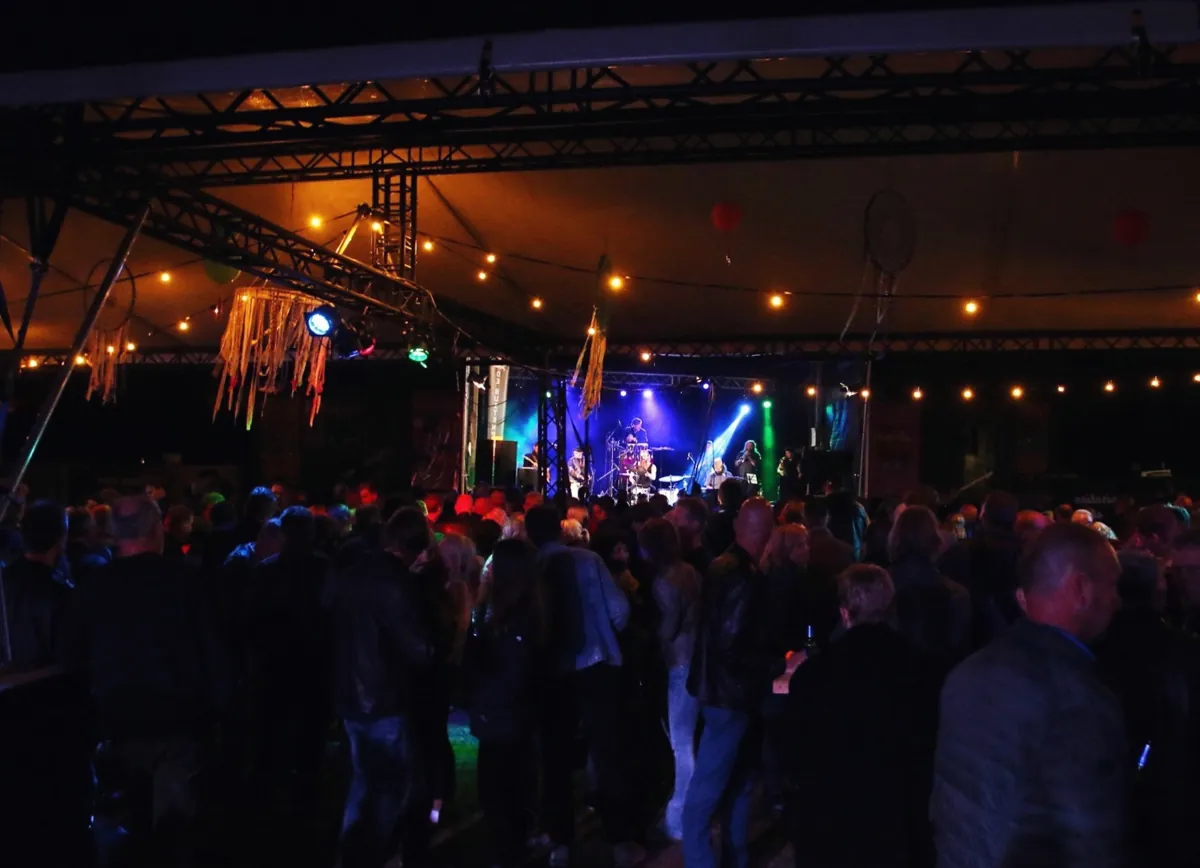
Some county fairs are known for their tractor pulls, others for their demolition derbies. The Starke County Fair, set in the flat corn-and-soybean country of northwest Indiana, has built its identity on something more elemental: food. Step through the gate and the first thing that greets you is fryer oil, grilled onions, and roasted sweet corn, layered over the barnyard notes drifting out of the livestock sheds. That combination — sweet, salty, smoky, and faintly agricultural — is the flavor of a Starke County summer.
Starke County Fair Facts Worth Knowing Before You Go
| Town / place | The Starke County area, Indiana |
| County | Starke County, Indiana |
| County seat | Knox |
| Population / land area | 23,371 residents across 312.21 square miles |
| County founded | Authorized February 7, 1835; organized 1850 |
| Region | Northwest Indiana |
| Typical timing | Summer, usually over a run of days in July |
| Admission | General grounds admission is typically free; food, rides, and grandstand events are priced separately |
| Setting and features | Open fairgrounds with livestock barns, 4-H exhibit halls, a midway, food vendors, and a grandstand |
| Organizer | A volunteer-driven community fair coordinated by local fair organizers |
What the Starke County Fair Is, in Plain Terms
The Starke County Fair is the county’s annual summer gathering — a stretch of days when the fairgrounds fill with livestock trailers, 4-H project displays, midway rides, grandstand events, and an impressive concentration of food trailers. It is part agricultural showcase, part carnival, part reunion. Families who have shown animals here for three generations stand in line behind first-time visitors who came for the elephant ears.
Because Starke County is small — 23,371 people spread across 312.21 square miles — the fair functions as a genuine community crossroads rather than an anonymous regional attraction. You will run into neighbors, former classmates, and somebody who knows your cousin. That intimacy shapes everything, including the food: vendors here tend to be local groups, church committees, and family operations rather than a rotating cast of national concessionaires.
The fair is volunteer-driven at its core. Exhibits are judged, barns are cleaned, gates are staffed, and fryers are tended by people who live within a short drive of the grounds. That is worth remembering when you are deciding whether to buy one more lemonade shake-up: the money generally stays close to home.
How the Fair Grew From an 1835 County to a Summer Tradition
Starke County was authorized on February 7, 1835, and formally organized in 1850. That fifteen-year gap tells you something about the place: this was a slow-settling corner of Indiana, drained marshland and prairie turned into some of the most productive farmland in the state. Communities grew around agriculture, and agriculture grew around the calendar of planting, harvest, and county fairs.
For another look at how a community turns its own traditions into a gathering, see the St. Joseph County Indiana 4-H Fair Festival for a useful comparison.
County fairs across the Midwest followed a similar arc. They began as competitive exhibitions where farmers compared livestock, grains, and implements, then expanded into social occasions with music, games, and food. Starke County’s version followed that path, shifting over time from a purely agricultural judging event into a full summer festival with a midway, a grandstand schedule, and a food row that many visitors treat as the main attraction.
What has not changed is the rhythm. Exhibitors still arrive early in the week to set up. Judging still happens before the crowds show up. And by the final weekend, the grounds are thick with people who came less for the ribbons and more for the food, the rides, and the chance to sit under a shade tree with a paper tray of something fried.
The Food Is the Main Event at the Starke County Fairgrounds
Ask ten people in Knox what they look forward to most and most of them will name something edible. The fair’s food scene is not gourmet, and it is not trying to be. It is fair food done with local pride: hot, fast, generously portioned, and best eaten standing up.
Fair Food That Justifies the Walk From the Parking Lot
Expect the classics done well: corn dogs, tenderloin sandwiches pounded thin and wider than the bun, hand-dipped lemonade shake-ups, roasted sweet corn, funnel cakes, elephant ears, nachos, and pulled pork. Church and civic groups often run their own stands, which means the menu changes a little from year to year — and the pie slices and baked goods tend to be genuinely homemade rather than trucked in.
Strategy matters. Eat the savory items first while the fryers are fresh and the lines are short, then circle back for something sweet once the evening crowd arrives. Bring cash for the smaller stands; card readers have spread, but small volunteer operations sometimes prefer bills.
Music, Grandstand Nights, and Local Talent
Evenings bring the entertainment. Grandstand programming in a county this size typically leans on local and regional draws — country and rock cover bands, tractor and truck pulls, and the kind of crowd-pleasing events that fill bleachers fast. Smaller stages and wandering performers keep music going around the midway and near the food row during the day.
The best approach is to check the schedule posted at the gate on the day you visit and plan your eating around whatever is happening that night. Grandstand events draw the biggest crowds, which means longer food lines just before showtime and much shorter ones during the event itself.
Family Activities That Keep Everyone Busy Between Meals
Beyond the food, the fair is built for families. Livestock barns let kids get close to cattle, swine, sheep, goats, and poultry, and exhibitors are usually happy to answer questions. The 4-H exhibit halls are worth a slow walk — photography, baking, vegetables, crafts, and woodworking projects, all judged and ribboned.
Midway rides and games fill the afternoons and evenings, with the gentler options clustered near the younger-kid areas. Many families split the day: barns and exhibits in the morning while it is cool, a food break at midday, rides in the late afternoon, then grandstand entertainment after dark.
Building a Starke County Fair Visit That Actually Works
A little planning makes a big difference at a county fair, especially if food is your priority. Here is how to think through the logistics.
Getting to the Starke County Area
Starke County sits in northwest Indiana, within easy reach of several regional corridors, which makes it a straightforward day trip from much of the northern part of the state. Knox, the county seat, anchors the local road network. If you are coming from out of town, plan your route into Knox first and follow local signage toward the fairgrounds from there.
Where to Stay for Fair Week
Lodging in the immediate area is limited, so the practical options are usually small independent motels and inns in and around Knox, vacation rentals in the surrounding townships, or larger hotel clusters in neighboring counties within a reasonable drive. Book early if you are visiting on a grandstand night or during the final weekend, when demand peaks.
Parking, Gates, and Getting Around the Grounds
Fairgrounds parking is typically on-site or in adjacent grass lots, with volunteers directing traffic. Arrive before the dinner rush for the easiest spot and the shortest food lines. Once inside, expect to walk — comfortable shoes matter more than anything else you bring. Strollers handle the main paths fine, though barn areas can be uneven.
Admission, Ride Wristbands, and a Realistic Food Budget
General admission to the grounds is typically free, which is one of the fair’s great advantages — you can wander in, eat, watch a while, and leave without feeling like you need to justify a ticket. Rides, games, grandstand events, and food are priced individually. Ride wristbands or bundled passes are often available on certain days, so ask at the gate. For food, budget per person rather than per family and assume you will spend more than you planned.
Indiana Summer Weather and What to Wear
July in northwest Indiana means heat, humidity, and the occasional fast-moving thunderstorm. Dress light, bring a hat, and carry a refillable water bottle. Sunscreen is essential if you plan to spend the afternoon walking the midway. A light rain jacket beats an umbrella when the wind picks up, and closed-toe shoes are smarter than sandals around the barns.
A Fair Weekend in Starke County, Meal by Meal
Morning: Arrive early, before the heat and the crowds. Start with the livestock barns while exhibitors are still working, then walk the 4-H exhibit halls. Grab coffee and something baked from a church stand for a light first breakfast.
Midday: This is the serious eating window. A breaded tenderloin or a corn dog, roasted sweet corn on the side, and a hand-dipped lemonade shake-up. Find shade. Watch whatever is happening in the show ring.
Afternoon: Rides and games for the kids, a slow pass through the commercial tents, and a shared order of fries or nachos as a bridge to the evening. Refill water bottles. Reapply sunscreen.
Evening: Dinner round two — pulled pork, a funnel cake, and something cold. Then find a seat for the grandstand event. Leave a little room for a final elephant ear on the walk back to the car. That is the whole point of a food-forward fair weekend.
How the Starke County Fair Compares With Nearby Indiana Festivals
Starke County’s fair sits in a region thick with summer events, and the differences are mostly about scale and personality. The Marshall County Blueberry Festival in Plymouth is a much larger, multi-day production with a signature crop at its center; it draws bigger crowds and offers a broader vendor lineup. The La Porte County Fair leans more heavily on traditional fairground entertainment and grandstand draws. Jasper County’s fair circuit offers a similar rural rhythm just to the south.
What sets Starke County apart is intimacy. With 23,371 residents county-wide, this fair cannot compete on sheer volume, and it does not try. Instead it delivers shorter lines, lower costs, familiar faces, and food that feels like it was made by someone’s aunt. If you want spectacle, head to the bigger festivals. If you want a genuine small-county evening, this is it.
Your Fair-Day Checklist for Starke County
Cash in small bills for volunteer-run food stands. A refillable water bottle. Sunscreen and a hat. Closed-toe shoes you can walk in for hours. A light rain jacket. A tote bag for baked goods and 4-H purchases. A phone charger or battery pack for a long day. A printed or screenshot copy of the day’s schedule. And an appetite you have deliberately protected by skipping lunch.
Beyond the Midway: Starke County Between Fair Days
Starke County rewards a slower look. The countryside is working farmland — corn, soybeans, and open sky — and the back roads are genuinely pleasant to drive. Knox, the county seat, has the small-town main street feel worth an hour of wandering, with local diners and shops that operate on their own unhurried schedule.
Outdoor travelers will find quiet county roads for cycling and plenty of birdlife along the field edges and waterways. Anglers and paddlers head for the region’s water trails. If you are building a full weekend around the fair, plan one morning away from the grounds to see what the rest of the county looks like when it is not hosting a festival.
Why the Starke County Fair Still Matters to 23,371 Residents
In a county of 23,371 people spread across 312.21 square miles, gathering everyone in one place is not a small thing. The fair is one of the few annual events that pulls together farm families, town residents, students, and retirees into the same few acres. It is where 4-H members learn to present their work, where local groups raise money for the year, and where kids get their first taste of independence on the midway.
It is also an economic and cultural anchor for a rural county. Vendors earn a week’s worth of income, service clubs fund their budgets, and the agricultural traditions that shaped this part of Indiana since it was organized in 1850 get passed to another generation. That continuity is the real product of the fair — the food is just the delivery mechanism.
Where the Starke County Fairgrounds Sit
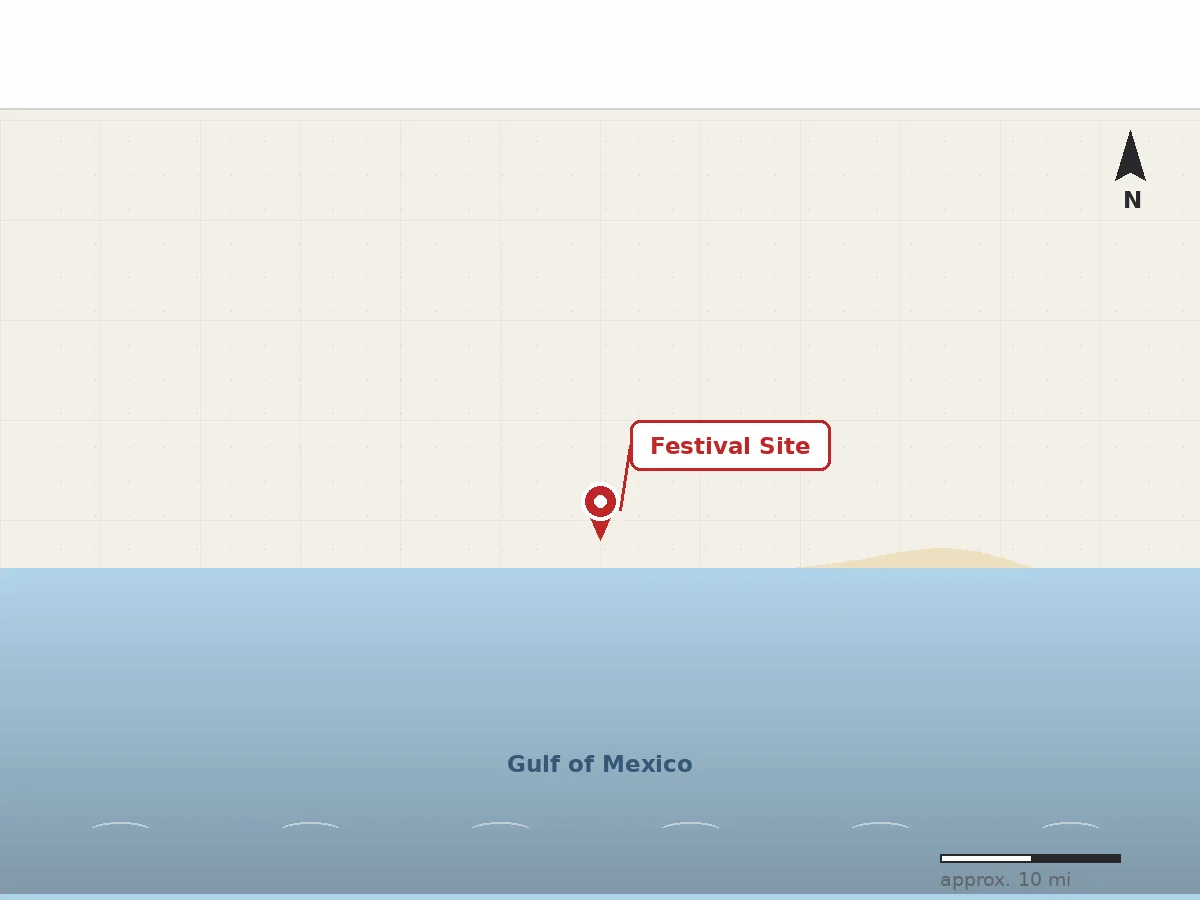
The Starke County Fair takes place at the fairgrounds serving the Starke County area in northwest Indiana, with Knox as the county seat and the most convenient reference point for arriving visitors.
Starke County Fair Questions, Answered Without the Runaround
Is the Starke County Fair free to attend?
General admission to the fairgrounds is typically free, which makes it easy to stop in for an hour or stay all evening. You pay separately for food, rides, games, and grandstand events, so a visit can be as cheap or as expensive as you choose. Bring cash for smaller stands and check at the gate for any day-specific ride passes.
What time of year does the Starke County Fair take place?
The fair is a summer event, usually held over a run of days in July. Exact dates shift from year to year, so confirm the current schedule through local Starke County sources before you plan travel. Midweek visits are quieter; the final weekend is the busiest.
What food should I not leave without trying?
Start with a breaded pork tenderloin sandwich, which is the unofficial signature of Indiana fairs. Add roasted sweet corn, a hand-dipped lemonade shake-up, and something fried for dessert — funnel cake or an elephant ear. If a church or civic group is selling pie, buy a slice. Those stands are often the best food on the grounds.
Is the fair suitable for young children and older visitors?
Yes. The grounds are flat and walkable, with barns and exhibit halls that offer shade and seating breaks. Families with young children tend to arrive in the morning when it is cooler and lines are shorter. Older visitors should plan around the midday heat, bring water, and take advantage of shaded seating near the exhibit buildings.
Looking Ahead to Future Starke County Fair Seasons
County fairs everywhere are adapting — to changing tastes in entertainment, to rising costs, and to younger families who want a shorter, more flexible visit. Starke County’s advantage is its size and its volunteer base. A fair this rooted in local participation can adjust without losing what makes it worth attending: real livestock, real exhibits, real food, and real neighbors.
Expect future seasons to keep the agricultural core intact while leaning further into food, family programming, and evening entertainment. Whatever changes, the smell of the fryers at the gate will still be the first thing you notice.
Last updated: October 2026
If you go, go hungry. The Starke County Fair is not a place to eat lightly — it is a place to walk the barns, watch the show ring, ride the midway, and eat your way from one end of the grounds to the other while the Indiana summer stretches out around you.
One Comment