St. Joseph County Indiana 4-H Fair Festival
Nobody drives to a county fair for the architecture. They drive for the smell of a grill working through a stack of pork burgers, for a paper tray of curly fries, for the moment a 4-H member leads a hog into the ring while half the crowd leans over the fence. The St. Joseph County Indiana 4-H Fair is all of that packed into one summer week, and food is the thread running through every hour of it.
Saint Joseph County spreads across northern Indiana, with South Bend as its county seat. Founded in 1830 and home to 272,912 residents at the 2020 census, the county pairs a deep agricultural base with a city-sized audience. That mix shows up in the food lines: farm families who have been coming for generations, South Bend neighbors who arrive for the tenderloins, and everyone in between.
The St. Joseph County 4-H Fair, Field by Field
| Festival | St. Joseph County Indiana 4-H Fair Festival |
| Town / area | The Saint Joseph County area of northern Indiana |
| County | Saint Joseph County, Indiana |
| County seat | South Bend |
| County population | 272,912 (2020 census) |
| County founded | 1830 |
| Typical timing | A summer week, in most years during July |
| Admission | Generally free to the fairgrounds; food, rides, and some events are priced separately |
| Setting and features | Traditional fairgrounds with barns, show rings, exhibit halls, food rows, and a midway; 4-H livestock shows, project exhibits, and family entertainment |
| Organizer | Saint Joseph County 4-H clubs and volunteer leaders |
What the Saint Joseph County 4-H Fair Actually Is
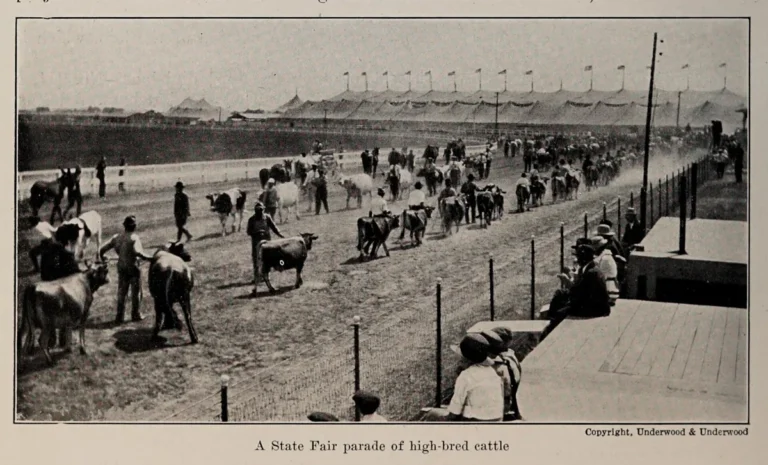
Strip away the midway lights and this is still a 4-H event. The fair is the annual showcase for the county’s 4-H clubs, the week when members bring out months of work — a market lamb, a pen of rabbits, a photography portfolio, a jar of preserves, a rebuilt small engine — and put it in front of judges, neighbors, and grandparents with cameras.
For visitors, the fairgrounds run on two rhythms at once. Barns and exhibit halls keep a daytime schedule of weigh-ins, showmanship classes, and project judging. The food rows and midway come alive in the late afternoon and run into the evening, when families arrive after work and the grandstand starts to fill. The two rhythms meet at the food stands, many of which are worked by the same clubs, churches, and community groups that support local 4-H members all year. Buying a sandwich is, in a small way, part of the fundraising.

From 1830 Farm County to a Modern 4-H Fair Week
Saint Joseph County was founded in 1830, when northern Indiana was still being divided into farms, crossroads, and small towns. For much of its first century, the county’s economy ran on agriculture and the businesses that served it. South Bend grew into the county seat and a manufacturing center, but the surrounding townships stayed tied to corn, soybeans, hogs, dairy, and fruit.
For another look at how a community turns its own traditions into a gathering, see the Spencer County Indiana Spencer County Fair Festival for a useful comparison.
4-H took shape nationally in the early decades of the twentieth century, part of a broad push to give rural young people practical education in farming, homemaking, and citizenship. County fairs were the natural stage for that work, and Indiana’s county fair tradition grew alongside it. What began as a showcase for crops and livestock gradually widened to include photography, woodworking, baking, robotics, and public speaking — a fair that reflects a county rather than just its fields.
The format has proved remarkably durable. Livestock auctions still anchor the week. Exhibit halls still smell like sawdust and sugar. The names on the show banners change every year; the structure underneath them does not.
What a Fair Day Feels Like in Saint Joseph County
Fair Food: The Main Attraction for Many Visitors
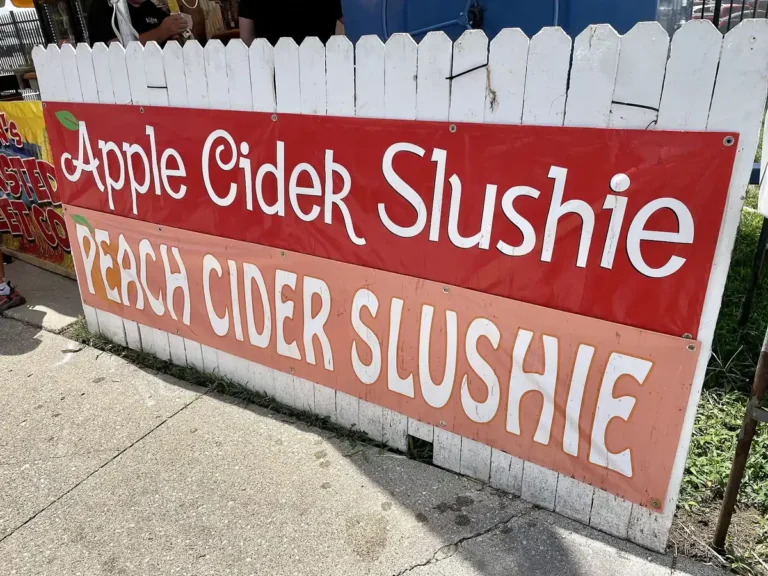
Ask ten people why they came and at least six will mention food before they mention animals. The Indiana fair canon is on full display: breaded pork tenderloins stretched wider than the bun, pork burgers, corn dogs, hand-cut fries, elephant ears, funnel cakes, lemonade shake-ups, soft-serve, and pie by the slice. Local booster groups often run the stands, which means the recipes tend to be handed down rather than invented.
Eat in stages. A tenderloin at midday, a shared order of fries in the late afternoon, ice cream once the sun drops. Portions run large, and the walk between barns and midway is your best defense against a food coma before the evening show.
Evening Entertainment and the Grandstand
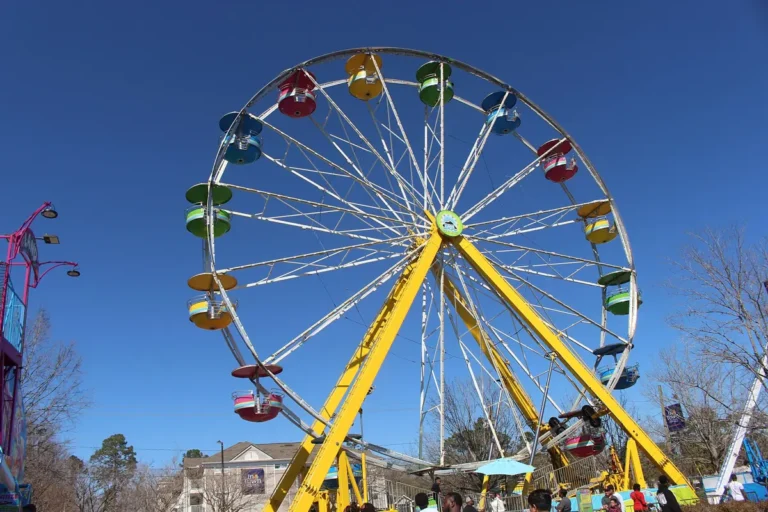
Evenings carry the loudest energy. Expect a grandstand schedule that shifts year to year — often a mix of motor sports, livestock auctions, and live music from regional bands — plus the constant hum of the midway. Smaller stages and wandering performers fill the gaps between shows, and the barns stay open late for anyone who wants to see the animals bedded down.
Family Activities Away From the Fryer
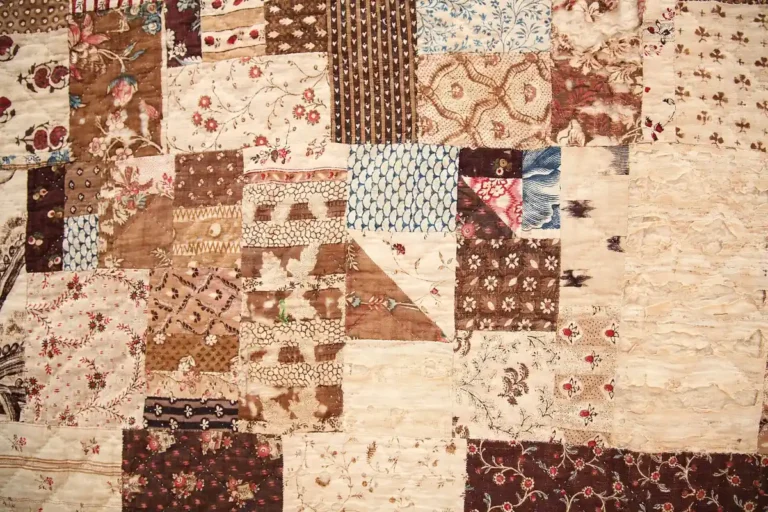
Beyond the rides, the fair is unusually good for kids who like to look at living things. Petting areas, rabbit and poultry barns, and showmanship classes give children something to watch up close. Exhibit halls reward a slower walk: quilts, canned goods, vegetables, Legos, and school art, all judged and ribboned. Mornings are calmer, cooler, and far easier for strollers.
Planning a Saint Joseph County Fair Trip
Getting to the Fairgrounds From South Bend and Beyond
The fair sits within Saint Joseph County, and most out-of-town visitors will route through South Bend, the county seat. From there, the drive is short and largely on county roads, which means a car is the practical choice. Rideshare works early in the day but gets slow and expensive at closing time.
Where to Stay Around South Bend
South Bend and neighboring Mishawaka hold the bulk of the county’s hotel rooms, from budget chains to boutique properties near downtown. Book early for fair week, especially if your visit lands on a weekend. Campers and RV owners often look at private campgrounds in the surrounding county, since fairground hookups fill quickly.
Parking, Gates, and the Daily Rhythm
Fairground parking is typically on-site or in adjacent grass lots, and it fills fastest between late afternoon and early evening. Arrive before the dinner rush or after it for the easiest spot. Gates generally open in the morning and close late; the busiest hours are roughly suppertime through the end of the grandstand show.
What Things Cost
Entry to the fairgrounds is generally free, with costs concentrated in food, rides, games, and certain grandstand events. Set a rough food budget before you go, since small purchases add up fast across a full day. Many stands take cards, but a little cash in small bills keeps lines moving.
July Heat and What to Bring
Fair week in northern Indiana usually means heat and humidity, with the occasional thunderstorm rolling through in the afternoon. Bring water, sunscreen, and a hat. Barns are shaded but warm; metal bleachers get hot. A light layer helps once the sun goes down and the grandstand breeze picks up.
A Sample Fair Weekend, Meal by Meal
| Friday late afternoon | Walk the barns before the crowds arrive, then find a seat near the show ring | Lemonade shake-up and a corn dog |
| Friday evening | Grandstand event, then a loop through the midway lights | Pork burger and a shared funnel cake |
| Saturday morning | Livestock shows and quiet exhibit halls while the grounds are still cool | Coffee and something from a breakfast stand |
| Saturday midday | Showmanship classes, commercial tents, a second look at the rabbits | Breaded pork tenderloin |
| Saturday evening | The busiest night of the week; claim a bleacher seat early | Ribeye sandwich and ice cream |
| Sunday early afternoon | Final pass through the exhibits and a goodbye to the barns | Elephant ear for the drive home |
How the Saint Joseph County Fair Stacks Up Nearby
Elkhart County, just to the east, runs its own long-standing 4-H fair and draws from a similar northern Indiana crowd, generally on a larger scale. Marshall County to the south offers a smaller, more compact fairground experience. Closer to home, a Saturday at the South Bend farmers market or an evening along the river in Mishawaka scratches a different itch — fresh produce and restaurant food rather than fryer baskets and barn aisles.
What sets the Saint Joseph County fair apart is the blend: big-county attendance with a genuinely agricultural core. You get city-sized crowds and still hear a judge’s voice calling a class in the swine barn.
Packing and Prep for a Day at the 4-H Fair
| Cash in small bills | Keeps small food purchases quick and covers stands without card readers |
| Sunscreen and a hat | Shade is limited between the midway and the grandstand |
| Refillable water bottle | Cheaper than buying bottles all day in July heat |
| Closed-toe shoes | Gravel, straw, and livestock areas are unforgiving on sandals |
| A folding chair or blanket | Useful for grandstand waits and grassy picnic spots |
| A small cooler in the car | Holds farm stand finds for the trip home |
| A meet-up plan for kids | The midway gets loud and crowded after dark |
| A light layer | Evenings cool off once the sun drops |
Beyond the Fairgrounds: South Bend, Mishawaka, and the Countryside
Make a weekend of it. South Bend, the county seat, has a walkable downtown with restaurants, breweries, and riverfront trails. Mishawaka adds shopping and riverside parks just east of the city. Out in the county, farm stands and rural roads offer sweet corn, tomatoes, and peaches in the same weeks the fair is running — a natural pairing with a fair breakfast.
With 272,912 residents counted in the 2020 census, Saint Joseph County has enough going on that the fair can be the centerpiece of a trip rather than the whole trip. Families often split a day between the barns and an afternoon in town.
The Fair’s Place in Saint Joseph County Life
For 4-H families, fair week is the payoff. A member who has fed a steer since spring, practiced a demonstration for weeks, or sewn a project for a judging table finally gets an audience. Ribbons matter, but so does the auction check that can go toward college or next year’s project.
For everyone else, the fair is a rare shared space in a county that stretches from city blocks to cornfields. Founded in 1830, Saint Joseph County has changed enormously since its first farms were broken, yet the fair still does what it has always done: it puts the county in one place for a week and feeds it well.
Where the Fairgrounds Sit in Saint Joseph County
The St. Joseph County 4-H Fair takes place on the county fairgrounds in northern Indiana, with South Bend, the county seat, serving as the closest major reference point for out-of-town visitors.
St. Joseph County 4-H Fair Answers for First-Timers
Is there an admission fee to get into the fair?
Entry to the fairgrounds is generally free. Your spending will go toward food, rides, games, and certain grandstand events, so plan a budget for those rather than for a gate ticket.
When does the fair usually take place?
It runs for a week in summer, in most years during July. Because the exact dates shift annually, check the current year’s schedule before you book a hotel or plan time off.
What food should a first-timer try?
Start with a breaded pork tenderloin, the signature sandwich of Indiana fairs. Add a lemonade shake-up, split an order of fries or an elephant ear with someone, and finish with pie or ice cream from a booster stand.
Is the fair a good outing for young children?
Yes. Mornings are the easiest window — cooler, quieter, and better for strollers — and the animal barns hold attention longer than any ride. Keep an eye on little ones near the midway after dark, when crowds thicken.
What’s Ahead for the St. Joseph County 4-H Fair
County fairs everywhere are working to stay relevant to families who no longer farm. The likely path for Saint Joseph County is the one it has already been walking: keep the livestock and project tradition at the center, broaden the entertainment, and lean on the food culture that fills the grounds every summer. Volunteer numbers, facility upkeep, and youth enrollment will shape how the week looks in the years ahead. What seems safe to predict is that the tenderloin line will still be long.
Last updated: October 2026
Come for the animals, stay for the food, and leave with straw on your shoes and a ribbon’s worth of county pride. The St. Joseph County Indiana 4-H Fair is a week that tastes like summer in northern Indiana — and it has been earning that reputation one pork burger at a time.
One Comment