Monroe County Indiana Monroe County Fair Festival
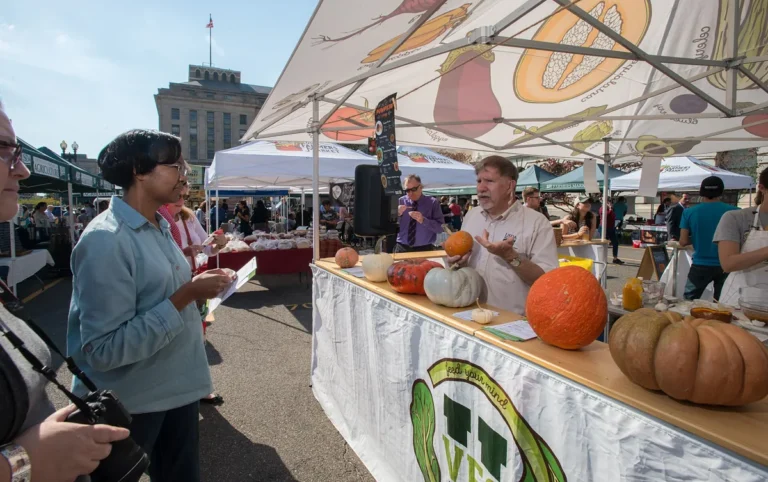
Every county has a season it belongs to, and Monroe County, Indiana, belongs to late summer. That is when heat settles over the ridges, gardens in Bloomington and the surrounding townships produce faster than anyone can eat, and the fairgrounds switch on their lights for the Monroe County Fair. For a few days each year, farm families, students, retirees, and weekend visitors end up in the same place, following the same gravel lanes between barns, exhibit halls, and the midway.
The setting matters as much as the schedule. Monroe County spreads across 411.32 square miles of south-central Indiana — wooded hills, creek bottoms, limestone country, and working farmland — with Bloomington as its county seat. Founded on January 14, 1818, the county is home to 139,718 people, a population split between a busy university city and the quiet townships around it. The fair is one of the few events that pulls both halves together without asking anyone to travel far.
There is a rhythm to the season, too. A county fair arrives after the last 4-H projects are finished and before the first school buses roll. It smells like sawdust, diesel, and fried dough, and it sounds like a loudspeaker, a hog, and a cover band at once. If you want to know how Monroe County spends its summer, the fairgrounds are the place to start.
Monroe County Fair Facts: Town, Timing, and Admission
These are the basics most visitors want before planning a day or a weekend at the fair. Because the fair is organized season by season, confirm exact hours and grandstand lineups with local listings as the date approaches.
| Town / area | Monroe County area, Indiana |
| County | Monroe County, Indiana |
| County seat | Bloomington |
| Population | 139,718 |
| Region | South-central Indiana |
| Typical timing | Summer, most often July or early August |
| Admission | Typically free at the gate; rides, food, and grandstand events cost extra |
| Setting | Rural fairgrounds with barns, a grandstand, exhibit halls, and a midway |
| Features | Livestock shows, 4-H exhibits, carnival rides, fair food, grandstand entertainment |
| Organizer | Local fair board and community volunteers |
Inside the Monroe County Fair Tradition
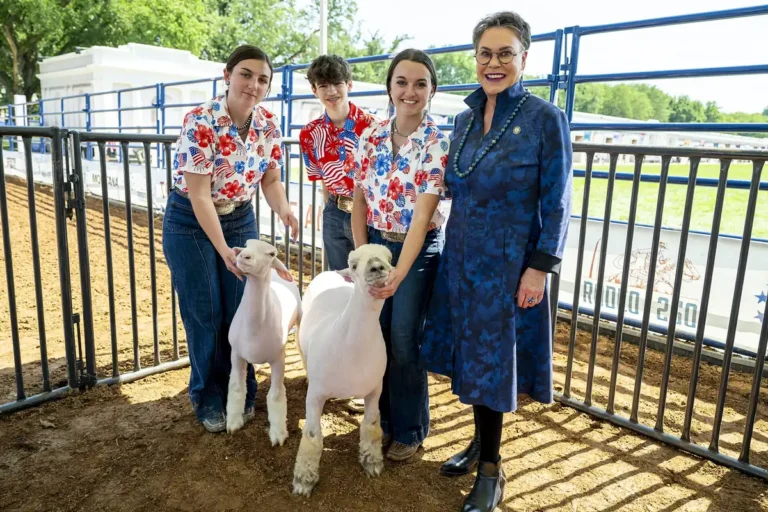
The Monroe County Fair is a traditional county fair in the fullest sense of the phrase: livestock shows, 4-H exhibits, a carnival midway, food stands run by churches and civic groups, and grandstand entertainment after dark. It takes place in the Monroe County area, within easy reach of Bloomington, and it is organized by a local fair board with help from a small army of volunteers.
For another look at how a community turns its own traditions into a gathering, see the Monroe County Indiana Bloomington Wool & Fiber Festival for a useful comparison.
What gives the fair its character is balance. A visitor can spend the morning in a barn watching a showmanship class, the afternoon in an exhibit hall studying canned peaches and quilt squares, and the evening on the midway or in the grandstand. Nothing is staged or precious; most of it is neighbors looking at what other neighbors raised, baked, built, and grew.
It is also a working event. Animals need feeding and watering, exhibitors need to be in the ring on time, and vendors need to restock. That is why the grounds feel busier early in the morning than first-time visitors expect — and why the fair has the texture of a place where real business is happening.
From Monroe County’s 1818 Farm Roots to the Modern Fair
County fairs in Indiana grew out of nineteenth-century agricultural societies, formed when farming drove the local economy and a good harvest was the biggest news of the year. Monroe County was founded on January 14, 1818, and its early decades were spent clearing land, planting crops, and moving goods to market — a world in which an annual exhibition of livestock and produce was both practical and social.
Over the decades the fair took on elements that are still recognizable today: judging of livestock, grain, and produce; displays of home crafts and preserved food; competition among townships; and a growing emphasis on teaching better methods. In the twentieth century, 4-H became the organizing spine for young exhibitors, while the midway and grandstand turned a farm exhibition into a full family outing.
The fair has moved with its county rather than against it. Bloomington grew into a university city, the townships kept farming, and the population climbed to 139,718. Through all of it, the fair remained a place where those two sides of Monroe County share a fence line — sometimes quite literally — for one week each summer.
The Fairground Rhythm: What Fills the Days
Days at the fair have a shape. Mornings belong to animals and judging, when the barns are cool and the rings are busy. Afternoons shift toward exhibit halls, rides, and shade. Evenings are when the crowd thickens, the food lines lengthen, and the grandstand fills.
Fair Food and Farm-Side Snacks
Food is one of the main reasons people come back year after year. Expect the classic midway menu — breaded pork tenderloin sandwiches, corn dogs, funnel cakes, elephant ears, lemon shake-ups, and hand-dipped ice cream — alongside booths run by local churches, civic clubs, and 4-H groups selling pie, chili, walking tacos, and homemade baked goods. Prices are set by individual vendors, so it helps to carry some cash even if most stands take cards.
Grandstand Music and Evening Entertainment
The grandstand is where the fair gets loud. In most years the evening lineup leans on live music from local and regional bands, plus the crowd-pleasing events that county fairs do well, from tractor pulls to motorsport-style contests and community competitions. Seating is usually general admission, and grandstand shows often carry a separate charge, so check the day’s schedule before you commit to a seat.
Family Activities, Livestock Barns, and 4-H Exhibits
Families with young children tend to follow the same circuit: the small-animal barn, the petting areas, the exhibit hall, and the kiddie rides. Many of the best things at the fair are free once you are through the gate — watching a rabbit judging class, reading award cards on a prize-winning tomato, or listening to a teenager explain how a project was built. Strollers work fine on the main lanes, though gravel can be a challenge after a rain.
Planning a Monroe County Fair Trip from Bloomington and Beyond
A little planning goes a long way at a summer fair, mostly because of heat, parking, and timing.
Getting There
The fairgrounds sit in the Monroe County area, close enough to Bloomington that most residents can drive out in minutes. Visitors from elsewhere in south-central Indiana generally route through Bloomington and then follow local roads to the grounds. Traffic is heaviest in the hour before grandstand events, so an earlier afternoon arrival usually means an easier entrance and a better parking spot.
Where to Stay in the Bloomington Area
Bloomington has the widest choice of hotels and short-term rentals in the county, and it is the natural base for anyone turning the fair into a weekend. Staying in town also puts you near restaurants and grocery stores if you want to break up a fair day. Book early for fair weekends, since summer is a busy season in a university city.
Parking and Getting Around the Grounds
Fair parking is typically on-site or in nearby lots, often on grass and usually directed by volunteers. Wear shoes you do not mind getting dusty, note where you parked before you walk in, and expect a short walk from the outer lots. Inside the grounds everything is walkable, and the distance from the barns to the midway is manageable even for small legs.
Admission, Ride Wristbands, and Costs
Gate admission at county fairs in this part of Indiana is typically free, with revenue coming from rides, food, games, and grandstand shows rather than a ticket at the entrance. Budget for ride wristbands or individual tickets, meals, and any evening event you want to attend. Pricing changes from year to year, so check the current season’s listings.
Summer Weather and What to Bring
Late July and early August in Monroe County mean heat, humidity, and the occasional afternoon thunderstorm. Bring water, sunscreen, and a hat; use the exhibit halls for indoor breaks; and keep a light rain jacket in the car. Evenings cool off nicely, which is one reason the fair feels best after sunset.
A Sample Fair Weekend in Monroe County
Friday evening: arrive in the late afternoon, before the dinner rush, and walk the barns while they are still quiet. Grab food from a civic-group stand, then settle in at the grandstand for the night’s main event. Finish with a slow loop through the midway lights before heading home.
Saturday: come early for the livestock shows, when the barns are at their best and exhibitors are still fresh. Spend the hot middle of the day in the exhibit halls and under shade, then return for rides and food in the evening. If a tractor pull or concert is scheduled, claim grandstand seats before the crowd arrives.
Sunday: keep it slow. Walk the barns one last time, buy something from a 4-H food booth, and let the kids use up their ride tickets. Many fairs wind down in the afternoon, so check the schedule and plan your exit before the final rush.
How Monroe County’s Fair Compares with Nearby County Fairs
Monroe County sits in a cluster of county fair traditions. To the west, the Owen County Fair in Spencer keeps a distinctly rural, agricultural feel. To the east, Brown County’s fairgrounds near Nashville draw on hill-country scenery and a strong craft culture. To the north, Morgan County’s fair in Martinsville serves an area that blends farmland with commuter towns.
Monroe County’s fair sits somewhere in the middle — large enough for a full midway and a nightly grandstand schedule, small enough that you will run into people you know. Visitors who enjoy it often build a summer circuit out of the neighboring fairs, comparing barns, food stands, and evening events. Bloomington is the biggest base in the region, which makes it the most convenient place to stay if you plan to sample more than one.
Your Monroe County Fair Checklist
Before you leave the house: check the day’s schedule in local listings, fill a water bottle, pack sunscreen and hats, bring cash for smaller stands, and put on closed-toe shoes that can handle gravel and dust.
Once you are on the grounds: pick up a schedule at the entrance, note the times of any livestock show or grandstand event you want to see, and set a meeting point in case your group splits up. If you have children, agree on a plan before the midway swallows everyone.
Before you leave: check the barns once more in the evening light, grab dessert for the drive home, and mark next summer’s fair season on the calendar while it is still fresh.
Beyond the Fairgrounds: Bloomington and the County Around It
Monroe County rewards anyone who turns a fair visit into a longer stay. Bloomington, the county seat, has a compact downtown with restaurants, coffee shops, bookstores, and live music, plus the year-round energy that comes with a large university population. It is an easy base for a fair day and a good place to unwind afterward.
Outside the city, the county opens into the hills and hollows of south-central Indiana: back roads worth driving slowly, limestone outcrops, and stretches of forest that make the trip to the fairgrounds part of the outing. Lake Monroe anchors the southern part of the county and gives visitors a reason to add a morning on the water to an afternoon at the fair.
The Fair’s Place in Monroe County Life
The Monroe County Fair does something few local events manage: it puts a university city and its surrounding farm townships in the same space, on the same evening, with the same purpose. For 4-H members, it is the payoff for months of work. For vendors and church groups, it is a fundraiser and a reunion. For families, it is a tradition that repeats every summer until it becomes part of how the season is measured.
It also keeps practical skills visible. Livestock handling, baking, woodworking, gardening, and animal care are not abstract at the fair; they are on display with ribbons attached. That visibility matters in a county of 139,718 people where most residents no longer farm. The fair is where that knowledge stays in public view.
Where the Monroe County Fairgrounds Sit
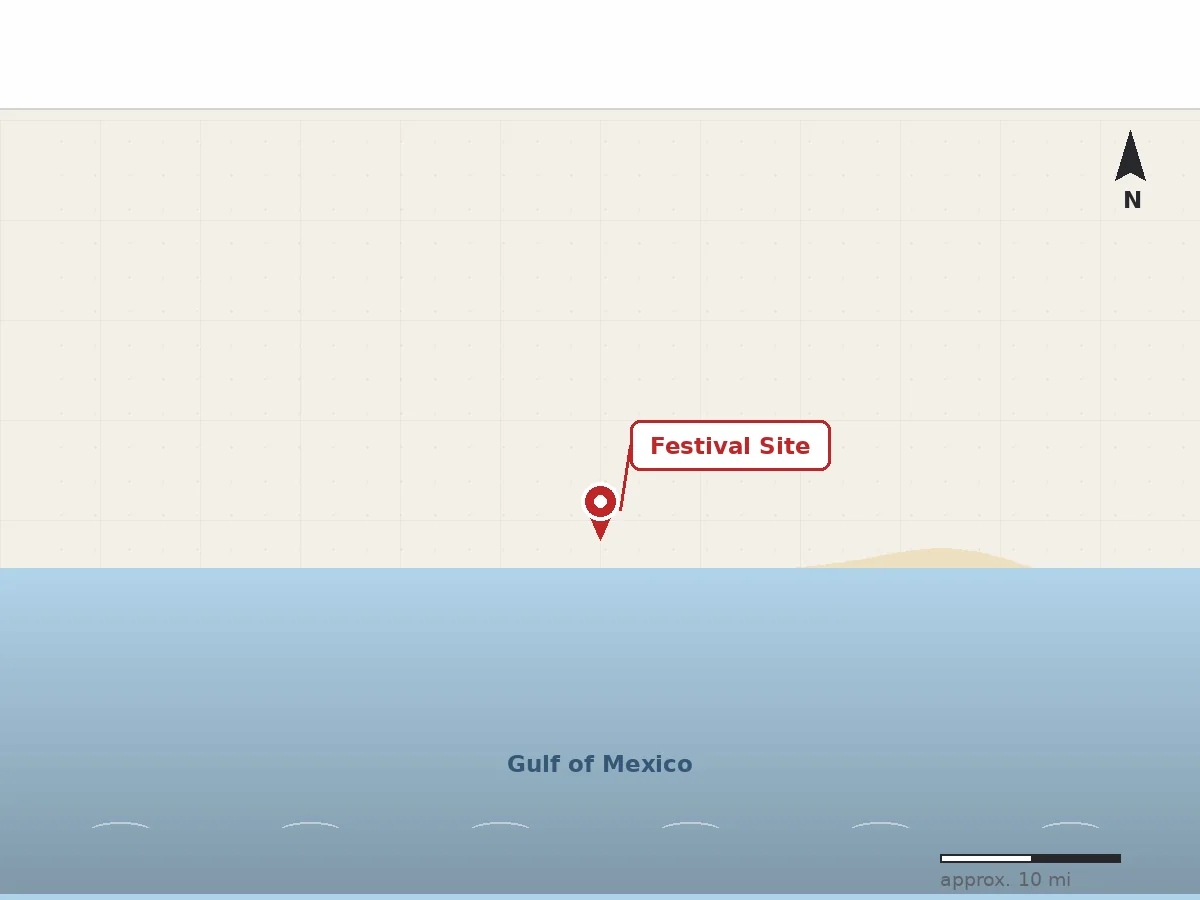
The Monroe County Fairgrounds are located in the Monroe County area of south-central Indiana, just outside Bloomington, the county seat.
First-Timer Questions About the Monroe County Fair
Is admission to the Monroe County Fair free?
Gate admission is typically free in most years, with the fair earning its revenue from rides, food, games, and grandstand events rather than a ticket at the entrance. Individual attractions and evening shows usually cost extra, and pricing is set season by season, so check current listings before you go.
When does the fair usually take place?
The fair is a summer event, most often held during July or early August, when 4-H projects are complete and the county’s farm season is at its peak. Exact dates shift from year to year, so confirm the current season’s schedule through local listings.
Is the fair a good outing for young children?
Yes. Families with small children typically spend their time in the livestock barns, exhibit halls, petting areas, and kiddie rides, all of which sit close together. Go earlier in the day when the heat is milder, bring water, and plan a mid-afternoon break in the shade.
How do I find the daily schedule and grandstand lineup?
Daily schedules are usually published by the fair board and shared through local media and community calendars in the weeks before the fair opens. Pick up a printed schedule at the gate as well — it is the fastest way to see what is happening in the rings, on the stage, and on the midway.
Looking Ahead to the Next Fair Season in Monroe County
The future of the Monroe County Fair looks a lot like its past: a volunteer-run summer gathering that depends on exhibitors, sponsors, and neighbors showing up. As the county’s population grows and Bloomington continues to expand, the fair’s role as a meeting point between city and countryside becomes more valuable, not less.
Expect the same core experience in the seasons ahead — livestock shows, 4-H exhibits, midway rides, food stands, and grandstand nights — with gradual updates to scheduling, entertainment, and grounds as the fair board plans each year. For anyone in Monroe County, the simplest advice is to watch for the summer announcement, block out a day or two, and go.
Last updated: October 2026
Whatever else changes in Monroe County, the last weeks of summer will still smell like sawdust and fried dough somewhere near Bloomington. The fair is a reminder that a county of 139,718 people, founded on January 14, 1818 and spread across 411.32 square miles, still knows how to gather in one place — and still looks forward to it all year.