Montgomery County Indiana 4-H Fair Festival

Montgomery County 4-H Fair Facts for Crawfordsville-Area Visitors
| Town | Montgomery County area, with Crawfordsville as the county seat and main local hub |
| County | Montgomery County, Indiana |
| County seat | Crawfordsville |
| Population | Small-town and rural communities spread across the county |
| Region | West-central Indiana |
| Typical timing | Summer, usually during July |
| Admission | Typically free to enter; some vendors and activities may charge |
| Setting | Fairgrounds atmosphere with barns, exhibit spaces, food stands, and outdoor gathering areas |
| Features | 4-H livestock shows, static projects, family activities, fair food, and entertainment |
| Organizer | Montgomery County 4-H volunteers, youth leaders, and community partners |
For families in and around Crawfordsville, the Montgomery County 4-H Fair is one of the summer’s most anticipated local gatherings. It blends the traditions of a county fair with the purpose of 4-H youth development, giving visitors a chance to see projects, animals, and community effort up close. The fair is not a massive commercial production; its appeal comes from the familiar fairground rhythm of exhibit halls, livestock barns, concession stands, and neighbors meeting neighbors.
A County Fair Rooted in Montgomery County 4-H Life
The Montgomery County Indiana 4-H Fair is, at its heart, a showcase for young people. Members spend months preparing livestock, crafts, baked goods, photography, woodworking, gardening, and other projects. When fair time arrives, those efforts move from kitchen tables, workshops, and barns into public view. For visitors, that means the fair is both entertaining and educational: you can watch a showmanship class, admire a carefully stitched quilt, or sample a recipe that a 4-H member has practiced for weeks.
Because Montgomery County covers 505.44 square miles, the fair draws from a wide patch of west-central Indiana. Families come from Crawfordsville and from smaller communities, farms, and rural townships across the county. The result is a fair that feels local but not tiny. You will likely run into people you know, yet there is enough variety in exhibits, food, and entertainment to fill an afternoon or an evening.
The fair also serves as a gathering point for the county’s agricultural identity. Livestock shows, tractors, and barn conversations connect visitors to the working landscape beyond the fairgrounds. At the same time, static exhibits and youth leadership activities show that 4-H is about much more than farming. It is about responsibility, creativity, public speaking, and follow-through. That mix is what makes the Montgomery County fair feel welcoming to both longtime fairgoers and first-time visitors.
From Farm Fields to Fairgrounds: 4-H in Montgomery County
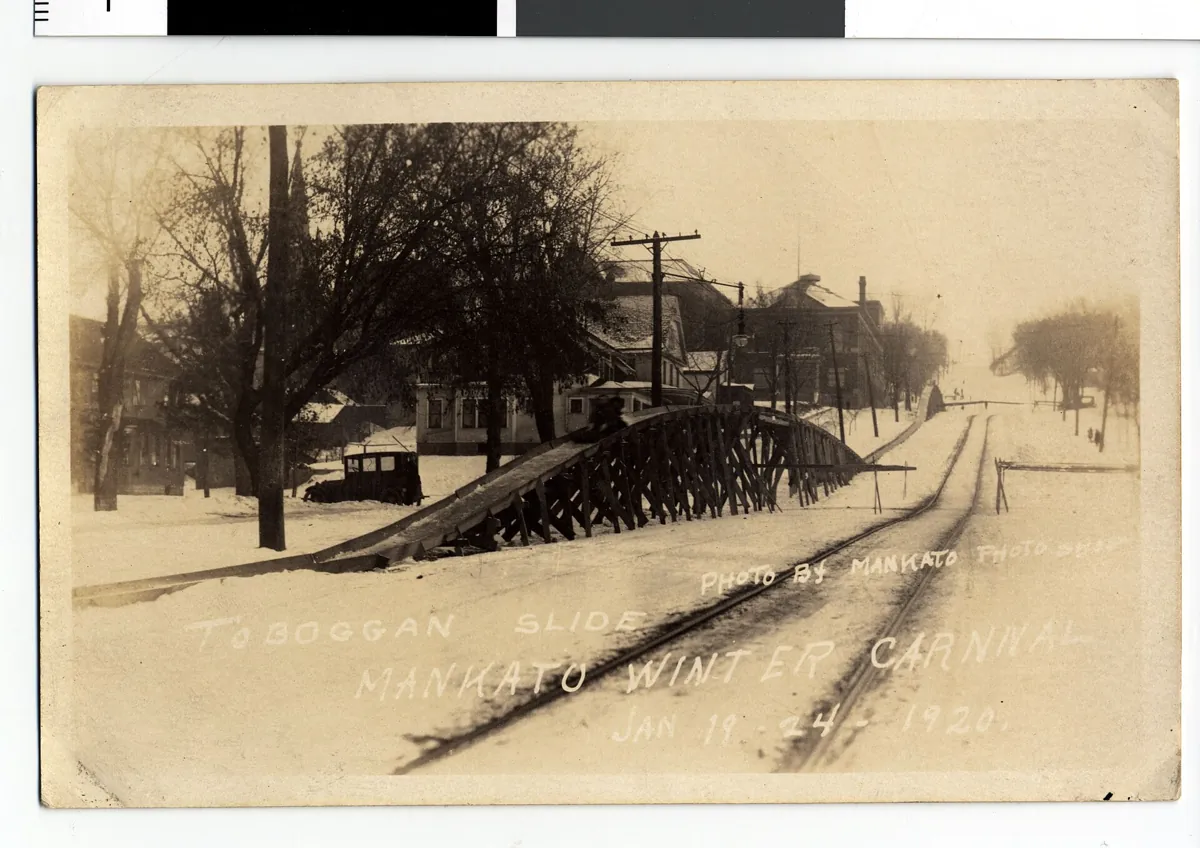
Montgomery County was authorized on December 21, 1822, and organized on March 1, 1823. Crawfordsville became the county seat, and the surrounding land developed into a patchwork of farms, small towns, and county roads. That agricultural foundation is the backdrop for the area’s fair tradition. As 4-H clubs took hold across Indiana in the twentieth century, county fairs became the natural place for young people to present what they had learned.
For another look at how a community turns its own traditions into a gathering, see the Monroe County Indiana Monroe County Fair Festival for a useful comparison.
The Montgomery County 4-H Fair grew from that same impulse: give youth a public stage, reward steady work, and bring the community together. Over time, the fair expanded beyond livestock to include home economics, science, arts, and leadership projects. The fairgrounds became a summer classroom where judging, demonstration, and friendly competition all had a place.
The fair’s early years are best understood through the broader story of 4-H and county agriculture in Indiana. Montgomery County’s fair evolved alongside 4-H itself, shaped by volunteers, extension staff, families, and businesses. Each generation added its own layer: new exhibit categories, updated show rings, better facilities, and more ways for visitors to participate. Today the fair remains a living link to the county’s rural roots and to the youth who will carry those traditions forward.
Inside the Montgomery County 4-H Fair: Food, Shows, and Family Fun
Fair Food and Concessions in Crawfordsville
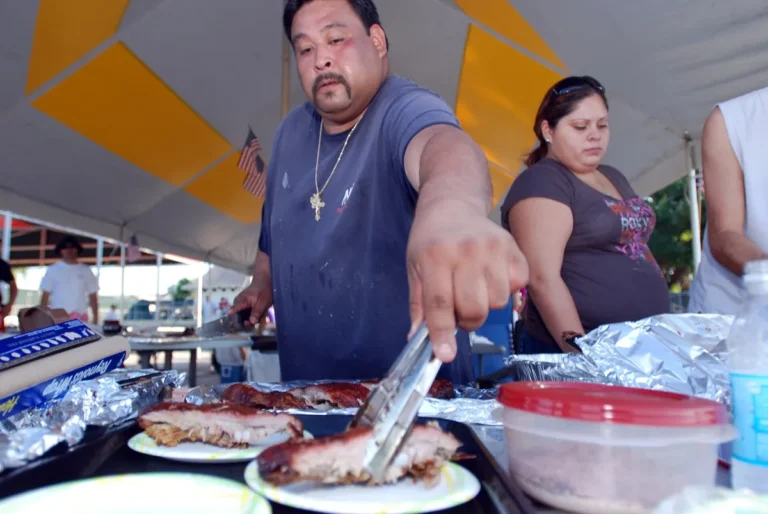
Fair food is part of the ritual. Expect the usual county-fair comfort foods: grilled burgers, tenderloins, hot dogs, fries, popcorn, funnel cakes, ice cream, and cold drinks. Local nonprofit groups often run stands, which means your purchase can support a club, church, or community organization. The exact lineup varies by year, but the atmosphere is consistent: long tables, paper trays, and conversations that stretch past the meal.
Music and Evening Entertainment
Evenings at the fair often bring entertainment to the grounds, whether it is live music, a talent showcase, a tractor pull, a rodeo-style event, or another family-friendly program. Because schedules change from year to year, check the fair’s current program before you go. The entertainment is usually included with fair admission, though some special events may have separate charges. Arrive early if you want a good seat near the stage or grandstand area.
Family Activities and 4-H Exhibits
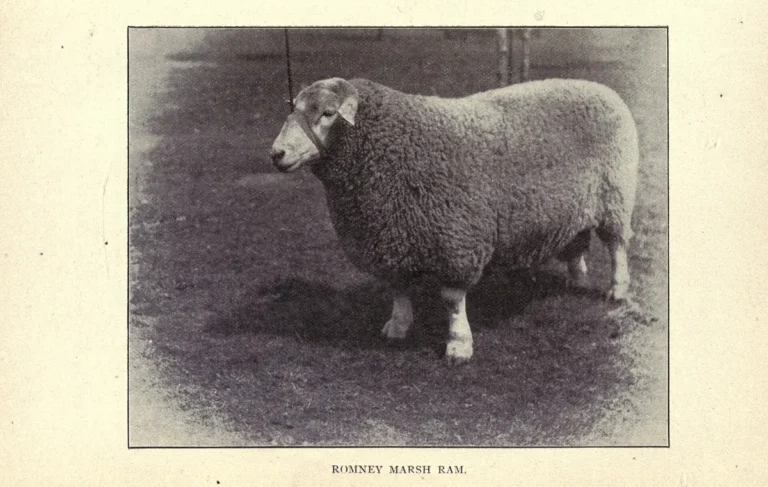
Families can spend hours moving between the barns and exhibit halls. Livestock shows feature cattle, swine, sheep, goats, poultry, and rabbits, depending on the year’s entries. Static exhibits include photography, fine arts, crafts, baking, gardening, and more. Younger children often enjoy the carnival-style rides and games if they are part of the fair that year, as well as hands-on activities and the chance to see animals up close. The fair is casual, so strollers and wagons are common.
Planning a Trip to the Montgomery County 4-H Fair
Getting There from Crawfordsville and Nearby Towns
Crawfordsville is the county seat and the most convenient reference point for out-of-town visitors. From there, fairgoers typically reach the fairgrounds by local roads, following posted signs or a GPS route to the Montgomery County fairgrounds. If you are coming from elsewhere in west-central Indiana, plan for rural two-lane highways and allow extra time for farm equipment or summer traffic. Carpooling is a good option for families and groups.
Where to Stay Around Montgomery County
Most visitors attend the fair as a day trip, but if you are traveling from farther away, Crawfordsville has the largest concentration of lodging in the county. Options generally include chain hotels, locally owned inns, and campgrounds in the surrounding area. Book early if your visit coincides with a busy summer weekend or another local event. Staying in Crawfordsville also puts you close to restaurants, grocery stores, and fuel before you head to the fairgrounds.
Parking at the Fairgrounds
Fairground parking is usually available on or near the site, often on grass or gravel lots. Arrive earlier in the evening if you want to avoid the biggest rush, especially on nights with grandstand entertainment. Follow volunteers’ directions, keep aisles clear, and be patient when leaving after the main events. If you have mobility concerns, ask about accessible parking when you arrive.
Admission and On-Site Costs
Admission to the Montgomery County 4-H Fair is typically free, though some activities, rides, food, and special events may charge separate fees. That makes the fair an affordable outing for families: you can walk through the barns, visit exhibits, and enjoy the atmosphere without a major ticket cost. Bring cash for concessions and vendors, even if some accept cards. A simple budget for food, games, and treats will keep the visit comfortable.
Summer Weather and Comfort Tips
Indiana summers can be hot and humid, and fairgrounds often have limited shade. Wear lightweight clothing, bring a hat, and carry water. Sunscreen is essential for afternoon visits. Evenings are usually more comfortable, but they can still be warm. If rain is in the forecast, wear shoes you do not mind getting muddy, since barn areas and parking lots can become soft. A light rain jacket is easier to manage than an umbrella in crowded areas.
A Sample Summer Weekend at the Montgomery County 4-H Fair
Start a Saturday morning with the livestock barns. Animals are often most active during morning feeding and preparation, and the show rings may already be busy. Walk through the poultry and rabbit areas first if you have young children, then move to the larger animals. Take time to read the project tags and ask questions when exhibitors are not rushing to a class.
By midday, head to the exhibit halls. This is a good time to see static projects, from photography and crafts to baked goods and garden displays. Grab lunch from a concession stand and find a shaded spot to eat. In the afternoon, check the schedule for a showmanship class, a demonstration, or a family activity. If rides or games are part of the fair, this is also a natural time for children to burn off energy.
Return in the evening for the fair’s social peak. The barns stay open, food stands hum, and entertainment draws a crowd. Find a seat early for the main event, then take a slow loop through the grounds after dark. Before leaving, stop for dessert and check the next day’s schedule. A Sunday visit can be quieter and is often a good time to see exhibits without the biggest crowds.
How the Montgomery County Fair Compares with Nearby Indiana Events
Compared with the Indiana State Fair in Indianapolis, the Montgomery County 4-H Fair is smaller, more local, and easier to navigate in a single afternoon. It offers a similar mix of livestock, food, and entertainment but with a stronger neighborhood feel. The Tippecanoe County Fair near Lafayette and the Putnam County Fair near Greencastle are closer comparisons: both are county-level events with 4-H roots and community programming. Visitors who enjoy those fairs will find Montgomery County’s version familiar, while the Crawfordsville setting gives it a distinct local character.
For a slower day, nearby towns like Crawfordsville, Ladoga, and Waynetown offer small-town dining and rural scenery. A fair visit can easily be combined with a drive through the county. The key difference is scale: Montgomery County’s fair is not trying to be a regional amusement park. It is a county fair, and that is exactly its strength.
Montgomery County 4-H Fair Checklist for a Smooth Visit
Before you leave, confirm the day’s schedule online or through local listings, since fair hours and events can change. Pack water, sunscreen, hats, and comfortable shoes. Bring cash for concessions, games, and vendor purchases. If you are visiting with children, set a meeting point in case anyone gets separated. Check the weather and bring a light rain jacket if showers are possible. Arrive with patience for parking and a willingness to walk between barns and exhibit halls. Finally, leave room in your bag for small purchases from 4-H and community booths.
Beyond the 4-H Fair: Exploring Crawfordsville and Montgomery County
Crawfordsville is the county seat and a natural base for exploring Montgomery County. The county covers 505.44 square miles, so there is plenty of rural landscape to drive through between fair visits. Downtown Crawfordsville has local shops, restaurants, and historic architecture, while the surrounding countryside offers backroad views of farms, tree lines, and small communities.
If you have extra time, pair your fair visit with a walk or drive through the area. The county’s size means you can spend a morning at the fair and still have time to explore a different part of Montgomery County in the afternoon. Families may enjoy local parks and picnic spots, while history-minded visitors can appreciate Crawfordsville’s role as the county’s civic center. The fair is a great introduction, but it is not the only reason to spend a day in the area.
How the 4-H Fair Strengthens Montgomery County Connections
The Montgomery County 4-H Fair does more than fill a summer week with events. It gives young people a place to be taken seriously. A 4-H member who explains a project to a judge, leads an animal through a ring, or serves on a committee is practicing skills that last far beyond the fairgrounds. The fair is a public celebration of that growth, and the community plays an essential role by showing up, asking questions, and supporting the work.
It also strengthens local ties. Volunteers staff gates, organize exhibits, cook food, and clean up after the crowds. Businesses and organizations sponsor events. Families reconnect. For a county of Montgomery County’s size, the fair is a shared calendar moment that crosses generations. Whether you come for the livestock, the food, or the chance to see neighbors, you are part of a tradition that depends on participation.
Montgomery County 4-H Fair Location and Local Reference
The Montgomery County 4-H Fair takes place in the Montgomery County area of west-central Indiana, with Crawfordsville serving as the county seat and primary local reference point.
First-Time Visitor Answers for the Montgomery County 4-H Fair
Is the Montgomery County 4-H Fair free to attend?
Admission is typically free, though individual vendors, rides, and some special events may charge fees. Check the current fair schedule for any ticketed activities before you go.
What is the best time to visit the fair?
Evenings are the most social and lively, especially when entertainment is scheduled. Mornings are better for livestock barns and a quieter look at exhibits. If you want a balance, arrive in the late afternoon and stay into the evening.
Are there activities for young children?
Yes. Young children often enjoy seeing animals, walking through exhibit halls, and participating in family-oriented activities. Rides or games may be available depending on the year. Bring a stroller or wagon if little legs may get tired.
How do I get to the fair from Crawfordsville?
From Crawfordsville, follow local signs or a GPS route to the Montgomery County fairgrounds. The drive is usually short, but allow extra time during peak evening hours and follow volunteer directions for parking.
Looking Ahead for the Montgomery County 4-H Fair
The future of the Montgomery County 4-H Fair will depend on the same things that built it: youth participation, volunteer energy, and community support. As 4-H projects evolve, the fair is likely to keep adding new categories and activities while preserving the livestock shows, exhibit halls, and fair food that visitors expect. Families who make the fair part of their summer routine help ensure it remains a vibrant county tradition for years to come.
Last updated: October 2026
Whether you are a longtime Montgomery County resident or a first-time visitor from another part of Indiana, the 4-H Fair offers a genuine slice of local life. Come hungry, wear comfortable shoes, and leave time to talk with the families behind the exhibits. The fair is not just an event to attend; it is a community to join for a few summer days.
One Comment