Miami County Indiana Peru Visual Arts Festival
Peru Visual Arts: A Miami County Weekend I Keep Coming Back To
The first time I drove into Peru for the visual arts weekend, I expected a modest sidewalk show and a folding table of watercolors. What I found instead was a county that treats its artists like neighbors — because in Miami County, they often are. The Miami County Indiana Peru Visual Arts Festival spills through the county seat and out into the surrounding communities, and after several years of returning, I know which corners to hit early and which to save for the quiet part of the afternoon.
This is not written from a single visit. It is what a repeat visitor notices: where the crowd thins, when the light is best for photographing a canvas, which local groups set up near the square, and why this weekend feels different from the larger art fairs a few hours down the highway.
Miami County Indiana Peru Visual Arts Festival: The Facts Before You Go
Miami County sits in north-central Indiana, and the festival takes its name from Peru, the county seat. These are the details I check before every return trip, because they shape everything from driving time to how far you will walk in a day.
| Town and place | Peru, Indiana, and the surrounding Miami County area |
| County | Miami County, Indiana |
| County seat | Peru |
| County population | 35,962 |
| Region | North-central Indiana |
| Typical timing | A weekend in the warmer half of the year; the exact season shifts from year to year |
| Admission | Typically free to walk the festival; artists set their own prices |
| Setting | Downtown Peru streets and lawns, with indoor venues close by |
| Features | Painting, drawing, sculpture, photography, fiber and craft, live demonstrations, youth exhibits |
| Organizer | A volunteer arts committee working with local businesses and community partners |
What This Peru Arts Weekend Really Is
Strip away the schedule and the Peru Visual Arts Festival is a walkable exhibition of work made by people who live within an hour or two of the county line. Paintings and drawings dominate, but you will also find photography, sculpture, ceramics, fiber work, jewelry, woodcraft, and printmaking. Booths sit close enough together that you can talk with the person who made the piece in front of you — which, for me, is the whole point. Many artists demonstrate as they work, so you watch a canvas or a clay form come together rather than only buying the finished result.
Because admission is typically free, the weekend works as a low-risk introduction to collecting. I have watched first-time buyers start with a small print or a mug and return the next year for something larger. Sales go directly to the artists, and most booths accept cash, with cards increasingly common but not guaranteed. Indoor venues anchor the outdoor rows, so a sudden shower does not end the day.
For another look at how a community turns its own traditions into a gathering, see the Miami County Indiana Circus City Festival for a useful comparison.
From 1832 to Now: Miami County’s Long Habit of Making Things
Miami County was founded in 1832, and its 377.39 square miles hold a population of 35,962 today — a spread-out, largely rural county where towns are separated by farmland and river bottoms. Peru, the county seat, grew as a trading and manufacturing center, and that civic habit of building things by hand never really left. County identity here is tied to making: machinery, music, circus spectacle, and, increasingly, visual art.
The visual arts weekend did not appear out of nowhere. It grew from a longer local habit of showing work in public — school art rooms, county fair exhibit halls, church bazaars, library walls, and storefront windows along the main streets. As downtowns across Indiana worked to fill empty commercial space, galleries and studios moved into buildings that once held dry goods and hardware, and an annual festival gave all of it a date to aim for.
What has changed in the years I have attended is scale rather than character. More artists apply, more families make it a tradition, and the demonstrations have grown more ambitious. What has not changed is the way the weekend still feels like a county gathering rather than a trade show. Artists remember repeat buyers. That continuity is why I keep the date circled.
What Returning Visitors Notice: Food, Sound, and Family Time in Peru
A first-timer tries to see everything. A returning visitor plans around appetite, energy, and shade. Mornings are best for talking with artists, early afternoons for food and music, and late afternoon for a second pass at anything you talked yourself out of buying the first time.
Food and Drink Between the Artist Booths
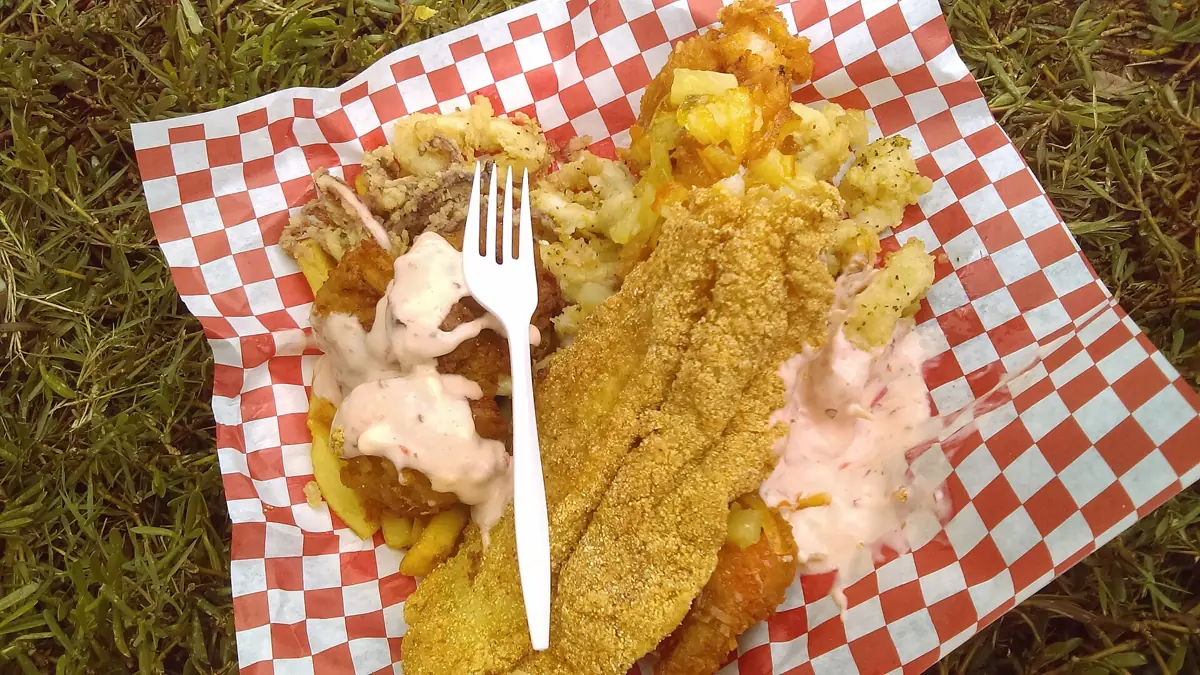
Food here leans on the strengths of the county. Expect the standard Indiana fair vocabulary — breaded pork tenderloin, corn dogs, elephant ears, kettle corn — alongside church-group pie slices, locally baked goods, and food trucks parked at the edges of the art rows. Coffee shows up early and lemonade shakes late. Downtown restaurants and diners fill fast at noon, so I eat at an odd hour and spend the rush browsing instead. Bring cash for small vendors, and plan at least one sit-down meal in Peru rather than eating entirely on your feet.
Music and Live Entertainment Across Downtown Peru
Music is the constant background of the weekend: acoustic duos, school ensembles, church choirs, and local bands rotating through a stage or two. The lineup tends toward what a county audience will genuinely enjoy — folk, country, light rock, gospel, and the occasional jazz combo. Because the sound carries across the art rows, the festival never feels silent. Catch a set, then walk the far end of the grounds while the crowd is bunched at the stage.
Family Activities for Kids in Miami County
This is one of the more genuinely family-friendly art weekends in the region. Hands-on tables let kids try clay, printmaking, chalk drawing, or simple painting, and youth exhibits put student work on the same footing as adult pieces — which matters more than it sounds. Stroller traffic is manageable on the wider streets, though some indoor venues are tight. Plan a mid-afternoon break at a park, keep water handy, and let kids pick one small item to buy with their own money.
Planning Your Return Trip to Peru, Indiana
Getting There: Routes Into Miami County
Peru sits in north-central Indiana, and most visitors arrive by car. The main north-south corridor through the county makes the trip straightforward from Indianapolis to the south and from the Michigan line to the north, with east-west routes connecting toward Logansport, Wabash, and Kokomo. Coming from out of state, plan the last stretch on two-lane roads; you will pass farm fields and small towns, and that drive is part of the experience. Fuel up before you reach town, since festival-day traffic slows near the center.
Where to Stay Around Peru and Miami County
Lodging in the immediate area is limited, so returning visitors book early. Options include the hotel cluster along the highway corridor, independent motels and bed-and-breakfast-style stays closer to town, and campgrounds for anyone traveling with a trailer or tent. If everything local is full, Kokomo, Wabash, Logansport, and Rochester are all reasonable bases within a short drive. Staying overnight changes the trip — you get early morning light on the art rows and a quieter dinner after the crowds leave.
Parking Near the Peru Visual Arts Festival
Parking is the one thing I plan in advance. Street spaces near the center fill by mid-morning, and lots at churches, businesses, and municipal sites open with varying rules on festival weekends. Arrive before the late-morning rush, expect to walk several blocks, and note where you parked — downtown Peru is easy to navigate, but the one-way patterns can confuse a tired visitor at dusk. Visitors with mobility concerns should look for drop-off points near the main entrance area before parking.
Admission, Costs, and What to Budget
Admission is typically free, which is unusual for an event this size and a big reason families return. Your real spending is art, food, and parking, plus anything you buy downtown. I set a budget beforehand and treat the art purchase as the main line item, because it is easy to spend the whole day on snacks and forget the reason you came. Prices range widely from booth to booth, so there is usually something at every level. Carry some cash even if you mostly use a card.
Miami County Weather and What to Wear
Indiana weather in the warmer months is humid and changeable. Mornings can be cool, afternoons genuinely hot, and a passing storm is always possible. Dress in layers, wear shoes you can walk in for hours, and bring a hat and sunscreen for the outdoor rows. If rain moves in, indoor venues keep the festival alive. In cooler seasons, add a windproof layer, since open streets and river valleys can feel colder than the forecast suggests.
A Two-Day Insider Itinerary for the Peru Visual Arts Weekend
Day one, arrive early. Park within a few blocks of the center, grab coffee, and walk the art rows before the crowd builds — this is when artists have time to talk. Break for lunch at an odd hour, catch an afternoon music set, then do a slow second lap with a specific purchase in mind. Finish with dinner in town and a walk past the lit windows of downtown storefronts.
Day two, go beyond the booths. Return for the demonstrations and youth exhibits you missed, then spend the afternoon on the county — the lake, the nature areas, a local shop or orchard — and see why artists here keep painting barns, rivers, and small-town streets. Leave before the final hour for an easy exit, or stay for the closing atmosphere, which is quieter and, in my experience, the best time to buy.
How Peru Compares With Nearby Indiana Arts Towns
Peru is not the only county seat in the region with an arts identity. Wabash, to the west, has a restored downtown theater and a strong preservation streak, and its calendar leans toward performance as much as visual work. Kokomo, to the south, is larger, with a broader mix of industry, museums, and city-scale events. Logansport, to the east, is a river town with its own community festival rhythm.
What sets the Peru festival apart is proportion. It is small enough to see in a day, but organized enough that it never feels improvised. Compared with a big-city art fair, prices are gentler and conversation comes easier. Compared with a purely local craft show, the range of work is wider. For a returning visitor, that middle position is exactly the appeal.
A Returning Visitor’s Checklist for the Peru Visual Arts Festival
| Item | Why it matters |
| Cash in small bills | Many booths and food vendors still prefer it |
| Reusable water bottle | Outdoor rows get warm by early afternoon |
| Layers and comfortable shoes | The day means hours on your feet |
| A tote or sturdy bag | Protects prints and ceramics on the walk back |
| Charged phone, plus a paper note | Artist names, booth numbers, meeting points |
| Room in the schedule | Set times shift, and the best talks are unscheduled |
Beyond the Booths: Miami County the Rest of the Year
The festival is a good excuse to see the county properly. Peru is the birthplace of songwriter Cole Porter, and that musical heritage still shapes the town’s identity. The community also carries a deep circus history, with a hall of fame and museum devoted to the traveling shows that once wintered here. Both are the kind of stop that rewards an extra hour.
Outdoors, the county offers lake and river country — fishing, boating, paddling, and trails — plus a well-known rock formation along the Mississinewa that photographers return to in every season. Aviation history draws visitors to the air museum near the reserve base. Add the county fair, high school arts programs, library exhibitions, and downtown shops, and you have a calendar that extends well past one weekend.
The Role This Arts Weekend Plays in Miami County Life
In a county of 35,962 people spread across 377.39 square miles, gathering everyone in one place takes real effort. The festival does that. It gives students a public wall, gives retired makers a reason to keep working, and gives small businesses a weekend worth staffing up for. Volunteers carry most of it, which is why the mood stays generous.
There is an economic argument, but the cultural one is stronger. When a rural county decides that art belongs downtown, on the same streets as the hardware store and the diner, it says something about who is welcome. Returning visitors feel that, and it is why people like me keep blocking out the weekend.
Where the Festival Sits in Peru, Indiana
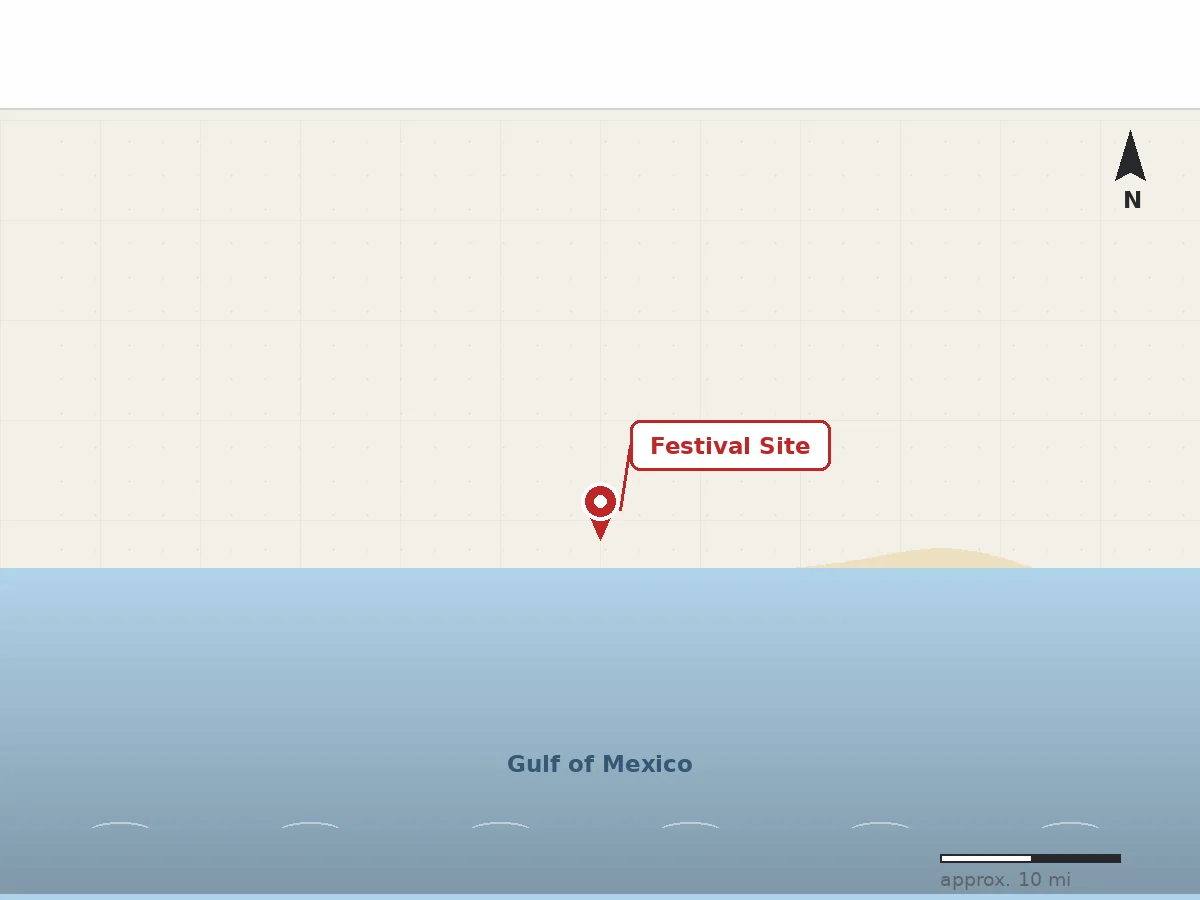
The Peru Visual Arts Festival takes place in and around downtown Peru, the Miami County seat in north-central Indiana, with art rows, food vendors, and performance spaces clustered within walking distance of the city center.
Peru Visual Arts: Straight Answers Before You Drive In
Is the Peru Visual Arts Festival free to attend?
In most years, yes — admission is typically free, and your money goes to artists, food vendors, and local businesses rather than a gate. Some individual workshops, special exhibits, or ticketed performances may carry a small charge, so check the current year’s listings before you go. Bring cash for the smaller booths.
When is the festival held each year?
It is a weekend event, and the exact season shifts from year to year, so the reliable move is to confirm the current date with local sources before booking lodging. Returning visitors treat it as a warm-weather weekend and build flexibility into their travel plans.
How much time should I plan for the festival?
Most visitors can walk the full festival in half a day, but I would give it a full day and stay overnight if you can. That leaves room for demonstrations, a music set, a real meal, and a second pass at the art — which is usually when the right piece finds you.
Is the festival good for young children and older visitors?
Yes, with planning. Hands-on activities keep kids engaged, the grounds are walkable, and indoor venues offer rest and shade. Older visitors should plan drop-offs and shorter loops rather than trying to cover every row, and anyone with mobility concerns will find the wider streets easier than the tighter indoor spaces.
Looking Ahead at the Peru Visual Arts Festival
The direction of travel looks steady. Each year brings a slightly wider mix of media, more student work, and better use of the county’s indoor spaces as year-round exhibition venues. Growth here has been incremental rather than explosive, which suits a county this size. The risk for any volunteer-run festival is burnout, and the answer is more hands, not more spectacle.
For visitors, that means planning loosely, confirming details locally, and expecting the festival to feel familiar if you have been before. If you have not, the return trip is the one that teaches you how to do it — which is the best argument I can make for going twice.
Last updated: October 2026
Peru and Miami County have built something that does not need a big marketing push to work: a free, walkable weekend where the work on the walls was made by people you can shake hands with. Go once to see it. Go again to understand it.