Marion County Indiana 500 Festival

Ask ten people what the 500 Festival is and you will get ten different answers. One person means the parade through downtown Indianapolis. Another means the road race that draws runners from across the Midwest. Someone else means a morning of kids’ activities in a county park, or a week of build-up before the Indianapolis 500 itself. All of them are right. That is the first thing a newcomer has to absorb: this is not one event on one afternoon. It is a season of events spread across the Marion County area, and it rewards a little planning.
This orientation is written for the first-timer — the visitor who has heard the name, maybe seen it on a banner, and wants to know what actually happens, where it happens, and how to slot it into a real weekend. Marion County, Indiana, founded April 1, 1822, and covering 403.01 square miles, is the stage. The festival is the show.
First-Timer Essentials: The 500 Festival in Marion County
| Town / area | The Marion County area, anchored by Indianapolis |
| County | Marion County, Indiana — founded April 1, 1822; 403.01 square miles |
| County seat | Indianapolis |
| Population base | Indianapolis and the surrounding Marion County communities |
| Region | Central Indiana |
| Typical timing | Each May, across the weeks around the Indianapolis 500 |
| Admission | Most public events are free to attend; some participant events require registration |
| Setting | Urban streets, parks, and civic spaces throughout the county |
| Signature features | Parade, running events, youth programs, race-week traditions |
| Organizer | Community organizers and volunteers across Marion County |
What the 500 Festival Really Is in Marion County
Strip away the branding and the 500 Festival is a civic celebration with a motor-racing heartbeat. It exists because a race became a cultural event, and a cultural event needed more than a grandstand to hold it. So the county built a festival around it: a rolling calendar of public gatherings that turns the whole of May into something closer to a regional holiday season than a single ticket.
For a first-timer, the practical shape of it matters more than the philosophy. Some events are spectator events — you show up, you find a spot, you watch. Others are participatory, which means you register in advance and you are part of the thing rather than watching it. A third category is aimed squarely at families and neighborhoods: free, casual, easy to drift into without a plan. Understanding which category you are walking into saves a lot of confusion.
What ties it together is place. This is not a festival that happens in a field outside town. It happens on the streets, in the parks, and around the civic landmarks of the Marion County area, which means the county itself — its downtown, its neighborhoods, its suburbs — is part of the experience.
For another look at how a community turns its own traditions into a gathering, see the Madison County Indiana Lapel Village Fair Festival for a useful comparison.
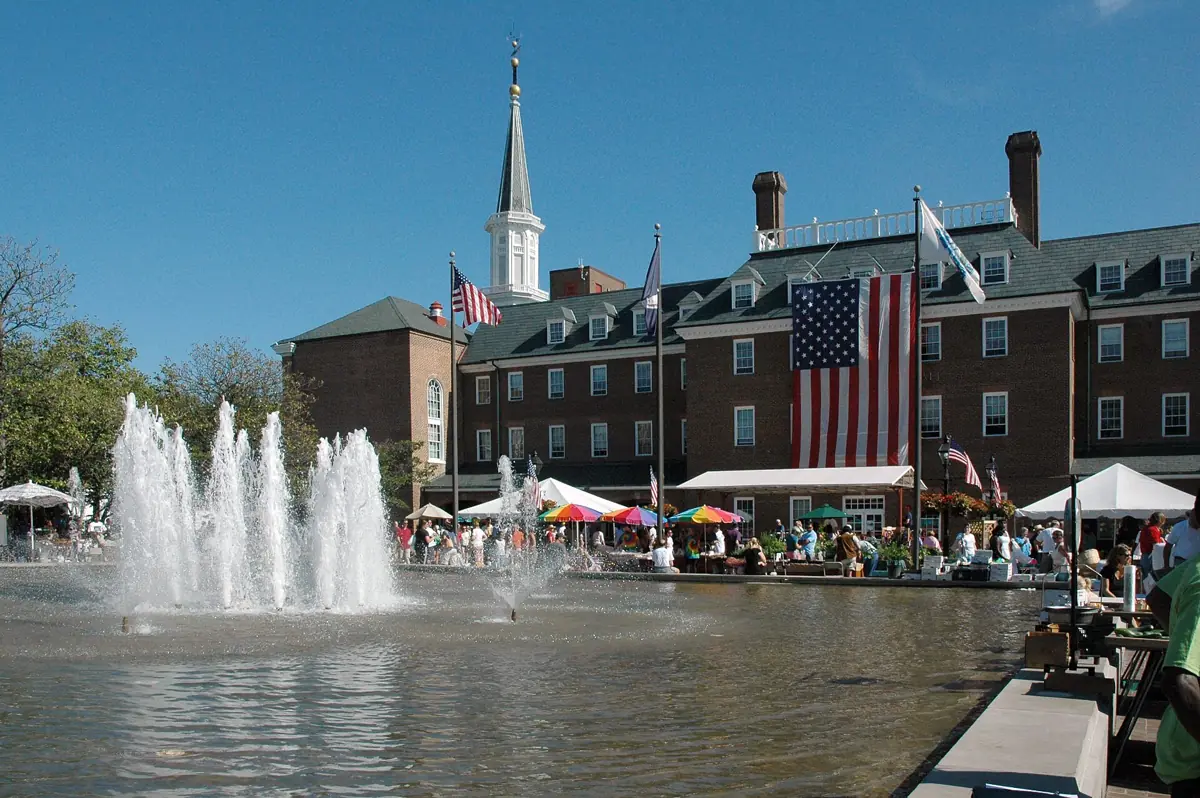
Marion County’s 500 Festival History, Told in Eras
The county is older than the festival by a wide margin. Marion County was established on April 1, 1822, when this part of central Indiana was still a young grid of surveyed land and a courthouse square. For most of the nineteenth century, its civic calendar revolved around agriculture, commerce, and the ordinary rhythms of a growing midwestern seat of government.
The twentieth century changed the county’s identity. A speedway built on the west side of Marion County turned auto racing into a local industry and, eventually, a global spectacle. As the race grew, so did the crowds, the visitors, and the appetite for something more than a single afternoon of competition. The festival emerged from that appetite: a way to give the surrounding weeks a shape and to give residents a reason to celebrate alongside the visitors.
From there the story is one of steady accretion. Events were added. Running became part of the identity, then youth programming, then neighborhood-level activities that had nothing to do with engines at all. Over the decades the celebration stretched from a few days into a full month, and from a downtown core into a county-wide footprint. The through-line never changed: a community using a famous race as an excuse to gather.
Your First 500 Festival: What the Day Actually Feels Like
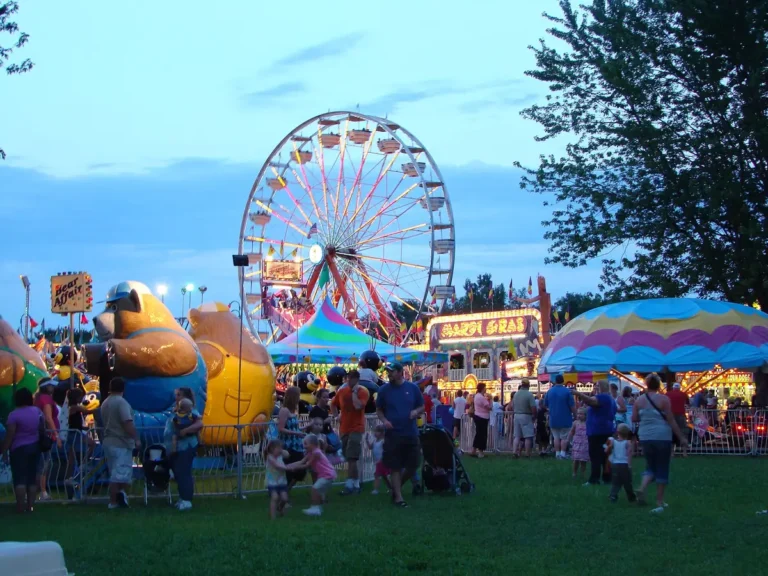
Expect crowds, but expect them to be friendly and mostly local. Expect a lot of walking. Expect the mood to shift depending on which event you have chosen — a parade morning feels different from a race morning, which feels different again from a family activity day in a park.
Food and Drink Along the Festival Route
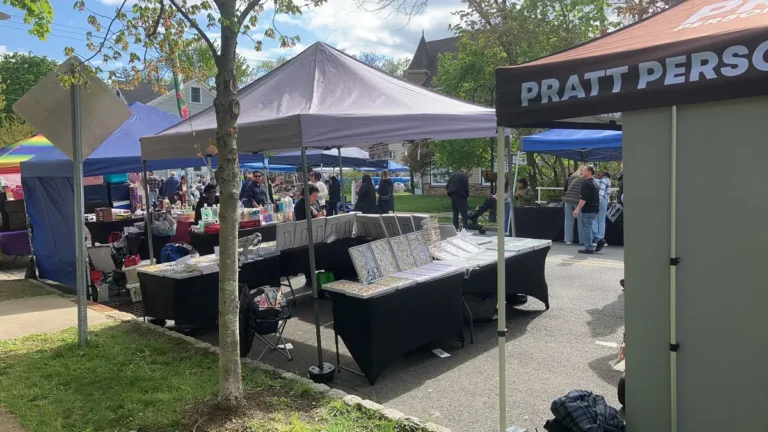
Food at the 500 Festival leans toward what you would expect from a large Indiana gathering: portable, hearty, and built for eating standing up. Expect vendors and trucks clustered near the biggest events, with the usual festival lineup of grilled items, fried snacks, sweets, and cold drinks. Downtown Indianapolis gives you a second option that most first-timers underuse — arrive early, eat a proper meal at a restaurant near the route, and then walk to your spot instead of queueing at a stand.
Music, Parades, and Entertainment
The parade is the centerpiece for most newcomers, and it is the event that best explains the festival’s personality: marching bands, floats, community groups, and a crowd that lines up early and stays put. Beyond the parade, live music and staged entertainment appear across the month, usually in open-air settings where you can come and go. If you only have one day, the parade is the safest bet. If you have two, pair it with a musical evening.
Family-Friendly Activities
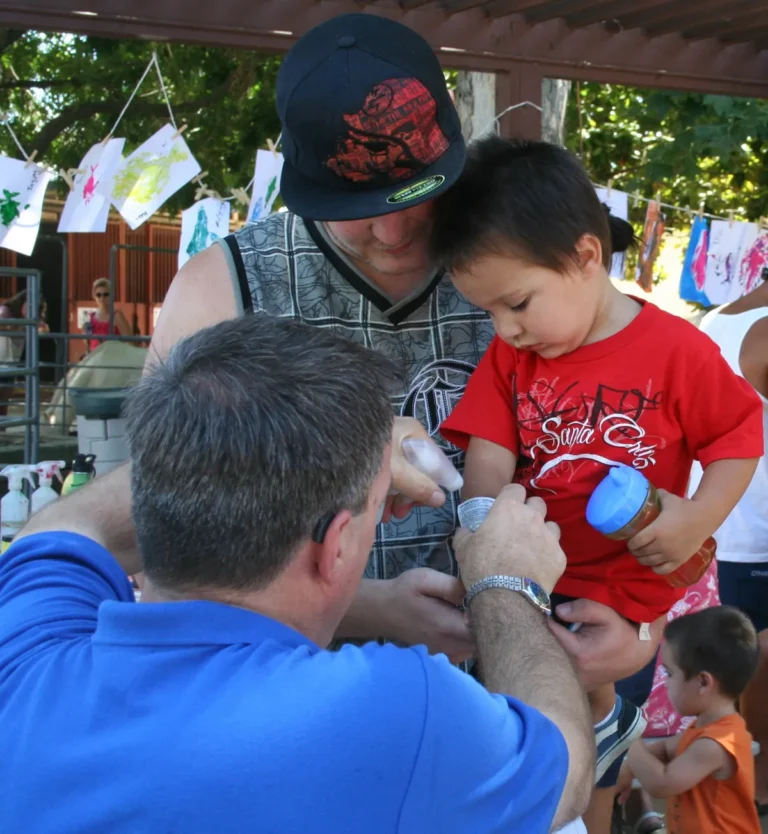
This is where the festival quietly excels. Youth programming and family-oriented events are a deliberate part of the lineup, not an afterthought, and they tend to be the least stressful entry point for anyone travelling with small children. Look for daytime events in parks, shorter formats, and activities that let kids move rather than sit. Strollers are workable at most outdoor events but not at the busiest ones; a carrier is often the smarter choice.
Planning a First 500 Festival Trip Across Marion County
The single biggest planning mistake is treating the festival like a one-day destination. Because events spread across the county and across several weeks, your itinerary should start with a question: which event am I actually coming for? Everything else — where you sleep, when you arrive, whether you drive — follows from that answer.
Getting to Marion County
Indianapolis sits at the center of Indiana’s highway network, which makes the county reachable by car from most of the Midwest in a single day’s drive. If you are flying, the city’s airport is the natural arrival point, with downtown a short drive beyond it. Once you are in the county, driving is the most flexible option, though the largest events make walking and transit far more pleasant than hunting for a space.
Where to Stay in and Around Indianapolis
Downtown Indianapolis puts you within walking distance of the parade route and the biggest civic events, and it is the choice most first-timers should make if the parade is their priority. Suburban Marion County — the communities ringing the city — offers quieter nights and easier parking, at the cost of a drive into the center. Book early. May is a busy month in this county, and the weeks around the race are the busiest of all.
Parking and Getting Around
For the marquee events, assume that parking near the action will be limited, expensive, or both. The reliable play is to park farther out and walk, or to leave the car at your hotel entirely. Rideshare works well for evening events and poorly for the ten minutes after a parade ends, when demand spikes. If you are attending a suburban event rather than a downtown one, parking is usually straightforward.
Admission and What Things Cost
Most public festival events are free to attend, which is a large part of why the festival feels like a county-wide occasion rather than a ticketed attraction. Participatory events — anything where you are registering as a runner or a participant rather than a spectator — carry their own registration costs. Budget for food, parking, and transport rather than for entry, and check the specifics of whichever event you have chosen before you travel.
May Weather and What to Wear
May in central Indiana is genuinely unpredictable. You can get a warm, bright day and a cool, damp one in the same week, and the swing between morning and afternoon is real. Dress in layers, bring a light rain shell you can fold into a bag, and choose shoes you can stand in for hours. Sunscreen is not a joke at an outdoor event that runs through the middle of the day.
A Sample 500 Festival Weekend for First-Timers
Friday evening. Arrive in Indianapolis, check in, and walk the downtown core to get your bearings. Find the parade route on foot so you know exactly where you are going in the morning. Eat somewhere casual and turn in early — tomorrow starts before you think it does.
Saturday morning. Claim your parade spot early, bring water and something to sit on, and settle in. This is the festival at its most communal. Afternoon: drift toward food, then toward whichever live entertainment is running. Evening: a relaxed dinner, ideally within walking distance of where you are staying.
Sunday. Shift to a different flavor of the festival. If Saturday was spectacle, make Sunday participatory or family-focused — a park event, a youth activity, a walk through a neighborhood you have not seen. Leave the afternoon open for the drive home or one more stop before you go.
How the 500 Festival Compares With Nearby Indiana Celebrations
Neighboring Hamilton County, just to the north, runs a dense calendar of suburban community festivals in towns like Carmel, Fishers, and Noblesville. They are smaller, easier to park at, and often more locally flavored — good choices if crowds are not your thing. Hendricks County, to the west, leans on its county fair tradition and small-town squares, which gives its events a different, slower rhythm.
The 500 Festival sits apart from both because of scale and because of what it is attached to. A town festival in Boone or Johnson County is a self-contained weekend. The 500 Festival is a metropolitan season that borrows energy from one of the most famous sporting events in the world. If you want intimacy, go to the county fairs. If you want the big, loud, once-a-year version of Indiana, this is it.
A First-Timer’s 500 Festival Checklist
| Pick one anchor event | Decide whether you are coming for the parade, a running event, or a family day, and plan around it. |
| Book lodging early | May is the busiest month of the year for Marion County hotels. |
| Check event specifics | Confirm start times, routes, and whether registration is required before you travel. |
| Plan your arrival | Choose walking or transit over driving for the largest events. |
| Pack for swing weather | Layers, rain shell, comfortable shoes, sunscreen, refillable water bottle. |
| Bring cash and a card | Vendors vary; a little of both covers you. |
| Charge your phone | And consider a small battery pack for long outdoor days. |
| Leave buffer time | Crowds move slowly at the beginning and end of every big event. |
Beyond the 500 Festival: The Rest of Marion County
First-timers often discover that the county holds its own once the festival crowds thin. Downtown Indianapolis rewards a slow walk — monuments, civic buildings, a compact grid that is easy to navigate on foot. The canal and riverfront areas offer a calmer counterpoint to the parade route, and the city’s museums and cultural institutions fill the hours between festival events nicely.
Push outward and the county changes character. The suburban communities that ring Indianapolis have their own main streets, parks, and local restaurants, and they are worth an afternoon if you have built a longer trip. For a visitor, the appeal is variety: you can spend a morning in a crowd of thousands and an evening somewhere quiet, all inside the same 403.01 square miles.
What the 500 Festival Means to Marion County
A county founded in 1822 does not get many traditions that reach every corner of its map. The 500 Festival is one of them. It gives residents a shared calendar, gives volunteers something concrete to build, and gives the thousands of visitors who arrive each May a reason to see the county rather than just the race.
Its significance is less about spectacle than about participation. School groups, neighborhood associations, running clubs, and families all find a place in the lineup, which is why the festival has outlasted so many one-off celebrations. It is, at heart, a civic ritual — one that happens to have a very fast car at the end of it.
Where the 500 Festival Happens Across Marion County
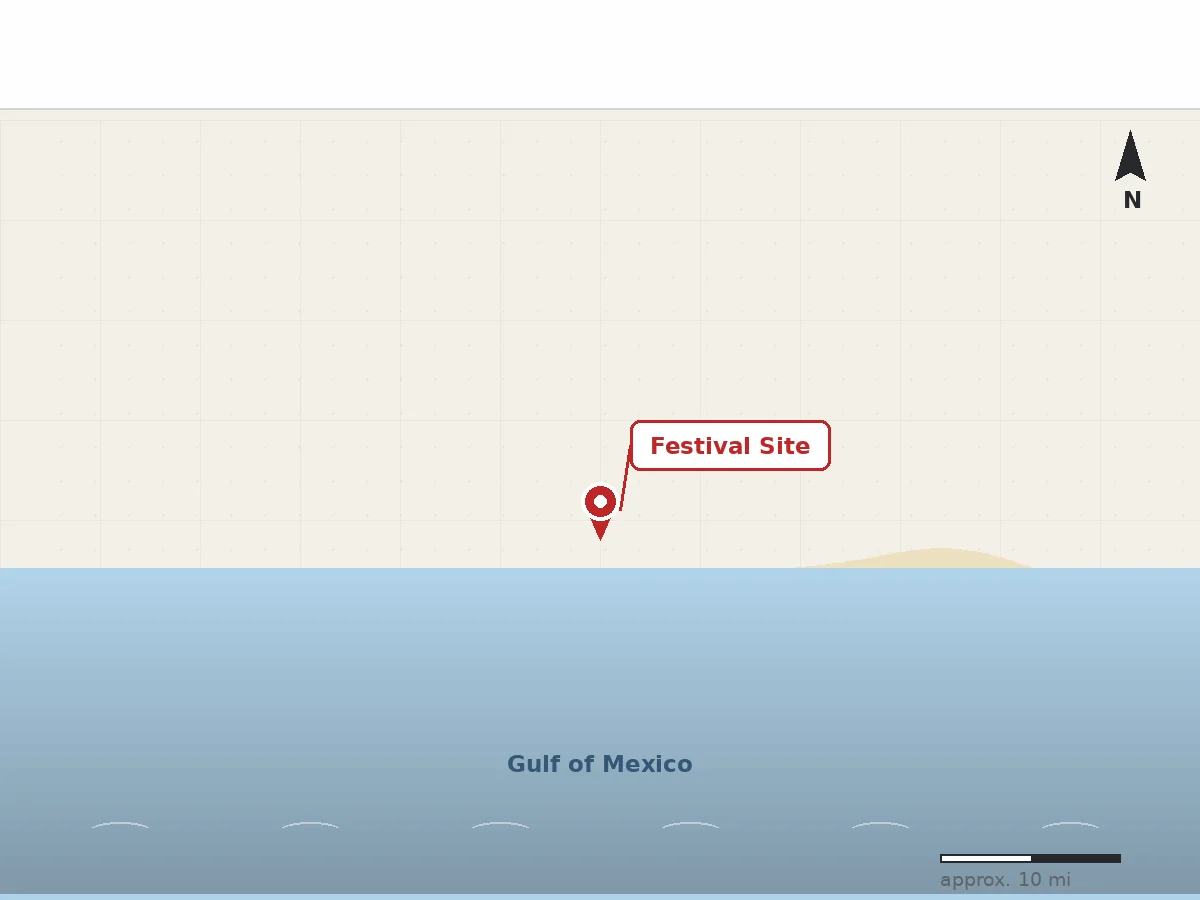
Festival events take place throughout the Marion County area, with the largest gatherings concentrated in and around downtown Indianapolis and the surrounding communities.
First-Timer Questions About the 500 Festival
Do I need tickets to attend the 500 Festival?
For most public events, no. The festival is built around free, open gatherings, which is part of its appeal for families and casual visitors. The exception is participatory events, where you register in advance as a runner or participant and pay a registration cost rather than an admission fee. Check the details of the specific event you plan to attend.
When does the 500 Festival take place?
It runs each May, spread across the weeks surrounding the Indianapolis 500. Because it is a season rather than a single day, the exact mix of events shifts from year to year. If you are planning a trip, think in terms of a May weekend rather than a specific date, and build flexibility into your plans.
Is the 500 Festival a good fit for young children?
Yes, with the right event chosen. Family and youth programming is a genuine part of the lineup, and daytime park events tend to be the easiest introduction. The parade is exciting but long, and the biggest crowds can overwhelm small children. Bring water, snacks, and a plan for an early exit if needed.
Where should a first-timer start?
Start with the parade. It is the most representative single event, it requires no registration, and it gives you an immediate feel for the scale and mood of the whole celebration. Once you have done that, branch out into a running event, a musical evening, or a family day depending on what your group enjoys.
The 500 Festival’s Next Chapter in Marion County
The festival’s future looks a lot like its past: incremental, community-driven, and tied to the rhythms of a county that keeps growing around its capital. Expect continued emphasis on family programming and participatory events, which are the parts of the lineup that draw new audiences rather than repeating the same crowd.
For a first-timer, that is good news. A festival that keeps adding entry points is a festival that is easy to join for the first time. Last updated: October 2026
Come for the parade, stay for the rest of it, and give yourself more than one day if you can. The 500 Festival rewards the visitor who treats it as a season rather than an appointment — and in a county this size, with this much going on, there is always one more thing to walk to.


One Comment