Jay County Indiana Heritage Festival
There is a particular pleasure in coming back to a county festival a second or third time. You stop hunting for the entrance, you know which side of the grounds holds the shade in late afternoon, and you spend less energy on logistics and more on the things that brought you back. The Jay County Indiana Heritage Festival rewards that kind of familiarity, because it is built around the place itself: Portland, the county seat, and the farm towns and crossroads that surround it.
Jay County is home to 20,478 people spread across 384.08 square miles of east-central Indiana, and that scale works in a visitor’s favor. Nothing here is so large that you need a strategy. Nothing is so small that you run out of things to see by mid-afternoon.
Jay County Heritage Festival: The Essentials in Ten Lines
| Town / area | Jay County area, centered on Portland, Indiana |
| County | Jay County, Indiana |
| County seat | Portland |
| Population | 20,478 (countywide) |
| Region | East-central Indiana, close to the Ohio state line |
| Typical timing | A weekend in the autumn season, in most years |
| Admission | Typically free |
| Setting | Small-town and rural, with the county seat as the anchor |
| Features | Heritage displays, local food, live music, family activities |
| Organizer | Volunteer community organizers and local groups |
Why the Heritage Festival Rewards a Second Visit
The Heritage Festival is a countywide gathering rather than a single-venue production. Its purpose is straightforward: to put Jay County’s history, crafts, food, and music in front of the people who live here and the people who drive in from surrounding counties. Because Portland is the county seat, that is where the gravitational pull is strongest, though the weekend draws on the wider Jay County area for its volunteers, cooks, exhibitors, and performers.
For a returning visitor, the appeal is the mix of the familiar and the slightly changed. The pie table is roughly where it was last year. The equipment lineup has new arrivals. The stage schedule rotates through local and regional acts, so the soundtrack differs even when the setting does not. What stays constant is the tone: unhurried, genuinely local, and small enough that you will probably run into the same family twice in one afternoon.
It also helps that the festival never asks you to choose between one thing and another. A heritage weekend here is not a marathon of ticketed attractions. It is a walk, a meal, a conversation, a chair in the shade, and a second walk.
For another look at how a community turns its own traditions into a gathering, see the Jay County Indiana Fiber Arts Festival for a useful comparison.

How Jay County Got Here: 1835, 1836, and the Groundwork for a Heritage Weekend
Jay County was authorized on February 7, 1835, and organized the following year, in 1836. Portland became and remains the county seat. That timeline matters to a festival with “heritage” in its name, because it means the county’s story runs nearly two centuries deep — long enough to accumulate a real archive of families, farmsteads, church congregations, and small-town institutions, and recent enough that many of those threads are still held by people who can tell you about them in person.
A festival built on that foundation tends to work in layers. The oldest layer is the land: flat, productive, and organized into the township-and-section grid that still shapes how everyone here describes where they live. The next layer is the towns — Portland and the smaller communities that grew up around rail lines and country crossroads. The newest layer is the one you walk through during festival weekend, where all of it gets translated into displays, demonstrations, food, and music.
Compressed into a short timeline, the arc runs like this: 1835, the county is authorized; 1836, it is organized with Portland as its seat; the decades that follow fill in with farms, mills, stores, and town squares; and today a county of 20,478 people keeps the record going, one heritage weekend at a time.
The Shape of a Heritage Weekend in Portland
The festival unfolds across a weekend, and the rhythm is predictable in the best way. Mornings are quieter and better for browsing. Early afternoon brings the crowds and the longest food lines. Late afternoon is for sitting down with something cold and listening to whoever is on stage.
Food That Tastes Like Jay County
County festival food is its own genre, and Jay County does it without pretense. Expect the classics done well — grilled and fried mains, tenderloin sandwiches, soups and chili, church-kitchen pies, cakes sold by the slice, and coffee that keeps coming. Many of the stands are run by local organizations, which is why the person handing you a plate is often the same person who organized the fundraiser behind it. Come hungry, carry cash for the small stands, and pace yourself: the best strategy is a small plate early and a second one after the music starts.
Music and Entertainment on the Grounds
Live music anchors the afternoons and evenings, typically with a mix of local and regional acts that suits a lawn-chair audience. Between sets, the entertainment is whatever the county brings out: demonstrations of old trades and farm skills, antique equipment, historical displays, and the low-level hum of people catching up with neighbors they haven’t seen since the last community supper. If you are the type who reads every placard, budget an hour for the heritage exhibits alone.
Family Activities That Hold a Kid’s Attention
This is a festival where children can move. There is usually room to run, activities aimed at younger visitors, and enough machinery, animals, and hands-on demonstrations to keep a curious kid occupied between snacks. Grandparents tend to do well here too — seating is plentiful, distances are short, and the pace is forgiving. The practical move for families is to arrive early, hit the activities before the heat and the lines build, then settle in for the afternoon.
Planning a Heritage Weekend Around Portland, Indiana
Getting to the Jay County Area
Portland sits in east-central Indiana, within comfortable driving distance of several mid-sized cities and a short hop from the Ohio line. Almost everyone arrives by car, and that is fine — the roads in are straightforward, and the approach through surrounding farmland is part of the experience. Fill your tank before you get close to town; small-town stations can get busy on a festival weekend.
Where to Stay Near Portland
Lodging in the immediate area is limited, so the realistic options are the small hotels and inns in and around Portland, rentals in the surrounding countryside, or a base in a larger neighboring city and a scenic drive in each morning. If you are coming from out of state, book early — autumn weekends fill up across this part of Indiana, and a festival weekend tightens supply further.
Parking Without the Guesswork
Expect to park on-street or in nearby lots and walk the last few blocks. That is not a hardship; it is how you end up seeing the town rather than just the festival. Arrive before the early-afternoon rush for the easiest spots, note a landmark near your car, and wear shoes you don’t mind putting a few miles on.
Admission and What You’ll Actually Spend
Admission to the festival is typically free, which changes the math of the day entirely. Your spending will be food, drinks, raffle tickets, craft and vendor purchases, and maybe a donation at a booth run by a local group. Bring cash for the small stands and a card for the larger vendors, and set a loose budget rather than a strict one — the pie is worth it.
Weather and What to Pack
Autumn in this part of Indiana swings. A morning can start cool and breezy and turn warm by mid-afternoon, and rain is always a possibility. Pack layers, a light rain jacket, sunscreen, and a hat. Lawn chairs and a blanket are worth the trunk space, and a refillable water bottle will save you a walk.
A Sample Heritage Weekend, Written for a Returning Visitor
Friday evening: Arrive in Portland, park once, and take a slow walk through the setup. Grab an early dinner from whichever stand is already running, then stay for the first musical set. This is the least crowded window of the whole weekend.
Saturday morning: Come back early. Coffee, a bakery stop, and an unhurried pass through the heritage displays before the crowds arrive. This is when you actually read things.
Saturday afternoon: Eat lunch from a different stand than yesterday, catch a demonstration, and find a chair in the shade for the music. Let the afternoon drift.
Saturday evening: The main musical stretch, the biggest crowd, and the best people-watching. Stay for the last set, then walk a few blocks to let traffic clear.
Sunday: Return for a quieter morning, buy whatever you talked yourself out of on Saturday, and take a short drive into the surrounding countryside before heading home.
How Jay County Stacks Up Against Nearby Festival Towns
Jay County sits in a region that takes its town celebrations seriously, and a returning visitor quickly notices the differences. Winchester, to the south in Randolph County, has a courthouse-square feel and a similar farm-country audience. Berne, up in Adams County, leans into its Swiss heritage in a way that gives its events a distinct visual identity. Celina, just across the Ohio line in Mercer County, brings lake-country energy and a slightly bigger commercial footprint to its community weekends.
The Heritage Festival’s advantage is its balance. It is not the largest event in the region and does not try to be. What it offers is a genuinely county-scale weekend — easy to navigate, inexpensive, and anchored in a specific place with a specific history that goes back to 1835.
A Short Checklist Before You Drive to Jay County
Confirm the weekend before you go, since timing shifts from year to year. Then: book lodging early if you’re staying over; bring cash plus a card; pack layers, rain gear, and sunscreen; load lawn chairs and a blanket; charge your phone and bring a battery pack; fill the gas tank before you arrive; wear comfortable shoes; and leave room in the car for whatever you end up buying. If you have dietary restrictions, eat a little before you go and plan on the simplest options at the stands.
Beyond the Festival: Portland and the Jay County Countryside
The festival is a good reason to come, but the county is a good reason to stay an extra half day. Downtown Portland rewards a walk, with the kind of compact commercial core that small county seats do better than almost anywhere else. Outside town, the landscape opens into some of the straightest, most productive farmland in Indiana, cut by the Salamonie River and its wooded corridors.
Drive the country roads in any direction and you’ll pass the small communities that make up the rest of Jay County — places with a grain elevator, a church, a ball diamond, and not much else, which is precisely the point. Bring a camera, take your time, and don’t be surprised if a local stops to ask whether you’re lost and then gives you three better places to go than the one you asked about.
What a Heritage Weekend Means to a County of 20,478
In a county of 20,478 people, a festival is not just an event. It is infrastructure. It is the one weekend where the historical society, the volunteer fire department, the churches, the schools, the 4-H families, and the small businesses all show up in the same place and see each other. Money raised at a food stand funds something real. A display case of old photographs reminds a teenager that the town existed long before they did.
That is why returning visitors keep coming back. The Heritage Festival isn’t a show put on for tourists. It’s a county taking an afternoon to look at itself, and letting anyone who drives in stand alongside and look too.
Where the Jay County Heritage Festival Sits on the Map
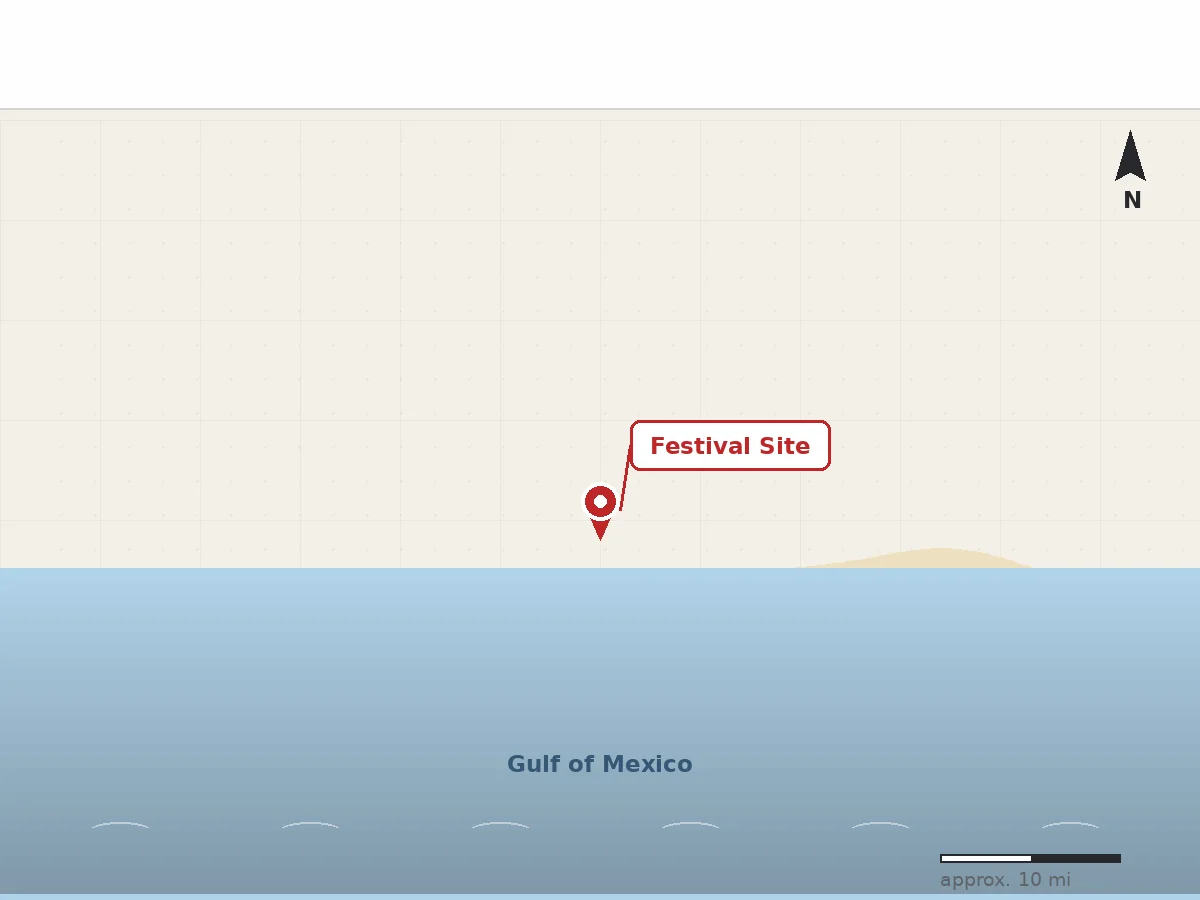
The festival takes place in the Jay County area of east-central Indiana, centered on Portland, the county seat, roughly an hour or so from several mid-sized Indiana and Ohio cities.
Straight Answers About the Jay County Heritage Festival
Is the festival free to attend?
Admission is typically free. You’ll spend money on food, drinks, raffles, and vendor goods, and some activities or booths may ask for a small fee or donation. Budget for what you eat and buy rather than for a gate ticket.
What time of year does it happen?
In most years the festival falls on a weekend during the autumn season. Because the exact weekend can shift, confirm the dates through local sources before you plan travel or book lodging.
Is it worth the drive from Muncie, Fort Wayne, or the Ohio line?
Yes, particularly if you enjoy small-town festivals rather than large commercial ones. The drive through east-central Indiana farmland is pleasant, parking is manageable, and the day is inexpensive. Pair it with a stop in downtown Portland and you have a full, unhurried outing.
Can I bring kids and grandparents?
Both do well here. Distances are short, seating is plentiful, and the pace is slow enough for strollers and walkers alike. Bring chairs, water, and sun protection, and plan to leave mid-afternoon if the youngest or oldest members of your group need a break.
Looking Ahead to Future Heritage Weekends in Jay County
The festival’s future looks a lot like its past: volunteer-run, community-funded, and tied to the county’s own story. The opportunities ahead are the familiar ones for rural celebrations — bringing younger families into the planning, digitizing and displaying more local history, and keeping the food and music lineups fresh without losing the character that makes the weekend feel like Jay County rather than anywhere else.
For a returning visitor, that continuity is the draw. You come back because you know roughly what you’ll find, and because the small changes each year are worth noticing. Put it on the calendar for an autumn weekend, bring a chair, and leave room for pie.
Last updated: October 2026
One Comment