Grundy County Iowa Grundy County Fair Festival

Most fair advice is written for people who already know the grounds. This one is written for the visitor who wants a plan before the car leaves the driveway: which entrance to aim for, when the parking lot fills, which food line is worth the wait, and how to build a weekend that doesn’t fall apart by Saturday afternoon.
The Grundy County Fair is a summer anchor in Grundy County, Iowa — a county of 12,329 people spread across 501.891 square miles of some of the most productive farmland in the state. Because the population is small relative to the land, the fair pulls from every township in the county, and the difference between a relaxed visit and a frustrating one usually comes down to timing and preparation rather than luck.
Grundy County Fair Essentials: The Numbers That Shape Your Trip
| Festival | Grundy County Fair |
| Town / place | Grundy County area, Iowa |
| County | Grundy County, Iowa |
| County seat | Grundy Center |
| County population | 12,329 |
| County land area | 501.891 square miles |
| County named for | Felix Grundy |
| Typical timing | Summer, most often during July |
| Admission | Typically free to the fairgrounds |
| Setting | Rural fairgrounds with barns, a grandstand, and a midway |
What the Grundy County Fair Actually Is
This is a working county fair, not a themed attraction. Its spine is agricultural: 4-H and FFA exhibitors, livestock barns, static exhibits, and a sale that turns months of a young person’s work into a paycheck. Around that spine sits everything else a county fair needs to keep a family on the grounds for six hours — a midway, a grandstand program, food trailers, and the kind of low-stakes contests that get neighbors talking to each other.
Grundy Center, the county seat, is the natural reference point for anyone navigating the county, booking a room, or meeting up with friends who are coming from a different direction. Because the county covers a wide area with a modest population, the fair functions as a single meeting point for people who otherwise might not cross paths more than once a year.
Practically speaking, that means the fair is easy to enter and easy to leave — but only if you understand its rhythm. Mornings belong to exhibitors and judges. Afternoons bring families with strollers. Evenings fill the grandstand and the midway. Plan your arrival around which of those three crowds you actually want to be part of.
For another look at how a community turns its own traditions into a gathering, see the Greene County Iowa Greene County Fair Festival for a useful comparison.
How a County Named for Felix Grundy Built a Fair Tradition
Grundy County takes its name from Felix Grundy, and its civic identity has always been tied to the land. A county of 501.891 square miles with just over twelve thousand residents is a place where institutions survive because people show up for them. The county fair is the clearest example of that instinct in action.
The fair’s history is less a story of one founding moment than of an annual habit that hardened into tradition. In farming communities across the Midwest, the county fair began as a practical event: a place to compare seed, judge stock, trade information, and settle the friendly arguments that start in a co-op parking lot. Over time, the practical core stayed while everything around it expanded — first the youth exhibition programs, then the entertainment, then the midway.
The pattern repeated across generations. Exhibitors who showed cattle as teenagers later watched their own children walk the same barn aisles. Volunteers who once sold tickets at a gate eventually ran committees. That continuity is why the fair has outlasted nearly every other recurring event on the county calendar.
Inside the Grounds: Food, Grandstand Nights, and Family Rhythm
Fair Food, and How to Eat It Without Regret
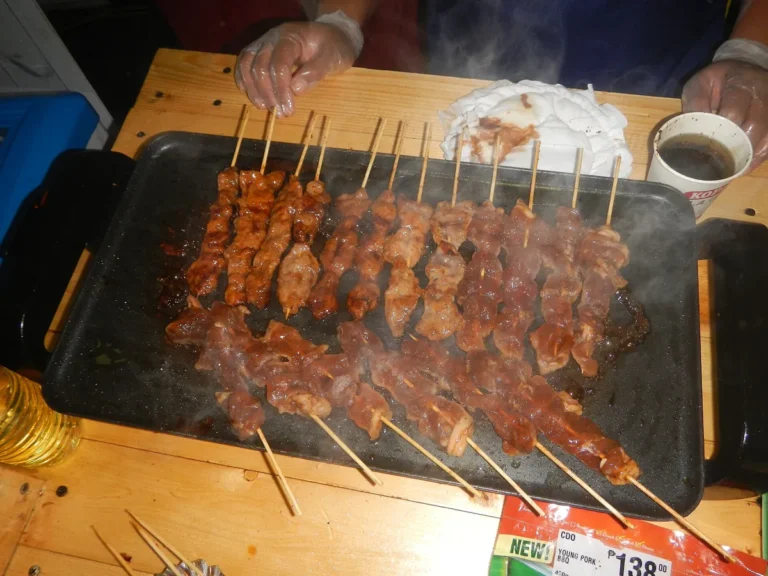
County fair food runs on a simple economy: fried, sweet, and portable. Expect the standard lineup — corn dogs, funnel cakes, pork producers’ sandwiches, lemonade shaken to order, and at least one stand selling something on a stick. The livestock barns and the midway usually have separate clusters of vendors, so decide early which one you’re committing to for your main meal.
A logistics note that saves real money: portions at fair stands tend to be large, and a family of four rarely needs four full entrées plus snacks. Buy two or three items, split them, and keep cash or a card handy for the mid-afternoon re-up. Drink water between the sugary things — July afternoons in Iowa are not forgiving.
Grandstand Nights and the Local Entertainment Circuit
Evening programming is what turns a fair into a destination. Grandstand events typically include the crowd-pleasers that fill small-county grandstands everywhere — a demolition derby, a tractor or truck pull, and live music on at least one night. Seating is usually first-come, and the best sightlines go early.
If you have a specific grandstand night in mind, treat it like a concert: arrive well before the start, park once, and stay put rather than repositioning the car mid-event. Walking back to a distant lot after a late show is the single most common way a good fair night ends badly.
Kid-Scale Fun: Barns, Rides, and Hands-On Corners
The livestock barns are the fair’s best free attraction for children. Kids can get close to animals, ask exhibitors questions, and learn something without anyone selling them anything. The rabbit and poultry barns are usually the easiest entry point for very young children; the larger animals draw bigger crowds.
The midway provides the rides, and it is where the day’s budget can disappear fastest. A reasonable approach is to set a fixed amount per child before you walk in, then let them choose how to spend it. Many families split the day: barns and exhibits in the morning, rides in the late afternoon when the heat eases, grandstand in the evening.
Planning a Grundy County Fair Weekend Without Guesswork
Getting There and Choosing Your Approach
Grundy County is rural and road-based, so a car is essential. Grundy Center serves as the practical hub for anyone coming from outside the county. Rather than entering the grounds from the first direction your navigation app suggests, take a moment to look at the broader road layout: arriving from the side opposite the main crush of traffic often means a shorter wait at the gate and an easier exit later.
Where to Stay Around Grundy County
Lodging in a county this size is limited, and fair week is when it fills. Options generally fall into three buckets: a small number of local rooms in and around Grundy Center, larger hotel inventories in neighboring communities within a reasonable drive, and camping or RV stays for visitors who prefer to stay close to the action.
Book early — weeks, not days, ahead — and confirm your cancellation policy. If you’re traveling with a group, a short drive from a neighboring town is often cheaper and quieter than anything close to the grounds.
Parking Strategy and Moving Around the Grounds
Parking at county fairs is usually a mix of designated lots and field parking, often with a modest charge or a donation bucket. Two rules cover most situations: arrive before the evening rush if you want a short walk, and park facing the direction you intend to leave. After a grandstand event, the lot empties in one direction at one time, and a five-minute head start is worth more than a close spot.
Admission, Tickets, and What Actually Costs Money
Admission to the fairgrounds is typically free, which is part of the appeal for families. The money goes out in smaller, optional increments: ride wristbands or tickets, grandstand events, food, carnival games, and the occasional raffle. Budget for those rather than for a gate fee.
Carry a small amount of cash even if you plan to use a card. Some vendors and entry points in rural fair settings still run cash-first, and an ATM on the grounds may be scarce or busy.
Iowa Weather and the Heat Playbook
A July fair in Iowa means heat, humidity, and the real possibility of an afternoon storm. Dress for the first and plan for the second. Light clothing, a hat, sunscreen, and refillable water bottles handle the heat. A compact rain layer and a willingness to duck into a barn or exhibit hall handle the storm.
Watch the forecast the morning of your visit and be flexible about which day you attend. Shifting your trip by a day is far easier than spending an afternoon sheltering under a grandstand.
A Sample Friday-to-Sunday Fair Itinerary
Friday afternoon. Arrive mid-afternoon, before the evening crowd. Park once. Walk the livestock barns while they’re relatively quiet, grab an early dinner from the food stands near the exhibits, then settle in for the grandstand event. Leave immediately after the finale if you have a long drive.
Saturday morning. Come early for the judging and the youth exhibits — this is the fair at its most authentic, and the barns are at their best before the heat builds. Spend the late morning in the exhibit halls, then take a real break: back to the car, into air conditioning, or under shade with water.
Saturday evening. Return for the midway and live entertainment. This is the busiest window of the fair, so expect to walk farther from your parking spot. Set a ride budget in advance and stick to it.
Sunday. The final day usually carries a different mood — the livestock sale, pack-up, and a slower pace. It’s a good window for anyone who wants the fair without the crush, and for photographing the grounds before the tents come down.
How the Grundy County Fair Compares With Nearby Fairs
Grundy County sits in a part of Iowa where county fairs come in clusters, and comparing them is genuinely useful when you’re deciding where to spend a summer weekend.
Versus larger regional fairs. Bigger fairs in nearby counties offer more vendors, bigger grandstand names, and more elaborate midways — along with heavier traffic, longer walks, and higher costs. Grundy County’s fair trades spectacle for accessibility: you can park, walk in, and be in a barn within minutes.
Versus neighboring small-county fairs. Fairs in adjacent rural counties feel similar in scale and share the same 4-H and FFA backbone. The difference is often simply which weekend works for you. If your schedule conflicts with Grundy County’s dates, a neighboring county fair makes a reasonable substitute rather than a wasted trip.
Grundy County Fair Packing and Prep Checklist
Bring: refillable water bottles, sunscreen, hats, a rain layer, cash in small bills, a card as backup, comfortable closed-toe shoes for barn areas, a light jacket for the evening, and a tote for anything you buy.
Decide in advance: which day you’re attending, whether you’re eating on the grounds or before you arrive, a per-child ride budget, and who is driving home.
Check before you go: the day’s forecast, the current schedule of grandstand events, and whether your lodging is confirmed. None of these take more than ten minutes, and all three prevent the most common fair-weekend problems.
Beyond the Fairgrounds: Grundy Center and Rural Grundy County
The fair is the headline, but the county rewards a slower look. Grundy Center, the county seat, is the logical base for a longer stay, with the small-town rhythm that makes rural Iowa appealing: a compact downtown, local restaurants, and an easy pace.
The surrounding countryside is the real attraction for anyone who enjoys driving. Across 501.891 square miles of farmland, you’ll find gravel roads, field edges, and the kind of wide-open views that city visitors underestimate. Pair a fair visit with a county drive in the late afternoon light, and you’ve built a full day out of a single trip.
Why the Fair Still Anchors Grundy County Life
In a county of 12,329 people, the fair does something no other event can: it gathers the whole county in one place at one time. That matters more in a rural county than it does in a city, where crowds are ordinary. Here, the fair is the annual reminder that the county is a community and not just a set of townships on a map.
It’s also an economic and educational engine in miniature. Exhibitors learn to present their work. Local businesses get a week of steady foot traffic. Volunteers gain the kind of experience that keeps small civic institutions running. The fair is entertainment, but it’s infrastructure too.
Locating the Grundy County Fair
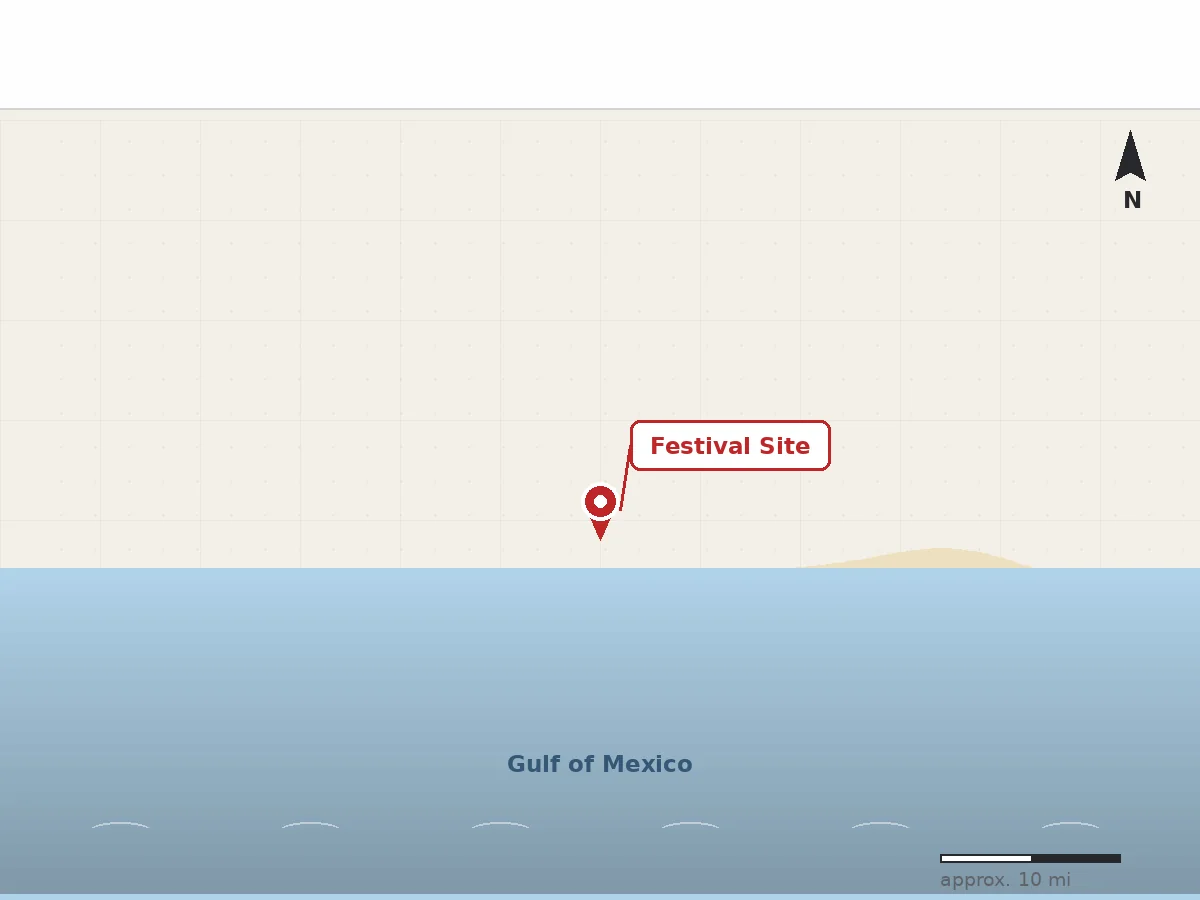
The Grundy County Fair takes place within the Grundy County area of Iowa, with Grundy Center, the county seat, serving as the practical landmark for directions, lodging, and meeting points.
Grundy County Fair Questions, Answered Briefly
When is the Grundy County Fair usually held?
It’s a summer event, most often falling in July, which is the standard window for Iowa county fairs. Because the exact dates shift from year to year, check the current schedule before locking in travel plans rather than assuming last year’s weekend will repeat.
Is there an admission fee to get in?
Admission to the fairgrounds is typically free. Your spending will instead be concentrated in food, midway rides, grandstand events, and carnival games. Plan a budget around those optional costs rather than a gate ticket, and carry some cash for vendors who prefer it.
How much time should I set aside for a visit?
Three to five hours covers the barns, exhibits, food, and a pass through the midway. If you’re staying for a grandstand event, plan on most of an evening. Families with young children often do best splitting the visit into two shorter trips rather than one long day in the heat.
Is the fair suitable for young children and older visitors?
Yes, with a few adjustments. The grounds are walkable but largely outdoors, so shade, water, and rest breaks matter. Mornings are cooler and calmer, which suits both young children and anyone who prefers to avoid crowds. The livestock barns tend to be the most universally enjoyable stop on the grounds.
What’s Ahead for the Grundy County Fair
County fairs survive by adapting without losing their center. For Grundy County, that means keeping the agricultural core — the youth exhibitors, the livestock barns, the sale — while continuing to refresh the entertainment and midway that bring in casual visitors. The balance is delicate, and getting it right is what keeps a fair relevant to a county of 12,329 people.
For visitors, the practical takeaway is simple: plan around the season, not a fixed date, and confirm the schedule before you commit. The fair will be there. Your weekend logistics are the only variable.
Last updated: October 2026
Treat the Grundy County Fair the way locals do — as a fixed point in the summer calendar rather than a spur-of-the-moment outing — and it rewards you with something increasingly rare: a full day out that costs little, requires no reservation, and puts you in the middle of a county that still shows up for itself.




One Comment