Fulton County Indiana Trail of Courage Living History Festival
Rochester has served as the seat of Fulton County since 1836, and the town still wears the shape of an old county seat: a courthouse square at the center, low brick storefronts around it, and farmland running outward across the county’s 371.26 square miles. Fulton County counts 20,480 residents, most of them spread through small towns and rural townships rather than packed into a single city. In a place like this, history is not something you drive to — it is the ground you walk on.
That is the spirit the Trail of Courage Living History Festival trades on each autumn. Reenactors, craftspeople, traders, cooks, and musicians gather on the county’s living-history grounds for a weekend that reconstructs the fur-trade and early-settlement years of northern Indiana. This is not a stage show watched from folding chairs. It is an encampment you wander through: cook-fire smoke, the crack of black-powder rifles, bark-and-canvas shelters, hand-forged iron, and woodsmoke hanging in the trees.
Trail of Courage Basics: What Fulton County Visitors Should Know
| Festival | Trail of Courage Living History Festival |
| Town / area | Rochester and the surrounding Fulton County countryside |
| County | Fulton County, Indiana |
| County seat | Rochester |
| Population | 20,480 (county) |
| Region | North-central Indiana |
| Typical timing | A weekend in September |
| Admission | Gate details are set by the host historical society; confirm current rates |
| Setting | Wooded living-history grounds with recreated encampments |
| Features | Fur-trade reenactments, muzzle-loading, crafts, music, camp cooking |
What the Trail of Courage Living History Festival Actually Is
What separates this festival from a typical small-town fall gathering is that almost everything on the grounds happens in real time. Reenactors in period dress live in the encampment for the weekend — cooking over open fires, sleeping in canvas tents and bark lean-tos, repairing gear, and staying in character when visitors ask questions. Trade rows sell hand-forged knives, pewter, beadwork, wool, wooden bowls, and other goods made the slow way.
Demonstrations run throughout the day: flint knapping, spinning, blacksmithing, hide tanning, tomahawk throwing, and black-powder shooting. Because the grounds belong to the county’s historical society, the festival doubles as a working educational project. School groups and families come away with a tactile sense of what daily life looked like in northern Indiana two centuries ago — not a diorama behind glass, but a smell, a sound, and a conversation.

From Fulton County’s 1836 Founding to a Living History Weekend
Fulton County was founded in 1836, when northern Indiana was still being cleared, drained, and divided into farms, and Rochester was established as the county seat. For the first decades of settlement this was a landscape of log cabins, mill races, river crossings, and roads that turned to mud every spring. The Potawatomi and Miami people who had lived here for generations were pushed out during the same era. In 1838, the forced removal of Potawatomi families from northern Indiana passed through this region on the route history remembers as the Trail of Death. The courage of the people who walked it is part of what gives this festival its name and its weight.
For another look at how a community turns its own traditions into a gathering, see the Fulton County Indiana 4-H Fair Festival for a useful comparison.
As the nineteenth century wore on, Fulton County settled into rhythms that still define it: corn and soybeans, small-town merchants, a courthouse square, and a strong habit of local pride. The county’s historical society began collecting the tools, textiles, and stories of that era, and eventually built a living-history site where those collections could be used rather than merely displayed. The Trail of Courage grew from that impulse. Instead of a single exhibit hall, the society created a place where the fur-trade years could be re-inhabited for a weekend each September.
Over the decades the event has become a fixture on the county calendar and a gathering point for reenactors from across the Midwest, many of whom return to the same patch of ground year after year.
Inside the Encampment: A Day at the Trail of Courage
The grounds open to visitors across a full weekend, and the schedule rewards anyone willing to slow down and talk to people. Here is roughly what a day holds.
Campfire Cooking and Food Along the Trade Rows
Food is part of the demonstration here, not an afterthought. Reenactors cook period dishes over open fires — stews, bean pots, cornbread, roasted meat — and some of it is shared or sold. Alongside them, vendors and concession stands handle the practical side of feeding a crowd, so visitors who want something simple are covered too. Expect the longest lines around midday and again in the late afternoon; eating early or late is the easiest way to avoid them. Carry cash, since smaller vendors at heritage events often prefer it.
Fife, Fiddle, and Storytelling in the Camp
Music drifts through the encampment rather than staying confined to a stage. Fiddle tunes, fife and drum, and period songs surface in the trade rows and around campfires, with formal performances typically scheduled through the afternoon. Storytellers and historians give talks on the fur trade, frontier medicine, and the region’s Native history — the sort of sessions where sitting down for twenty minutes changes how the rest of the day reads. Pick up the schedule at the gate so you do not miss the demonstrations you care about most.
What Kids Can Do at the Trail of Courage
This is an easy festival for children because so much of it is hands-on. Kids can try tomahawk throwing, watch a blacksmith work, dip candles, card wool, or grind corn, depending on the year’s lineup. Reenactors tend to be patient with curious children and answer questions in character. Bring a stroller only if the ground is dry; the site is largely grass and dirt paths and gets uneven after rain. Plan on a couple of hours minimum and let children set the pace.
Planning a Trail of Courage Weekend in Fulton County
Fulton County is rural, so a little advance work goes a long way. Most of what you need to sort out ahead of time is lodging and arrival timing.
Getting to Rochester and the Grounds
Rochester sits in north-central Indiana, within a couple of hours’ drive of Indianapolis, Fort Wayne, and South Bend, and the festival grounds lie a short drive from town in the Fulton County countryside. Most visitors arrive by car. If you are coming from a distance, plan the final stretch on state and county roads, where speed limits drop and farm equipment can appear without warning.
Where to Stay Around Fulton County
Rochester has the closest motel and inn options, with additional rooms in surrounding towns and chain hotels a short drive out along the main highways. Campers often stay at area campgrounds or treat the festival as a day trip from a larger city. Because September weekends fill quickly with fall events across the region, book early rather than deciding the week of.
Parking and Arrival Timing at the Grounds
Parking is typically on grass fields near the site, managed by volunteers, with a short walk to the gate. Arriving before mid-morning gets you the easiest spot and the shortest entry line. Wear shoes you do not mind getting dusty.
Admission, Vendor Cash, and Costs
Gate details are set by the host historical society and posted each season, so confirm current rates before you travel. Inside the grounds, budget for craft vendors, food, and the trading post, where handmade goods are the whole point. Cash is useful and sometimes essential for smaller sellers, and an ATM may not be close by.
September Weather and What to Wear
September in northern Indiana swings hard: warm, humid afternoons, cool mornings, and the occasional front that makes a jacket necessary. Rain is always possible, and the grounds can turn muddy. Dress in layers, bring a hat, and pack rain gear rather than an umbrella if wind is likely.
A Sample Trail of Courage Weekend, Friday Through Sunday
Friday evening, arrive in Rochester, check in, and eat downtown or near your hotel; use the remaining daylight to walk the courthouse square and get oriented. Saturday morning, head to the grounds early, before the crowds, and start with the encampment rather than the vendor rows — the light is better, the fires are fresh, and reenactors have time to talk. Midday, catch a scheduled demonstration or talk, then eat. Saturday afternoon belongs to the trade rows, tomahawk throwing, and music; stay for the evening program if one is scheduled.
Sunday is quieter and often the better day for photographs and longer conversations. Finish with a slow drive through the county’s farmland before heading home, or stop back in Rochester for a late lunch.
Trail of Courage and Its Neighbors: Rochester, Peru, Plymouth, Logansport
The Trail of Courage is one of several heritage-minded draws in this corner of Indiana, but its neighbors have distinctly different personalities. Peru, to the southeast in Miami County, leans on its circus heritage, with a museum and a summer festival built around that legacy. Plymouth, north in Marshall County, is a county seat with a busy harvest-festival culture and a more commercial feel. Logansport, southwest in Cass County, is a river town with railroad history and a downtown being slowly reworked.
Rochester’s advantage is focus. The Trail of Courage does one thing — the fur-trade and settlement era — with unusual depth, and it does it on ground the historical society controls year-round.
A Pre-Trip Checklist for Trail of Courage Weekend
Before you go, run through this list. Confirm the weekend’s dates and gate hours through the host society’s current information, since the festival is seasonal and details shift. Book lodging in Rochester or nearby well in advance. Fill the tank before leaving the main highway. Bring cash for vendors and food. Wear sturdy closed-toe shoes and dress in layers. Pack sunscreen, a hat, and rain gear. Charge your phone and consider a portable battery, since rural signal can be spotty. Carry a refillable water bottle. Leave pets at home unless you have confirmed the grounds allow them. And plan at least half a day on site — an hour is not enough to see the encampment properly.
Beyond the Encampment: Rochester and the Rest of Fulton County
Rochester itself deserves a couple of extra hours. The courthouse square anchors a compact downtown, and the surrounding streets have the kind of older commercial buildings that reward a slow walk. Lake Manitou sits at the town’s edge and draws anglers and boaters through the warm months. The county’s 371.26 square miles are mostly farmland, so a drive in any direction delivers open country, barns, and small crossroads towns. If you enjoy genealogy or local history, the historical society’s resources make an afternoon of research plausible, and fall color arrives in October, making the weeks after the festival a fine time to return.
Volunteers, School Groups, and the Living Memory of Fulton County
The Trail of Courage runs on volunteer energy. Reenactors travel in from several states, local families staff gates and parking, and the historical society uses the weekend to keep its collections and grounds funded and relevant. For Fulton County’s schools, the encampment is a field-trip destination that turns textbook chapters into something students can smell and touch. For a county of 20,480 people, that is meaningful cultural infrastructure — the kind of event that reminds residents and visitors alike that this landscape was contested, walked, and built long before the cornfields.
Where the Trail of Courage Grounds Sit in Fulton County
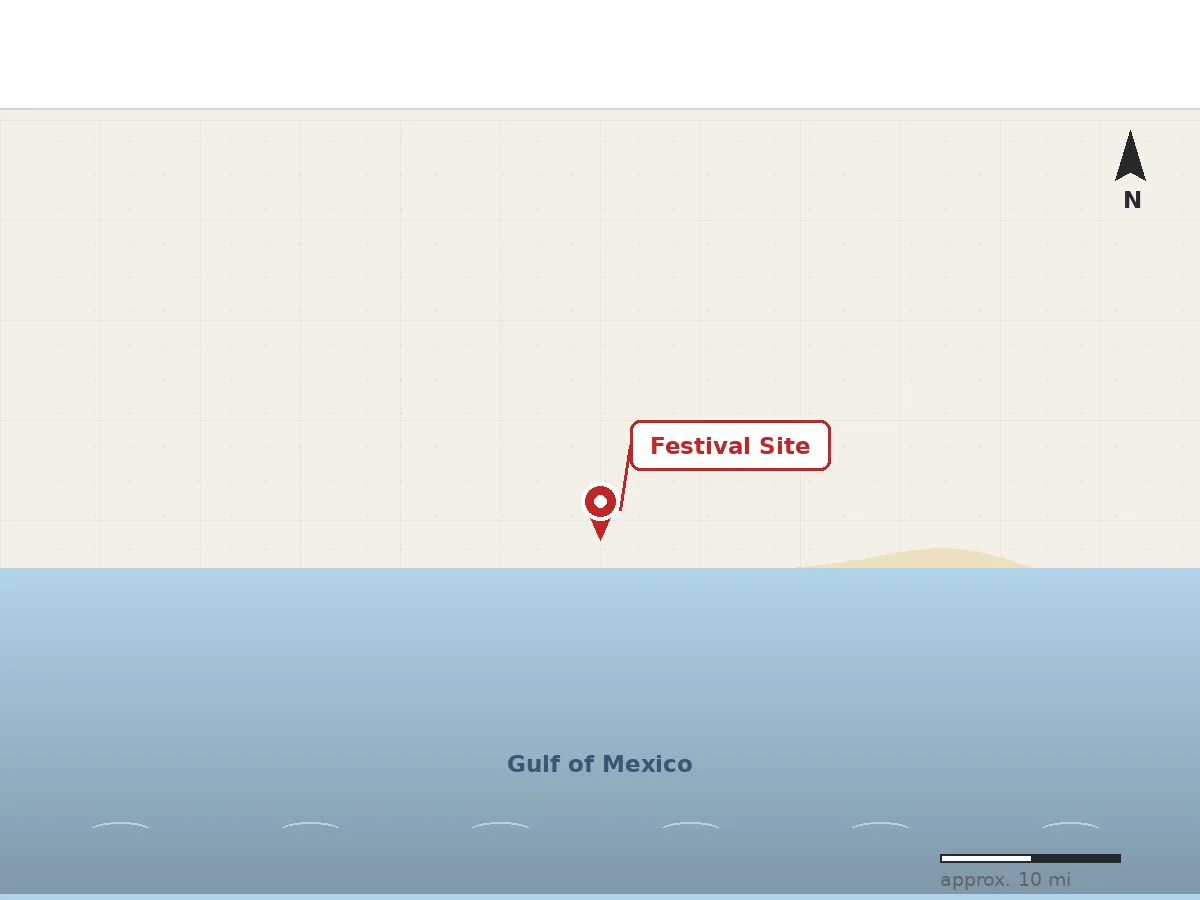
The festival takes place on the historical society’s living-history grounds in the Fulton County countryside near Rochester, the county seat, in north-central Indiana.
Trail of Courage Questions, Answered Briefly
Is the Trail of Courage a good fit for young children?
Yes — the hands-on demonstrations are the main draw for kids, and there is enough variety to keep short attention spans occupied. Keep in mind that the ground is grass and dirt, which makes strollers a chore after rain, and that black-powder demonstrations are loud. Warn children ahead of time and consider ear protection for very young ones.
Do I need to buy tickets in advance?
In most years, admission is handled at the gate and the festival is built for walk-up visitors, so advance purchase is usually unnecessary. That said, rates and procedures are set seasonally by the host organization, so it is worth checking current details before you travel, especially if you are bringing a group or a school class.
Are pets allowed on the grounds?
Policies vary by year and are set by the host organization, so ask before you bring a dog. Even when pets are permitted, the encampment has open fires, livestock, and loud demonstrations, which makes for a stressful environment for most animals. Leaving them at home is usually the kinder choice.
How much time should I plan for?
Most visitors spend three to five hours on the grounds. History enthusiasts stay most of a day. If you can manage two days, you will have time for both the scheduled programs and the slower, unscripted conversations in camp that tend to be the best part of the weekend.
Looking Ahead to Future Trail of Courage Weekends
The festival’s future rests on the same things that built it: volunteer reenactors, a historical society willing to maintain a working site, and visitors who show up. Heritage events of this kind face rising costs and an aging volunteer base across the Midwest, but the Trail of Courage holds a real advantage in owning both its grounds and its story. Expect the format to stay recognizable — encampment, trade rows, demonstrations, music — with continued emphasis on the Potawatomi history that gives the weekend its name.
Last updated: October 2026
If you have never walked through a living-history encampment, Fulton County in September is a fine place to start. Come curious, bring cash, wear boots, and let a reenactor tell you how the fire got started.

One Comment