Fayette County Iowa Fayette County Fair Festival
Fayette County spreads across 731 square miles of northeast Iowa, and for a stretch of mid-summer each year its 19,509 residents (2020 census) turn toward the fairgrounds for the Fayette County Fair. West Union serves as the county seat, and the fair is the season when the whole county seems to end up in the same place at the same time.
The Fayette County Fair in Brief: Summer in Northeast Iowa
| Town / area | The Fayette County area, northeast Iowa |
| County | Fayette County, Iowa |
| County seat | West Union |
| Population | 19,509 (2020 census) |
| Land area | 731 square miles |
| Region | Northeast Iowa |
| Typical timing | Mid-summer, most often July |
| Admission | Typically free to enter, with some rides and grandstand events ticketed separately |
| Setting | Rural fairgrounds ringed by farmland, with West Union as the county’s civic anchor |
| Features | Livestock judging, youth project exhibits, grandstand entertainment, midway rides, fair food |
| Organizer | Volunteer fair board and local community groups |
A County Fair Rooted in Fayette County Farm Country
Fayette County was created on December 21, 1837, and organized on August 26, 1850. Those two dates bracket the earliest years of settlement in this corner of Iowa, when prairie was being broken for farms and small towns were taking shape around crossroads, mills and rail lines. West Union became the county seat, and the surrounding 731 square miles settled into the pattern that still defines the place: family farms, compact towns, and a strong habit of volunteer-run civic life.
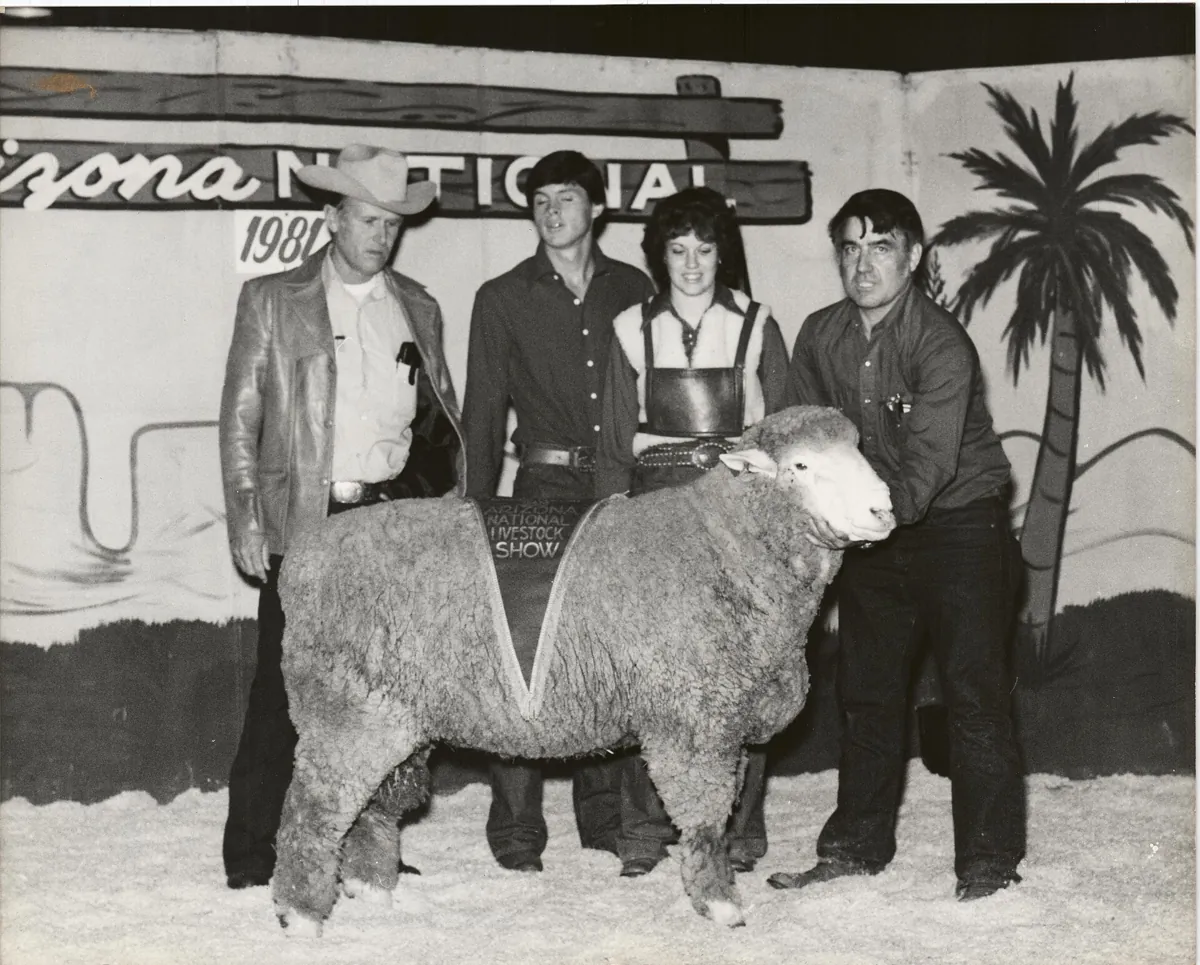
The Fayette County Fair is the clearest expression of that habit. It is a county fair in the traditional sense — agricultural at its core, social in its atmosphere, and proudly local. Livestock barns and project exhibits sit within a short walk of midway rides and food trailers, so a visitor can watch a youth showmanship class in the morning and hear a band on the grandstand at night without ever leaving the grounds.
The season matters as much as the schedule. By mid-summer the corn is tall, the evenings run long, and the farm calendar holds a natural pause between planting and harvest. That gap is why the fair lands where it does, and why the whole event feels less like a tightly scripted production and more like a county-wide exhale.
Fayette County’s Long Habit of Gathering in Summer
The county’s formal history opens with its creation on December 21, 1837, and its organization on August 26, 1850. In the decades that followed, agriculture became the organizing principle of daily life here, and fairs took hold across the Midwest as the place where that work was measured, celebrated and steadily improved.
For another look at how a community turns its own traditions into a gathering, see the Fayette County Indiana Free Fair Festival for a useful comparison.
Early county fairs were practical affairs. Farmers brought livestock, grain and produce to be judged and compared, neighbors traded notes on breeds, yields and equipment, and families packed a lunch and made a day of it. The social function was as important as the agricultural one, and both were wrapped inside the same outing.
Over the generations the fair absorbed new layers — youth agricultural programs, project exhibits, grandstand entertainment, motor sports, midway rides and commercial displays. The center of gravity stayed in the barns and show rings. A modern Fayette County Fair still reads as a direct descendant of those first exhibitions: same purpose, more noise, better food.
What has not changed is the structure behind it. Fairs of this size run on volunteers — people who set up pens, judge entries, staff gates, park cars and clean up after everyone has gone home. In a county of 19,509 people, that labor pool is the festival’s real infrastructure.
What a Summer Day at the Fayette County Fair Feels Like
The fair is compact enough to walk in an afternoon and varied enough to fill a weekend. Expect a working agricultural fair with a festive layer on top: the smell of livestock bedding and fried dough in the same breeze, kids in show whites crossing paths with teenagers heading for the midway, and a grandstand that fills as the light goes gold.
Fair Food, Church Stands and County Cooking
Food at the Fayette County Fair is the kind that only tastes right outdoors in July. Expect the Iowa standards — breaded pork tenderloins, corn dogs, funnel cakes, fresh-squeezed lemonade, walking tacos, pulled pork and soft-serve. Local church groups, civic clubs and youth organizations typically run stands of their own, which means the pie, bars and casseroles are made by someone’s neighbor rather than shipped in. Bring cash for the small stands and plan to eat standing up; seating is a luxury, not a given.
Grandstand Nights and Local Entertainment
Evening programming is where a county fair shows its personality. In most years the grandstand leans on the draws that reliably fill a northeast Iowa crowd — live music, motor sports and family entertainment — while smaller stages and tents host local bands, talent showcases and announcements from the show ring. Arrive early for the headline event, since grandstand seating fills quickly on the biggest nights, and check the schedule posted at the gate because start times shift from year to year.
Livestock Barns, Midway Rides and Family Activities
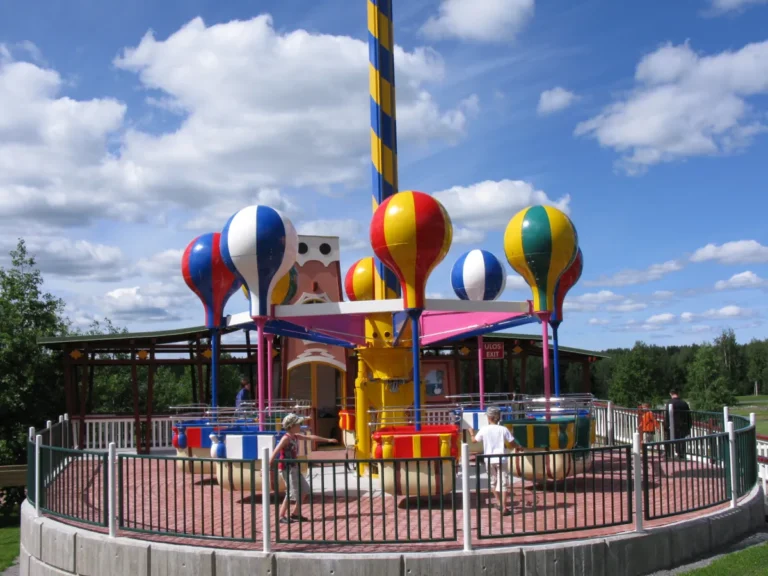
The heart of the fair is still the barn. Cattle, swine, sheep, goats, poultry and rabbits rotate through the show rings, and youth exhibitors spend the week washing, grooming and presenting animals they raised themselves. Families with small children tend to drift between the barns, the project buildings full of baking, photography and craft entries, and the midway, where rides range from gentle to gravity-defying. Stroller traffic is heavy in the early evening, and the grounds stay comfortable for kids until the grandstand lets out.
Planning a Fair Visit Around West Union and Fayette County
Getting There and Orienting Yourself
Fayette County sits in northeast Iowa, and West Union, the county seat, is the natural reference point for anyone navigating the area. Most visitors arrive by car on state and county highways that thread through the county’s 731 square miles of farmland. Once you reach the fairgrounds, orient yourself early: the barns, the midway, the grandstand and the food row each occupy their own zone, and knowing which gate is closest to what you want saves a lot of walking in the heat.
Where to Stay in and Around Fayette County
Lodging in a rural Iowa county is limited, and fair week is the busiest stretch of the summer. Options cluster around West Union and the county’s other communities, with a handful of small inns, motels and guest rentals in the area. Many families skip hotels altogether and stay with relatives or camp nearby. If you want a bed rather than a tent, book well ahead of the season; the best rooms go first, and the nearest larger-town options sit outside the county line.
Parking and Moving Around the Grounds
Fairground parking is typically on grass or gravel, managed by volunteers directing traffic in and out. Come early for grandstand nights, when the lots fill and the exit lines get long. Inside the grounds, everything is walkable, but the distance between the far barns and the midway adds up over a full day. Wear shoes you do not mind getting dusty, and expect the terrain to be uneven after rain.
Admission, Tickets and What Things Cost
County fairs in Iowa often keep gate admission free or very low, and the Fayette County Fair follows that tradition — entry is typically free, with costs concentrated in rides, grandstand events, carnival games and food. That structure makes the fair an easy outing for families: you can wander the barns and project buildings at no cost and spend only on what you actually want to do. Bring cash for smaller stands and vendors, and check the current schedule for any separately ticketed evening events.
Mid-Summer Weather and What to Bring
July in northeast Iowa means heat, humidity and the occasional fast-moving thunderstorm. Days can climb into the upper 80s and low 90s, and the barns hold the warmth. Pack water, sunscreen, a hat and a light rain jacket, and plan your heaviest walking for the morning and evening. If storms roll through, fair boards typically pause and resume programming once the weather clears, so a little patience usually pays off.
A Sample Fair Weekend in Fayette County
Friday evening. Arrive in the late afternoon as the heat breaks. Walk the barns while exhibitors are still working with animals, grab dinner from a food stand, then settle in for the grandstand event. Stay for the midway lights after dark — the fairgrounds look entirely different once the sun goes down.
Saturday morning. Come back early for livestock judging and the youth project buildings, which are busiest and most interesting before noon. This is the fair at its most authentic: parents holding gate panels, kids in white shirts, judges taking notes, and grandparents watching from folding chairs.
Saturday afternoon and evening. Eat lunch on the grounds, let the kids loose on the midway, and browse the commercial and community exhibits. Take a break at your car or in the shade during the hottest hours, then return for the evening’s entertainment and one last round of fair food.
Sunday. Wrap up with a slower pass: the remaining exhibits, a final livestock show, a conversation with a vendor you missed the first time. Fairs wind down quietly, and Sunday has a different rhythm than the peak of the week.
How the Fayette County Fair Compares with Nearby Towns
West Union, as county seat, gives the fair its civic center of gravity — this is where the county’s business, courts and administration are based, and where the largest share of fair-week traffic originates. Fayette, the county’s other well-known small town, offers a quieter, more residential feel, the kind of place where the fair is a reunion as much as an event. Oelwein anchors the county’s southern side with a more urban scale and its own slate of summer gatherings.
Compared with neighboring county fairs in northeast Iowa, the Fayette County Fair is neither the largest nor the smallest. It trades size for intimacy: shorter lines, cheaper days, easier parking, and a stronger chance that the person judging your pie entry knows your name. For visitors weighing a trip, that is the trade-off worth considering — a bigger fair delivers more spectacle, while Fayette County delivers more connection.
Fair-Week Checklist for Fayette County Visitors
Before you head out, line up the basics: cash for small stands and vendors; water bottles and sunscreen; hats and comfortable shoes that can handle dust or mud; a light rain jacket for afternoon storms; and a phone charger if you plan a long day. Check the fair schedule posted at the gate or online before you leave, since grandstand start times and livestock show hours vary by day.
If you have children, set a meeting point near a landmark at the fairgrounds entrance in case you get separated. If you are coming for a specific show, arrive an hour early and park facing the exit. And if you are visiting from outside the county, plan at least one meal from a local church or civic stand — that is where the fair’s food culture actually lives.
Beyond the Fairgrounds: Fayette County in Summer
The fair is a reason to visit, but it is not the only one. Fayette County’s 731 square miles are mostly farmland, stitched together by small towns and gravel roads that reward a slow drive. West Union, as county seat, offers the county’s most concentrated cluster of shops, services and civic buildings, and the surrounding communities each have their own summer rhythms — ball games, town celebrations, church suppers and farmers markets.
Summer is also the best time to see the county’s landscape at full volume: corn and soybeans at height, hay fields cut and baled, and long evening light across the hills. Bring a camera, take the back roads, and stop where you see a sign for a local event. In a county this size, the fair is the anchor of the season, but it is not the whole season.
What the Fair Means to Fayette County
For a county with 19,509 residents spread across 731 square miles, the fair is one of the few occasions that pulls every corner of the map into a single place. It is where farm families and town families share the same bleachers, where teenagers learn to present an animal and handle a loss, and where the county’s volunteer culture gets its annual showcase.
The economic footprint is modest but real: food vendors, local businesses, service clubs and youth groups all take in money that circulates back through the community. The larger value is social. A county fair this size does not survive on ticket sales; it survives because enough people believe the tradition is worth their unpaid week. That belief, renewed every July, is what keeps the Fayette County Fair on the calendar.
Where the Fayette County Fair Sits in Northeast Iowa
The Fayette County Fair takes place in Fayette County, Iowa, in the northeast part of the state, with West Union serving as the county seat and the primary reference point for visitors finding their way to the grounds.
Fayette County Fair Questions, Answered
When is the Fayette County Fair usually held?
It is a mid-summer event, typically falling in July. The exact week shifts from year to year, so check the current fair schedule rather than relying on a date from a previous season.
Is admission free?
Gate admission is typically free, with costs concentrated in rides, grandstand events, games and food. Some evening events may require a separate ticket, so it is worth checking the schedule before you go.
Is the fair a good outing for young children?
Yes. The grounds are walkable, the livestock barns and project buildings are free to explore, and the midway has rides for younger kids. The busiest and hottest hours are early afternoon, so mornings and evenings tend to be easier with small children.
How does the fair connect to West Union and the rest of the county?
West Union is the county seat and the area’s main civic hub, so it functions as the natural base for fair week — for directions, supplies and lodging. The fair itself draws exhibitors and visitors from across Fayette County’s 731 square miles, from the county’s small towns to its surrounding farmsteads.
Looking Ahead to Future Fayette County Fairs
The Fayette County Fair’s future looks much like its past: a volunteer-driven agricultural fair that adapts slowly and deliberately. Expect continued emphasis on youth exhibitors and livestock programs, alongside the entertainment and food that bring in casual visitors. Counties across Iowa face the same pressures — an aging volunteer base, rising event costs and competition for summer weekends — and Fayette County is no exception.
What the fair has going for it is a deep local habit. In a county of 19,509 people, a week in July still functions as a shared calendar entry, and traditions that survive that long tend to keep surviving.
Last updated: October 2026
If you plan a trip around the Fayette County Fair, plan it around the season rather than a single date. Come for a full weekend, stay for a slow morning in the barns, and leave time for the back roads of a county that still measures its year by planting, fair week and harvest.
One Comment