Des Moines County Iowa Burlington Steamboat Days Festival
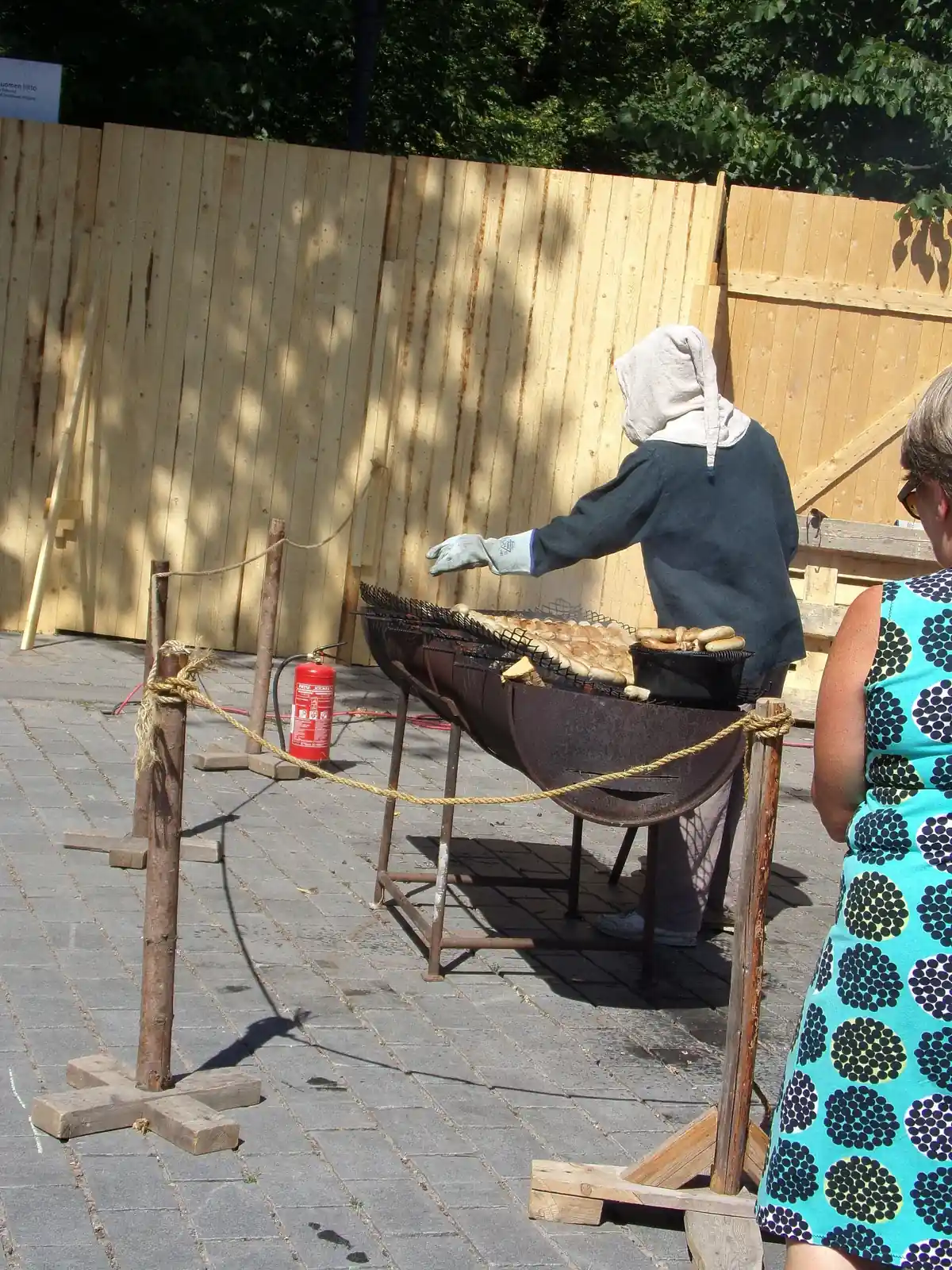
Summer reaches southeast Iowa the way it always has along the Mississippi: slowly, then all at once, with the river running warm, the bluffs behind Burlington deep in green, and daylight lingering well past dinner. Burlington Steamboat Days belongs to exactly that stretch of the year — a river town at its most sociable, a downtown of brick and limestone sitting just uphill from the landing, and a weekend that pulls people out of their porches and down to the water.
This is a festival defined as much by its season and its setting as by any single performer. The setting is the river; the season is early summer, when this corner of Iowa finally rewards people for standing outdoors after dark. What follows is a traveler’s guide to the celebration, to the county that hosts it, and to the practical details that make a weekend here work.
Burlington Steamboat Days: The Essentials for Des Moines County Visitors
| Town / area | Burlington and the surrounding Des Moines County area |
| County | Des Moines County, Iowa |
| County seat | Burlington |
| Population | 38,910 (2020 census), spread across 429.775 square miles |
| Region | Southeast Iowa, Mississippi River valley and bluff country |
| Typical timing | A summer weekend, in most years during June |
| Admission | Typically free to the grounds; food, drink, rides, and some ticketed entertainment cost extra |
| Setting | Burlington’s Mississippi riverfront, with the historic downtown just above it |
| Signature features | River heritage theme, live music, food vendors, family activities, waterfront views |
| Organizer | A community-based volunteer effort supported by local sponsors |
A River Town Festival Named for the Steamboat Era
Burlington Steamboat Days is Des Moines County’s flagship summer celebration, staged along the Burlington riverfront where the Mississippi widens against the Iowa shore. The name reaches back to the decades when steamboats were the engine of this town’s economy, moving passengers, mail, and freight between river landings. Burlington became the seat of Des Moines County, founded on October 1, 1834, and the river shaped nearly everything that followed.
The county spreads across 429.775 square miles of southeast Iowa, from flat bottomland to wooded bluffs, and counted 38,910 residents in the 2020 census. A festival of this scale depends on that entire footprint: volunteers from small towns around the county, sponsors from local businesses, civic groups working food stands, and families who treat the weekend as a fixed point on the summer calendar. General admission is typically free, with costs concentrated in food, drink, rides, and any separately ticketed entertainment.
How Burlington’s Steamboat Past Became a Summer Tradition
For much of the nineteenth century, Burlington was a working river port. Steamboats tied up at the levee to load and unload, warehouses lined the waterfront, and the town’s fortunes rose and fell with the current. When railroads took over the freight that steamboats once carried, the paddlewheelers faded from the upper Mississippi — but the memory of that era never left the riverfront, and it is the reason the festival carries the name it does.
For another look at how a community turns its own traditions into a gathering, see the Delaware County Iowa Delaware County Fair Festival for a useful comparison.
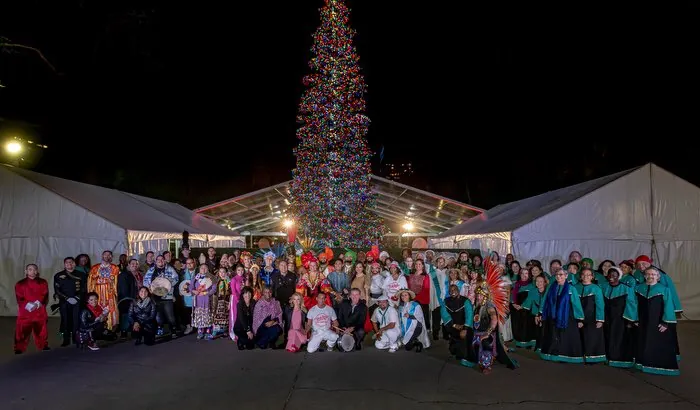
Over time, community celebrations in Burlington and the surrounding county grew into a multi-day summer event: parades, river-themed programming, live music, food stands, and a gathering that draws people from across Des Moines County and beyond. The details have changed with each generation of organizers, but the logic has stayed constant. In a county founded in 1834 and anchored by a river town, the waterfront is the natural place to celebrate, and early summer is the natural time to do it.
What a Summer Weekend in Burlington Actually Feels Like
Expect a relaxed, walkable event rather than a fenced-in mega-festival. The grounds sit close to the river, so the breeze is part of the experience, and much of the crowd drifts between the entertainment area, the food rows, and the railing where you can watch barges and pleasure boats work the channel.
Food and Drink Along the Riverfront
Midwest festival food is the backbone here: pork tenderloin sandwiches, brats, corn dogs, funnel cakes, kettle corn, and lemonade shake-ups, often sold by local civic groups and church organizations that rely on the weekend as a fundraiser. Expect a mix of sit-down vendors, walk-up stands, and beverage tents, with plenty of shade-seeking and grazing between sets.
Music and Evening Entertainment
Live music anchors the schedule, typically with regional and touring acts covering country, rock, and blues across the weekend, plus a headline performance on the main stage. Evenings are the peak: the temperature drops, the lights come up over the water, and the sound carries across the river in a way that feels particular to a waterfront town.
Family Activities and Riverfront Time
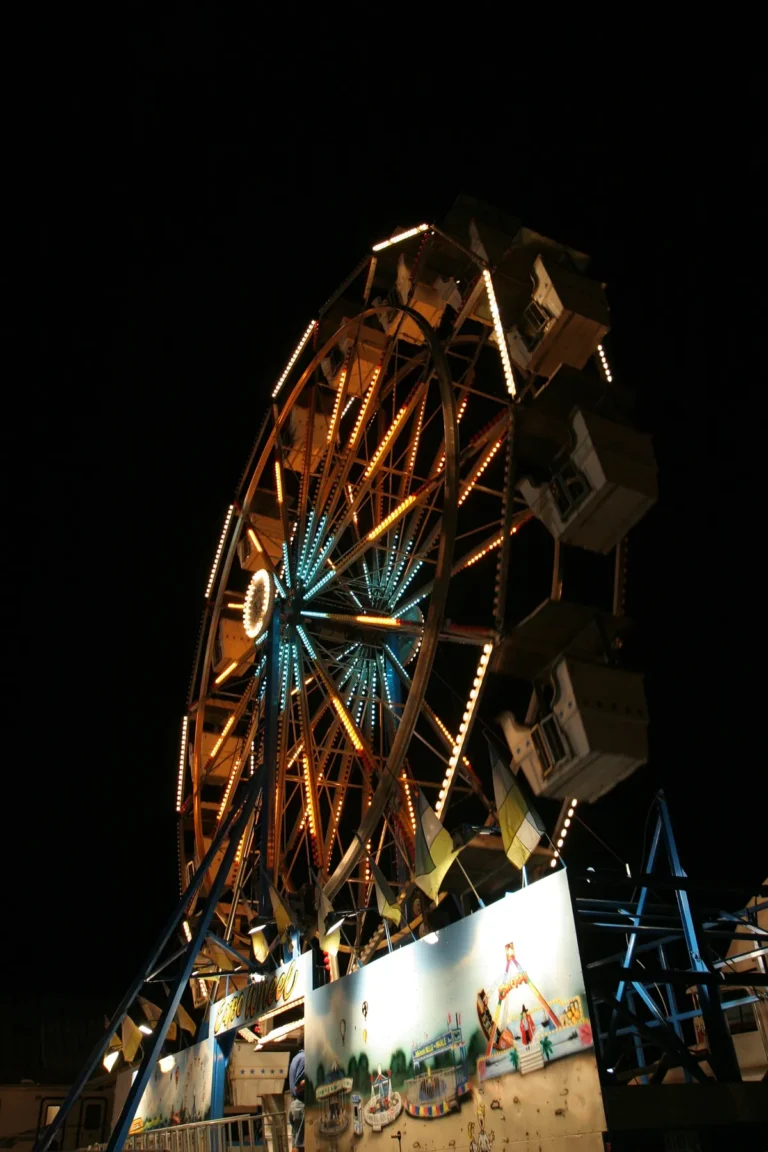
Families typically find carnival rides, games, face painting, and kid-oriented entertainment, along with open space for strollers and blankets. Between activities, the riverfront trail and nearby parks give children somewhere to run and adults somewhere to sit with a view — one of the simplest reasons this festival works so well in this setting.
Getting to Burlington and Making the Weekend Work
Getting There
Burlington sits on the Mississippi in southeast Iowa, reachable by highway from Iowa City, the Quad Cities, and western Illinois across the river. Most visitors arrive by car, and the drive into town drops you from bluff-top views down toward the waterfront in a few minutes.
Where to Stay in and Around Burlington
Lodging clusters in and near Burlington, with national chain hotels, independent motels, and a handful of bed-and-breakfast style options in the historic downtown. Festival weekends fill rooms early, so booking well ahead is the single most useful planning step. Campgrounds and state park cabins in the region suit travelers who prefer the outdoors.
Parking and Getting Around
Expect to park in downtown lots and on-street spaces and walk to the riverfront, since the area closest to the grounds is the busiest. Arriving mid-afternoon or walking from a hotel near downtown both work well. Once you are in the festival zone, everything is on foot.
Admission, Costs, and What to Budget For
Admission to the grounds is typically free, which makes the festival easy on families. Realistic spending centers on food, drinks, ride tickets, carnival games, and any ticketed concert. Cash is handy for small vendors, though card acceptance has become common at larger stands.
Weather and What to Pack
Early summer along the Mississippi means warm, humid days, cooler evenings, and the possibility of a passing storm. Pack light layers, sunscreen, a hat, comfortable shoes, and a rain jacket you can carry. Riverfront evenings can feel breezier than the forecast for inland neighborhoods suggests.
A Sample Steamboat Days Weekend, Friday to Sunday
Friday evening: Arrive mid-afternoon, check in, and walk the downtown historic district before heading to the riverfront. Grab dinner from a food vendor, find a spot near the stage, and stay for the opening night music as the light fades over the water.
Saturday: Start slowly with breakfast in town, then spend the late morning and afternoon on the grounds — rides for the kids, a slow pass through the food rows, and a walk along the river trail. Return in the evening for the headline set and the biggest crowd of the weekend.
Sunday: Come back for a quieter afternoon, revisit favorite vendors, and use the remaining hours to explore the bluffs and parks around Burlington before the drive home. It is the kind of closing day that rewards a slower pace.
How Steamboat Days Compares With Nearby River Towns
Fort Madison, roughly half an hour downstream, offers its own historic downtown and riverfront, with a stronger emphasis on rail and prison-history landmarks. Keokuk, at Iowa’s southeastern tip, leans into its location where the Des Moines River meets the Mississippi and feels more like a working river city.
Muscatine, upstream to the north, trades on its pearl-button heritage and a revitalized waterfront. Burlington Steamboat Days sits comfortably among them: smaller and more intimate than a major metropolitan festival, but with a genuine historic setting and a program broad enough to fill a weekend.
A Pre-Departure Checklist for Des Moines County Festival Goers
Book lodging early, since summer weekends in Burlington fill quickly. Confirm the current year’s schedule and any ticketed performances before you commit to travel. Bring cash for small vendors, sunscreen and a hat for afternoon sun, a light jacket for the river breeze after dark, and comfortable walking shoes for the downtown-to-waterfront stretch. Charge your phone, plan a meeting point if your group splits up, and check the forecast the morning you leave — a compact rain jacket takes up almost no room.
Beyond the Festival: The Rest of Des Moines County
Burlington rewards a little wandering. The downtown historic district holds nineteenth-century commercial buildings, and the bluffs above town offer overlooks of the river valley that are worth the short drive. Parks along the waterfront make an easy morning walk before the festival crowds arrive.
Beyond Burlington, Des Moines County opens into farmland and small communities where the pace slows further. The county’s 429.775 square miles include river bottomland, timber, and prairie-edged roads that are pleasant to drive in the long light of a June evening.
Why Steamboat Days Still Matters to Burlington and Its Neighbors
For a county of 38,910 people, a multi-day festival is a substantial act of collective effort. Local businesses sponsor it, volunteers staff it, and families build summer plans around it. It functions as a reunion as much as an entertainment event.
It also keeps a specific piece of local identity visible. Burlington’s steamboat years are long past, but the festival keeps the river at the center of how this town explains itself — a reminder that the Mississippi is not just scenery here, but the reason the place exists.
Where the Riverfront Action Happens in Burlington
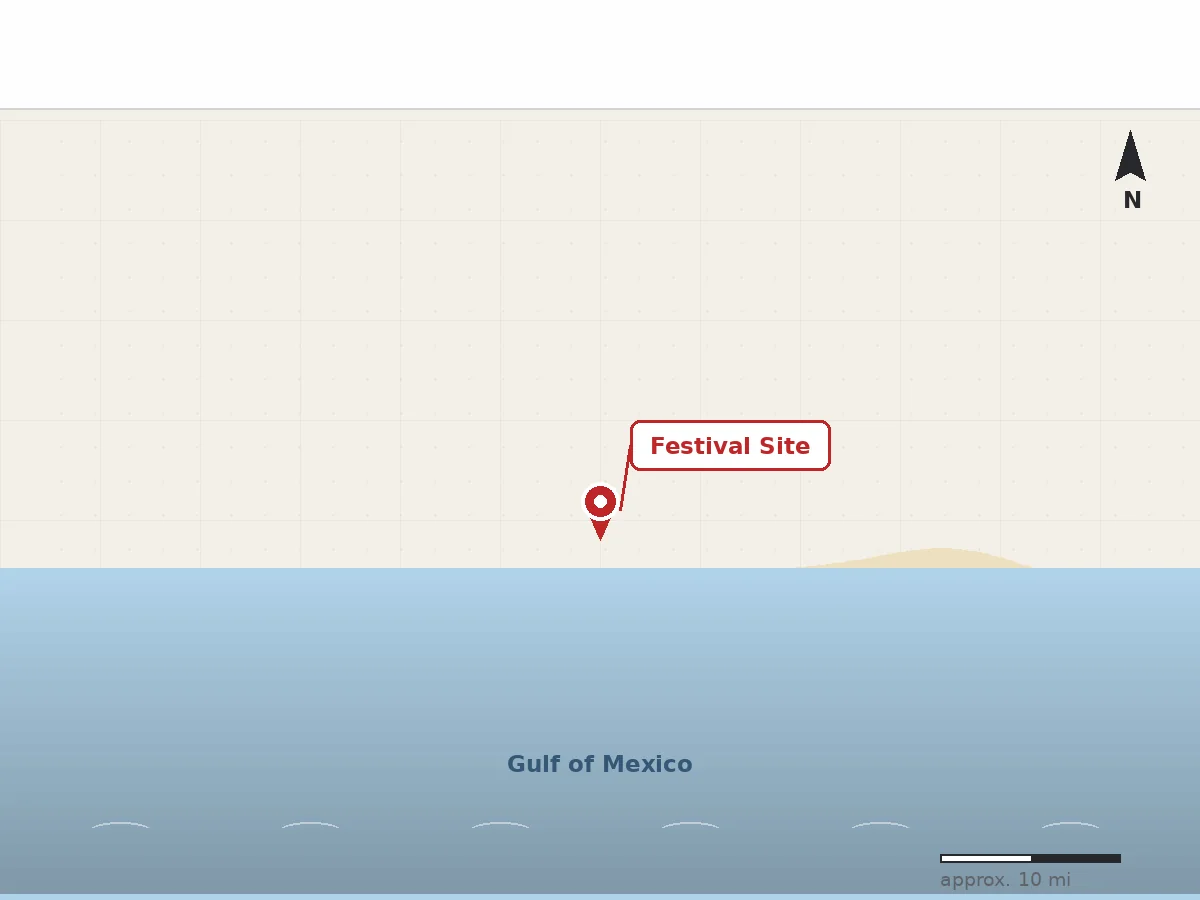
The festival takes place along Burlington’s Mississippi riverfront in Des Moines County, Iowa, just below the historic downtown.
Steamboat Days Questions Travelers Ask Before They Drive In
Is Burlington Steamboat Days free to attend?
Admission to the festival grounds is typically free, which is part of why it draws so broadly from across southeast Iowa. Individual costs apply to food, drinks, carnival rides, and any separately ticketed concerts or special events.
When does the festival usually take place?
It is a summer event, held in most years during June, when the riverfront is at its most comfortable and evenings stay warm well past sunset. Check the current schedule before planning travel, since the exact weekend can shift from year to year.
Is it a good festival for young children and older visitors?
Yes. The grounds are walkable and mostly level, family activities and rides are part of the lineup, and there is ample seating near the water. Visitors with mobility concerns will find the downtown-to-riverfront walk manageable, though parking closest to the grounds fills early.
How far is Burlington from other southeast Iowa towns?
Burlington is the seat of Des Moines County and sits within an easy drive of other Mississippi river towns like Fort Madison, Keokuk, and Muscatine, as well as the larger Quad Cities and Iowa City areas. Many visitors combine the festival with a broader loop through the region.
The Next Chapters for Burlington Steamboat Days
The festival’s future depends on the same things that sustain it now: volunteer energy, local sponsorship, and a community willing to show up. As river towns across the Midwest look for ways to draw visitors downtown, a free, waterfront, heritage-based celebration has obvious advantages — it costs little to attend and it is rooted in a story no other place can copy.
Expect continued emphasis on live music, family programming, and the riverfront setting that makes the weekend distinctive. For travelers, the practical advice stays simple: watch for the summer schedule, book early, and plan to spend more than one evening by the water.
Last updated: October 2026
Burlington Steamboat Days is a reminder that the best small-city festivals are not built around spectacle but around place. A county founded in 1834, a town that grew up around a steamboat landing, and a stretch of the Mississippi that still carries the light into evening — that combination is the whole point, and it is worth planning a summer weekend around.